Bathing a Cane Corso in a Home Shower
Let's be real, the thought of bathing a full-grown Cane Corso in your home shower can feel like trying to wash a small horse in a teacup. Their sheer size, dense coat, and often dramatic flair for avoiding water can turn a simple hygiene routine into an Olympic event, leaving you drenched, exhausted, and wondering if it's even possible. But trust me, with the right approach, tools, and a healthy dose of patience, you can conquer the home shower challenge and keep your massive companion clean and comfortable without resorting to an industrial car wash. This guide will walk you through making bath time less of a wrestling match and more of a manageable, even calm, experience.
Preparing for the Home Shower Battle
Before you even think about turning on the water, a solid preparation strategy is your best friend when bathing a Cane Corso. Going in unprepared is a surefire way to escalate stress for both you and your big dog, leading to more mess and a less effective bath.
Gathering Your Supplies and Your Patience
Imagine trying to wrangle a wet, soapy, hundred-plus-pound dog while scrambling for a towel or the shampoo. Chaos, right? That's why having everything within arm's reach is non-negotiable. You'll need:
- A High-Quality Dog Shampoo and Conditioner: Skip human products, as they can irritate your Cane Corso's sensitive skin. Look for formulations specifically designed for dogs, ideally tearless and gentle. If your dog has specific skin issues, your vet might recommend a medicated shampoo.
- A Long Hose Attachment for Your Shower Head: This is a game-changer. It allows you to reach all those nooks and crannies of your Cane Corso's impressive physique without having to maneuver them constantly. You can find excellent, inexpensive options on platforms like Chewy or Amazon.
- Heavy-Duty Towels: And I mean heavy-duty. You'll need at least two or three large, absorbent towels to get the initial bulk of water off. Microfiber dog towels work wonders.
- Non-Slip Mat: This is crucial for safety. Your shower floor becomes incredibly slick when wet and soapy, and a slipping Cane Corso is a recipe for injury for both of you. A good rubber bath mat will give them stable footing.
- A Sturdy Leash and Collar: Even if your Cane Corso is generally well-behaved, having them securely leashed can prevent them from making a sudden dash for freedom mid-rinse. A hands-free option that clips to a shower bar can be helpful.
- Cotton Balls or Ear Wipes: To protect their ears from water and clean out any buildup after the bath.
- Rewards! High-value treats are essential for positive reinforcement, especially if your Cane Corso isn't a fan of bath time.
And finally, patience. Take a deep breath. This isn't a race. A calm owner leads to a calmer dog.
Pre-Bath Grooming: The Deshedding Dance
Many owners think they can just jump straight into the bath, but for a Cane Corso, skipping pre-bath grooming is a rookie mistake. Their short, dense double coat, while seemingly low-maintenance, can shed quite a bit, especially twice a year during seasonal changes. Which Months a Cane Corso Sheds Hardest If you put a wet brush through matted or heavily shedding fur, you're just creating more work and discomfort for your dog, potentially leading to skin irritation.
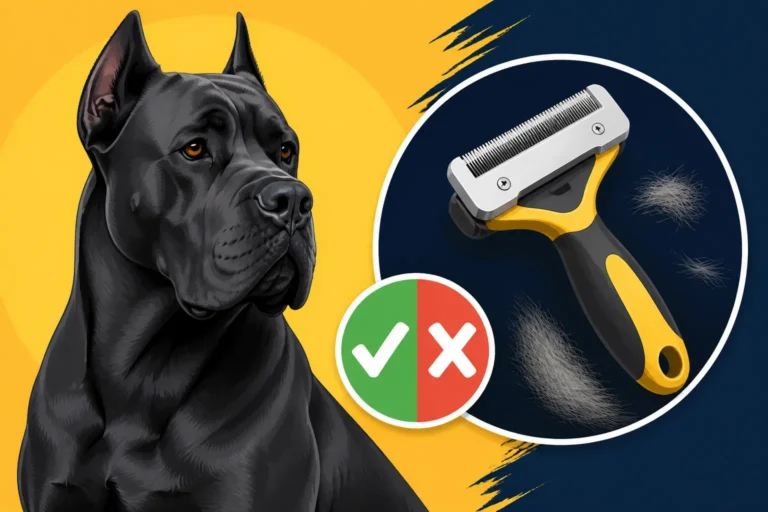
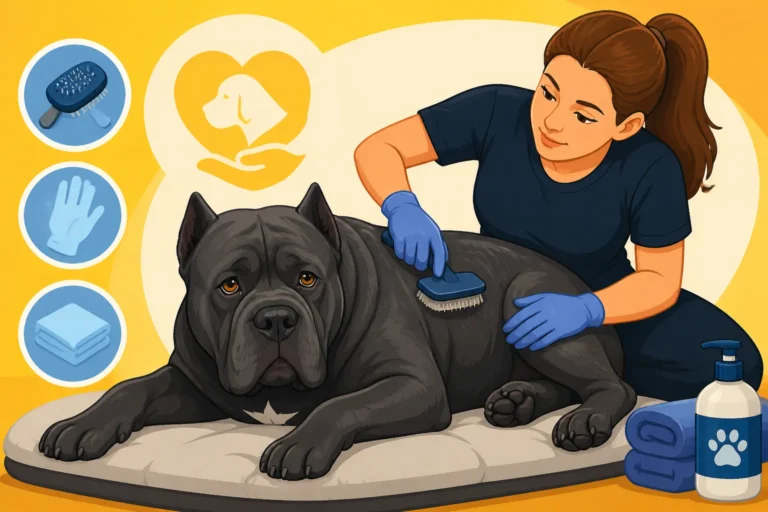
Before any water touches them, give your Cane Corso a thorough brushing. Use a deshedding tool like a Furminator or a sturdy curry comb. This will remove a significant amount of loose hair and any dirt or debris trapped in their undercoat. Not only does this make the bathing process more effective by allowing the shampoo to reach their skin, but it also dramatically reduces the amount of wet hair clogging your drain and sticking to every surface in your bathroom. Trust me, spending an extra 10-15 minutes on this step will save you double that in cleanup time later. Which Tool Pulls a Cane Corso's Undercoat Out
Securing Your Giant: Making the Shower Safe
You wouldn't want to slip and slide around your bathroom, and neither does your Cane Corso. The bathroom environment, with its hard surfaces and often confined space, can be intimidating for a large dog. Beyond the non-slip mat, consider the logistics of getting them in and keeping them comfortable.
If your shower has a door, that's a bonus for containing splashes. If it's a curtain, prepare for some serious wet dog shakes. Ensure the temperature of the water is lukewarm—not too hot, not too cold. Test it on your inner wrist before spraying your dog. Think about how you'll comfortably stand and reach all parts of your dog. You might need to kneel or bend, so make sure you're positioned safely and can maintain balance. If your dog is particularly wiggly or strong, consider having a helper. One person can focus on washing while the other provides reassurance and holds the leash if necessary. Remember, the goal is to make this a predictable and positive experience, so security and comfort are paramount. If your dog struggles with standing for extended periods due to age or joint issues, Managing Arthritis in a Hundred Pound Cane Corso consider how you might provide breaks or adapt the process.
The Step-by-Step Shower Routine
Now that you're prepped and ready, it's time for the main event. Getting through the actual wash can still be a challenge, but by breaking it down into manageable steps, you'll feel more in control.
Getting Them In and Keeping Them There
This is often the first hurdle. Many Cane Corsos, while brave guardians, can be surprisingly hesitant about stepping into a shower or bathtub. Start with treats and praise, luring them in. If they're truly reluctant, try placing the non-slip mat outside the shower first, letting them stand on it comfortably, then gradually moving it inside.
Once they're in, the leash becomes invaluable. Clip it to something sturdy (like a shower bar, if it's strong enough, or have your helper hold it). Keep your voice calm and reassuring. Give them some high-value treats just for being in the shower. This positive association is key. Don't rush or force them; a bad experience now can make future baths even harder. If your Cane Corso fights Restraining a Cane Corso That Fights Nail Trims other grooming activities, apply those same positive reinforcement techniques here.
Wetting Down That Dense Coat Thoroughly
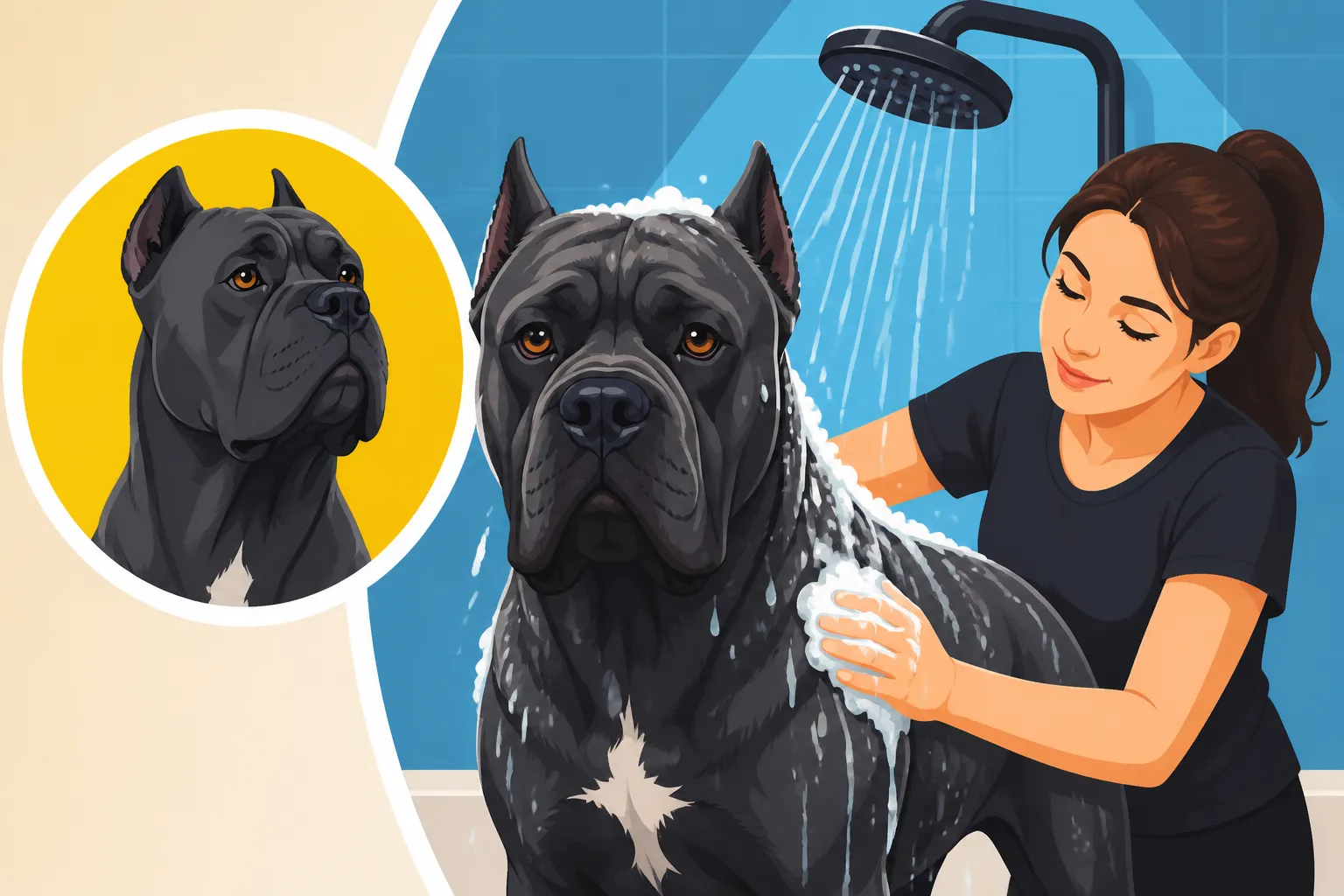
A Cane Corso's coat isn't just short; it's incredibly dense. Getting them thoroughly wet takes more time and water than you might expect. Start by spraying their feet and legs, slowly working your way up their body. Avoid spraying directly into their face or ears. Use your long hose attachment to get under their belly, armpits, and groin area—places where dirt and dander love to hide.
Massage the water into their coat with your hands, making sure it penetrates all the way to their skin. You'll often find that the outer layer beads water, but the undercoat remains dry. This step is crucial; if their coat isn't fully saturated, the shampoo won't be able to clean effectively. Be patient and systematic, ensuring every inch of their body is thoroughly soaked before moving on.
Lathering Up: The Right Shampoo and Technique
Once your Cane Corso is drenched, it's time for the shampoo. Apply a generous amount, starting from their neck and working your way down their body, including their tail and legs. Again, avoid their face for now.
- Massage it In: Really work that shampoo into their coat and down to their skin. Use your fingers to scrub gently, paying special attention to areas that tend to get dirtier, like their paws, belly, and any skin folds (if they have them). This massage also helps stimulate circulation and dislodge dead skin cells.
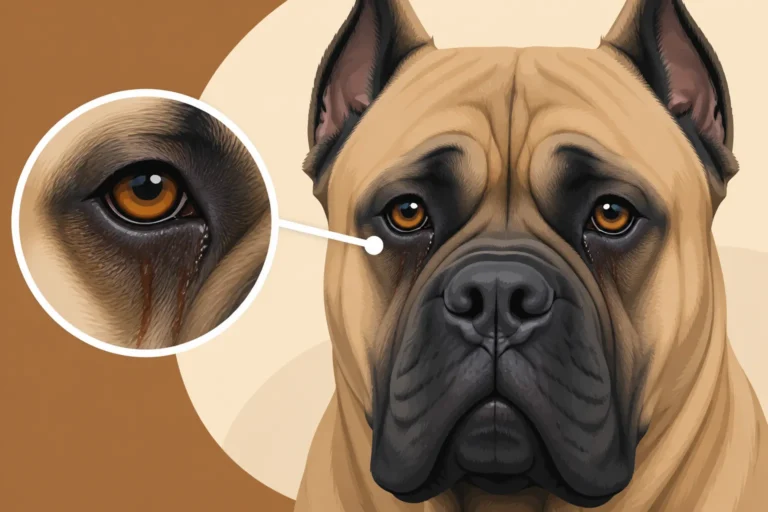
- The Face First, Carefully: For their face, use a washcloth or sponge with a small amount of diluted shampoo. Gently wipe around their muzzle, forehead, and cheeks, being extremely careful to avoid getting soap in their eyes, nose, or mouth. Many Cane Corsos have The Sagging Lower Lid on a Cane Corso or The Loose Eyelids Nearly Every Cane Corso Owner Meets, which makes eye protection even more important. Some owners even use a small amount of veterinary-approved eye lubricant or artificial tears before the bath to create a barrier.
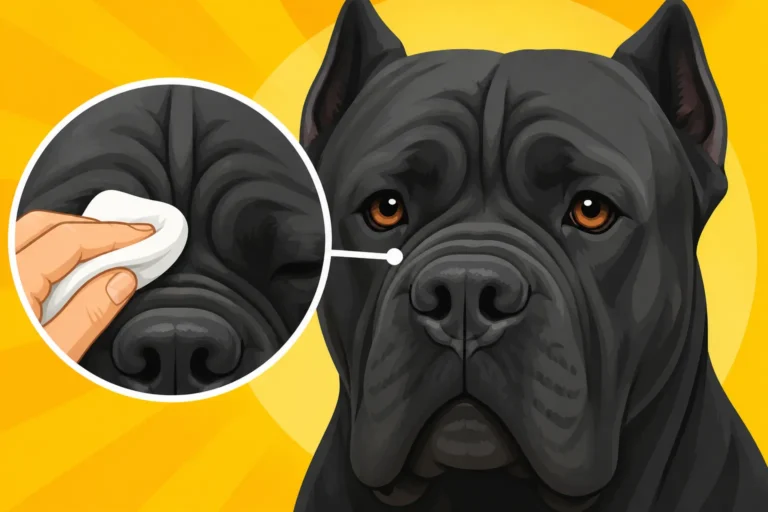
- Don't Forget the Folds: If your Cane Corso has facial wrinkles or loose lips, make sure to gently clean these areas, as moisture and debris can accumulate and lead to irritation or yeast infections. The Yeast Smell on a Cane Corso's Skin Folds
Rinsing, Rinsing, and Rinsing Again
This is arguably the most critical step. Any shampoo residue left on your Cane Corso's skin can lead to itching, dryness, and irritation, potentially causing hot spots or other dermatological issues. You need to rinse, and then rinse again, and then probably rinse one more time for good measure.
Use your long hose attachment to thoroughly flush every bit of shampoo out of their coat. Start from the top of their head (being careful around their eyes and ears) and work your way down. You'll know they're truly rinsed when the water running off their body is clear, and their coat feels "squeaky clean" rather than slick. Lift their legs, spread their toes, and check under their armpits and belly. Why a Cane Corso Starts to Smell often points to underlying issues, and thorough rinsing is part of prevention. Don't assume the job is done just because the suds are gone. It's better to over-rinse than under-rinse.
Post-Shower Perfection: Drying Your Cane Corso
The bath itself might be over, but you're not done yet! Improper drying can lead to just as many problems as poor washing, especially for a large, dense-coated dog like a Cane Corso.
The Initial Towel Dry: Get the Bulk Off
As soon as the rinsing is complete, prepare for the inevitable "wet dog shake." This is instinctual, and you'll be soaked if you're not ready! Shield yourself with a towel or step back. Once the initial shake is done, immediately grab your heavy-duty towels and start blotting and rubbing vigorously.
The goal here isn't to get them completely dry, but to remove as much surface water as possible. Focus on their body first, then their legs and tail. Don't forget to gently wipe their face, especially around their eyes and within their ear flaps. Cleaning a Cane Corso's Ear Without Going Deep is important, making sure to avoid pushing water or debris into the ear canal. The more water you can absorb with towels, the faster the rest of the drying process will be, and the less wet dog smell will linger in your home. Getting a Cane Corso Dry Before It Rolls quickly is also key to preventing them from rolling in something undesirable to speed up the process themselves!
Air Drying Versus Force Drying
For a short-coated breed like the Cane Corso, air drying is often a feasible option, especially in warm weather. However, it's essential to understand the nuances:
- Air Drying: If you choose to air dry, ensure your Cane Corso is in a warm, draft-free area. They should remain active enough to prevent them from simply lying down on a cold floor while still damp. Regular light brushing with a soft brush during this phase can help separate the hairs and speed up drying. However, be aware that their dense undercoat can hold moisture for a surprisingly long time. This method is best for very mild baths or when they're only slightly damp.
- Force Drying (or a "Blaster" Dryer): This is a professional-grade dog dryer that blows cool or warm air at high velocity. It's a game-changer for large, dense-coated dogs. A force dryer quickly blasts water out of the coat, significantly reducing drying time and minimizing the risk of skin issues. You can purchase consumer versions from retailers like Amazon or Chewy. Be sure to use the dryer on a low or no-heat setting to avoid burning their skin, and always keep the nozzle moving. Introduce it slowly, starting with a low setting and letting your Cane Corso get used to the noise and sensation, rewarding them for calm behavior. This is particularly helpful for thoroughly drying the undercoat which might remain damp.
Preventing Hot Spots and Skin Issues
Regardless of your drying method, ensuring your Cane Corso is completely dry, especially down to the skin, is paramount. Trapped moisture against their skin creates a perfect breeding ground for bacteria and yeast, leading to uncomfortable hot spots, skin infections, and a general "doggy odor."
- Check Those Folds Again: Pay extra attention to skin folds, armpits, and between their toes. Use a clean, dry towel or cotton pads to absorb any lingering moisture.
- Air Circulation: If air drying, encourage your dog to move around a bit. A short, supervised walk (if it's warm and dry outside) can help, but avoid letting them roll in anything dirty.
- Regular Checks: For the next few hours, periodically run your hands through their coat, checking for any damp patches. If you find any, use a towel or gentle blow dryer (on cool setting) to finish drying them.
A truly dry dog is a happy and healthy dog, with a fresh-smelling coat that lasts longer.
Troubleshooting Common Cane Corso Bathing Woes
Even with the best preparation, living with a giant breed means you'll encounter some unique challenges during bath time.
Managing the Mess: Splashes, Shakes, and Hair
The mess factor is real with a Cane Corso bath. Let's tackle it head-on:
- The Shake: As mentioned, anticipate the shake. It's coming. If possible, try to encourage their first few shakes while they're still in the shower or tub. You can even train a "shake" command to control when it happens.
- Water on Walls/Ceiling: Consider hanging an old shower curtain or tarp around the immediate shower area for an extra splash guard. Some people even put a large utility tub in their garage if space allows, which can be easier than navigating a small bathroom.
- Hair in the Drain: Before the bath, place a drain strainer over your shower drain. While pre-brushing helps immensely, some hair will inevitably come loose during the wash. A good strainer will catch it before it clogs your pipes.
- Wet Floors: Lay down old towels or bath mats on the floor around the shower. This will catch drips as your Cane Corso exits and prevent slipping.
Embrace the mess to some degree; it's part of owning a big dog! But with these small strategies, you can significantly reduce the chaos.
When Your Cane Corso Hates the Water
Not every Cane Corso is a natural water dog. Some might be genuinely fearful, while others simply find the experience unpleasant. If your dog is stressed:
- Start Small: Don't throw them into a full shower immediately. Begin by getting them comfortable with the bathroom. Reward them for simply standing in the dry shower.
- Positive Reinforcement: Use an abundance of high-value treats and praise. Make every step of the process, no matter how small, a positive one.
- Desensitization: Gradually introduce water. Start with just a damp cloth, then a gentle stream from the hose on their paws, slowly working your way up. Keep sessions short and end on a positive note.
- Calm Demeanor: Your anxiety will transfer to your dog. Remain calm, confident, and patient. If you're feeling frustrated, take a break.
- Professional Help: If the fear is extreme, consult with a professional dog trainer or veterinary behaviorist. They can offer tailored strategies and potentially recommend calming aids if necessary. Remember, Whether a Rescue Cane Corso Can Learn to Trust Strangers highlights that patience and consistent positive experiences can overcome initial fear.
Dealing with Difficult Areas: Faces, Folds, and Feet
These are the spots that often get overlooked or mishandled, leading to issues.
- Eyes and Face: As discussed, use a wet washcloth. If your Cane Corso has The Loose Eyelids Nearly Every Cane Corso Owner Meets or The Discharge That Collects in a Cane Corso's Lid, regular cleaning is even more important, and a gentle, tearless shampoo is paramount. Avoid water directly in their face, opting for a careful wiping motion.
- Ears: Protect their ears from water. You can place cotton balls loosely in their ear canals to prevent water from entering. After the bath, remove the cotton balls and gently clean the outer ear flap with a dog-specific ear cleaner on a cotton pad. The Weekly Ear Check a Cane Corso Owner Should Do should include checking for any signs of infection.
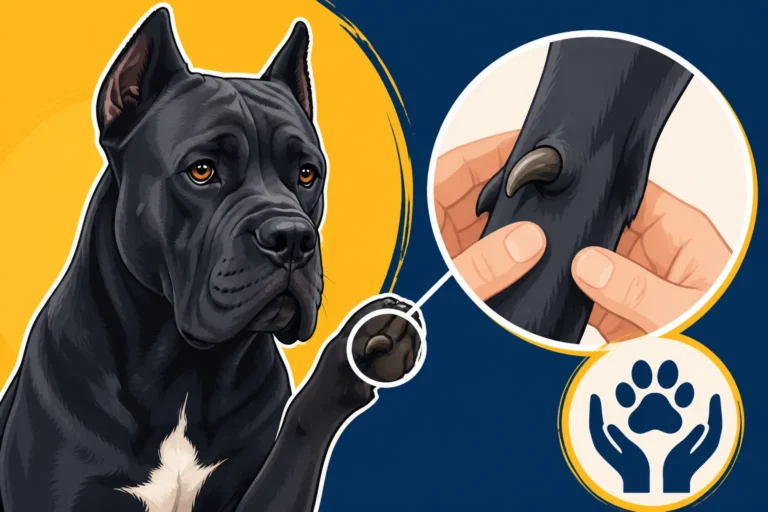
- Paws and Pads: Their paws take a lot of abuse, especially if they are active. Scrub between their paw pads and check for any debris. Rinse thoroughly, as shampoo residue here can cause irritation. After drying, consider applying a paw balm if their pads look dry or cracked. Cracked Pads on a Working Cane Corso are common, so good foot hygiene is essential.
- Under the Tail: This area can get surprisingly dirty. Lift the tail and gently wash the skin underneath, being thorough with rinsing.
Bathing a Cane Corso in a home shower is a big undertaking, but it’s absolutely doable. By preparing thoroughly, approaching each step methodically, and maintaining a positive attitude, you can ensure your Cane Corso stays clean, healthy, and happy – and you stay relatively sane! It's an investment in their well-being and a unique bonding experience.
Disclaimer
This article is for general informational purposes only and does not constitute professional advice. Laws, prices and regulations vary by location and change over time. Consult a qualified professional for guidance on your specific situation.