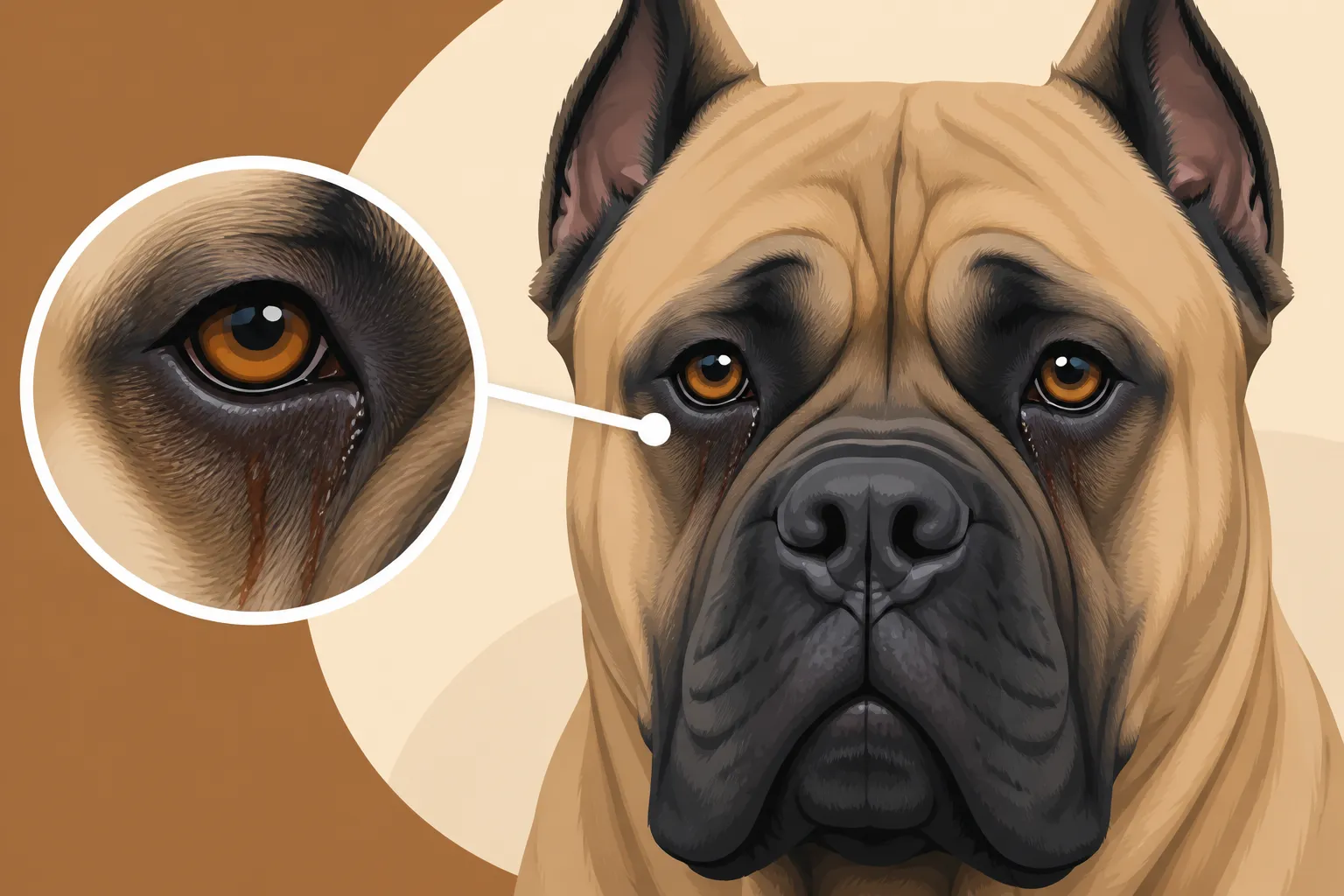
Tear Staining Under a Fawn Cane Corso’s Eyes
It's incredibly frustrating to wake up every morning and see those reddish-brown streaks marring the beautiful, expressive face of your fawn Cane Corso. You wipe, you clean, and yet, by lunchtime, they're back again, making your otherwise majestic dog look perpetually sad or dirty. This guide is here to unravel the mystery behind tear staining in fawn Cane Corsos and offer you some realistic, actionable strategies to manage it effectively, because you deserve to understand what's going on with your beloved companion.
Understanding the "Why" Behind Tear Staining in Fawn Cane Corsos
When you're dealing with tear staining, especially on a lighter-colored dog like a fawn Cane Corso, it often feels like an endless battle. It's not just a cosmetic issue; it can sometimes point to underlying discomfort for your dog. Let's break down why these stains seem to pick on our fawn-colored friends and what might be causing the excess moisture in the first place.
The Role of Pigmentation and Coat Color
First off, it's not that fawn Cane Corsos necessarily produce more tears than a black or brindle Corso. The phenomenon of tear staining is largely about visibility. The reddish-brown discoloration you see isn't actually the tear itself, but rather a byproduct of the yeast and bacteria that thrive in the constantly damp fur around the eyes. These microorganisms, combined with porphyrins—iron-containing waste products excreted in tears (and saliva, too!)—react with light-colored fur, causing that tell-tale rusty hue.
Imagine spilling a tiny drop of coffee on a white shirt versus a dark shirt. The stain is there on both, but it's glaringly obvious on the white fabric. The same principle applies here. On a deep black or dark brindle Cane Corso, tear stains might be present but are almost completely masked by their darker coat. Your fawn Corso, with its light, often delicate fur, simply acts like a giant billboard for these normal bodily excretions and the opportunistic microbes that love a damp environment. This doesn't mean your fawn Corso is "dirtier" or "unhealthier" than its darker counterparts; it just means the staining is more apparent, leading to more visible frustration for you.
Common Causes of Excessive Tearing (Epiphora)
Before you jump to conclusions about what's causing your fawn Cane Corso's watery eyes, it's helpful to understand that there are numerous culprits, ranging from genetic predispositions to environmental factors. The medical term for excessive tearing is epiphora, and identifying its root cause is the first step toward effective management.
One significant factor in breeds like the Cane Corso can be structural eye issues. Many Cane Corsos are prone to having somewhat The Loose Eyelids Nearly Every Cane Corso Owner Meets, which can lead to problems like entropion (eyelid rolling inward) or ectropion (eyelid rolling outward). With entropion, the eyelashes can constantly rub against the cornea, causing irritation, pain, and a constant flow of tears as the eye tries to flush out the irritant. Ectropion, on the other hand, creates a "pocket" where tears and debris can collect, leading to chronic dampness and secondary infections, both of which exacerbate staining. Sometimes, even a The Cherry Eye a Cane Corso Puppy Shows at Four Months can contribute to increased tearing by blocking normal tear drainage or causing irritation. These structural issues are often genetic and can manifest early in a puppy's life.
Beyond structural concerns, environmental irritants play a huge role. Dust, pollen, smoke from fireplaces or cigarettes, even certain strong cleaning products used in your home can act as allergens or irritants, causing your Cane Corso's eyes to water. Think about how your own eyes react to dust or smoke; your dog's eyes are just as sensitive. Food allergies or sensitivities are another common, yet often overlooked, cause. Just like people, dogs can have adverse reactions to certain proteins or ingredients in their diet, which can manifest as skin issues, ear infections, and yes, excessive tearing. An Elimination Diet for an Itchy Cane Corso can be a valuable tool to pinpoint dietary triggers.
Then there are blocked tear ducts, which are exactly what they sound like. The small ducts that normally drain tears from the eye into the nasal cavity can become clogged, leading to tears overflowing onto the face. Infections, both bacterial and yeast, thrive in moist environments and can further irritate the eye, leading to more tearing and deepening the stain color. Finally, sometimes it's as simple as an ingrown eyelash (distichiasis or ectopic cilia) irritating the eye, much like a tiny splinter, constantly prompting the eye to produce more tears to try and dislodge it. Each of these possibilities requires careful consideration and often, veterinary intervention, to properly diagnose and address.
Practical Strategies for Managing Tear Stains
Dealing with tear stains isn't about finding a one-time fix; it's about consistent care, attention to detail, and sometimes, a little detective work to uncover the root cause. This section will walk you through daily routines, when to seek professional help, and lifestyle adjustments that can make a real difference.
Daily Cleaning and Hygiene Routines
The most immediate and continuous line of defense against tear staining is a diligent daily cleaning regimen. This isn't just about aesthetics; it also prevents skin irritation and potential infections from developing in the constantly damp area. You want to gently cleanse the area around your fawn Cane Corso's eyes at least once, preferably twice, a day.
Start with a soft, clean cloth or a cotton pad dampened with warm water. Many owners find that distilled or filtered water works best, as tap water can contain minerals that might exacerbate staining. Gently wipe away any crusts or discharge, working from the inner corner of the eye outwards. Be exceedingly careful not to touch the eyeball itself, which can be easily scratched or irritated. Once the area is clean, the crucial next step is to dry it thoroughly. A clean, soft cloth or a fresh cotton pad patted gently will do the trick. Leaving the area damp is like inviting those staining bacteria and yeast to a party. For particularly stubborn stains or if you suspect a mild yeast component, there are many over-the-counter tear stain wipes and cleansers specifically formulated for dogs. Brands like TropiClean and Petpost offer gentle, effective solutions that you can easily find on Chewy or Amazon. Always check the ingredients list to ensure they are safe for use around the eyes and don't contain harsh chemicals that could cause irritation. Consistency is key here; even missing a day can set you back.
Addressing Underlying Health Issues
While daily cleaning can manage the visible stains, it's absolutely vital to address any underlying health issues causing the excessive tearing (epiphora) in the first place. If your Cane Corso's eyes are consistently watering, red, irritated, or if the staining is accompanied by pawing at the face, squinting, or a thick, colored discharge, it's time for a vet visit. Don't wait, as some conditions can become more serious if left untreated.
Your veterinarian will perform a thorough eye examination. This might include checking for foreign bodies, assessing eyelid structure for entropion or ectropion, and using a fluorescein stain to check for corneal abrasions or ulcers. They may also perform a Schirmer tear test to measure tear production, or attempt to flush the tear ducts to check for blockages. If a structural issue like severe entropion or ectropion is identified, surgical correction might be recommended to alleviate discomfort and reduce tearing. For example, Whether a Cane Corso's Entropion Returns After Surgery is a common concern, but often, a well-executed surgery provides lasting relief. If infections are suspected, your vet may prescribe topical or oral antibiotics or anti-fungal medications. For allergic reactions, identifying and removing the allergen is paramount, alongside potential antihistamines or anti-inflammatory drops. Remember, simply trying to bleach or "cure" the stain without addressing the root cause is like patching a leak without turning off the faucet.
Environmental and Dietary Adjustments
Sometimes, the solution to persistent tear staining can be found in small but significant adjustments to your Cane Corso's environment and diet. These changes can reduce irritants and support overall health, leading to less tearing.
First, consider the water your Cane Corso drinks. Tap water, especially if it's high in minerals or iron, can potentially contribute to the porphyrin load in tears, making stains worse. Switching to filtered or distilled water for drinking can sometimes make a noticeable difference over time. Ensure their water bowls are cleaned daily, ideally with stainless steel or ceramic bowls that are less prone to harboring bacteria than plastic. Similarly, keep their eating area clean. For dogs like Cane Corsos who are prone to bloat, many owners use raised bowls, but some studies suggest ground-level bowls may be better for reducing air intake during eating. Discuss this with your vet if you are concerned about bloat, as The Mealtime Habits That Turn a Cane Corso's Stomach are important to manage.
Next, reduce environmental irritants. Regularly vacuum and dust your home to minimize airborne particles. If you live in an area with high pollen counts, keeping windows closed during peak season and using an air purifier can help. Avoid smoking around your dog and be mindful of strong perfumes, air fresheners, or cleaning sprays. Some dogs are simply more sensitive to these things.
Dietary considerations are huge. As mentioned earlier, food sensitivities can trigger inflammatory responses, including excessive tearing. While many high-quality kibbles are excellent, some owners find success by switching to a limited ingredient diet or a fresh food diet. Brands like Ollie offer customized fresh meal plans that can help identify and eliminate potential allergens. Even if you stick with kibble, choosing a high-quality formula without artificial colors, flavors, or problematic fillers can be beneficial. Additionally, some supplements, like probiotics, can help support gut health, which in turn can bolster the immune system and potentially reduce inflammatory responses that contribute to tearing. Certain eye health supplements containing antioxidants might also be worth discussing with your vet.
Debunking Myths and Setting Realistic Expectations
It's easy to fall down a rabbit hole of remedies and promises when you're trying to tackle stubborn tear stains. The internet is awash with advice, some helpful, some utterly ineffective, and some even dangerous. Let's clear up some misconceptions and talk about what you can realistically expect.
The "Magic Cure" Fallacy
One of the biggest frustrations for Cane Corso owners dealing with tear stains is the constant search for that one "magic cure." You might see products advertised that promise to eliminate stains overnight, or hear old wives' tales about apple cider vinegar or hydrogen peroxide. Let me tell you, if a true magic cure existed, every fawn Cane Corso owner would know about it, and we wouldn't be having this conversation. The reality is far more nuanced.
Many products on the market, especially older formulations, contained antibiotics like Tylosin. While these can be effective in reducing the bacterial and yeast component of tear staining, the routine, low-dose use of antibiotics is highly discouraged by veterinarians. It contributes to antibiotic resistance, and it doesn't address the underlying reason for the excessive tearing. Furthermore, it's illegal in many places to sell products containing antibiotics without a prescription. Home remedies like applying hydrogen peroxide, bleach, or even cornstarch directly to your dog's face are incredibly risky. These substances can cause severe chemical burns, eye damage, or skin irritation. Always, always stick to products specifically designed and safety-tested for use around a dog's eyes. The journey to managing tear stains is less about finding a miracle and more about consistent, safe practices.
Long-Term Management and Prevention
Understanding that tear staining, especially in a fawn Cane Corso, is often a matter of long-term management rather than a one-and-done fix is crucial for setting realistic expectations and maintaining your sanity. Even if you address an underlying issue like entropion or a food allergy, the genetics of a light-colored coat mean that the stains will always be more visible than on a darker dog.
Think of it like brushing your teeth—you don't brush once and expect them to stay clean forever. It's an ongoing process. Your goal should be to minimize the staining and keep the skin under the eyes healthy and irritation-free. Regular, gentle daily cleaning, as discussed, is paramount. This consistent effort is your most powerful tool. Beyond that, regular veterinary check-ups are essential, especially for a breed like the Cane Corso with its predisposition to certain eye conditions. For example, The Yearly Eye Exam a Breeding Cane Corso Needs isn't just for breeders; it's a wise practice for any Cane Corso owner to catch potential issues early. Staying proactive about your dog's overall health, including their diet, hydration, and environmental exposure, will contribute significantly to managing tear stains. It’s about building a holistic approach to their well-being, where tear stain management is one piece of a larger picture of care.
Here’s a quick overview of potential causes and solutions for those persistent tear stains:
| Cause of Epiphora (Excessive Tearing) | Common Symptoms Beyond Stains | Potential Solutions |
|---|---|---|
| Structural Eye Issues | Redness, squinting, pain, discharge (thick/colored), pawing | Vet exam, possible surgery (entropion/ectropion), eye drops |
| Allergies | Itchy skin, ear infections, sneezing, pawing at face | Elimination diet, antihistamines (vet-prescribed), air purifiers |
| Environmental Irritants | Redness, pawing, discomfort (often sudden onset) | Identify and remove irritant (dust, smoke, chemicals), daily cleaning |
| Blocked Tear Ducts | Constant overflow, mild irritation | Vet exam, tear duct flush (under sedation) |
| Infections (Bacterial/Yeast) | Thick/colored discharge, odor, redness, discomfort | Vet exam, antibiotics/antifungals (topical/oral) |
| Dietary Factors | Loose stools, itchy skin, gas, poor coat | High-quality diet, filtered water, probiotics, elimination diet |
| Normal Porphyrin Excretion | No other symptoms, clear eyes, just the stain | Consistent daily cleaning, good hygiene, gentle stain removers |
The journey to a clean-faced fawn Cane Corso might feel like a long one, but with patience, diligence, and the right veterinary support, you can absolutely keep those tear stains in check and ensure your majestic companion is as comfortable as they are beautiful.
Disclaimer
This article is for general informational purposes only and does not constitute professional advice. Laws, prices and regulations vary by location and change over time. Consult a qualified professional for guidance on your specific situation.