The Cherry Eye a Cane Corso Puppy Shows at Four Months
One of the most unsettling things a new Cane Corso puppy owner can face is waking up to find a bright red, swollen mass suddenly protruding from their beloved pup's eye. It looks horrific, like something has popped out, and it immediately sends a wave of panic through you. This sudden appearance, often around the four-month mark, is likely what veterinarians call "cherry eye," and while it looks alarming, it's a common condition in our magnificent Cane Corsos that, thankfully, has effective solutions. This guide will walk you through understanding, identifying, and navigating the treatment for cherry eye, helping you feel prepared and empowered to help your furry friend.
Understanding Cherry Eye: What It Is and Why It Happens
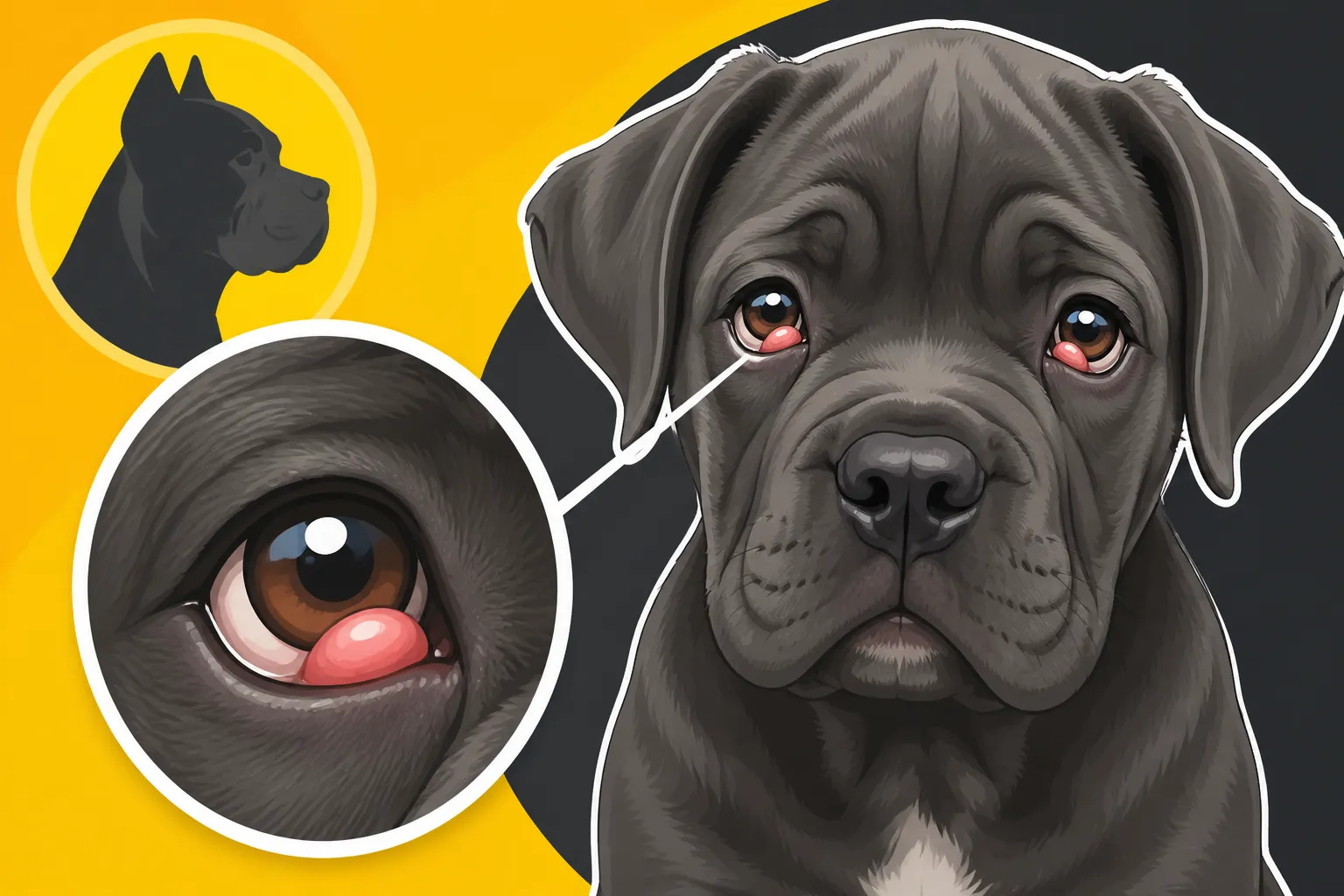
Cherry eye, medically known as nictitans gland prolapse, is a condition where the gland of the third eyelid pops out of its normal position. It’s one of those things that sounds worse than it is, but for a Cane Corso owner, it’s a jarring sight. Unlike us, dogs have a third eyelid, also called the nictitating membrane, tucked away in the inner corner of their eye. This eyelid isn't just a flap; it contains a crucial tear-producing gland responsible for a significant portion of the eye's moisture. When this gland prolapses, it typically looks like a small, red, fleshy mass—like a cherry—at the corner of the eye, hence the name.
The Anatomy of a Cane Corso's Third Eyelid
Imagine your Cane Corso’s eye as a finely tuned machine, and the third eyelid is a critical, often overlooked, component. This hidden eyelid plays a vital role in keeping their eyes lubricated and protected. It sweeps across the eye, removing debris and distributing tears. Crucially, within this eyelid lies the nictitans gland, producing a whopping 30-50% of the eye's aqueous tear film. This isn't just about comfort; it's essential for preventing dry eye, which can lead to more severe, painful conditions like corneal ulcers.
The gland itself is anchored by small ligaments that help hold it in place behind the third eyelid. In breeds like the Cane Corso, sometimes these ligaments aren't as strong or developed as they should be, making them inherently more prone to this gland popping out. It’s not a flaw in your dog, just a breed characteristic that comes with their unique conformation. Knowing this helps you understand that it’s not something you did wrong as an owner; it’s often an unfortunate roll of the genetic dice.
How the Gland Prolapses
The actual prolapse occurs when those delicate ligaments and connective tissues that normally hold the tear gland securely in place weaken or stretch. Once they give way, the gland is no longer held down and flips up and out, becoming visible as that distinctive red mass. Think of it like a spring that’s lost its tension; it just doesn’t hold things together anymore. This can happen suddenly, often seemingly out of nowhere, perhaps after a vigorous play session, a rough shake of the head, or even just waking up from a nap.
Once exposed, the gland can become inflamed, irritated, and even more swollen. It's not just an aesthetic issue; it can be quite uncomfortable for your puppy. The exposed gland is more susceptible to drying out and infection, which can further compound the problem and lead to more serious complications if left untreated. The sooner you address it, the better the chances for a straightforward resolution and preventing secondary issues.
Distinguishing Cherry Eye from Other Eye Conditions
When you see something red and alarming in your Cane Corso's eye, it’s natural to jump to conclusions, and there are several other eye conditions that can cause redness or irritation. Conjunctivitis, for instance, might make the whites of the eyes very red and inflamed, often accompanied by discharge, but you won't see that distinct "cherry" mass. Allergic reactions or irritants can also cause general redness and swelling around the eye, but again, the gland itself usually remains tucked away.
More serious conditions like trauma to the eye or foreign bodies can also cause acute pain, redness, and swelling. If you suspect any of these, especially if your dog is pawing at its eye or showing signs of severe pain, it's always best to consult your vet immediately. However, the hallmark of cherry eye is that specific, round, reddish protrusion from the inner corner of the eye, distinct from generalized redness or swelling of the eyelid itself. It's a very specific appearance that, once seen, is hard to mistake.
Why Four Months is a Common Time for Cane Corso Puppies
It often feels like these health issues appear out of the blue, but with cherry eye in Cane Corsos, there’s often a predictable window. Many owners report seeing it first manifest when their puppies are between three and six months old, with four months being a particularly common age. This isn't a coincidence; it aligns with significant developmental stages in these large, fast-growing breeds. Understanding this predisposition can help you be more vigilant during this critical period.
Genetic Predisposition in Molosser Breeds
Cane Corsos, like many other Molosser breeds such as Bulldogs, Beagles, and Mastiffs, have a known genetic predisposition to cherry eye. It’s part of their unique conformation. The structure of their orbits, the shape of their eyes, and the connective tissue around the third eyelid can all contribute to this weakness. It's simply built into some lines more than others. This is why when you're looking for a puppy, a responsible breeder will often disclose any history of cherry eye in their lines, even if it's not a disqualifying fault for breeding, as it helps future owners understand potential issues.
This breed-specific vulnerability means that while any dog can get cherry eye, a Cane Corso puppy has a higher statistical chance. It’s not a reflection of poor care, but rather an inherent characteristic that makes vigilance even more important for these powerful dogs. Knowing your dog's breed predispositions is a crucial part of responsible ownership, allowing you to be proactive rather than reactive.
The Role of Rapid Growth and Development
Think about how quickly a Cane Corso puppy grows! They go from tiny, cuddly bundles to imposing adolescents in a blink of an eye. This period of rapid growth, especially between three and six months, puts immense stress on all their developing tissues, including those delicate ligaments in the eye. As their head shape changes and their bones grow, the structures holding the third eyelid gland in place can be put under increased tension. This developmental surge can sometimes be the straw that breaks the camel's back, causing the weakened ligaments to finally give way.
Furthermore, during this stage, puppies are often at their most rambunctious. They’re exploring, playing rough, and generally being little bulldozers. All that head shaking, wrestling, and bumping around can also contribute to the prolapse, especially if the underlying genetic predisposition is already there. It's a perfect storm of genetic weakness meeting rapid physical development and puppy exuberance that often results in the sudden appearance of cherry eye.
Environmental Factors and Triggers
While genetics and growth are primary drivers, environmental factors can certainly play a role in triggering cherry eye. Any kind of irritation or trauma to the eye area can cause a puppy to rub or paw at their face, potentially exacerbating an already weakened ligament. This could be anything from dust or allergens in the air to a playful smack from another dog's paw. Even excessive excitement or strenuous activity that increases blood pressure in the head area could theoretically put enough strain on the gland to cause it to pop out.
However, it's vital to remember that these are usually triggers, not root causes. If your Cane Corso gets cherry eye, it's not because you didn't keep their environment pristine enough or because they played too hard. It's almost always due to that underlying genetic susceptibility, and the environmental factor just provides the final push. Don't beat yourself up thinking you caused it; focus on getting your dog the best care.
Spotting the Signs: Early Detection is Key
When you’re dealing with a breed as stoic as a Cane Corso, sometimes signs of discomfort can be subtle. However, cherry eye is one of those conditions that tends to announce itself quite dramatically. Still, knowing exactly what to look for, beyond the obvious red lump, can help you address it swiftly and prevent secondary issues. Early detection ensures your puppy gets the proper treatment before the exposed gland becomes more irritated or damaged.
What That Red Lump Really Looks Like
The most unmistakable sign of cherry eye is, of course, the distinctive red, round, fleshy mass in the inner corner of your Cane Corso's eye. It truly does resemble a small cherry or a pink bubble. It can vary in size, from quite small to surprisingly large, sometimes covering a significant portion of the eye. It's usually pinkish-red to bright red, depending on the level of inflammation and how long it's been prolapsed.
You'll notice it’s not part of the eyelid itself, but rather a separate structure that seems to have popped out from underneath. It often appears quite suddenly, one day your puppy’s fine, the next, there it is. The initial shock can be intense, but try to remain calm. It’s uncomfortable, but rarely an immediate emergency unless your dog is in severe pain or the eye appears visibly damaged. Don't try to push it back in yourself, as you could cause more harm than good.
Accompanying Symptoms You Might Miss
Beyond the obvious red lump, there are other, more subtle symptoms that can accompany cherry eye. You might notice an increase in tearing, as the exposed gland tries to overcompensate or as the eye tries to flush out irritation. Conversely, if the gland is damaged or severely prolapsed, tear production might actually decrease, leading to a dry, dull appearance of the eye. This is a serious concern, as chronic dry eye can lead to vision problems.
Your Cane Corso might also rub at their eye with a paw or against furniture, indicating discomfort or itchiness. You might also observe squinting or blinking more frequently than usual. The eye itself might appear red or inflamed, and there could be a discharge, which might be clear, watery, or, if infection has set in, thicker and yellowish. Pay close attention to these additional cues, as they provide important information for your veterinarian. Regular Daily Eye Care on a Cane Corso's Loose Lids can help you spot these changes faster.
When to Head to the Vet Immediately
While cherry eye isn't typically a life-threatening emergency, prompt veterinary attention is always recommended. The longer the gland is exposed, the more susceptible it becomes to drying out, inflammation, and potential infection. Ideally, you should get your Cane Corso puppy to the vet within 24-48 hours of noticing the prolapse. Don't wait for it to "go back in" on its own, as this rarely happens and prolonged exposure only complicates treatment.
If your Cane Corso puppy is showing signs of severe pain (whining, extreme pawing at the eye, lethargy), if the eye appears cloudy, if there's a thick, discolored discharge, or if the red mass looks dark or appears to be dying tissue, these are all signs that you need to get to an emergency vet immediately. These could indicate more serious complications, such as a corneal ulcer or severe infection, which require urgent intervention to save your dog’s sight and prevent further discomfort. Early intervention also reduces the risk of having to deal with Whether a Cane Corso's Cherry Eye Hits Both Sides, a common worry for owners.
Navigating Treatment Options for Your Cane Corso
Once your vet confirms it's cherry eye, you’ll be faced with treatment options. It’s easy to feel overwhelmed, but remember, the goal is to get that gland back where it belongs and functioning properly. For Cane Corsos, like most breeds, surgical correction is almost always the most effective and recommended course of action. Trying to avoid surgery often leads to frustration and prolongs the problem, potentially causing more damage in the long run.
The Ineffectiveness of Non-Surgical Approaches
It's natural to want to avoid surgery, especially for a young puppy. You might hear about various home remedies or conservative treatments, like massaging the gland or using topical anti-inflammatory drops. While some vets might prescribe anti-inflammatory drops initially to reduce swelling if surgery can't be done immediately, these are rarely a permanent solution. The underlying structural weakness that caused the prolapse in the first place is still there.
Attempting to massage the gland back in usually fails, and can even cause further irritation or trauma. Without addressing the loosened connective tissue, the gland will almost certainly prolapse again. Prolonged exposure of the gland without surgical correction can lead to chronic inflammation, reduced tear production (dry eye), and eventually permanent damage to the gland. This could leave your Cane Corso puppy needing lifelong tear supplements, which is a far more involved and expensive long-term commitment than a single surgery.
Surgical Tuck vs. Excision: Why Preservation Matters
When it comes to surgery, there are two primary approaches: tucking the gland back into its natural pocket and suturing it in place (often called the orbital tack or pocket technique), or, less commonly, excising (removing) the gland. For your Cane Corso, the gland tucking technique is overwhelmingly preferred. This procedure aims to reposition the gland and secure it, allowing it to continue producing tears. Preserving the gland is critical because it's responsible for a significant portion of your dog's tear production. Removing it can lead to permanent dry eye (Keratoconjunctivitis Sicca or KCS), a chronic and painful condition requiring daily medication for the rest of your dog's life.
The pocket technique, developed by Dr. Gelatt, is one of the most common and successful methods. It involves creating a small pocket within the third eyelid and tucking the gland inside, then suturing the tissue over it to hold it securely. This allows the gland to function normally, hidden from view. A specialized veterinary ophthalmologist might also offer variations like the orbital tack, which sutures the gland to the periosteum of the orbital rim. Both aim to save the gland, which is paramount for your Cane Corso's long-term eye health. Always discuss these options thoroughly with your vet or a veterinary ophthalmologist to understand the best approach for your specific puppy. This surgery is one of The Surgeries Every Cane Corso Owner Should Budget For, as it's common.
Finding the Right Veterinary Ophthalmologist
While your general practice veterinarian can often diagnose cherry eye, for the surgical repair, it's highly recommended to consult with a board-certified veterinary ophthalmologist. These specialists have advanced training and expertise specifically in animal eye conditions and surgeries. They have the most experience with these delicate procedures, which can significantly increase the success rate and reduce the chance of recurrence or complications.
You can ask your regular vet for a referral to a veterinary ophthalmologist in your area. While it might involve a trip to a specialty clinic, the investment is often worth it for the expertise and peace of mind. A skilled ophthalmologist will thoroughly examine your Cane Corso's eye, discuss the best surgical technique, and provide detailed post-operative care instructions. They can also advise on things like The Yearly Eye Exam a Breeding Cane Corso Needs and other genetic eye conditions that may impact your Cane Corso.
Here's a quick comparison of surgical approaches:
| Feature | Gland Tucking (Pocket/Orbital Tack) | Gland Excision (Removal) |
|---|---|---|
| Goal | Reposition and preserve tear gland | Remove prolapsed gland |
| Tear Production | Maintained (30-50% of total) | Significantly reduced/eliminated from that eye |
| Risk of Dry Eye (KCS) | Low | Very High (requires lifelong medication) |
| Recurrence Rate | ~5-20% (can vary by technique/surgeon skill) | 0% for that eye (but other eye can still prolapse) |
| Complexity | Requires delicate surgical skill | Simpler, but with severe long-term consequences |
| Recommendation | Highly Recommended (gold standard) | Strongly Discouraged (last resort) |
Life After Surgery: Recovery and What to Expect
The surgery itself is only part of the journey; proper post-operative care is crucial for a successful recovery and to prevent complications. Your Cane Corso puppy will need diligent attention from you during this period, and it's essential to follow your vet's instructions to the letter. Don't underestimate the importance of this phase, as inadequate care can undo the benefits of even the best surgery.
Immediate Post-Op Care at Home
When your Cane Corso puppy comes home after surgery, they’ll likely be groggy from anesthesia. They’ll usually have an Elizabethan collar (e-collar, or "cone of shame") to prevent them from rubbing or pawing at their surgical site, which is incredibly important for healing. They will need to wear this cone continuously for the duration recommended by your vet, usually 10-14 days. This might be frustrating for both of you, but it’s non-negotiable for proper healing.
You'll typically be sent home with a regimen of eye drops or ointments, usually an antibiotic and an anti-inflammatory, to be administered several times a day. Administering eye drops to a large, sometimes reluctant, puppy can be a challenge, but consistency is key. Your vet can show you the best technique. Keep your puppy calm and restrict their activity to prevent sutures from pulling or the gland from prolapsing again. Avoid rough play, jumping, or anything that puts strain on their head for a few weeks. A quiet, comfortable space to rest is essential.
Potential Complications and What to Watch For
While cherry eye surgery is generally successful, complications can arise. The most common is recurrence, where the gland prolapses again. This can happen if the sutures fail, if the underlying tissue is still too weak, or if your puppy is particularly rambunctious during recovery. If you see that red mass reappear, contact your vet immediately. Another potential complication is infection at the surgical site, which you might notice as increased redness, swelling, discharge, or if your puppy seems more painful.
Less common, but more serious, complications include corneal ulcers if the e-collar rubs the eye or if the gland causes irritation, or even permanent dry eye if the gland was somehow damaged during surgery or if it wasn't successfully preserved. Keep a close eye on your Cane Corso's general demeanor, appetite, and any changes in the appearance of their eye. Don't hesitate to call your vet if you have any concerns at all, no matter how small they seem. It's always better to be overly cautious when it comes to your dog's eyes.
Dealing with Recurrence and the Other Eye
It's a tough pill to swallow when cherry eye recurs, but it does happen. If it does, don't despair. Sometimes a second surgery is needed, perhaps using a different technique or by a more specialized ophthalmologist. It doesn't mean the first surgery was a failure, but rather that your Cane Corso's individual anatomy or healing process was more challenging. Often, a second procedure has a higher success rate because the surgeon can assess why the first one failed and adjust accordingly.
Furthermore, it’s not uncommon for cherry eye to affect both eyes, either simultaneously or, more often, at different times. If one eye has prolapsed, the chances are higher that the other eye will eventually develop the same condition due to the shared genetic predisposition. So, even after one surgery, remain vigilant about the other eye. Regular check-ups and being aware of the subtle signs can help you catch it early if it happens. Consider getting pet insurance like Healthy Paws, as it can help cover these unexpected medical costs, especially if your Cane Corso needs Two Eyelid Surgeries Cost on One Cane Corso or has issues in both eyes.
Long-Term Management and Preventing Future Issues
Even after successful surgery, thinking about long-term eye health for your Cane Corso is important. While you can't completely prevent all future eye issues, especially with breed predispositions like The Loose Eyelids Nearly Every Cane Corso Owner Meets, there are steps you can take to minimize risks and maintain overall well-being. This includes ongoing care and understanding the genetic implications for your specific dog.
Ongoing Eye Health for Your Cane Corso
After your Cane Corso has fully recovered from cherry eye surgery, continue with good general eye care practices. Regularly check their eyes for any signs of redness, discharge, or irritation. Keep the area around their eyes clean, especially if they have facial wrinkles or a tendency for their eyes to water. Use a soft, damp cloth to gently wipe away any buildup. You may find that Daily Eye Care on a Cane Corso's Loose Lids becomes a routine part of your daily interactions.
While the surgery aims to restore normal tear production, some dogs, particularly those who had severe or prolonged cherry eye, may still have slightly reduced tear function. Your vet might recommend a Schirmer Tear Test during routine check-ups to monitor tear production and ensure your dog isn't developing dry eye over time. If they do, early intervention with lubricating drops can prevent more serious problems. It’s all about consistent, proactive care.
Considerations for Breeding and Genetic Implications
If your Cane Corso puppy developed cherry eye, it’s important to consider the genetic component, especially if you had plans for breeding. While not usually a life-threatening condition, cherry eye is considered an inherited defect in many breeds, including Cane Corsos. A responsible breeder will typically remove dogs with a history of cherry eye from their breeding program to avoid passing on the predisposition.
If you purchased your Cane Corso from a reputable breeder, inform them about the cherry eye. They may appreciate the feedback to help them make informed breeding decisions for future litters and to better understand their own lines. For a pet-only Cane Corso, this isn't a concern, but for those considering breeding, understanding and testing for genetic predispositions is vital for the health of the breed. Discussing this with your vet or a veterinary ophthalmologist can provide more tailored advice regarding your specific dog.
Financial Planning for Eye Health
Let's be real, owning a Cane Corso isn't cheap, and unexpected vet bills can really hit hard. Cherry eye surgery, especially if performed by a specialist, can range from $500 to $2,000 or more per eye, depending on your location and the complexity of the case. This doesn't even account for initial vet visits, diagnostics, or post-operative medications. If recurrence happens, or if the other eye prolapses, those costs double.
This is where pet insurance can be an absolute lifesaver. Companies like Healthy Paws offer coverage for unexpected illnesses and accidents, which often includes cherry eye surgery. If you enroll your Cane Corso puppy early, before any symptoms appear, you're more likely to have the condition covered. Keep in mind that most policies have waiting periods and pre-existing conditions clauses, so doing your research and enrolling early is crucial. Review your options for Monthly Pet Insurance Premiums on a Cane Corso and see what kind of coverage makes sense for your family. Planning ahead for potential health issues, especially in a breed with known predispositions, can provide invaluable peace of mind. Without insurance, it's wise to have an emergency fund specifically for your dog's health needs, because while you hope for the best, it’s always best to be prepared for the worst. It’s also worth looking into What a Cane Corso Policy Pays on Hip Surgery to get a general understanding of coverage for common breed issues.
Disclaimer
The information provided in this article is for educational purposes only and is not a substitute for professional veterinary advice. Always consult with a qualified veterinarian or veterinary ophthalmologist for any health concerns or before making any decisions about your Cane Corso's medical care.