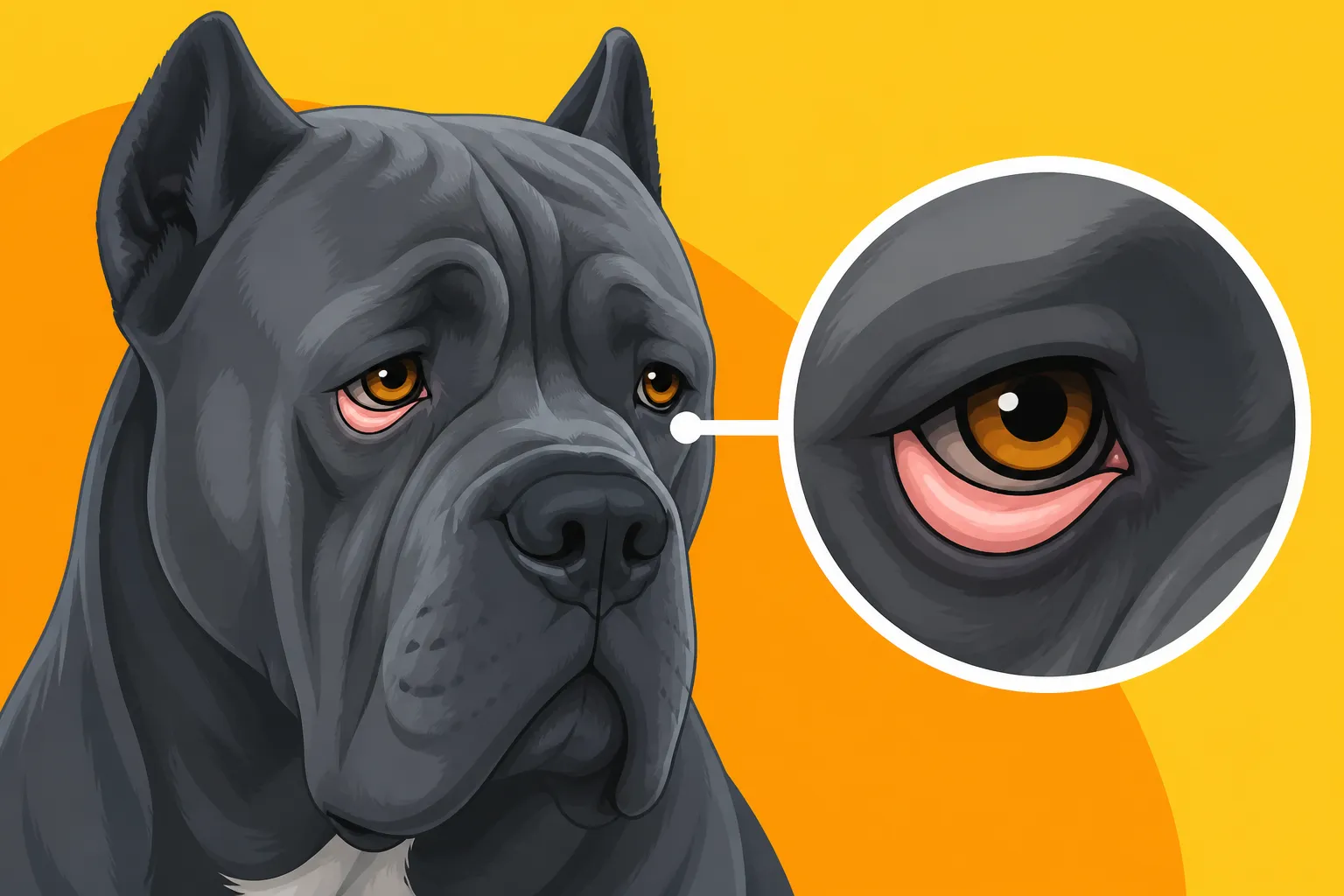
The Sagging Lower Lid on a Cane Corso
There's nothing quite as striking as a Cane Corso's powerful gaze, but for many owners, that majestic look can be accompanied by a subtle yet persistent concern: those slightly droopy, sagging lower eyelids. It's a common characteristic in the breed, often dismissed as just part of their charm, but the reality is that these loose lids can lead to a host of uncomfortable, even painful, eye issues. This guide will walk you through what's really happening with your Cane Corso's sagging lower lids, why it's more than just a cosmetic quirk, and how you can best manage and prevent the problems that come with it.
Understanding Ectropion in Cane Corsos
It's easy to look at a Cane Corso's expressive face and just see a bit of extra skin, but when that extra skin affects the eyelids, it moves beyond aesthetics into the realm of health. The condition often associated with sagging lower lids is called ectropion, and it's something every Cane Corso owner should understand.
What is Ectropion?
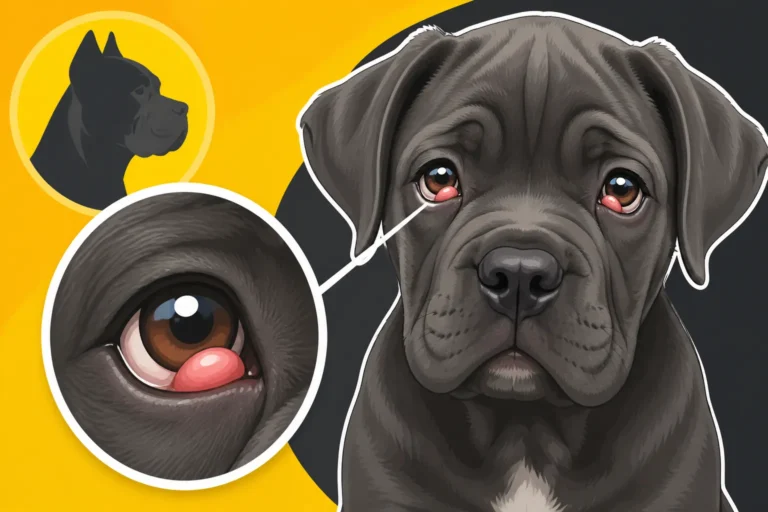
Ectropion is a medical term for an eyelid that rolls outward or sags away from the eyeball. Instead of the lower lid resting snugly against the eye, protecting it and helping spread tears, it droops, exposing the delicate pink conjunctiva underneath. You might notice this as a visible "pocket" or gap between the lower lid and the eye itself. Think of it like a shirt collar that's too loose and just hangs open, rather than sitting neatly against the neck.
In breeds like the Cane Corso, with their ample skin and specific head conformation, ectropion isn't uncommon. While some degree of laxity in the lower lid might be considered characteristic, a truly ectropic lid fails to do its job of keeping the eye moist and protected. This constant exposure is the root of many subsequent problems, as the eye is no longer shielded from irritants or able to properly distribute tears across its surface.
Why Are Cane Corsos Prone to Sagging Lids?
The very features that define the Cane Corso's majestic appearance also contribute to their predisposition for sagging eyelids. This is a breed celebrated for its powerful build and distinctive head, which often includes a fair amount of loose skin around the face and muzzle. This excess skin, combined with specific facial bone structure, means that the lower eyelids can simply hang more loosely than in other breeds. It's part of the Molosser heritage, where a certain amount of "leather" or loose skin is traditional.
Beyond the general breed characteristics, genetics play a significant role. Ectropion is often inherited, meaning if a Cane Corso's parents or grandparents had pronounced ectropion, there's a higher chance their offspring will too. Reputable breeders strive to minimize such predispositions through careful selection and health clearances. If you're considering adding a Cane Corso to your family, it’s always wise to ask a breeder about the eye health history of their breeding stock and whether they perform tests like OFA Eye (CAER) clearances. For more on ensuring your future puppy comes from a healthy lineage, you might want to read about The Yearly Eye Exam a Breeding Cane Corso Needs.
Differentiating Normal Slack vs. Problematic Sag
Here’s where it gets a little tricky for owners. A small amount of visible conjunctiva in a Cane Corso might be considered within the breed's normal range. It’s important to understand that not every Cane Corso with slightly loose lids requires intervention. The key is to distinguish between a natural, acceptable slack and a sag that is genuinely problematic for the dog's health and comfort.
A "normal" amount of slack often means you can see a tiny sliver of the pink lower lid, especially when the dog is looking down or is relaxed. However, if the lid sags significantly, exposing a large portion of the conjunctiva, creating a noticeable gap, or allowing debris to easily enter the eye, then it's likely problematic ectropion. Signs like constant tearing, redness, frequent blinking, or your dog pawing at their eyes are definite indicators that the situation is more than just cosmetic. If you find yourself constantly wiping away discharge or noticing redness that doesn't go away, it's time to investigate further, because even mild ectropion can quickly escalate into discomfort for your loyal companion.
Common Issues Arising from Sagging Lower Lids
While a little droop might look endearing, the truth is that sagging lower lids can seriously compromise your Cane Corso's eye health. These issues often build upon each other, turning a minor anatomical quirk into a persistent source of discomfort and potential health risks.
Chronic Eye Irritation and Dryness
One of the most immediate consequences of ectropion is chronic irritation. When the lower lid sags, it can no longer form a tight seal against the eyeball. This leaves the delicate surface of the eye, particularly the conjunctiva (the pink membrane lining the inside of the eyelids), exposed to the elements. Dust, dirt, grass seeds, pollen, and even strong winds can easily get into the eye, acting like tiny sandpaper particles rubbing against a sensitive surface. Imagine trying to walk around all day with something constantly in your eye – it's incredibly annoying and uncomfortable.
Furthermore, the eyelids play a crucial role in distributing the tear film evenly across the eye with every blink. A sagging lid can't perform this function effectively, leading to uneven tear distribution and dry spots on the cornea. This dryness, combined with constant exposure to irritants, can result in persistent redness, inflammation, and discomfort. Your Cane Corso might squint more often, or you might notice them rubbing their face against furniture or pawing at their eyes, trying to relieve the sensation.
Increased Risk of Infections
The exposed conjunctiva isn't just prone to irritation; it's also an open invitation for bacteria. The moist, warm environment of an exposed eyelid pocket creates an ideal breeding ground for opportunistic pathogens. This significantly increases your Cane Corso's risk of developing recurrent eye infections, such as conjunctivitis.
You'll recognize an infection by symptoms beyond just redness: thick, yellowish or greenish discharge, a foul odor, swelling of the eyelids, and your dog's obvious discomfort. These infections can be stubborn, often requiring multiple rounds of antibiotics or medicated eye drops. The cycle can be frustrating for owners, as the underlying ectropion often means that even after an infection clears, the anatomical issue remains, making recurrence likely. This constant battle against infection can be taxing on both you and your dog. Chronic eye infections can also be a sign that the loose lids are causing bigger problems, as detailed in How Loose Lids Give a Cane Corso Chronic Eye Infections.
Tear Staining and Aesthetic Concerns
Beyond the serious health implications, sagging lower lids often lead to an aesthetic concern that many Cane Corso owners are all too familiar with: tear staining. While tear staining can occur for various reasons, ectropion exacerbates it because tears simply spill out of the exposed lid instead of draining properly through the tear ducts.
These overflow tears, rich in porphyrins (iron-containing molecules), can cause reddish-brown stains to accumulate in the fur directly below the eye. On lighter-colored Cane Corsos, this staining can be quite prominent and unsightly. It’s not just about looks, though. Constant moisture in the fur can also lead to skin irritation or yeast infections in the folds, creating a reddish-brown, sometimes smelly, crust. While many owners see tear staining as purely a cosmetic issue, its presence is often a red flag that the eyes aren't draining correctly and are prone to irritation and infection. It requires diligent cleaning and management to prevent secondary problems and keep your Cane Corso looking and feeling their best.
Diagnosing and Managing Ectropion
Discovering your Cane Corso has ectropion can be concerning, but thankfully, there are clear steps to diagnose and manage the condition. Early intervention and a good relationship with your veterinarian are key to ensuring your dog's comfort and eye health.
When to See Your Veterinarian
It’s crucial to know when to move beyond simply observing your Cane Corso’s eyes and make that appointment with your vet. While some degree of loose lid might be considered breed-typical, any sign of discomfort or persistent issues warrants a professional evaluation. You should definitely schedule a vet visit if you notice:
- Persistent Redness: If the white of your dog's eye (sclera) or the pink lining of the lid (conjunctiva) is consistently red and inflamed.
- Excessive Tearing or Discharge: More than just a little morning sleepy dust. Look for constant wetness, watery tears spilling down the face, or thick, colored discharge (yellow, green, or even dark brown).
- Squinting or Pawing: If your Cane Corso is frequently squinting, blinking excessively, or pawing at their eyes, it's a clear sign of discomfort.
- Visible Foreign Objects: If you can see debris (like a piece of grass, dirt, or hair) caught in the exposed lid.
- Changes in Vision: Although rare, severe irritation or chronic issues could eventually impact vision.
- Odor: A persistent, unpleasant smell around the eyes.
Don't wait for things to get severe. A quick check-up can often address problems before they become chronic or painful. Your regular vet can perform an initial assessment, and if needed, may refer you to a veterinary ophthalmologist, a specialist in eye health.
Non-Surgical Management Options
For mild cases of ectropion, or as a temporary measure before surgery, your veterinarian might suggest non-surgical management. The goal here is to alleviate symptoms and prevent secondary infections, not to "cure" the underlying anatomical issue.
- Regular Cleaning: Gentle daily cleaning around the eyes with a sterile saline solution or a vet-approved eye wash can help remove irritants and prevent tear staining buildup. This is a commitment, as consistency is key.
- Lubricating Eye Drops: Over-the-counter or prescription lubricating eye drops (artificial tears) can help keep the exposed eye surface moist and prevent dryness, reducing irritation. These are generally given multiple times a day.
- Topical Medications: If there's an active infection (like conjunctivitis), your vet will prescribe antibiotic eye drops or ointment. For inflammation, anti-inflammatory drops might be used. Remember, these treat the symptoms of ectropion, not the structural cause.
It's important to understand that these conservative approaches require consistent effort on your part and might not fully resolve the discomfort if the ectropion is moderate to severe. They are typically best for managing very mild cases or preparing for surgical correction. Always consult your vet before using any new eye drops or cleaning solutions, as some over-the-counter products can actually worsen irritation.
Surgical Correction: Ectropion Repair
When ectropion causes significant discomfort, chronic irritation, or recurrent infections, surgical correction often becomes the most effective and humane long-term solution. This procedure is generally called blepharoplasty, which refers to plastic surgery of the eyelid. The goal of ectropion repair is to reshape and tighten the sagging lower lid so that it sits correctly against the eyeball, restoring its protective function.
The surgery typically involves carefully removing a small wedge of tissue from the affected eyelid, then stitching the remaining edges together to tighten the lid and reposition it. The procedure requires precision and an experienced hand, as the goal is to achieve a functional and aesthetically pleasing result without over-correcting, which could lead to entropion (the lid rolling inward).
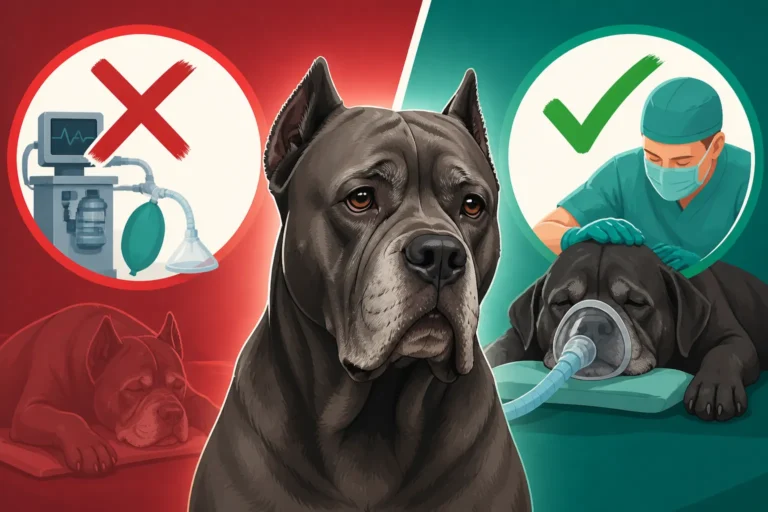
Recovery involves a period of post-operative care, including Elizabethan collars to prevent the dog from scratching the stitches, pain medication, and sometimes antibiotic eye drops. Most dogs recover well, and the results can dramatically improve their quality of life, eliminating chronic irritation and reducing infection risks. For deep-chested breeds like the Cane Corso, anesthesia always carries a slightly elevated risk, so a thorough pre-surgical workup is essential. The expertise of a board-certified veterinary ophthalmologist is highly recommended for these delicate procedures to ensure the best possible outcome. While the cost can be a concern, it's often a worthwhile investment for your dog's comfort. You can find more information about similar procedures in articles like Entropion Surgery Prices for a Cane Corso and Whether a Cane Corso's Entropion Returns After Surgery, which discuss eyelid surgeries in general.
Long-Term Care and Prevention
Once you’ve addressed your Cane Corso's sagging lower lids, either through careful management or surgical correction, the journey isn't over. Long-term care and proactive prevention are crucial to maintaining their eye health and ensuring their comfort for years to come.
Daily Eye Hygiene Practices
Even after surgery, or especially if you're managing mild ectropion non-surgically, a consistent daily eye hygiene routine is paramount. Think of it as part of their regular grooming, just like brushing their coat or checking their ears.
Every day, take a moment to gently examine your Cane Corso's eyes. Look for any redness, excessive tearing, or discharge. If you see any buildup or crust, use a soft, damp cloth or a vet-approved eye wipe to carefully clean the area around the eyes. Always wipe away from the eye, from the inner corner outwards, to avoid pushing debris into the eye. A sterile saline solution can also be used to flush the eye gently if you suspect irritants are present. For dogs prone to tear staining, specific anti-staining wipes can help, but addressing the underlying cause is always best. Protecting your Cane Corso's eyes from extreme weather, like strong winds or dusty environments, can also minimize irritation.
Choosing a Reputable Breeder
Perhaps the most impactful "prevention" strategy is one you undertake long before your Cane Corso puppy comes home. Since ectropion can have a genetic component, choosing a reputable breeder who prioritizes health and screens their breeding stock is critical. A good breeder will be transparent about the health history of their dogs and will actively work to minimize the incidence of inherited conditions like ectropion.
They should provide proof of health clearances, such as OFA Eye (CAER) certifications for the parents. These certifications indicate that a veterinary ophthalmologist has examined the breeding dogs and found no evidence of hereditary eye diseases. A breeder who focuses on these screenings is demonstrating a commitment to the long-term health of the breed, not just superficial appearance. Don't be shy about asking direct questions about eye health in their lines, and always ask to see the parents. While no guarantee is absolute, responsible breeding significantly reduces the risk of your puppy developing severe ectropion or other inherited conditions. For more on the initial investment in a healthy puppy, consider exploring What a Cane Corso Puppy Sells For in 2026.
Financial Considerations for Eye Care
Let's be realistic: managing any ongoing health issue in a large breed dog like a Cane Corso can become financially demanding. Eye care, especially if surgery is involved, is no exception. Initial vet visits and diagnostic tests can add up, and if your Cane Corso needs daily eye drops or recurring medication for infections, those costs become part of your regular budget.
Surgical correction for ectropion can range from a few hundred to a couple of thousand dollars, depending on the severity, your location, and whether you opt for a specialist. This cost typically includes the surgery itself, anesthesia, pre-operative bloodwork, and post-operative care and medications. It's a significant investment, but one that can greatly improve your dog's comfort and prevent future, more costly complications.
This is where pet insurance can be a real lifesaver. Companies like Healthy Paws offer coverage for unexpected illnesses and injuries, which can include conditions like ectropion that require surgery or ongoing medical management. Enrolling your Cane Corso in a pet insurance plan early can help mitigate the financial burden of these treatments. Be sure to understand what conditions are covered and if there are any waiting periods or exclusions for pre-existing conditions. Researching options like Monthly Pet Insurance Premiums on a Cane Corso can give you a better idea of what to expect. Planning for these potential costs is just another part of responsible Cane Corso ownership.
Living with a Cane Corso with Ectropion
Having a Cane Corso with ectropion means making a few adjustments and staying vigilant, but it doesn't mean your dog can't live a full, happy life. It's all about proactive care and understanding their specific needs.
Adapting Your Home Environment
Making small changes to your home environment can have a big impact on your Cane Corso's comfort if they have sagging lower lids. The goal is to minimize exposure to irritants that could worsen their eye condition.
Consider things like air quality in your home. If you live in an older house or one prone to dust, regular vacuuming and dusting, perhaps with a HEPA filter vacuum, can reduce airborne particles. Avoid using strong chemical cleaners or air fresheners near your dog, as the fumes can be irritating. If your Cane Corso spends time outdoors, ensure they have access to shaded, protected areas, especially on windy days. Strong gusts can dry out exposed eyes and blow in debris. If they enjoy car rides with their head out the window, consider investing in dog goggles to protect their eyes, or keep the window only partially open. Simple steps like these can go a long way in preventing unnecessary irritation and keeping those precious eyes comfortable.
Supporting Your Cane Corso's Comfort
Beyond environmental adjustments, actively supporting your Cane Corso's overall comfort is essential. This means being highly observant of their behavior and advocating for their needs with your veterinarian.
Regular vet check-ups are important, even if the ectropion is managed. Your vet can monitor for any worsening symptoms, check for early signs of infection, or assess the effectiveness of any ongoing treatments. Pay close attention to subtle cues from your dog – are they rubbing their face more than usual? Are they less enthusiastic about certain activities? Sometimes, even mild, chronic discomfort can subtly impact a dog's mood and energy levels. Ensure they have comfortable, clean bedding, and if they're particularly bothered by light, make sure they have a dim, quiet space to relax. By being attuned to your Cane Corso, you can catch issues early and work with your vet to maintain their quality of life. Exploring other health concerns like What a Cane Corso's First Seizure Actually Looks Like can also help you be a more observant owner of a large breed with specific health considerations.
Dispelling Myths About "Loose Lids"
There's a persistent misconception, particularly within certain breed communities, that extremely loose, droopy eyelids are a desirable trait or a sign of a "true" Molosser. This belief often stems from historical aesthetics rather than a focus on health and function. It's time to dispel this myth. While a certain degree of facial "leather" is characteristic of the Cane Corso, excessive sagging that compromises eye health is never desirable.
A healthy eyelid functions to protect the eye. When the lid sags so much that the conjunctiva is constantly exposed, it's a structural fault, not a badge of honor. As responsible Cane Corso owners, we need to prioritize the well-being of our dogs over outdated or misinformed aesthetic preferences. Educating others and supporting breeders who aim for moderate, functional eyelids is crucial for the future health of the breed. We want our Cane Corsos to look magnificent, yes, but more importantly, we want them to be comfortable, healthy, and free from preventable suffering. Understanding canine health conditions like The Heart Muscle Disease Behind a Cane Corso's Cardiac Test also underscores the importance of functional health over exaggerated aesthetics in breeding.
Cane Corso Ectropion: Symptoms Comparison
To help you better understand and identify the severity of ectropion in your Cane Corso, here's a quick comparison of symptoms for mild versus more severe cases. This table should help you determine when it's just a bit of breed-typical laxity versus when it's time for a vet visit.
| Symptom / Characteristic | Mild Ectropion (Acceptable Slack) | Moderate to Severe Ectropion (Problematic Sag) |
|---|---|---|
| Visible Conjunctiva | A slight sliver, especially when looking down or relaxed. | Large area of pink lining openly exposed. Noticeable gap between lid and eye. |
| Tearing | Minimal to occasional normal tearing. | Frequent, excessive tearing that spills down the face (epiphora). |
| Eye Discharge | Clear, minimal "sleepy dust" in mornings. | Thick, mucus-like, yellowish, or greenish discharge. Frequent crusting. |
| Redness/Inflammation | Typically absent or very mild/transient. | Persistent redness of conjunctiva and surrounding skin. Swelling of lids. |
| Comfort Level | No apparent discomfort, normal activity. | Frequent squinting, blinking, pawing at eyes, rubbing face. |
| Risk of Infection | Low, if kept clean. | High risk of recurrent conjunctivitis and other eye infections. |
| Tear Staining | Absent or very minimal. | Pronounced reddish-brown staining on fur below the eye. |
| Impact on Vision | None. | Rarely direct, but chronic pain/irritation can impact alertness. |
Disclaimer
The information provided in this article is for general informational purposes only and is not intended as a substitute for professional veterinary advice. Always consult with a qualified veterinarian or veterinary ophthalmologist for any health concerns or before making any decisions about your Cane Corso's health or treatment plan.