The Bald Patches a Cane Corso Puppy Develops
It's incredibly unsettling when your robust Cane Corso puppy, who just weeks ago was a fluffy ball of energy, suddenly starts showing bald patches. You might feel a pang of worry, wondering if it's something serious, contagious, or simply a puppy phase. This guide is here to walk you through the common reasons a Cane Corso puppy develops hair loss, how to get to the bottom of it, and the best ways to restore your pup's magnificent coat and comfort.
Common Causes of Bald Patches in Cane Corso Puppies
When you first notice those thinning spots or outright bald patches on your Cane Corso puppy, your mind can race through a hundred possibilities. It's a common issue with puppies, especially those with such dense coats, and often points to a few usual suspects. Understanding these can help you describe the situation accurately to your vet and get to a diagnosis faster.
Demodectic Mange Puppy Mange
One of the most frequent culprits behind bald patches in Cane Corso puppies is demodectic mange, often affectionately (or not so affectionately) called "puppy mange." This isn't your typical contagious scabies; it's caused by tiny mites, Demodex canis, that live naturally in the hair follicles of almost all dogs. Puppies acquire these mites from their mothers during nursing, and usually, their immune systems keep the mite population in check. However, in some puppies, particularly those with immature or temporarily suppressed immune systems, the mites multiply uncontrollably, leading to hair loss.
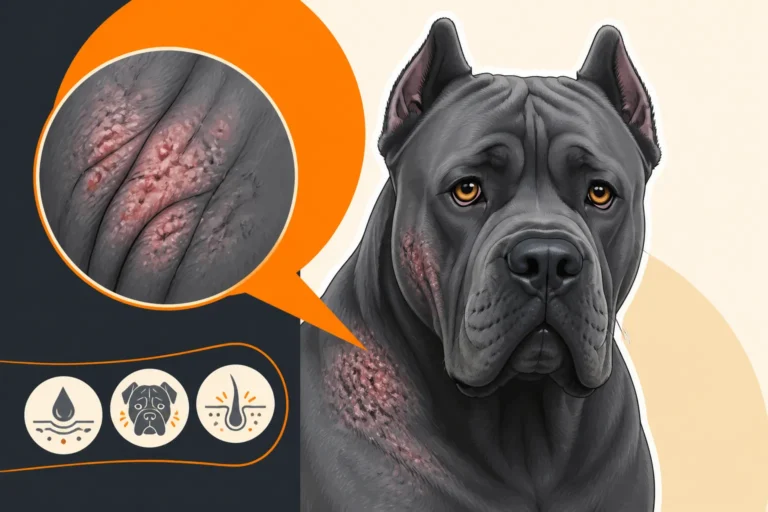
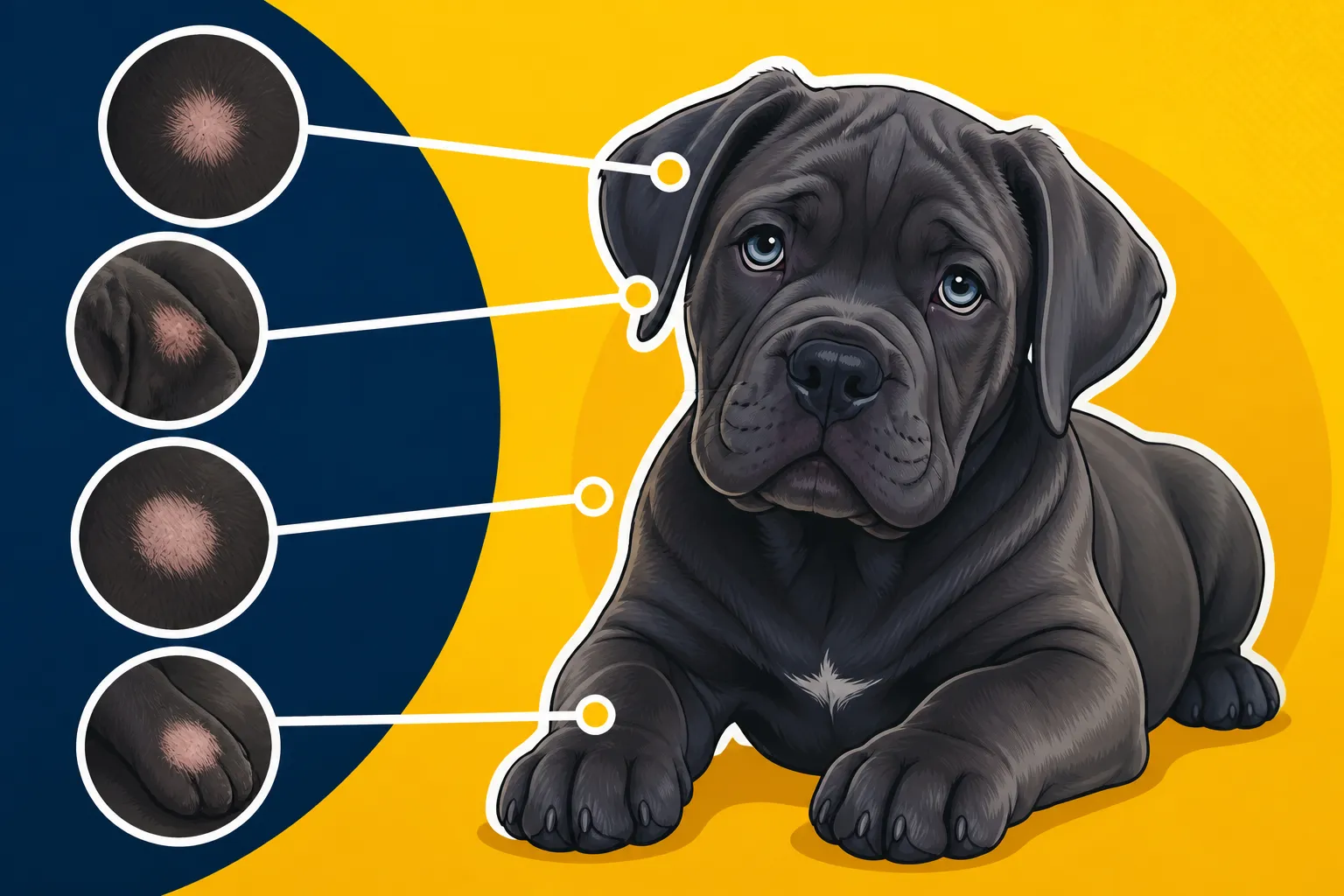
The bald patches associated with demodectic mange usually appear around the face, especially around the eyes and mouth, and on the front legs or feet. You might also notice them on the body. The skin in these areas can look red, scaly, and sometimes a bit thickened. What's interesting, and sometimes misleading, is that it's often not intensely itchy, unlike other forms of mange. If your Cane Corso puppy has Demodectic Mange on a Young Cane Corso, it's a sign that their immune system is still finding its footing, and it's something many young pups simply grow out of with a little help.
While localized demodectic mange is quite common and often self-resolving, there are cases where it becomes generalized, meaning it spreads over larger areas of the body. This more severe form can indicate a deeper immune system issue and requires more aggressive veterinary intervention. It’s important not to just shrug off any baldness, especially if it’s spreading or becoming inflamed, as it signals a need for professional assessment to prevent secondary infections and ensure your puppy's well-being.
Fungal Infections Ringworm
Another common cause for those worrying bald spots is a fungal infection, most notably ringworm. Despite its misleading name, ringworm isn't caused by a worm at all, but by a group of fungi called dermatophytes. These fungi thrive on keratin, the protein found in skin, hair, and nails, and can be highly contagious, spreading easily between animals and even to humans. If your Cane Corso puppy has been to a breeder's kennel, a dog park, or even just had contact with another infected animal, it's a possibility.
Ringworm lesions on a Cane Corso puppy often present as circular, bald patches with red, scaly, and sometimes crusty borders. The center of the lesion might appear clear or slightly scaly. These patches can be itchy, leading your puppy to scratch or chew at them, which can then spread the infection to other areas of their body. You might see these lesions on any part of the body, but they are frequently found on the head, ears, paws, and limbs. The fact that it's contagious is a big reason to get it checked out promptly, not just for your puppy's health but for the health of other pets and family members.
Diagnosing ringworm can sometimes be a little tricky because it can mimic other skin conditions. Vets often use a Wood's lamp (UV light) to check for a characteristic glow, though not all strains of ringworm fluoresce. A fungal culture, where hair and skin scrapings are grown in a special medium, is the most definitive way to confirm a diagnosis. Early and accurate diagnosis is crucial for effective treatment and preventing its spread through your household.
Allergic Reactions and Irritants
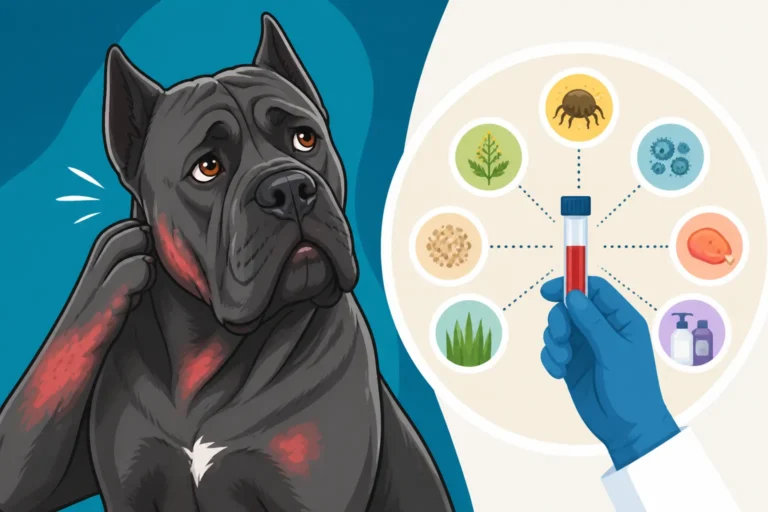
Just like people, Cane Corso puppies can suffer from allergies, and one of the most visible signs often manifests as skin issues, including bald patches. Allergic reactions can be triggered by a wide array of environmental factors like pollen, dust mites, or molds (atopy), certain ingredients in their food (food allergies), or even contact with specific substances like certain cleaning products or bedding materials (contact dermatitis). When a puppy is allergic, their immune system overreacts, leading to inflammation, itching, and often excessive scratching, licking, or chewing, which then causes hair loss and bald spots.
The pattern of hair loss from allergies can be quite varied. It often starts with intense itching, and the baldness is a secondary consequence of the puppy self-traumatizing their skin. You might see generalized thinning, or localized patches where they've been particularly persistent with scratching. The skin itself might appear red, inflamed, or even develop secondary bacterial or yeast infections due to the constant irritation. A common scenario might be a puppy incessantly licking its paws, leading to red, inflamed, and bald areas between the toes, or rubbing its face against furniture, causing thinning around the eyes and muzzle. If your puppy has Skin Allergies That Flare on a Cane Corso, it can be a lifelong management journey.
Identifying the specific allergen can be a long process, often involving careful observation of when and where the symptoms occur, dietary changes (like An Elimination Diet for an Itchy Cane Corso), or sometimes even allergy testing. It's a frustrating journey for many owners, as pinpointing the exact trigger is rarely straightforward. But patience and working closely with your vet are key to managing your Cane Corso's comfort and preventing chronic skin damage that leads to persistent hair loss.
Diagnosing the Root Cause of Hair Loss
Once you've noticed those troubling bald patches, the next, and most crucial, step is to figure out exactly what's causing them. Guessing can lead to ineffective treatments and prolonged discomfort for your puppy. A thorough veterinary examination and diagnostic testing are indispensable in getting to the bottom of the issue, ensuring your Cane Corso puppy gets the right care.
When to See the Vet
You should absolutely make an appointment to see your veterinarian as soon as you notice any persistent or spreading bald patches on your Cane Corso puppy. While some minor irritation might resolve on its own, hair loss is usually a clear signal that something isn't right. Don't fall into the trap of "waiting to see if it gets better" because many causes of puppy hair loss, if left untreated, can worsen, become more painful, or even lead to secondary infections that are much harder to clear up.
Beyond the bald patches themselves, look for other accompanying symptoms. Is your puppy excessively scratching, licking, or chewing at the affected areas? Is the skin red, inflamed, crusty, or does it have an unusual odor? Is your puppy acting lethargic, losing appetite, or showing any other signs of illness? These additional clues are important for your vet. Even if your puppy seems perfectly fine otherwise, the baldness itself warrants a vet visit. Remember, early intervention can save your puppy from unnecessary suffering and you from more expensive, complicated treatments down the line. How Often a Healthy Cane Corso Sees the Vet might be a good baseline for general health, but specific symptoms like this always call for an extra trip.
Diagnostic Tests Your Vet Might Perform
When you bring your Cane Corso puppy in for hair loss, your veterinarian will start with a thorough physical examination. They’ll look closely at the affected areas, checking for patterns, skin texture, inflammation, and any parasites. Beyond this initial visual assessment, several diagnostic tests are commonly performed to pinpoint the cause.
Here are some typical tests:
| Test Type | What it Involves | What it Detects |
|---|---|---|
| Skin Scrape | Gentle scraping of skin surface for microscopic exam | Demodex mites, other surface parasites |
| Fungal Culture | Plucking hair/skin for growth on special media | Ringworm (dermatophytes) |
| Wood's Lamp Exam | UV light shone on skin | Certain strains of ringworm (fluorescence) |
| Trichogram | Microscopic examination of plucked hairs | Broken hairs, abnormal hair growth, mite eggs |
| Cytology | Swabbing affected skin for microscopic exam | Yeast or bacterial infections (secondary invaders) |
| Bloodwork | Blood sample taken | Underlying systemic issues, allergies (less common for puppies) |
A skin scrape is often the first line of defense, especially when suspecting mange. It's a quick, relatively non-invasive procedure where the vet gently scrapes the skin with a blade to collect superficial skin cells and debris, which are then examined under a microscope. This is how Demodex mites are typically identified. For suspected ringworm, a fungal culture is usually necessary, as the Wood's lamp test isn't always conclusive. Your vet might also perform a cytology to check for secondary bacterial or yeast infections, which often complicate primary skin issues. These tests help your vet move from general symptoms to a precise diagnosis, ensuring the treatment targets the actual problem.
Differentiating Between Similar Conditions
One of the biggest challenges in diagnosing bald patches in Cane Corso puppies is that several conditions can look remarkably similar. For instance, early stages of demodectic mange, ringworm, and even some allergic reactions can all present as circular, scaly, bald spots. This is why a professional diagnosis, rather than self-diagnosis, is absolutely critical. Your vet has the expertise to interpret the subtle differences and utilize the right diagnostic tools to differentiate them.
Consider the itch factor: demodectic mange, particularly the localized form, often isn't very itchy, while ringworm and allergies typically cause significant pruritus (itching). The location of the patches can also offer clues; demodex frequently starts on the face and feet, whereas allergies might be more generalized or localized to areas a puppy can easily lick or scratch, such as the belly or flanks. The way the skin feels—is it greasy, dry, thickened, or bumpy?—provides further information. If your Cane Corso puppy's immune system isn't robust, What Generalized Demodex Says About a Cane Corso's Immunity might also be a factor in how these conditions present and resolve.
Furthermore, it's not uncommon for a Cane Corso puppy to have more than one issue at play. For example, a puppy with allergies might scratch so much that they develop a secondary bacterial skin infection, or a puppy with demodectic mange might also be susceptible to a mild fungal infection. This layering of conditions underscores why a comprehensive vet visit is essential. Your vet will piece together all the information from your observations, their physical exam, and diagnostic tests to create a complete picture and an effective treatment plan.
Effective Treatment Strategies for Cane Corso Puppies
Once your veterinarian has pinpointed the cause of your Cane Corso puppy's bald patches, the next step is implementing the right treatment. The good news is that most causes of puppy hair loss are highly treatable, and with consistent care, your pup's coat can return to its glorious full state. However, understanding the specific approach for each condition is key to a successful outcome.
Treating Demodectic Mange
Treating demodectic mange in a Cane Corso puppy largely depends on whether it's localized or generalized. For localized puppy mange, which often appears as a few small bald patches and isn't usually itchy, veterinarians might recommend a "wait and see" approach, as many puppies outgrow it as their immune systems mature. However, monitoring is crucial to ensure it doesn't spread. If treatment is needed for localized cases, or for any generalized cases, it's typically more active.
Common treatments involve topical medications, such as medicated shampoos or dips containing ingredients like benzoyl peroxide to flush follicles and amitraz (though less common now due to side effects), or newer oral medications. Oral medications, such as isoxazolines (e.g., Bravecto, NexGard, Simparica, Credelio), have revolutionized mange treatment due to their effectiveness and ease of administration. Your vet will prescribe the most appropriate medication, which might need to be given for several weeks or even months to ensure all mites are eradicated. It's important to complete the full course of treatment, even if the patches seem to be clearing up, to prevent recurrence. This is especially true given that The Age a Cane Corso Outgrows Puppy Mange can vary.
During treatment, it's also important to address any secondary bacterial skin infections, which are common companions to demodectic mange. Your vet might prescribe antibiotics, either oral or topical, to clear these up. Supportive care, including good nutrition and a stress-free environment, also plays a role in helping your puppy's immune system recover. Regular follow-up skin scrapes are essential to confirm that the mites are gone before discontinuing treatment. For chronic or generalized cases, a blood panel might be recommended to assess for any underlying health issues that could compromise the immune system.
Tackling Fungal Infections
Treating fungal infections like ringworm in a Cane Corso puppy requires a multi-pronged approach because the fungi can be persistent and highly contagious. Your vet will likely prescribe a combination of topical and oral antifungal medications. Topical treatments might include medicated shampoos, rinses, or ointments containing ingredients like miconazole or ketoconazole, which are applied directly to the affected skin. These help kill the fungi on the surface and reduce shedding of infected spores.
Oral antifungal medications, such as griseofulvin, itraconazole, or fluconazole, are often necessary for more widespread or stubborn cases, or if the puppy is passing the infection to other animals or people in the household. These medications work systemically to clear the infection from within the body. It’s crucial to administer these medications exactly as prescribed and for the full duration, which can sometimes be several weeks or even months, even if the visible lesions have disappeared. Stopping too soon can lead to a relapse.
Beyond direct medication, environmental decontamination is paramount to prevent reinfection and spread. Ringworm spores can survive in the environment for a long time. Thoroughly clean and disinfect all areas your Cane Corso puppy frequents, including bedding, toys, crates, and floors. Washing bedding in hot water and using a diluted bleach solution (1:10 bleach to water) on hard surfaces can help. Regular vacuuming and disposing of vacuum bags are also important. Wearing gloves when handling an infected puppy can help prevent transmission to yourself.
Managing Allergies and Irritants
Managing bald patches caused by allergies or irritants in a Cane Corso puppy is often a longer-term strategy focused on identifying and minimizing exposure to the triggers, as well as symptomatic relief. If the cause is contact dermatitis, identifying and removing the offending irritant (e.g., a specific cleaning product, bedding material, or plant) is the first and most effective step. This often requires a bit of detective work on your part.
For environmental allergies (atopy) or food allergies, the approach is more complex. Food allergies require a strict An Elimination Diet for an Itchy Cane Corso to identify the culprit protein. This involves feeding a novel protein or hydrolyzed protein diet for 8-12 weeks, with no other treats or foods, and then carefully reintroducing ingredients to see what causes a flare-up. Environmental allergies might be managed with medications to control itching and inflammation, such as antihistamines, corticosteroids, or newer immune-modulating drugs like Apoquel or Cytopoint. Fatty acid supplements, particularly omega-3s, can also help improve skin barrier function and reduce inflammation. If your puppy starts showing Skin Allergies That Flare on a Cane Corso, it can be a frustrating cycle to break.
The goal is to provide relief from the incessant itching that leads to hair loss and secondary infections. Regular bathing with a soothing, hypoallergenic shampoo can also help remove allergens from the coat and provide temporary relief. For chronic allergy sufferers, sometimes a referral to a veterinary dermatologist is beneficial. They can perform allergy testing (like intradermal skin testing or blood tests) to identify specific environmental allergens and discuss desensitization therapy (allergy shots), which can be a game-changer for long-term management. Consistent, patient management is key to helping your Cane Corso puppy live comfortably with allergies.
Preventing Future Bald Patches and Promoting Healthy Skin
Once you’ve successfully treated your Cane Corso puppy’s bald patches, the focus shifts to prevention. A proactive approach to skin and coat health, combined with a strong immune system, is your best defense against future issues. This isn't just about avoiding recurrence; it's about setting your Cane Corso up for a lifetime of vibrant health and a gorgeous, resilient coat.
Nutritional Support for Skin and Coat Health
A healthy, lustrous coat and robust skin start from within, and nutrition plays an absolutely vital role in preventing bald patches. A high-quality diet provides all the essential nutrients your Cane Corso puppy needs to grow, thrive, and maintain healthy skin and hair follicles. Look for puppy foods specifically formulated for large breeds, as these often have appropriate calcium-to-phosphorus ratios and controlled growth rates that benefit overall health, including skin development. Avoid generic or low-quality foods with excessive fillers or artificial ingredients, as these can sometimes contribute to sensitivities or a dull coat.
Beyond the core diet, certain supplements can significantly boost skin and coat health. Omega-3 and omega-6 fatty acids are crucial. Fish oil, rich in EPA and DHA, is a popular choice and has anti-inflammatory properties that can soothe irritated skin and promote a healthy, shiny coat. You might want to explore Whether Fish Oil Settles a Cane Corso's Itchy Skin. Biotin, zinc, and vitamins A and E are also important for skin integrity and hair growth. However, always consult your veterinarian before adding any supplements to your puppy’s diet, as too much of a good thing can sometimes be detrimental, especially with a growing Cane Corso. They can help you determine if your puppy needs The Protein a Growing Cane Corso Should Not Exceed adjusted or other specific nutrients.
Remember that sudden dietary changes can sometimes upset a sensitive digestive system, which can indirectly impact skin health. If you are switching your puppy's food, do so gradually over several days to a week. Ensuring constant access to fresh, clean water is also fundamental, as hydration is critical for healthy skin elasticity and overall bodily functions. A well-nourished Cane Corso puppy is better equipped to fight off infections and maintain a healthy coat.
The Importance of a Clean Environment
A clean living environment is fundamental in preventing skin issues and bald patches, especially for a Cane Corso puppy whose immune system is still developing. Regular cleaning helps reduce the presence of allergens, parasites, and fungal spores that can trigger skin problems. Think about all the places your puppy spends time: their crate, bedding, toys, and even the floors where they play. All these areas can harbor irritants.
For bedding, aim for frequent washing in hot water with a mild, unscented detergent. If your puppy has a history of fungal infections, adding a small amount of bleach (if safe for the fabric) or a veterinary-approved disinfectant can be beneficial. Regularly vacuuming carpets and mopping hard floors helps remove dust mites, pollen, and shed dander that can act as allergens. Pay special attention to corners and under furniture where these microscopic irritants tend to accumulate. A clean environment means fewer potential triggers for Skin Allergies That Flare on a Cane Corso and less exposure to the spores that cause ringworm.
Consider the materials your puppy comes into contact with. Choose bedding made from natural, breathable fibers and avoid harsh cleaning chemicals that could leave residues on floors or toys. Even the type of food bowl matters – stainless steel bowls are often recommended over plastic because they are easier to keep clean and are less likely to harbor bacteria or cause contact allergies. By meticulously maintaining your Cane Corso puppy's surroundings, you create a healthier, less reactive environment for their delicate skin to thrive.
Proactive Parasite Control and Management
Parasites are a significant threat to a Cane Corso puppy's skin health and can directly cause bald patches, as seen with Demodex mites. A robust and consistent parasite control program is therefore non-negotiable for prevention. This includes regular treatment for fleas, ticks, and other external parasites. Even if you don't see fleas, a single bite can trigger a severe allergic reaction in sensitive puppies, leading to intense itching and subsequent hair loss.
Talk to your veterinarian about the best flea and tick prevention products for your Cane Corso puppy's age, weight, and lifestyle. There are many effective options available, including oral medications, topical treatments, and collars. Consistency is key; these products typically need to be administered monthly or every few months, without fail, to maintain protection. Don't skip doses, even in colder months, as parasites can still be present. This also ties into their general health and The Shot Schedule Before a Cane Corso Puppy Goes Out.
Beyond fleas and ticks, remember the Demodex mites that cause puppy mange. While these mites are naturally present, a strong immune system usually keeps them in check. However, if your Cane Corso puppy has had a bout of demodectic mange, ensuring their overall health and minimizing stress can help prevent recurrence. Some of the newer oral flea/tick medications also have efficacy against Demodex mites, providing an extra layer of protection. Regular vet check-ups, including Yearly Bloodwork on an Adult Cane Corso as they get older, can also help monitor for any underlying conditions that might compromise their immune response to parasites. Proactive parasite management isn't just about avoiding a nuisance; it's about safeguarding your puppy's skin and overall well-being.
Long-Term Outlook for Cane Corso Puppies with Hair Loss
Understanding the long-term outlook for a Cane Corso puppy that has experienced bald patches can ease anxieties and help you prepare for continued care. While most cases resolve completely with proper treatment, some conditions may require ongoing management or indicate deeper health considerations. It’s important to remember that every puppy is an individual, and their journey with skin health can vary.
Understanding Recurrence and Chronic Issues
For many Cane Corso puppies, a single episode of bald patches, particularly from localized demodectic mange or a mild ringworm infection, is a one-off event. Once treated effectively, their hair grows back, and they go on to live a life with a full, healthy coat. This is often the case with "puppy mange" as their immune system matures and learns to keep the Demodex mites in check. However, for certain conditions, the possibility of recurrence or developing into a chronic issue needs to be acknowledged.
Generalized demodectic mange, for example, can sometimes indicate an underlying immune deficiency or a genetic predisposition. If a puppy experiences repeated bouts of generalized demodex, it might warrant further investigation into their immune health. Similarly, environmental allergies are often chronic conditions. While symptoms can be managed, the underlying allergic tendency typically remains for life. This means that a Cane Corso with allergies may experience flare-ups throughout their life, requiring continuous management, especially if Skin Allergies That Flare on a Cane Corso become a regular occurrence.
The key to navigating recurrence or chronic issues is proactive communication with your veterinarian. Maintaining good hygiene, consistent parasite prevention, and a high-quality diet (as discussed previously) are all crucial steps in minimizing the chances of relapse. If your puppy has a history of a specific skin condition, being vigilant for the early signs of recurrence can allow for swift intervention, preventing minor issues from escalating into major problems.
The Role of Genetics and Immunity
Genetics and the strength of a Cane Corso puppy's immune system play a significant role in their susceptibility to skin conditions and their ability to recover from them. For instance, while Demodex mites are present on all dogs, it's often puppies with a temporary or inherited immune system weakness that develop demodectic mange. If there's a history of generalized demodectic mange in a particular bloodline, it might suggest a genetic predisposition. This is why responsible breeders focus on Reading a Cane Corso's DNA Results Before You Buy and carefully select breeding pairs.
Similarly, certain genetic factors can make a Cane Corso more prone to developing allergies. Some breeds are simply more predisposed to atopy, and while Cane Corsos aren't traditionally at the top of that list, individual lines can certainly carry sensitivities. When considering a puppy, asking about the health history of the parents, especially regarding skin issues, can offer valuable insights. While you can't change genetics, understanding your puppy's potential predispositions can help you implement more targeted preventive care and monitoring.
A strong, healthy immune system is your Cane Corso puppy's best defense against many skin ailments. Factors like good nutrition, a low-stress environment, appropriate vaccination schedules, and regular veterinary care all contribute to robust immune function. Conditions that stress the immune system, such as poor diet, other illnesses, or chronic stress, can potentially make a puppy more vulnerable to skin problems. Being mindful of What Generalized Demodex Says About a Cane Corso's Immunity is paramount for these larger breeds.
When to Consider Advanced Diagnostics
For the vast majority of Cane Corso puppies experiencing bald patches, routine veterinary diagnostics and treatments are sufficient to achieve a full recovery. However, in persistent, severe, or recurrent cases where initial treatments haven't yielded results, or if there are concerns about underlying systemic health issues, your veterinarian might recommend advanced diagnostics. These deeper investigations aim to uncover less common causes or more complex immune system dysfunctions.
Advanced diagnostics could include skin biopsies, where a small tissue sample is taken and sent to a specialized veterinary pathologist for microscopic examination. This can help identify inflammatory patterns, specific immune cell infiltrates, or unusual pathogens that might not be detected by routine scrapes or cultures. In cases of suspected severe allergies or autoimmune skin diseases, specialized blood tests for various autoantibodies or more comprehensive allergy panels might be considered. For a deeper dive into overall health, The Two DNA Diseases in Cane Corso Pedigrees might also be something to consider testing for in particularly problematic cases if other avenues are exhausted.
Sometimes, if an underlying systemic illness is suspected to be compromising the immune system and contributing to chronic skin issues, your vet might recommend more extensive bloodwork, imaging (like X-rays or ultrasound), or even a referral to a veterinary internal medicine specialist or dermatologist. While these advanced steps are not usually necessary for typical puppy baldness, they are invaluable tools for those rare, challenging cases where a definitive diagnosis has been elusive. Collaborating closely with your vet and being open to these options demonstrates your commitment to your Cane Corso puppy's long-term health and well-being.
Disclaimer
This article is for general informational purposes only and does not constitute professional advice. Laws, prices and regulations vary by location and change over time. Consult a qualified professional for guidance on your specific situation.