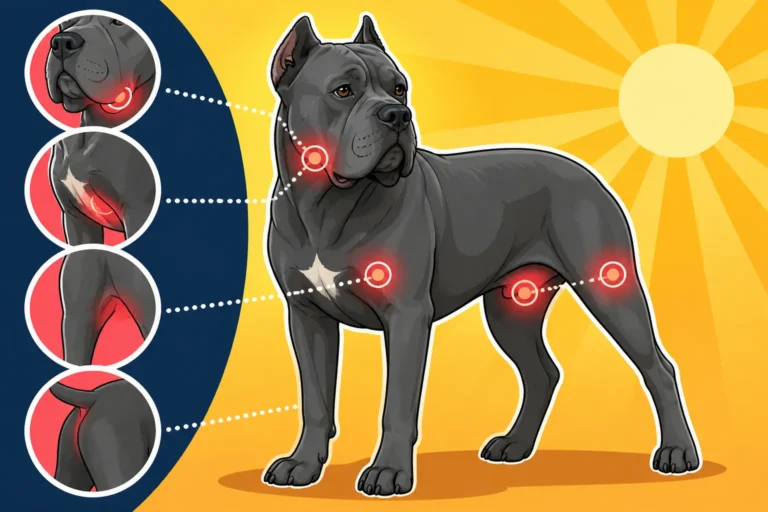
The Two DNA Diseases in Cane Corso Pedigrees
The crushing anxiety that washes over you when your beloved Cane Corso starts showing unusual symptoms, knowing that a genetic lottery might be at play, is a heavy burden many owners face. It's a cruel reality that even with the best care, our powerful companions can carry hidden genetic predispositions. This guide aims to peel back the layers of confusion surrounding the two most critical DNA diseases identified in Cane Corso pedigrees, offering a clear understanding of what they are, how they manifest, and how responsible breeding practices are striving to mitigate their impact.
The Silent Threat of Genetic Conditions in Cane Corsos
Bringing a Cane Corso into your home is an immense commitment, and part of that commitment involves understanding their unique health landscape. Unlike a sudden injury or an environmental illness, genetic conditions are silent threats, woven into the very fabric of a dog's being. They can emerge unexpectedly, often years after you’ve fallen head over heels for your puppy, turning your world upside down. This makes them particularly heartbreaking for owners, who often feel helpless against something predetermined.
The Breeder's Responsibility and the Owner's Worry
For prospective Cane Corso owners, the sheer weight of responsibility can feel overwhelming. You pore over pedigrees, ask endless questions of breeders, and try to make the "right" choice, hoping to bring home a healthy companion who will live out their full lifespan. Despite all due diligence, the worry remains: what if something is lurking in their genetic code? This concern is entirely valid, as even the most dedicated breeders can unintentionally propagate these conditions if they aren't fully utilizing available DNA testing. It’s a complex dance between historical bloodlines, desired traits, and the imperative to produce healthy, sound dogs. The best breeders are transparent, willing to share health clearances and explain their breeding philosophies in detail. They understand that a puppy's health today is a reflection of generations of careful (or sometimes careless) choices.
Why DNA Testing Is Paramount
In the past, breeders relied solely on physical examinations, X-rays, and the unfortunate trial-and-error of seeing genetic diseases manifest in offspring. Today, thanks to incredible advancements in canine genetics, we have powerful tools at our disposal: DNA tests. These tests can identify carriers of specific genetic diseases, even if the parent dog shows no symptoms themselves. This is a game-changer because it allows breeders to make informed decisions, preventing the pairing of two carriers that could result in affected puppies. For conditions that are autosomal recessive, a dog can carry one copy of the faulty gene and be perfectly healthy, but if bred to another carrier, there's a 25% chance with each puppy that they will inherit two copies and be affected. Understanding this mechanism is vital, and it’s why DNA testing isn’t just an optional extra for breeders – it’s an ethical imperative that directly impacts the future health of the breed. It helps ensure that new Cane Corso owners aren't blindsided by devastating, preventable diseases.
Understanding Neuronal Ceroid Lipofuscinosis NCL
One of the most devastating genetic conditions that can affect Cane Corsos is Neuronal Ceroid Lipofuscinosis, often abbreviated as NCL. This is a progressive neurological disorder that can turn a vibrant, active Cane Corso into a shadow of its former self, causing immense suffering for both the dog and its family. The diagnosis of NCL is a gut-wrenching moment, as there is currently no cure, and treatment focuses on supportive care.
What NCL Does to a Cane Corso
NCL is a lysosomal storage disease, meaning there's a defect in the dog's cellular machinery that normally breaks down waste products. In dogs with NCL, these waste materials accumulate in the neurons (nerve cells) throughout the brain and nervous system. Imagine your brain's waste disposal system slowly clogging up; over time, these accumulated substances become toxic, leading to the progressive degeneration and death of brain cells. This process manifests as a wide range of neurological symptoms. Initially, you might notice subtle changes in temperament or coordination, but as the disease progresses, these symptoms become more severe and debilitating.
This isn't just a minor inconvenience; NCL systematically erodes a dog's cognitive and motor functions. A once intelligent and agile Cane Corso might become confused, disoriented, or exhibit strange behaviors. They might struggle with balance, bumping into furniture or finding stairs difficult to navigate. The impact is profound, affecting every aspect of their daily life and their ability to interact with their environment and their human family. The disease invariably leads to a severely compromised quality of life.
Recognizing the Early Signs and Progression
The tricky thing about NCL is its insidious onset. The first signs are often subtle and can easily be mistaken for normal puppy clumsiness, behavioral quirks, or even other, less severe conditions. Typically, symptoms begin to appear between 1 to 2 years of age, though they can sometimes manifest earlier or later. You might observe a slight change in gait, perhaps a mild unsteadiness or an awkwardness in their movements that wasn't there before. Behavioral changes are also common; a normally confident Cane Corso might become anxious, timid, or show signs of aggression or irrational fear.
As the disease progresses, the symptoms become more pronounced and undeniable. Vision impairment, leading to blindness, is a common feature, making navigation even harder for your dog. Seizures can begin, and these are particularly distressing to witness in a large, powerful breed. If you've ever held a hundred pound Cane Corso through a seizure, you know the terror and helplessness involved. Fine motor skills deteriorate, and your dog might have difficulty eating or drinking, leading to weight loss. Eventually, the neurological decline becomes so severe that affected dogs lose their ability to walk, stand, or even control their bodily functions. Understanding what starts failing in a Cane Corso after eight might be relevant to general senior decline, but NCL strikes much earlier and with a far more aggressive neurological impact.
The Genetic Basis and Testing Process
NCL in Cane Corsos is inherited in an autosomal recessive pattern. This means a dog must inherit two copies of the defective gene – one from each parent – to develop the disease. Dogs that inherit only one copy are considered "carriers." They don't show any symptoms of the disease themselves, but they can pass the gene on to their offspring. This is precisely why DNA testing is so crucial for breeders. Without testing, a breeder might unknowingly pair two healthy carriers, and with each breeding, 25% of the puppies would be affected, 50% would be carriers, and 25% would be clear.
Thankfully, there are reliable DNA tests available to identify whether a Cane Corso is clear, a carrier, or affected by NCL. Reputable genetic testing laboratories, such as Embark Veterinary or Canine Health Check (part of Neogen), offer panels that include NCL testing. The process is usually straightforward: a cheek swab or blood sample is collected by a veterinarian and sent to the lab. The results clearly indicate the dog's genetic status. This allows breeders to make informed decisions about pairings, ensuring that two NCL carriers are never bred together, thus preventing the birth of affected puppies. For anyone considering buying a Cane Corso puppy, always ask to see the NCL clearance results for both parents. This transparent approach, where a breeder readily provides results and explains what a Cane Corso CHIC Number actually certifies, is a hallmark of responsible breeding.
Navigating Degenerative Myelopathy DM
Another significant genetic concern for Cane Corsos, particularly given their size and working structure, is Degenerative Myelopathy (DM). While perhaps not as rapidly devastating as NCL in its initial stages, DM is a progressive and ultimately debilitating neurological condition that causes immense distress as dogs slowly lose the use of their hind limbs and, eventually, their entire body.
How DM Impacts Mobility and Quality of Life
Degenerative Myelopathy is a progressive disease of the spinal cord in older dogs. It's often compared to Amyotrophic Lateral Sclerosis (ALS) or Lou Gehrig's disease in humans. What happens is the white matter of the spinal cord, which carries nerve signals, begins to degenerate. This breakdown prevents communication between the brain and the limbs, leading to a gradual loss of coordination and strength, especially in the hindquarters. For a powerful, active breed like the Cane Corso, this loss of mobility is heartbreaking to witness. Their entire identity is often tied to their strength and movement, and DM slowly strips that away.
The disease profoundly impacts a dog's quality of life. Simple actions like walking, standing up, or even maintaining balance become increasingly difficult. As the disease progresses, dogs might struggle with incontinence because they lose control over their bladder and bowel functions. Imagine being trapped in a body that no longer obeys your commands, unable to move or relieve yourself independently. This isn't just physical suffering; it takes an emotional toll on the dog, often leading to frustration, anxiety, and a loss of their innate joy as their world shrinks to what they can manage from a prone position. For owners, the challenge of helping an old Cane Corso off the floor becomes a daily struggle, and the emotional burden is immense.
Clinical Signs and Diagnosis Challenges
The clinical signs of DM usually begin subtly, often in middle-aged to older dogs, typically between 8 and 14 years of age. Owners might first notice a slight dragging of the back feet, particularly on hard surfaces, leading to scuffed nails. There might be an unsteadiness in their gait, a wobbly appearance, or difficulty when trying to get up from a lying position. Sometimes, the initial limping seems to shift from one hind leg to another, mimicking arthritis or hip issues. However, unlike orthopedic problems where pain is a primary symptom, DM is not typically painful, which can sometimes delay diagnosis. This lack of pain is due to the nature of the nerve degeneration.
Diagnosing DM can be challenging because its early symptoms often overlap with more common conditions of aging in large breeds, such as hip and elbow dysplasia, or general arthritis. To truly diagnose DM, veterinarians often have to rule out these other conditions through X-rays, blood tests, and neurological exams. The definitive diagnosis of DM can only be made post-mortem through histopathological examination of the spinal cord. However, a "presumptive diagnosis" can be made based on clinical signs, progression, and the dog's DNA test status. When a limping Cane Corso needs an X-Ray, it's often the first step in a diagnostic journey that might eventually point to DM.
Breeding Recommendations and DNA Testing
Like NCL, Degenerative Myelopathy is inherited in an autosomal recessive fashion. This means that a DNA test can identify clear, carrier, and affected dogs. A dog that tests as "clear" has two normal copies of the gene. A "carrier" has one normal and one mutated copy and will not develop DM but can pass the mutation to its offspring. An "affected" dog has two mutated copies and is at high risk of developing DM symptoms during its lifetime. It's important to understand that testing "affected" only means they could develop the disease; not every genetically affected dog will show clinical signs due to incomplete penetrance, but the risk is very high.
Responsible breeders use DM DNA testing to avoid producing puppies at risk. The ideal scenario is to breed clear-to-clear dogs. However, if a breeder has an otherwise excellent dog that is a carrier, they can still breed that dog responsibly by only pairing it with a dog that is "clear" of DM. This ensures that no puppies will be affected, though 50% of the litter would still be carriers. Breeding two Cane Corso carriers and what follows is a situation that any ethical breeder must avoid for DM and NCL, as it puts puppies at a 25% risk of developing the debilitating disease. Always ask to see the DM status for both parents, alongside other crucial health clearances like the hips and elbows a Cane Corso must be cleared on. This proactive approach helps protect the future health and well-being of the breed.
Beyond the Two Common DNA Diseases: Other Genetic Concerns
While NCL and DM represent two of the most critical DNA-testable diseases in Cane Corsos, the genetic landscape of the breed extends beyond these specific conditions. Many other health issues have strong genetic predispositions, even if they aren't traced back to a single, easily testable gene. Understanding these broader genetic concerns is part of responsible Cane Corso ownership and breeding.
The Inherited Predisposition to Demodectic Mange
Demodectic mange is a skin condition caused by mites that naturally live on a dog's skin. In most dogs, these mites cause no problems because a healthy immune system keeps their numbers in check. However, some Cane Corsos, particularly puppies, have a genetic predisposition to developing generalized demodectic mange, where the mites proliferate uncontrollably, leading to widespread hair loss, redness, and secondary skin infections. This isn't a "DNA disease" in the same way NCL is a single-gene defect, but rather an inherited immune system weakness that allows the mites to take hold.
When you see demodectic mange on a Cane Corso puppy's face and feet, especially if it's generalized rather than just a few localized patches, it's often a red flag for a compromised immune system with a genetic component. These puppies require diligent treatment, and while they can often be successfully managed, they should ideally not be bred, as they can pass on this immune vulnerability to their offspring. A Cane Corso that outgrows puppy mange usually indicates their immune system matured and strengthened. However, generalized demodex in an adult dog or a recurrent severe case suggests a deeper genetic issue with their immune response. It's a frustrating condition that causes discomfort for the dog and significant worry for owners.
Cardiac Health and Inherited Heart Conditions
Heart disease is another area where genetics play a significant role in Cane Corsos. While not typically a single-gene DNA test like NCL or DM, certain cardiac conditions, most notably Dilated Cardiomyopathy (DCM), have a recognized familial component in many large breeds, including the Cane Corso. DCM is a disease of the heart muscle that results in an enlarged heart that can't pump blood effectively. This leads to a progressive weakening of the heart, eventually resulting in heart failure. The signs can be subtle at first: a cough, reduced exercise tolerance, or fainting spells.
Responsible breeders conduct cardiac exams on their breeding dogs to screen for these issues. This often includes a thorough auscultation (listening to the heart) by a cardiologist and, ideally, an echocardiogram, which provides a detailed ultrasound image of the heart's structure and function. The cardiac exam behind a Cane Corso's clearance is a vital step in trying to reduce the incidence of these devastating conditions within the breed. While genetic tests for specific forms of DCM are available for some breeds, the genetic picture for DCM in Cane Corsos is more complex, often involving multiple genes, making regular screening by a board-certified veterinary cardiologist essential. Pet insurance providers like Healthy Paws are often a lifeline for owners facing the daunting costs associated with diagnosing and managing heart disease, as these conditions can require lifelong medication and specialist care.
Hip and Elbow Dysplasia: A Polygenic Puzzle
Perhaps the most widely recognized genetic health concerns in large breeds like the Cane Corso are hip and elbow dysplasia. These are developmental abnormalities of the hip and elbow joints, respectively, leading to instability, pain, and eventually debilitating arthritis. These conditions are polygenic, meaning they are influenced by multiple genes, as well as environmental factors like diet, exercise, and growth rate. This makes them more complex than single-gene disorders to eliminate entirely, but responsible breeding practices can significantly reduce their incidence.
Reputable breeders will have their breeding dogs screened for hip and elbow dysplasia by organizations like the Orthopedic Foundation for Animals (OFA) or through PennHIP evaluations. These evaluations typically occur after 24 months of age when the joints are fully mature. The results are publicly available, providing a clear record of the dog's joint health. Understanding the impact of rapid growth and why a Cane Corso puppy should not grow too fast is crucial in managing this predisposition. Choosing a breeder who consistently produces dogs with good hip and elbow scores is paramount. A Cane Corso must be cleared on these crucial joints, as severe dysplasia can lead to expensive surgeries, like hip replacement, or lifelong pain management, impacting the dog's overall quality of life and the owner's financial and emotional well-being.
The Critical Role of DNA Health Testing for Breeders
For anyone passionate about the health and longevity of the Cane Corso breed, DNA health testing isn't just a suggestion; it's a cornerstone of ethical breeding. The information gleaned from these tests empowers breeders to make truly informed decisions, moving beyond guesswork and toward a future where preventable genetic diseases are rare.
Understanding Carrier Status and Risk
One of the most important revelations from DNA testing is the concept of a "carrier." As we discussed with NCL and DM, a carrier dog is perfectly healthy and shows no signs of the disease, but they possess one copy of the mutated gene. This means they can pass that gene on to 50% of their offspring. The danger lies in breeding two carriers together, which results in a 25% chance of producing puppies that are genetically affected and will develop the disease. This is a crucial piece of knowledge that was impossible to ascertain before the advent of DNA testing.
Ethical breeders meticulously plan breedings to avoid these pairings. They might choose to breed a carrier to a "clear" dog (one with two normal genes). In such a pairing, none of the puppies will be affected by the disease, though 50% will still be carriers. This allows valuable genetics from carrier dogs to remain in the gene pool without producing affected offspring, preserving desirable traits while managing disease risk. This thoughtful approach ensures that a breeder avoids the devastating scenario of breeding two Cane Corso carriers and what follows.
Ethical Breeding Practices and Pedigree Analysis
DNA testing is one tool in a larger arsenal of ethical breeding practices. A truly responsible breeder doesn't just rely on test results in isolation; they integrate them with a comprehensive understanding of pedigree analysis, temperament evaluation, structural soundness, and general health screenings. They will know the health history of multiple generations behind their dogs, not just the immediate parents. They're looking for patterns, potential risks, and areas where certain lines might be stronger or weaker.
This holistic approach means a breeder considers the whole dog. A dog might be DNA clear, but if it has significant temperament issues or structural flaws, it still might not be a good candidate for breeding. Conversely, a dog that is a carrier for a specific disease but excels in every other aspect might be bred carefully (only to a clear mate) to bring its other positive attributes into the gene pool. It's a delicate balance that requires deep knowledge, experience, and a commitment to the long-term health of the breed, not just quick profits. The 500 to 1,500 in testing buys per Cane Corso parent is a significant investment, but it’s invaluable for ensuring the health of the puppies and upholding the integrity of the breed.
Reading a Cane Corso's DNA Results Before You Buy
For prospective puppy buyers, understanding how to read a Cane Corso's DNA results before you buy is essential. Don't be shy about asking your potential breeder for copies of these test results for both parents. Reputable breeders will be proud to share them and explain what they mean. Look for documentation from recognized genetic testing laboratories (like Embark, Canine Health Check, or UC Davis). The results should clearly state whether the dog is "Clear," "Carrier," or "Affected" for each tested condition.
| Genetic Disease | Inheritance Pattern | Age of Onset (Typical) | Primary Symptoms | Prognosis | DNA Test Status | Breeding Recommendation (Ethical) |
|---|---|---|---|---|---|---|
| Neuronal Ceroid Lipofuscinosis (NCL) | Autosomal Recessive | 1-2 years | Progressive neurological decline, seizures, blindness, behavioral changes | Fatal | Clear, Carrier, Affected | Clear x Clear; Clear x Carrier |
| Degenerative Myelopathy (DM) | Autosomal Recessive | 8-14 years | Progressive hind limb weakness, ataxia, paralysis, incontinence | Progressive | Clear, Carrier, Affected | Clear x Clear; Clear x Carrier |
This table provides a quick reference, but always discuss specific results with your breeder and veterinarian. If a breeder is evasive or claims testing isn't necessary, consider it a major red flag. This transparency is a cornerstone of ensuring that you are bringing home a puppy that has the best possible chance at a long, healthy life, potentially reaching the nine year median behind a Cane Corso's lifespan.
Empowering Cane Corso Owners Through Knowledge and Prevention
As a Cane Corso owner, your role in promoting the health and well-being of your dog extends far beyond just daily care. It involves being an informed advocate, making smart choices, and proactively preparing for potential challenges. Knowledge truly is power when it comes to managing the health of these magnificent dogs.
Choosing a Responsible Breeder
The single most impactful decision you'll make regarding your Cane Corso's health trajectory is choosing a responsible breeder. This isn't just about finding a breeder who does DNA testing; it's about finding one who embodies a deep commitment to the breed's health, temperament, and longevity. They should be transparent about all health clearances, including not only NCL and DM but also OFA certifications for hips and elbows, cardiac clearances, and eye certifications. They should be willing to discuss the health history of their lines, including any issues they've encountered and how they've addressed them.
A responsible breeder will also prioritize temperament, socialize their puppies extensively, and provide comprehensive support to new owners. They'll have a thorough vetting process for prospective buyers, asking as many questions of you as you ask of them. Look for breeders who participate in breed clubs, show their dogs, or engage in working trials, as this often indicates a dedication to proving the quality of their dogs against breed standards. Don't rush this decision; the effort you put into vetting a breeder now will pay dividends in the health and happiness of your Cane Corso for years to come. Checking a Cane Corso's OFA records before paying is a non-negotiable step.
Ongoing Health Monitoring and Early Intervention
Even with the most meticulously bred Cane Corso, ongoing health monitoring and early intervention are critical. No dog is immune to all health issues, and being proactive can make a world of difference. Regularly observe your Cane Corso for any changes in behavior, appetite, energy levels, gait, or appearance. Pay attention to subtle cues, like a slight limp that might indicate a joint issue or a new cough that could signal a cardiac concern. These dogs are stoic, and sometimes the signs are more subtle than we'd expect.
Establish a strong relationship with a veterinarian who has experience with large breeds. Regular check-ups, including yearly bloodwork on an adult Cane Corso, are essential for catching issues early. If you notice any concerning symptoms, don't hesitate to contact your vet. Early diagnosis of many conditions, even genetic ones, can often lead to more effective management and improved quality of life. For instance, while there's no cure for DM, early recognition allows for supportive therapies, physical therapy, and mobility aids that can extend comfortable life for your Cane Corso.
Financial Planning for Potential Genetic Health Challenges
Let's be realistic: owning a Cane Corso can be expensive, and dealing with significant health issues, especially genetic ones, can add substantial financial strain. Vet bills for diagnostic tests, specialist consultations, medications, and potential surgeries can quickly run into the thousands. This is where proactive financial planning becomes crucial.
Many Cane Corso owners opt for pet insurance, such as Healthy Paws, which can provide a safety net for unexpected illnesses and accidents. Research different plans carefully, understanding what they cover (and what they exclude, especially for breed-specific or hereditary conditions), deductibles, and reimbursement percentages. Starting cover the week a Cane Corso puppy arrives is advisable, as many plans have waiting periods. Another strategy is to simply start a dedicated savings account for your dog's health emergencies. Setting aside a certain amount each month, even a small one, can build up a significant fund over time. Knowing that you have financial resources available can alleviate a huge amount of stress should your Cane Corso ever face a health crisis, allowing you to focus on their care rather than worrying about the bill. What a Cane Corso policy pays on hip surgery or covers for a gastropexy can be life-changing for your budget.
The Future of Cane Corso Genetic Health
The journey to eliminate or significantly reduce genetic diseases in the Cane Corso breed is ongoing, driven by dedicated breeders, veterinarians, researchers, and informed owners. The landscape of canine genetics is constantly evolving, offering new hope and tools for a healthier future.
Advancements in Genetic Research
Genetic research in dogs is advancing at an incredible pace. Scientists are continuously identifying new genes linked to diseases, developing more comprehensive DNA panels, and refining our understanding of complex inherited conditions. What might be a polygenic condition today, with only general screening available, could be linked to specific genetic markers tomorrow. For instance, while the "The Tooth and Retina Disease in Cane Corso Lines" is a more niche concern, ongoing research aims to map out the genetic underpinnings of all inherited disorders. These advancements mean that breeders will have even more precise tools at their disposal to make informed breeding decisions, leading to a reduction in the incidence of inherited diseases across the breed. Support for canine health research through organizations like the AKC Canine Health Foundation is vital to keep these discoveries coming.
The Impact of Breed-Wide Health Databases
The power of collective data cannot be overstated in improving breed health. Organizations like the Orthopedic Foundation for Animals (OFA) and the Canine Health Information Center (CHIC) maintain databases of health testing results, allowing for a broader understanding of disease prevalence and genetic trends within the breed. When breeders submit health clearances for hips, elbows, eyes, and hearts, along with DNA test results, this information becomes publicly accessible. This transparency allows prospective puppy buyers to verify health claims and researchers to analyze large datasets.
The more data that is contributed, the clearer the picture becomes of the overall health status of the Cane Corso breed. This helps identify common issues, track progress in reducing disease incidence, and flag potential emerging health concerns. What a Cane Corso CHIC number actually certifies is a commitment to testing and transparency, indicating that a dog has undergone all the recommended health screenings for the breed and had the results published in a central database. These databases are invaluable resources for anyone committed to the health of the Cane Corso.
Community Efforts for a Healthier Breed
Ultimately, the future health of the Cane Corso rests on the collective efforts of the entire community: breeders, owners, veterinarians, and breed clubs. Responsible breeding is the foundation, but informed ownership is the protective layer. Owners who understand the importance of DNA testing, health clearances, and ongoing veterinary care contribute to a culture of health and responsibility.
Breed clubs play a crucial role in educating their members, advocating for ethical breeding standards, and often funding health research. When everyone works together, sharing knowledge, being transparent about health challenges, and prioritizing the well-being of the dogs above all else, the breed flourishes. This collaborative spirit ensures that the Cane Corso remains a robust, healthy, and beloved companion for generations to come, maximizing the chances of getting a Cane Corso past eleven years old and achieving a healthy, active lifespan.
Disclaimer
The information provided in this article is for general informational purposes only and does not constitute veterinary advice. Always consult with a qualified veterinarian or veterinary specialist for any health concerns or before making any decisions related to your pet's care. Genetic conditions can be complex, and individual cases may vary.