Raised Bowls and a Cane Corso’s Bloat Risk
The terrifying reality of bloat, or Gastric Dilatation-Volvulus (GDV), is a nightmare no Cane Corso owner ever wants to face. This guide delves into a long-held belief about feeding bowls and their impact on bloat risk, separating myth from evidence-based advice, and offering actionable strategies to protect your beloved, deep-chested companion from this life-threatening condition.
The Devastating Reality of Bloat in Deep-Chested Breeds like the Cane Corso
If you own a Cane Corso, the word "bloat" probably sends a shiver down your spine. And for good reason. Gastric Dilatation-Volvulus (GDV), commonly known as bloat, isn't just an upset stomach; it's a medical emergency where your dog's stomach fills with gas, food, or fluid (dilatation) and then twists on its axis (volvulus). This twisting cuts off blood supply to the stomach and often the spleen, and prevents gas and fluid from escaping. It's incredibly painful, rapidly progresses, and can be fatal within hours if not treated immediately.
Cane Corsos, with their magnificent deep chests, are unfortunately among the breeds at highest risk for GDV. Their anatomical build, coupled with other factors we’ll discuss, creates a predisposition for this devastating condition. It’s not a matter of if it could happen, but when for many at-risk dogs, which is why understanding prevention and early recognition is paramount. The speed at which this can escalate from seemingly mild discomfort to critical danger is astounding and truly terrifying for any owner. This is precisely why we need to be vigilant about all aspects of their care, including something as seemingly simple as how and what they eat.
Recognizing the signs early is your Cane Corso's best chance. They might appear restless, pace anxiously, or make repeated attempts to vomit without producing anything. You might notice their abdomen swelling, becoming firm and distended, though sometimes this isn't immediately obvious, especially in larger, muscular dogs. Drooling, heavy panting, weakness, and collapse are later, more severe indicators. If you ever suspect your Cane Corso is bloating, every second counts. Don't wait to see if it improves; get them to an emergency veterinary clinic immediately. Knowing The Hours That Decide a Bloated Cane Corso's Outcome can literally mean the difference between life and death.
Debunking the Raised Bowl Theory: What Current Research Says
For years, it was common advice, widely shared among owners of large and giant breeds, that feeding dogs from raised bowls could help prevent bloat. The logic seemed sound: elevated bowls would allow dogs to eat and drink in a more natural, comfortable posture, supposedly reducing the amount of air they swallowed while eating. Less swallowed air, the thinking went, would mean less gas in the stomach, and thus, a lower risk of bloat. Many of us, myself included, dutifully bought those expensive elevated feeders, believing we were doing right by our big dogs.
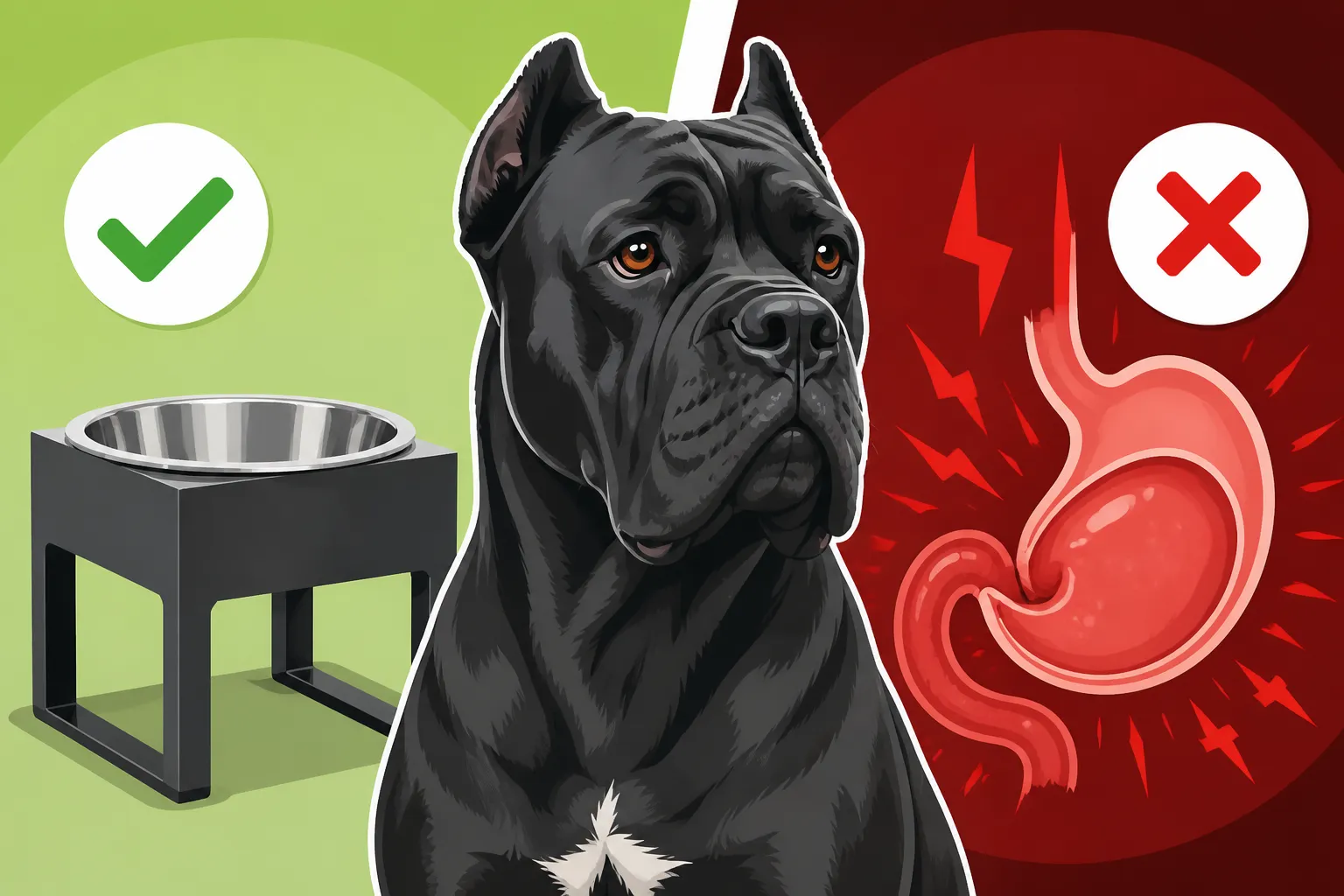
However, science often challenges conventional wisdom, and in the case of raised bowls and bloat, the research has flipped the script entirely. Several large-scale studies, most notably a comprehensive study by the Purdue University College of Veterinary Medicine, have indicated the opposite: feeding from raised bowls might actually increase the risk of bloat in large and giant breeds. This was a shocking revelation for many of us who had been following the old advice for years.
The exact reasons why elevated bowls might increase risk aren't definitively proven, but theories suggest that dogs might eat and drink faster from raised bowls, inhaling more air in the process. Another theory posits that the altered posture could change the mechanics of their swallowing or stomach placement in a way that makes volvulus more likely. Regardless of the precise mechanism, the takeaway is clear: the perceived benefit of raised bowls has been largely disproven, and they are now generally not recommended as a bloat prevention strategy. It's a hard pill to swallow when you thought you were doing something good, but it's crucial to adapt our practices to the latest scientific understanding for the safety of our Cane Corsos.
| Feeding Method | Perceived Benefit (Outdated) | Current Scientific Understanding | Recommendation |
|---|---|---|---|
| Raised Bowls | Reduces air swallowing, aids digestion | May increase bloat risk; no proven benefit | Not recommended |
| Floor Bowls | Standard, perceived less comfortable | No increased risk; generally safe and recommended | Generally recommended |
| Slow Feeders | Reduces eating speed, less air | May help reduce eating speed and associated air intake | Highly recommended |
| Puzzle Feeders | Engages dog, slows eating | Similar benefits to slow feeders, adds mental enrichment | Highly recommended |
Comprehensive Strategies to Minimize Bloat Risk Beyond Bowl Choice
While discarding your raised bowl might be a simple first step, managing your Cane Corso's bloat risk is a multi-faceted approach that goes far beyond just where their food sits. As responsible owners of such a magnificent, albeit high-risk, breed, we need to be proactive and mindful of several crucial factors in their daily routine. These strategies focus on how they eat, when they eat, and even broader aspects of their health and management.
Adjusting Mealtime Habits and Pacing Food Intake
One of the most significant factors in bloat prevention is how quickly your Cane Corso consumes their meals. Fast eaters tend to gulp air along with their food, which can contribute to gas buildup in the stomach. To combat this, consider investing in a good quality slow feeder bowl or a puzzle feeder. These bowls are designed with ridges or compartments that force your dog to eat around obstacles, significantly slowing down their ingestion. It turns mealtime into a bit of a game, providing mental enrichment while physically preventing them from hoovering down their food in seconds. Splitting your Cane Corso's daily food ration into two or three smaller meals throughout the day, rather than one large meal, is also widely recommended. This reduces the sheer volume of food and gas in the stomach at any one time. For more on this, check out The Mealtime Habits That Turn a Cane Corso's Stomach.
Another critical piece of advice, one that many owners, myself included, have learned the hard way, is to ensure your Cane Corso rests before and especially after eating. Avoid strenuous exercise, excessive excitement, or rough play for at least an hour before and two hours after meals. A full stomach, combined with vigorous activity, significantly increases the risk of the stomach twisting. Think of it like this: you wouldn't want to run a marathon right after a huge Thanksgiving dinner, and neither does your Cane Corso's stomach. A calm environment during and after meals is essential. Make sure they have a quiet, comfortable spot to relax and digest. This also means minimizing stress around meal times; try to keep routines consistent.
Considering Dietary Choices and Hydration
While there isn't a single "bloat-proof" diet, certain considerations regarding food type and hydration can play a role. Many veterinarians suggest feeding a high-quality dry kibble that lists meat as the first ingredient. Some studies have suggested that diets with specific ingredients or very high-fat content might be associated with a slightly higher risk, but the evidence isn't conclusive enough to make broad recommendations on specific brands. The key is to choose a reputable brand that provides balanced nutrition, appropriate for a large breed dog. For puppies, it’s vital to use a large breed puppy formula, as growing too quickly can impact overall joint health, including things like Hip Dysplasia in a Fast Growing Cane Corso. Always ensure fresh water is available, but monitor how your Cane Corso drinks, especially after exercise. If they gulp large amounts of water very quickly, consider offering smaller amounts more frequently.
Remember, every Cane Corso is an individual. What works for one might not work for another. If you're considering a significant dietary change, always consult with your veterinarian. They can help you assess the best options for your specific dog, taking into account any sensitivities or existing health conditions.
Preventive Surgical Options
For many owners of high-risk breeds like the Cane Corso, a preventive surgery called a gastropexy is an option worth serious consideration. This procedure involves surgically attaching the stomach to the abdominal wall, preventing it from twisting. It doesn't prevent the stomach from dilating with gas, but it does prevent the life-threatening volvulus (the twisting). Often, a gastropexy can be performed at the same time as a spay or neuter, minimizing the need for additional anesthesia and recovery periods. It's a decision that requires careful discussion with your vet, weighing the risks and benefits, but it offers a significant layer of protection against the most dangerous aspect of bloat. Many vets now recommend Booking a Cane Corso's Stomach Tack With Its Neuter, given the breed's elevated risk.
Even with the best preventative measures, emergencies can happen. This is where comprehensive pet insurance can be a true lifeline. Having a robust plan from a provider like Healthy Paws or similar companies can alleviate a significant portion of the financial stress during an unexpected emergency. Bloat surgery is incredibly expensive, often running into thousands of dollars, and knowing you have support can make it easier to make critical, life-saving decisions without financial burden being the primary concern. Healthy Paws, for example, is known for its comprehensive coverage for accidents and illnesses, which would include emergency bloat treatment.
Making Informed Feeding Choices for Your Cane Corso
Navigating the world of dog care can feel overwhelming, especially with conflicting advice floating around. When it comes to bloat in your Cane Corso, the most important thing is to empower yourself with current, evidence-based information and to work closely with your veterinarian. They are your primary resource for tailoring advice to your dog's specific needs and health history.
Beyond the specific mechanics of how your Cane Corso eats, remember that their overall health and well-being contribute to their resilience. Maintaining a healthy weight, ensuring regular (but not strenuous immediately post-meal) exercise, and providing a low-stress environment are all part of the big picture. Regular vet check-ups are also crucial to catch any underlying health issues that might increase risk. Keeping your Cane Corso at a lean weight, for instance, can help with longevity, as discussed in Why a Lean Cane Corso Keeps Its Hips Longer.
Ultimately, our goal as Cane Corso owners is to give these magnificent dogs the longest, healthiest, and happiest lives possible. By staying informed, being vigilant, and collaborating with our veterinary partners, we can significantly reduce the risks associated with bloat and face any potential emergencies with confidence, knowing we've done everything we can. While you can't eliminate all risk, you can certainly tip the odds in your Cane Corso's favor with smart, intentional feeding and lifestyle choices.
Disclaimer
The information provided in this article is for general informational purposes only and does not constitute veterinary advice. Always consult with a qualified veterinarian for any health concerns or before making any decisions about your pet's health or treatment.