Why a Lean Cane Corso Keeps Its Hips Longer
It’s a heartbreaking sight for any dog owner: your beloved Cane Corso, once a picture of strength and agility, struggling to stand, limping after a short walk, or showing obvious discomfort in their hips. As owners of these magnificent guardians, we want nothing more than to give them a long, comfortable life. The truth is, one of the most significant factors in preventing painful hip issues in a Cane Corso isn't just genetics – it's something entirely within our control: keeping them lean. This guide will walk you through why a healthy weight is absolutely critical for your Corso's joint health, how to achieve it, and what happens when those extra pounds creep on.
Understanding Canine Hip Dysplasia in Cane Corsos
When we talk about joint issues in large breeds, hip dysplasia almost always comes up. It’s a condition that strikes fear into the hearts of Cane Corso owners, and for good reason. Understanding what it is and why our Corsos are particularly susceptible is the first step toward prevention.
What is Hip Dysplasia?
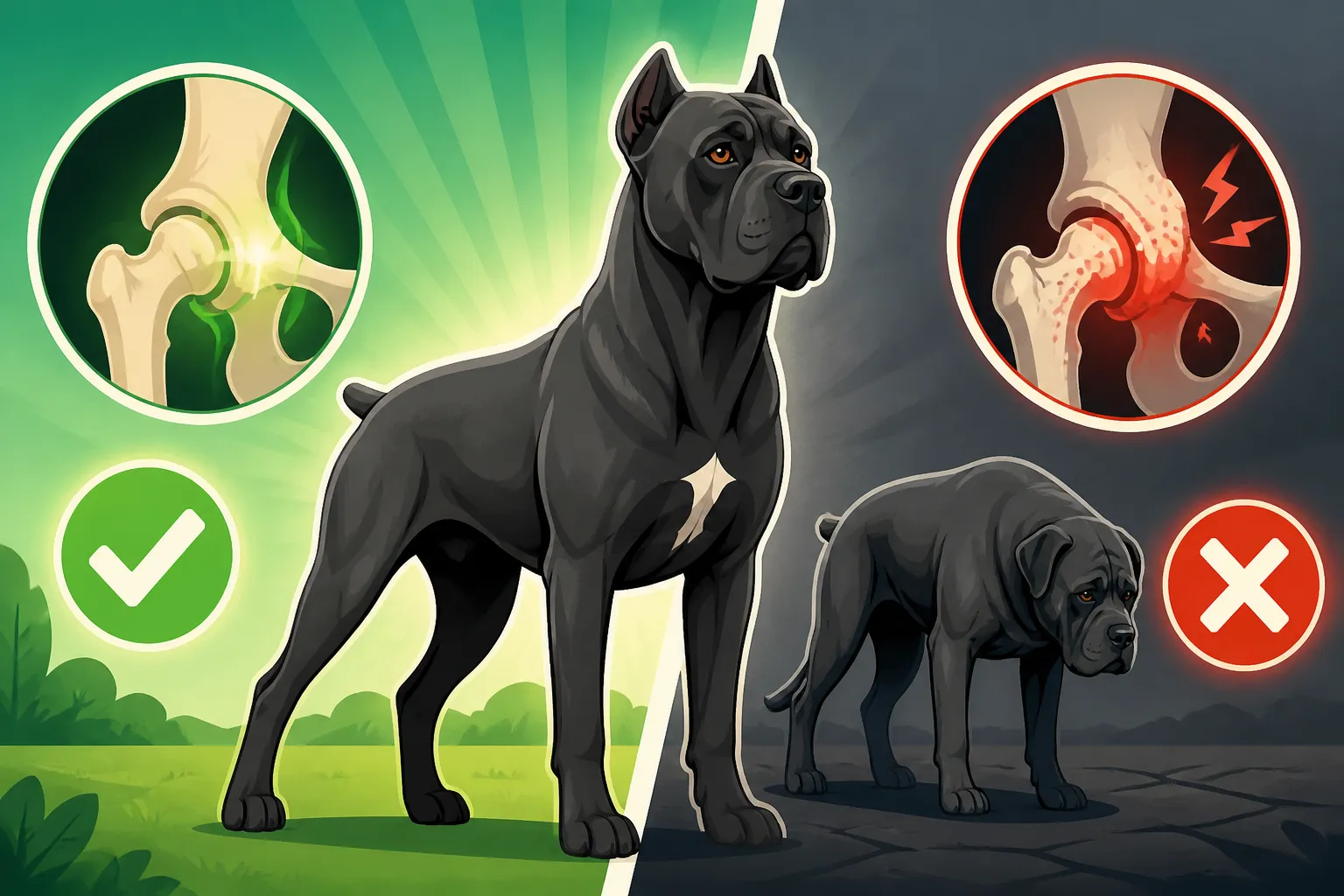
At its simplest, hip dysplasia is a malformation of the hip joint. Think of it like a ball and socket joint: the "ball" (the head of the femur) doesn't fit snugly into the "socket" (the acetabulum in the pelvis). Instead, it sits loosely, or worse, grinds against the socket. Over time, this poor fit leads to wear and tear, inflammation, pain, and eventually, degenerative joint disease or osteoarthritis. It’s primarily a genetic condition, meaning it’s passed down through generations. If your Cane Corso's parents weren't properly health-tested, the risk significantly increases. However, genetics are only part of the story; environmental factors, especially weight and rapid growth in puppies, play a massive role in how severely the condition manifests. A dog with excellent genetics can still develop problems if not raised correctly, and conversely, a dog with some genetic predisposition can lead a comfortable life if management is spot on.
Why Cane Corsos Are Especially Prone
Cane Corsos, like many other large and giant breeds, are disproportionately affected by hip dysplasia. Why? Their sheer size and rapid growth rate are major contributors. A Cane Corso puppy grows from a tiny bundle of fluff to a substantial, powerful dog in a relatively short period. This incredible growth puts immense strain on their developing joints. If their bones and cartilage aren't forming perfectly in sync with their muscle and weight gain, it's a recipe for disaster. Hips and Elbows a Cane Corso Must Be Cleared On before breeding are crucial precisely because of this predisposition. Imagine a human child gaining 80-100 pounds in their first year; it's an incredible demand on a young body. Our Cane Corsos face this kind of rapid development, making careful management throughout their puppyhood and adolescence paramount. The deep chests and heavy bone structure that define the breed’s imposing presence also mean more weight pressing down on those vulnerable hip joints.
The Silent Struggle: Early Signs and Progression
One of the most insidious aspects of hip dysplasia is that it can progress silently, especially in a breed as stoic as the Cane Corso. They are often masters at hiding pain, sometimes until the condition is quite advanced. As a puppy, you might notice subtle shifts: a slight reluctance to jump, a "bunny hop" gait when running, or perhaps difficulty getting up after a nap. These might seem like minor quirks, but they can be red flags. As adults, the signs become more apparent: stiffness, limping after exercise or rest, decreased activity levels, a noticeable change in gait, or even muscle atrophy in the hindquarters as they try to compensate for the pain. Your Cane Corso might start avoiding stairs, become less playful, or even exhibit behavioral changes like irritability due to chronic discomfort. It's a cruel reality that many owners don't realize the extent of their dog's struggle until the symptoms are impossible to ignore. Hip Dysplasia in a Fast Growing Cane Corso is a serious concern that demands attentive observation.
The Direct Link Between Weight and Joint Health
This is where the "lean" part of our discussion really comes into play. While genetics sets the stage, your Corso's body weight often dictates the severity of the performance. It's not just about aesthetics; it's about physics and physiology.
How Extra Pounds Stress the Hips
Think about carrying a heavy backpack all day, every day. That’s what extra weight feels like for your Cane Corso’s joints. Every pound of excess weight translates into multiple pounds of force on the hip joints, particularly during movement. When your Corso walks, runs, or jumps, the impact on their hips is magnified significantly by even a few extra pounds. This constant, elevated pressure exacerbates any existing joint laxity, grinding away at cartilage and increasing inflammation within the joint capsule. This isn't just wear and tear; it’s accelerated deterioration. The body tries to compensate, leading to bone spurs and further malformation, all designed to stabilize a joint that's simply not holding up under the strain. If your Corso is already genetically predisposed to hip dysplasia, carrying extra weight turns a potential problem into an almost guaranteed agonizing reality. What Extra Weight Does to a Cane Corso's Hips can’t be overstated; it literally crushes their chances of long-term mobility.
The Vicious Cycle of Pain and Inactivity
The problem with extra weight and joint pain creates a terrible feedback loop. An overweight Cane Corso is more likely to experience joint pain. This pain makes them less willing to exercise. Less exercise means fewer calories burned, which then leads to more weight gain. More weight gain leads to more pain, and so on. It’s a downward spiral that can quickly diminish your dog's quality of life. Owners often mistakenly believe that an inactive dog needs less food, but in many cases, the inactivity is a symptom of discomfort, not a natural preference. Breaking this cycle requires a committed effort to manage both diet and appropriate, low-impact exercise. Without intervention, this cycle can lead to severe mobility issues, chronic pain requiring constant medication, and a significantly shortened active lifespan for your cherished companion.
Beyond Hips: Other Joints Affected by Excess Weight
While hips are a major concern, the detrimental effects of excess weight aren't limited to just one joint. The entire skeletal system suffers under the strain. Elbow dysplasia, another common orthopedic issue in Cane Corsos, is also significantly worsened by carrying too much weight. The force on their front limbs, which bear a substantial portion of their body weight, increases dramatically. Furthermore, their spine, knees (stifles), and even their paws feel the brunt. An overweight Cane Corso is more prone to cruciate ligament tears in their knees, intervertebral disc disease (IVDD) in their spine, and even problems with their footpads and toes. Imagine an athlete forced to compete carrying extra weight – their entire body is under stress, not just their weakest link. The same holds true for our Corsos. A lean body condition supports overall joint health, allowing all their magnificent architecture to function as intended, rather than battling against an unnecessary burden.
The Ideal Body Condition for a Cane Corso
So, what does "lean" actually look like for a Cane Corso? It’s not about seeing every rib, but it’s certainly not about a round, barrel-like physique either. Achieving and maintaining this ideal body condition is a continuous effort, but it's one of the most loving things you can do for your dog.
Visual and Tactile Assessment: Ribs, Waistline, Tummy Tuck
Learning to assess your Cane Corso's body condition by sight and touch is essential. Forget what you think a "healthy" dog should look like based on many overweight pets you see around. For a Cane Corso, a truly healthy weight often looks slender to the untrained eye.
Here’s what to look for:
- Ribs: You should be able to easily feel their ribs when you gently run your hands along their sides, but you shouldn't see them protruding sharply, especially if they have a dense coat. If you have to press firmly to feel them, your Corso is likely overweight. If you can see prominent ribs without touching, they might be underweight.
- Waistline: When viewed from above, your Cane Corso should have a noticeable waistline or "tuck" behind their ribs. It shouldn't be a straight line from their chest to their hips, and certainly not bulging outwards.
- Abdominal Tuck: From the side, their abdomen should tuck up slightly from their rib cage to their hind legs. A sagging belly or a straight line indicates excess fat.
Many vets use a Body Condition Score (BCS) chart, typically on a scale of 1-9 (with 5 being ideal) or 1-5 (with 3 being ideal). For a Cane Corso, you want to aim for the leaner side of ideal – perhaps a 4/9 or a 2.5/5. This is where The Weight an Old Cane Corso Should Hold becomes a critical consideration as they age, as their metabolism and activity levels change.
| Body Condition Score (BCS) | Visual Cues | Palpation Cues | Interpretation |
|---|---|---|---|
| 1 (Emaciated) | Ribs, spine, pelvic bones prominent from a distance. | No fat, obvious muscle loss. | Severely underweight |
| 2 (Very Thin) | Ribs, spine, pelvic bones easily visible. | No fat cover, minimal muscle mass. | Underweight |
| 3 (Ideal/Lean) | Ribs easily felt, not seen. Defined waist. Abdominal tuck. | Ribs palpable without pressure, minimal fat cover. | Ideal for Cane Corsos |
| 4 (Overweight) | Ribs difficult to feel. No waist, slight abdominal sag. | Moderate fat cover over ribs, slight thickening. | Tendency to overweight, intervene now |
| 5 (Obese) | Ribs, spine, pelvic bones covered by thick fat. No waist/tuck. | Heavy fat cover, difficult to feel bones. | Obese, health risks |
Growth Plate Considerations in Cane Corso Puppies
The period of rapid growth in Cane Corso puppies is incredibly delicate. Their growth plates, the areas of cartilage at the ends of long bones where new bone tissue is formed, are open and vulnerable until they close around 14-18 months of age. During this time, proper nutrition and exercise are paramount. Too much weight, too much high-impact exercise, or an imbalance of calcium and phosphorus can severely impact the healthy closure of these plates and the development of strong, sound joints. Why a Cane Corso Puppy Should Not Grow Too Fast is a mantra every responsible breeder and owner lives by. A slow, steady growth curve is always preferred over rapid, massive gains.
The Dangers of "Chunky" Puppies
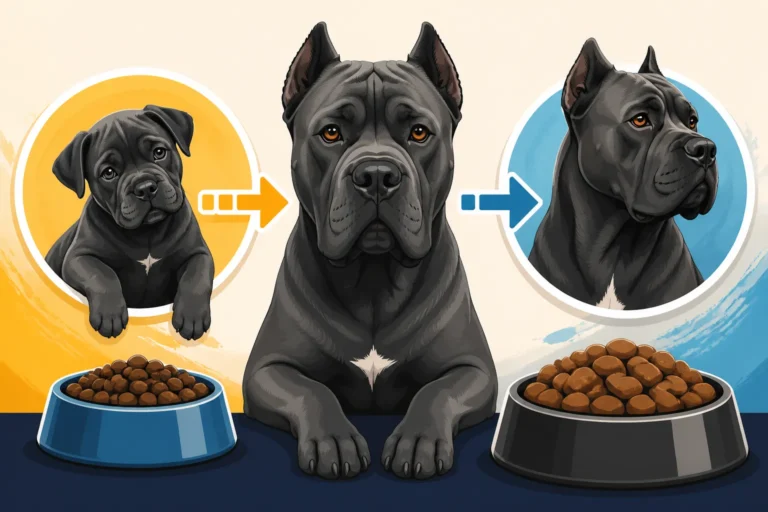
It's a common misconception, especially with large breeds, that a "chunky" puppy is a healthy puppy. We see those adorable rolls of fat and think they're thriving. But for a Cane Corso, a chunky puppy is actually a puppy at higher risk for orthopedic problems down the line. Those extra pounds, even in puppyhood, put undue stress on developing joints and growth plates. Overfeeding, especially with foods not formulated for giant breeds, can lead to excessively fast growth and weight gain, increasing the likelihood of hip and elbow dysplasia later. Instead, aim for a lean, athletic puppy who is gaining weight steadily, not exponentially. You should easily feel those ribs, and they should have a clear waist, even as a gangly adolescent. A lean puppy is a healthy puppy, not a neglected one.
Nutritional Strategies for Optimal Weight Management
What you put in your Cane Corso's bowl is perhaps the single most impactful factor in maintaining a lean body condition. It's not just about how much, but also what kind of food and how you manage their meals throughout the day.
Choosing the Right Food: Giant Breed Formulas
Selecting the right food for your Cane Corso is crucial, especially during their intense growth phase and as adults. Look for high-quality kibbles specifically formulated for "large breed" or "giant breed" puppies and adults. These formulas are designed with a careful balance of protein, fat, and carbohydrates, and critically, controlled calcium and phosphorus levels to support slower, more controlled growth in puppies. Too much calcium can actually be detrimental to developing bones in large breed puppies, leading to skeletal abnormalities.
When choosing a food for your adult Corso, again, a large breed formula is often a good choice. Prioritize foods with real meat as the first ingredient, and avoid excessive fillers. While brands like Ollie offer fresh, human-grade food, which can be fantastic for some dogs, remember that for a giant breed like the Cane Corso, balancing nutrients for optimal growth and weight control, especially avoiding rapid growth in puppies, is critical. Always consult your vet or a canine nutritionist if you're considering a fresh or raw diet to ensure it meets all their specific needs without encouraging too rapid growth. You can find many suitable options and read reviews on platforms like Chewy or your local pet supply store.
Portion Control and Meal Timing
Even with the best food, portion control is everything. The feeding guidelines on the bag are just a starting point; they are often generalized and don't account for your individual dog's metabolism, activity level, or body condition. Use a measuring cup or, even better, a kitchen scale to ensure accurate portions. A little extra kibble each day can add up quickly over weeks and months, especially for a dog that needs to be lean.
Most adult Cane Corsos do best with two meals a day, rather than one large one. This helps with digestion, prevents ravenous eating, and can even reduce the risk of bloat, a life-threatening condition common in deep-cheested breeds. Six to Nine Cups Across Two Cane Corso Meals is a common range, but always adjust based on your dog's individual needs. If your Corso is gaining weight, cut back slightly. If they're too thin, increase slowly. And remember, treats count! Factor them into your daily calorie allowance. For a busy household, using a slow feeder bowl can also help pace your Corso's eating, which is beneficial for digestion and bloat prevention. Amazon offers a wide variety of these.
Supplements: Are They Worth It for Hip Health?
The world of dog supplements can be overwhelming, but a few key players are often discussed for joint health. Glucosamine and chondroitin sulfate are popular choices, believed to support cartilage health and reduce inflammation. Omega-3 fatty acids (like fish oil) are powerful natural anti-inflammatories that can benefit overall joint health and even skin and coat.
Many owners consider adding these to their Cane Corso's diet, especially as they enter adulthood or if they show early signs of joint stiffness. While supplements aren't a magic bullet and cannot fix severe dysplasia, they can play a supportive role in maintaining joint comfort and potentially slowing progression. Always discuss any supplement regimen with your veterinarian, as they can advise on appropriate dosages and potential interactions with other medications. Quality varies widely between brands, so choosing a reputable product is important. You can find a range of joint supplements on Chewy or at your vet's office. Whether a Cane Corso Benefits From Joint Supplements is a question best answered with your vet's input, considering your individual dog's health profile.
Exercise and Lifestyle for Joint Preservation
Nutrition is half the battle; the other half is a thoughtful approach to exercise and daily life. A Cane Corso needs physical activity for both their mental and physical well-being, but it must be appropriate for their age and joint health.
Appropriate Exercise for Puppies vs. Adults
This is critical. Over-exercising a Cane Corso puppy, particularly with high-impact activities, is just as damaging as overfeeding them. Their growth plates are vulnerable, and repetitive stress or sudden jolts can cause lasting damage.
Puppies (up to 12-18 months):
Focus on short, frequent, low-impact activities. Leash walks for 15-20 minutes, a few times a day, are perfect. Supervised playtime in a soft, safe yard is great, but avoid intense, prolonged running, jumping off furniture, or forced long runs. Think free-play, not forced exercise. Allow them to self-regulate. How Much Walking a Cane Corso Puppy Should Do is far less than many owners initially think. Avoid stairs where possible, especially repeated running up and down.
Adults (18 months and older):
Once their growth plates have closed and they are fully mature, a Cane Corso needs regular, moderate exercise to maintain muscle tone and a healthy weight. This might include brisk walks, controlled jogging, or playtime in a securely fenced yard. However, even as adults, remember their size. High-impact sports like intense agility with sharp turns and jumps might need careful consideration or modification to protect their joints long-term. Listen to your dog; if they're stiff or limping after an activity, it's too much.
Low-Impact Activities for Joint Support
To build and maintain muscle without stressing joints, low-impact activities are your best friend.
- Swimming: This is gold for joint health! It provides excellent cardiovascular exercise and builds muscle without any impact on the joints. If you have access to a safe pool or calm body of water, it's an ideal activity. Even a kiddie pool can provide some therapeutic movement for sore joints.
- Leash Walking: Consistent, moderate leash walks on varied but mostly soft surfaces (grass, dirt trails) are fantastic. They allow your Cane Corso to explore, use their muscles, and maintain mobility without heavy impact.
- Scent Work and Puzzle Toys: Don't underestimate mental stimulation! These activities burn energy and keep your Corso engaged without physical strain. A tired mind can be just as important as a tired body, especially for days when physical activity needs to be scaled back due to joint pain or recovery. You can find many types of puzzle toys on Amazon.
- Canine Bodywork/Therapy: Consider gentle canine massage or even hydrotherapy with a certified therapist for dogs with existing joint issues. This can help maintain flexibility and reduce pain.
Environmental Modifications
Your home environment can also play a huge role in protecting your Cane Corso's joints.
- Non-Slip Flooring: Hardwood, tile, and laminate floors can be incredibly slippery for a large, heavy dog, especially one with compromised hips. Consider rugs, carpet runners, or even non-slip socks to provide traction. A slip can easily lead to injury or exacerbate existing joint issues.
- Ramps and Stairs: For vehicles, beds, or even just a few steps, a ramp can save your Corso’s joints from repetitive jumping. While a young Corso might leap into the car with ease, repeatedly doing so puts strain on hips and elbows. As they age or if they develop issues, a ramp becomes indispensable.
- Orthopedic Beds: Investing in a high-quality orthopedic bed is a must for a Cane Corso. These beds provide superior support and cushioning, relieving pressure points and promoting comfortable rest, which is essential for joint recovery and overall well-being. Look for beds with dense, supportive foam. You can find excellent options on Chewy or Amazon. Orthopedic Beds Rated for a Cane Corso's Weight are worth every penny.
Working with Your Vet for Long-Term Hip Health
You are your Cane Corso's primary advocate, but your veterinarian is your indispensable partner in their health journey. Regular check-ups and open communication are key to proactive joint care.
Regular Check-ups and Early Detection
Routine veterinary visits, even when your Cane Corso seems perfectly healthy, are crucial. Your vet can monitor their weight, assess their gait, and palpate their joints to detect any early signs of lameness or discomfort that you might miss. They can offer advice on diet and exercise tailored to your dog's specific needs and age. For puppies, these visits are vital for discussing growth rates and ensuring they are developing appropriately. An owner who takes their dog in for How Often a Healthy Cane Corso Sees the Vet regularly is more likely to catch subtle changes before they become debilitating problems. These check-ups are also the perfect time to discuss your Corso's body condition score and adjust their feeding plan if needed.
Diagnostic Tools: X-rays and Orthopedic Evaluations
If your vet suspects hip dysplasia or other orthopedic issues, they will likely recommend diagnostic imaging, most commonly X-rays. For breeding animals, specific certifications like OFA (Orthopedic Foundation for Animals) or PennHIP evaluations are performed to assess hip and elbow quality. Reading a Cane Corso's Hip Grade Against the CHIC List provides invaluable insight into a dog's genetic predisposition and should be something you investigate if you are considering breeding or purchasing a puppy from a breeder. Even if your Cane Corso isn't a breeding animal, a conformational X-ray can give you a baseline understanding of their joint health. This knowledge empowers you to make informed decisions about exercise, diet, and lifestyle modifications to best support their joints throughout their life. It helps you understand what you're working with, rather than guessing.
When Intervention is Necessary: Medical and Surgical Options
Despite our best efforts, some Cane Corsos will still develop significant hip dysplasia, either due to severe genetics or the cumulative effects of life. When conservative management (weight control, supplements, pain medication, low-impact exercise) is no longer sufficient to maintain a good quality of life, your vet may discuss more advanced interventions.
Medical Management: This typically involves NSAIDs (non-steroidal anti-inflammatory drugs) to reduce pain and inflammation, along with other pain medications if needed. Managing Arthritis in a Hundred Pound Cane Corso often becomes a lifelong commitment, with medication dosages adjusted based on your dog's comfort and kidney/liver function. Injections like Adequan (polysulfated glycosaminoglycan) or Librela (monoclonal antibody therapy) can also provide significant relief for some dogs by promoting cartilage health or neutralizing pain signals.
Surgical Options: For severe cases, surgical interventions might be considered.
- Femoral Head Ostectomy (FHO): This procedure involves removing the head of the femur, allowing a "false joint" to form, which can relieve pain in smaller or lighter dogs, or for dogs who can't undergo more complex surgery. While a Cane Corso is large, it can be an option in specific cases.
- Total Hip Replacement (THR): This is the most effective surgical treatment for severe hip dysplasia, replacing the diseased joint with a prosthetic one. It's a major surgery with a significant recovery period and cost, but it can restore excellent function and eliminate pain.
- Triple Pelvic Osteotomy (TPO): This surgery is typically performed on younger dogs (before significant arthritic changes) where the pelvis is cut and rotated to improve the alignment of the hip joint.
Each surgical option has its own pros and cons, recovery protocols, and cost implications. Your vet will help you determine the best course of action based on your Cane Corso's age, severity of disease, overall health, and your family's resources and commitment to rehabilitation.
The Long-Term Benefits of a Lean Lifestyle
It takes discipline, consistent effort, and a keen eye to keep a giant breed like a Cane Corso lean, but the rewards are truly priceless. This isn't just about preventing disease; it's about enriching their entire life.
Enhanced Mobility and Quality of Life
A lean Cane Corso is a mobile Cane Corso. They can run, play, jump (appropriately!), and move with greater ease and less pain. This means more joyful walks, more playful romps in the yard, and a greater ability to engage with their family and environment. Think of the difference in energy and comfort between a person who stays fit and one who carries significant extra weight. The same applies exponentially to a heavy, large-boned dog. A lean dog has better stamina, less stiffness, and generally a more comfortable daily existence. This enhanced mobility translates directly into a higher quality of life for your cherished companion. They get to be dogs, fully and freely, for longer.
Reduced Medication Dependence
When a Cane Corso struggles with severe joint issues, medication often becomes a daily necessity, sometimes multiple times a day. While these medications are invaluable for pain management, they often come with potential side effects, especially with long-term use, and they can be costly. By keeping your Cane Corso lean, you significantly reduce the likelihood of needing heavy pain medication. You're less likely to be making frequent trips to the vet for symptom management and prescription refills. The goal isn't to avoid medication if it's truly needed, but to reduce the need for it by proactively preserving their health. Fewer medications mean less stress on their internal organs, and often, less stress on your wallet.
A Longer, Healthier Lifespan
Ultimately, a lean body condition doesn't just improve the quality of your Cane Corso's life; it can also extend its length. Dogs maintained at a healthy, lean weight live significantly longer than their overweight counterparts. Studies have shown an average increase of nearly two years in lifespan for dogs kept lean from puppyhood. For a breed like the Cane Corso, which has a median lifespan around nine years, gaining an extra year or two of healthy, active life is an incredible gift. The Nine Year Median Behind a Cane Corso's Lifespan is a stark reminder of how precious their time with us is. By minimizing the chronic inflammation, orthopedic pain, and other systemic health issues associated with excess weight (like diabetes and heart disease), you are giving your Cane Corso the best possible chance at a full, vibrant life right by your side. It’s a lifelong commitment that pays dividends in love, health, and precious shared memories.
Disclaimer
This article is for general informational purposes only and does not constitute professional advice. Laws, prices and regulations vary by location and change over time. Consult a qualified professional for guidance on your specific situation.