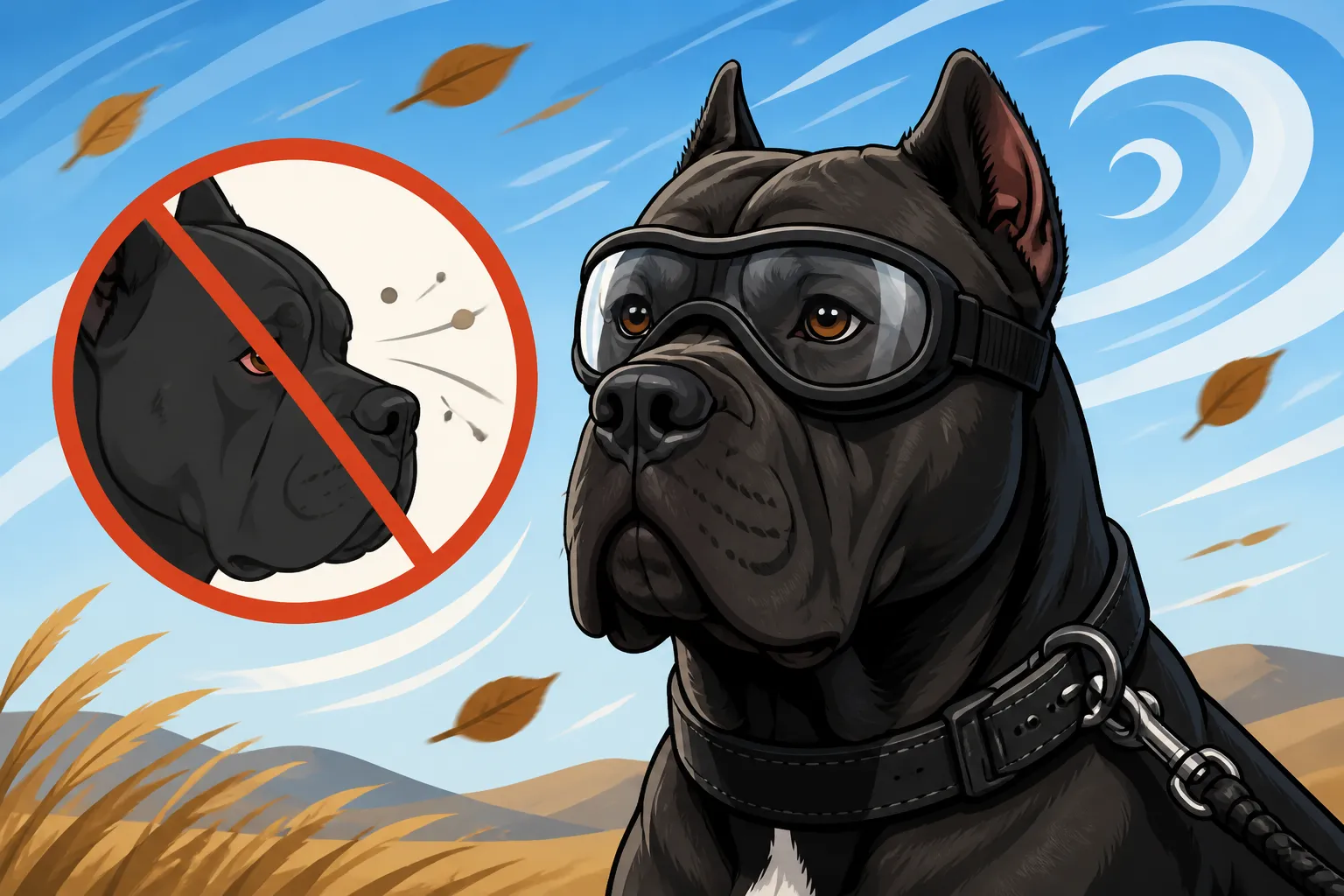
Protecting a Cane Corso’s Eyes on a Windy Walk
Walking your magnificent Cane Corso can be one of life's true joys, but if you live in an area prone to gusty winds, you've likely witnessed your big dog squinting, pawing at their eyes, or shaking their head after an outdoor adventure. It's incredibly frustrating to see your loyal companion uncomfortable, and their large, often expressive eyes are particularly vulnerable to irritation from airborne debris. This comprehensive guide will walk you through understanding why windy conditions are such a nuisance for your Cane Corso's eyes and offer practical, empathetic solutions to keep them happy and healthy on every walk.
Understanding Why Windy Walks Affect Your Cane Corso's Eyes
It’s easy to dismiss a bit of wind as harmless, but for a Cane Corso, a blustery day can be a recipe for eye irritation. Their unique anatomy, combined with the sheer force of the wind, creates a perfect storm for discomfort and potential issues.
The Anatomy of a Cane Corso's Eye and Wind Sensitivity
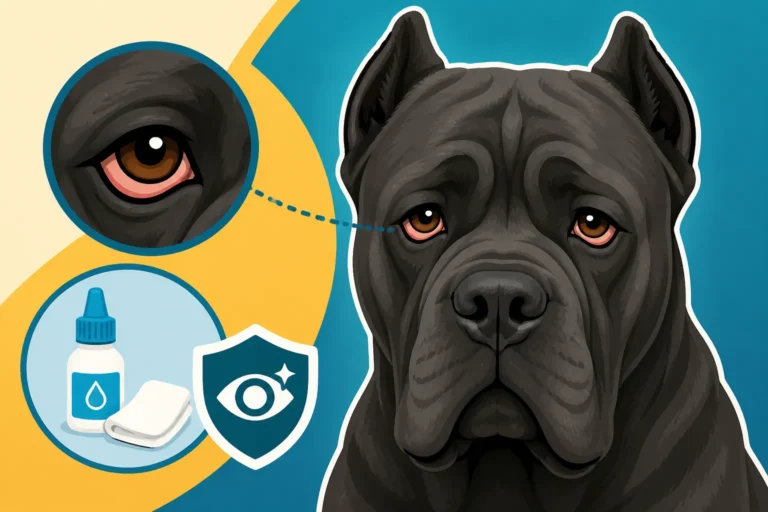
Cane Corsos often possess those beautiful, soulful eyes that draw you in, but genetically, many individuals within the breed can have what we call "loose eyelids." This isn't necessarily a fault, but rather a conformational characteristic where the lower eyelid might sag slightly, exposing more of the delicate conjunctiva (the pink tissue lining the inside of the eyelid) and the surface of the eye itself. This condition, often referred to as mild ectropion, means their eyes simply aren't as tightly sealed against the elements as some other breeds.
When the wind picks up, it acts like a giant, invisible fan blowing directly into those slightly exposed eyes. This can quickly dry out the tear film that naturally lubricates and protects the eye's surface. Think about how your own eyes feel after walking against a strong wind – dry, gritty, and uncomfortable. Your Cane Corso experiences this, perhaps even more intensely, because their eyes might already have a predisposition to dryness or exposure. The wind also carries all sorts of irritants: fine dust from the pavement, tiny specks of sand from a nearby park, pollen from flowering plants, or even microscopic bits of dried leaves. These particles don't just bounce off; they can easily get caught in the moisture of the exposed eye, causing friction and irritation. The Loose Eyelids Nearly Every Cane Corso Owner Meets is a topic many owners grapple with, and understanding it is key to preventative care.
Common Signs of Eye Irritation After a Windy Walk
After a walk on a blustery day, you’ll want to keep a close watch on your Cane Corso for any signs of eye discomfort. They can't tell you in words that their eyes are bothering them, but their body language will speak volumes. One of the most common things you'll see is excessive blinking or squinting, especially when they first come indoors or if they're still facing a breeze. They might start rubbing their face vigorously with a paw or against furniture, trying to dislodge whatever is irritating them. This pawing can actually make things worse, potentially scratching the delicate surface of the eye.
Their eyes might appear red and inflamed, particularly the whites and the pink tissue around the edges. You might also notice an increase in tearing, which is the eye's natural response to try and flush out irritants. Sometimes, this tearing can lead to dampness or even a bit of sticky discharge around the eye, which might be clear or slightly yellowish. In more severe cases, your Cane Corso might hold one eye partially or completely closed, indicating pain. While a little bit of redness or watering might resolve on its own, any persistent signs, or if your dog seems genuinely pained, should be taken seriously. Knowing when your Cane Corso's eyes run all day versus when it’s an acute problem is important. Why a Cane Corso's Eyes Run All Day is a good resource if you’re seeing chronic moisture.
Practical Strategies for On-the-Go Eye Protection
Thankfully, there are several straightforward ways to actively protect your Cane Corso’s eyes when you’re out and about, especially when the weather isn’t cooperating. It’s all about creating a barrier and providing a little extra lubrication.
Eye Protection Gear: Dog Goggles and Visors
Yes, dog goggles are a real thing, and they can be incredibly effective! Brands like Doggles, which you can find readily on platforms like Chewy or Amazon, offer designs specifically for larger breeds like the Cane Corso. These aren't just a quirky fashion statement; they serve a vital purpose by providing a physical barrier against wind, dust, pollen, and even harsh UV rays. Imagine them as sunglasses for your dog, but with enhanced side protection.
The key, however, is getting your Cane Corso to accept wearing them. This usually requires a patient and positive introduction. Start by letting them sniff the goggles, then offer a high-value treat. Gradually, place the goggles on their head without fastening them, treat, and remove. Work up to fastening them for a few seconds, then longer periods, always associating the goggles with positive experiences like treats or praise. Never force them or make it a punishment, as this will only create an aversion. Look for goggles with flexible frames that contour to their face, adjustable straps for a secure but comfortable fit, and good ventilation to prevent fogging. It’s a process, but a Cane Corso that comfortably wears eye protection on windy days will be much happier and healthier in the long run.
Proactive Eye Care Before and After Walks
Beyond physical barriers, a little pre- and post-walk care can go a long way in safeguarding your Cane Corso's eyes. Before heading out on a windy day, consider applying a few drops of sterile saline solution, often marketed as "natural tears" or "lubricating eye drops" for dogs. You can find these at most pet supply stores or online through retailers like Amazon and Chewy. These drops help to moisten the eye's surface, creating a temporary, protective film that can make it harder for small particles to stick and can counteract the drying effect of the wind.
After your windy adventure, even if your Cane Corso doesn't show immediate signs of irritation, it's a good practice to gently flush their eyes with the same sterile saline solution. This helps to wash away any microscopic dust, pollen, or debris that might have settled in their eyes. Just be sure to use solutions specifically formulated for canine ophthalmic use; never use human eye drops without consulting your vet, as some ingredients can be harmful to dogs. Also, avoid using tap water, which isn't sterile and can introduce bacteria or irritate the eye further. This simple routine can significantly reduce the chances of irritation escalating into an infection or a more serious issue. Keeping up with The Discharge That Collects in a Cane Corso's Lid is part of this routine for many owners.
Environmental and Behavioral Adjustments for Windy Conditions
Sometimes, the best protection comes from making smart choices about where and how you walk your Cane Corso when the wind is howling. It's about working with nature, not against it.
Choosing Your Walking Route Wisely
On those particularly blustery days, take a moment to consider your usual walking routes. Wide-open spaces, like expansive fields, beaches, or large, exposed park paths, offer little to no protection from the wind. These are the places where dust and debris are most likely to be whipped up and into your Cane Corso's eyes. Instead, try to seek out routes that offer natural windbreaks. Tree-lined streets or paths through wooded areas can significantly reduce wind speeds. Walking on the leeward side of buildings (the side sheltered from the wind) can also offer a surprising amount of relief.
A quick check of the weather forecast for wind speed, not just temperature, can become a habit for Cane Corso owners. If you know it's going to be a particularly gusty day, plan your route accordingly. Even a slight change in direction or sticking to more urban, sheltered areas can make a huge difference in your dog's comfort. This small adjustment can save them from a lot of unnecessary irritation and help you avoid a vet visit for a scratched cornea. Protecting a Cane Corso's Eyes on a Windy Walk is just one piece of the puzzle, and route planning is a big part of it.
Adjusting Walk Duration and Intensity
It’s not just where you walk, but how long and how intensely you walk that matters on a windy day. Longer walks mean prolonged exposure to irritants and drying wind, increasing the likelihood of discomfort. On very windy days, it might be more beneficial to opt for shorter, more frequent potty breaks rather than one long, extended stroll. This minimizes the time their eyes are exposed.
Furthermore, consider the type of activity. High-intensity runs or vigorous play sessions, especially in dusty areas, can stir up more particles and increase the force of air hitting their eyes. If your Cane Corso is usually a high-energy dog, consider alternative forms of exercise indoors on extremely windy days. Puzzle toys, indoor fetch, or training sessions can still provide mental and physical stimulation without the risk of eye irritation. It's about balancing their exercise needs with their well-being, especially for a breed that can sometimes have more sensitive eyes.
When to Seek Veterinary Attention
While many minor irritations can be managed at home with good preventative care, it's crucial to know when a situation warrants a trip to the veterinarian. Ignoring persistent eye issues can lead to more serious, and often more costly, problems down the road.
Recognizing Persistent or Worsening Symptoms
You've done your best with goggles, saline flushes, and smart walk choices, but sometimes, despite your efforts, an eye issue persists or gets worse. This is your cue to call the vet. Signs that absolutely need professional attention include:
- Intense, continuous pawing or rubbing at the eye: This indicates significant discomfort or pain and could be leading to self-inflicted injury.
- Thick, colored discharge: While some clear tearing is normal, yellow, green, or thick white discharge often signals an infection.
- Visible foreign object: If you can see something lodged in their eye that you can’t easily flush out with sterile saline, do not attempt to remove it yourself. This could cause more damage.
- Cloudiness or visible injury to the eye surface: Any changes to the clear part of the eye (cornea) or bloodshot appearance within the eye itself should be checked immediately.
- Swelling around the eye or eyelids: This could indicate an allergic reaction, infection, or trauma.
- Persistent squinting or holding the eye closed: This is a strong indicator of pain or severe irritation.
It’s always better to be safe than sorry when it comes to eye health. Early intervention from your vet can prevent a minor irritation from spiraling into a chronic problem or permanent damage. Even if it turns out to be nothing serious, the peace of mind is invaluable. If your Cane Corso has The Sagging Lower Lid on a Cane Corso, they might be more prone to these issues.
Potential Long-Term Consequences of Chronic Irritation
Allowing minor, repeated eye irritations to go unaddressed can lead to a cascade of long-term problems for your Cane Corso. Each time wind and debris assault their eyes, there's a risk of the delicate corneal surface getting scratched. Even tiny scratches, called corneal abrasions, can become entry points for bacteria, leading to painful and vision-threatening infections like conjunctivitis or corneal ulcers. An ulcer is a serious condition where a deeper layer of the cornea is damaged, requiring aggressive treatment and potentially surgery to save the eye.
Chronic dryness and irritation can also lead to issues like chronic dry eye syndrome (keratoconjunctivitis sicca or KCS) if the tear glands are repeatedly stressed or damaged. This can require lifelong medication. Furthermore, the constant inflammation can thicken and scar the delicate tissues of the eye, affecting their vision and overall comfort. Preventing these issues starts with proactive protection and quick veterinary attention when needed. Being vigilant about How Loose Lids Give a Cane Corso Chronic Eye Infections can help prevent long-term suffering.
| Eye Protection Method | Benefits | Drawbacks | When to Use |
|---|---|---|---|
| Dog Goggles/Visors | Excellent physical barrier, UV protection | Acceptance can be a training challenge, may slightly restrict vision | Highly windy/dusty conditions, long walks, very sensitive eyes |
| Sterile Saline Drops | Lubricates, creates a temporary barrier, flushes | Temporary effect, doesn't block large debris, requires reapplication | Before and after walks in mild to moderate wind, for general eye comfort |
| Route Selection | Utilizes natural windbreaks, no equipment needed | Limited options in some areas, might mean sacrificing favorite paths | Everyday walks where wind is a factor, planning ahead for gusty days |
| Adjusted Walk Duration | Minimizes exposure time to irritants | May not meet full exercise needs, requires alternative indoor activities | Extremely harsh or prolonged windy conditions, very sensitive dogs |
Ultimately, understanding your Cane Corso's specific eye conformation and being mindful of environmental factors can make a world of difference. Your big, sensitive companion deserves to enjoy their walks without unnecessary discomfort or health risks.
Disclaimer
This article is for general informational purposes only and does not constitute professional advice. Laws, prices and regulations vary by location and change over time. Consult a qualified professional for guidance on your specific situation.