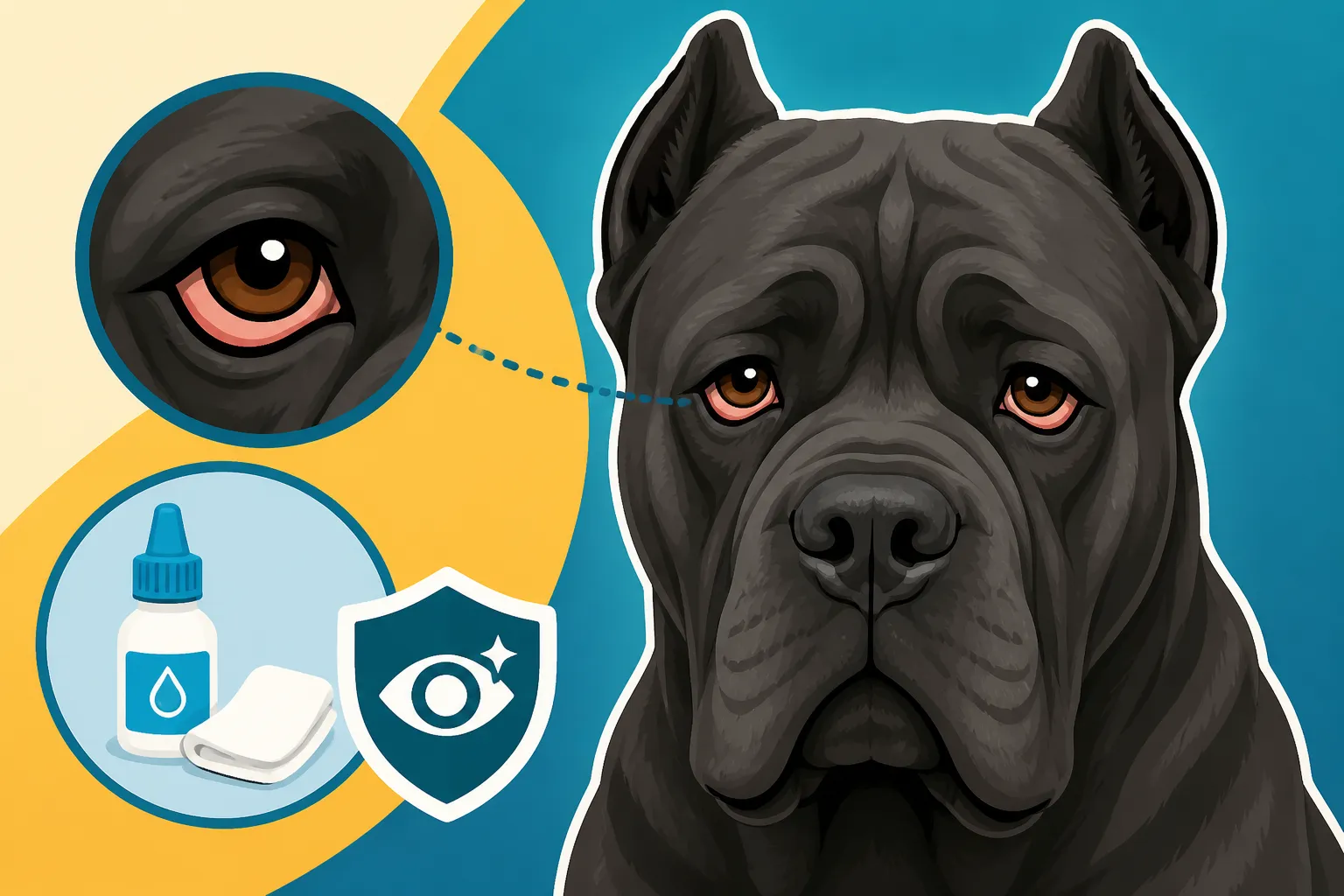
Eye Care for a Cane Corso Whose Lids Have Dropped
It's incredibly frustrating and often quite worrying when you notice your majestic Cane Corso, a breed known for its stoic gaze, starts developing those characteristic "dropped" or loose lower eyelids. This isn't just a cosmetic issue; it can lead to chronic irritation, infections, and discomfort for your beloved companion. This guide will walk you through understanding what's happening with your Cane Corso's eyes, how to manage the daily care, and when it's time to talk to your vet about solutions.
Understanding the "Dropped Lid" Phenomenon in Cane Corsos
The term "dropped lids" often refers to a condition called ectropion, which is quite common in many large, heavy-headed breeds, and yes, our Cane Corsos are definitely on that list. It's essentially when the lower eyelid rolls outward, exposing the delicate pink conjunctiva to the air and environmental irritants. While some degree of looseness might be considered breed characteristic, a significant sag can spell trouble.
The Anatomy of a Cane Corso's Eyelids
To truly grasp what's happening, let's talk a little about the structure. A Cane Corso's eyes are typically set deep, and the breed standard usually calls for close-fitting eyelids. However, due to genetics and sometimes just the sheer weight and laxity of the facial skin, the lower lid can lose its tension and begin to droop. Think of it like elastic that's stretched out over time. This exposes the inner surface of the lid and the eyeball itself, which ideally should be protected by tight, functional eyelids. This laxity is exactly what leads to issues you'll commonly see discussed, like The Loose Eyelids Nearly Every Cane Corso Owner Meets and The Sagging Lower Lid on a Cane Corso. It’s not just an aesthetic thing; it’s a functional concern for their overall eye health.
Why Dropped Lids Are More Than Just Cosmetic
The moment that lower lid starts to roll outward, your Cane Corso's eye loses a crucial layer of protection. Suddenly, everything from dust and pollen to bacteria and even just dry air has easier access to the sensitive surface of the eye. This increased exposure can lead to a host of problems. Imagine having your own eye constantly exposed to the elements – it would be red, itchy, and prone to infection, right? The same applies to our big dogs. This constant irritation is exactly How Loose Lids Give a Cane Corso Chronic Eye Infections. You might notice their eyes tearing up more, or a persistent discharge because their body is trying to flush out the irritants. It's a never-ending cycle of discomfort if not managed correctly.
| Symptom of Dropped Lids | What It Looks Like | Potential Problem | Action Needed |
|---|---|---|---|
| Redness of the conjunctiva | Pink or red tissue visible along the lower lid or inner corner | Inflammation, irritation, early infection | Daily cleaning, monitor, vet if persistent |
| Excessive tearing | Clear or cloudy discharge constantly running from the eye | Irritation from dust/allergens, blocked tear duct | Regular wiping, vet check if excessive or colored |
| Eye discharge | Crusty build-up, greenish or yellowish gunk | Bacterial infection, irritation | Vet visit for diagnosis and antibiotics |
| Rubbing or pawing at eyes | Your Corso tries to rub their face on furniture or with paws | Itchiness, discomfort, pain | Vet visit immediately to prevent self-trauma |
| Swelling around the eye | Puffy eyelids, closed or squinting eye | Severe inflammation, infection, foreign body | Emergency vet visit |
Daily Care Routine for Cane Corsos with Loose Eyelids
Keeping your Cane Corso comfortable and healthy when they have dropped lids really comes down to diligence and a consistent daily care routine. It's not glamorous work, but it's absolutely essential to prevent minor irritation from escalating into a serious infection. Think of it as preventative maintenance for those beautiful, soulful eyes.
Gentle Cleaning and Wiping
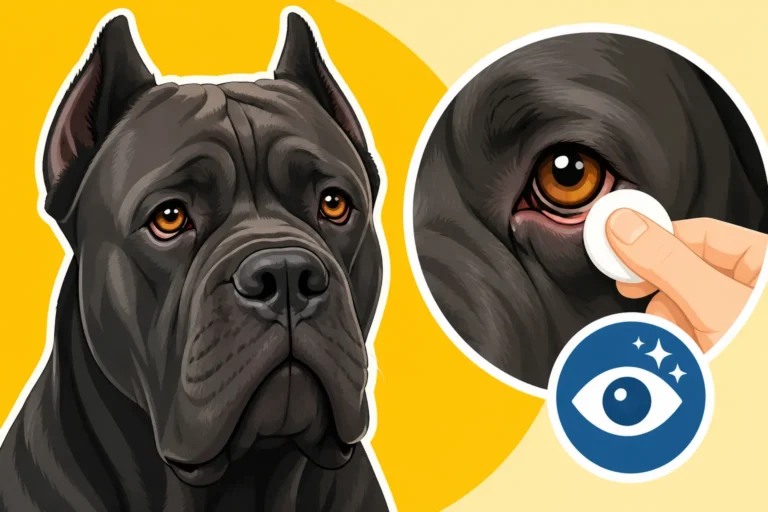
This is your first line of defense. Because the lower lid is exposed, it's a magnet for dirt, dust, and debris. You'll likely notice The Discharge That Collects in a Cane Corso's Lid quite regularly. Your goal is to keep the area as clean and dry as possible. I recommend using a soft, clean cloth or cotton pad moistened with plain warm water or a veterinarian-approved saline solution. You can find gentle eye wipes designed for dogs on platforms like Chewy or Amazon.
To clean, gently wipe away from the eye, starting from the inner corner and moving outwards. Be super gentle; don't rub aggressively, as this can cause more irritation. Do this at least once a day, and often twice, especially after outdoor activities or if you notice any discharge building up. For our Cane Corsos, a simple morning wipe-down can make a world of difference in preventing issues throughout the day. Remember, it’s about gentle maintenance, not scrubbing.
Protecting Against Irritants
Beyond just cleaning, you need to actively protect those vulnerable eyes. When the lower lid sags, it creates a little shelf where all sorts of environmental nasties can collect. Think about a windy day at the park – dust, pollen, tiny bits of leaves or grass can easily settle into that exposed conjunctiva. This is why Why a Cane Corso's Eyes Run All Day might be a common sight in your home.
Consider what your Cane Corso is doing throughout the day. If they love sticking their head out the car window, that rushing wind can dry out and irritate their eyes terribly. If they're a "digger," they could be kicking dirt up into their eyes. While you can't wrap them in cotton wool, you can be mindful. On very windy days, shorter walks or avoiding dusty areas might be wise. Some owners even use dog-specific goggles (often called "Doggles") for car rides or extensive outdoor activities, especially for working Corsos. While it might look a little silly, it offers excellent protection.
Considering Over-the-Counter Eye Lubricants
Sometimes, the constant exposure due to dropped lids can lead to dryness, even with tearing. Your vet might recommend over-the-counter artificial tear drops or lubricating gels. These products help to keep the eye moist and can create a protective barrier against minor irritants. They usually contain ingredients like hyaluronic acid or carbomer gel that mimic natural tears.
However, and this is crucial, always consult your veterinarian before introducing any new product into your Cane Corso's eyes, even if it's over-the-counter. They can confirm it's the right product for your dog's specific situation and that it won't interfere with any underlying conditions or medications. What looks like simple dryness could be a symptom of something more serious, so a professional opinion is invaluable. Don't just pick something up from the pet aisle at the store and hope for the best.
When to Seek Veterinary Intervention for Dropped Lids
While daily care is vital, there are times when dropped lids require more than just cleaning and watchful waiting. Knowing when to escalate from home care to professional veterinary intervention can save your Cane Corso a lot of discomfort and prevent irreversible damage.
Recognizing Signs of Infection or Severe Irritation
The moment you notice signs beyond simple tearing or a bit of crust, it's time to call the vet. Look out for any of the following:
- Thick, colored discharge: Yellow, green, or even sticky white discharge is a big red flag for infection.
- Excessive redness or swelling: If the conjunctiva is bright red and puffy, or the eyelids themselves are swollen, this indicates significant inflammation.
- Squinting or holding the eye shut: This is a clear sign of pain or severe irritation. Your dog is trying to protect their eye.
- Rubbing or pawing aggressively at the eye: Again, pain or intense itchiness. They might even try to rub their face on the carpet or furniture.
- Cloudiness or changes to the eyeball itself: Any haziness, a visible scratch, or ulceration on the cornea (the clear part of the eye) is an emergency.
If you observe any of these symptoms, don't delay. An untreated eye infection can rapidly worsen, potentially leading to corneal ulcers or even vision loss. Your vet will be able to diagnose the issue, whether it's bacterial, viral, or due to a foreign body, and prescribe appropriate medication, such as antibiotic drops or ointments.
Understanding Surgical Options: Tacking vs. Permanent Repair
For Cane Corsos with severe ectropion, or if chronic infections become a recurring problem despite diligent home care, your vet might discuss surgical intervention. This is not a decision to take lightly, but it can dramatically improve your dog's quality of life.
Often, the first step for younger dogs might be a temporary "tacking" procedure. This involves placing temporary sutures in the eyelid to pull it back into a more natural position, allowing the tissues to heal and tighten. It's sometimes done to see if the problem resolves as the puppy matures, especially if the dropped lids are noticed during a growth spurt.
For persistent or severe cases, a permanent surgical correction, known as blepharoplasty, might be recommended. This procedure involves removing a small section of the eyelid tissue and then carefully suturing the remaining tissue back together to create a tighter, more functional eyelid margin. The goal is to reshape the lid so it sits snugly against the eye, providing the necessary protection. This is a delicate surgery, often performed by a veterinary ophthalmologist, a specialist in animal eye care. Recovering from such surgery involves careful aftercare, including medication and protecting the eye from trauma, perhaps with an Elizabethan collar or a soft e-collar you can find on Amazon. You might also want to look into Whether a Cane Corso's Repaired Lids Need Tear Drops after surgery, as some dogs still benefit from lubrication.
The Importance of Regular Veterinary Eye Exams
Even if your Cane Corso isn't showing severe symptoms, if they have noticeable dropped lids, regular veterinary eye exams are non-negotiable. This isn't just about general check-ups; it's about proactively monitoring the health of their eyes.
During these exams, your vet won't just glance at their eyes. They'll perform a thorough examination, often using specialized tools. They might check tear production (Schirmer Tear Test), look for corneal abrasions or ulcers using a fluorescent stain, and examine the inner structures of the eye. This proactive approach helps catch problems early, before they become serious and require more invasive treatments. If your Cane Corso is part of a breeding program, these regular exams, including certifications like those discussed in The Yearly Eye Exam a Breeding Cane Corso Needs, are even more critical to ensure you're not passing on genetic predispositions to eye issues. These comprehensive checks ensure that any developing issues are identified and addressed promptly, preventing discomfort and potential vision loss.
Long-Term Management and Prevention Strategies
Living with a Cane Corso that has dropped eyelids means embracing a lifestyle of proactive care. It’s not just about addressing issues as they arise, but setting up a routine and environment that minimizes risk and supports their long-term eye health. It’s a commitment, but one that ensures your beloved companion remains comfortable and happy.
Environmental Considerations for Eye Health
Your Cane Corso's environment plays a huge role in the ongoing health of their exposed eyes. Simple changes can make a big difference. If your dog spends a lot of time outdoors, especially in dusty or windy conditions, their eyes are constantly bombarded with irritants. Consider creating a sheltered outdoor space for them, perhaps a shaded kennel area with solid walls that block the wind and dust.
Indoors, think about potential irritants. Are there strong air currents from fans or air conditioning vents blowing directly into their face while they rest? Is there excessive dust or pet dander that could be irritating their eyes? Regular cleaning and good ventilation can help. Also, be mindful of cleaning products or air fresheners; strong chemical fumes can certainly irritate sensitive eyes. This proactive approach reduces the constant low-level irritation that can lead to How Loose Lids Give a Cane Corso Chronic Eye Infections.
Nutritional Support and Supplements
While diet won't "fix" structurally dropped eyelids, optimal nutrition can absolutely support overall eye health and boost your Cane Corso's immune system, making them more resilient to infections. A high-quality dog food, appropriate for large breeds, is foundational. Brands like Ollie, which focus on fresh, whole ingredients, or high-quality kibble available on Chewy, provide essential nutrients.
Beyond a balanced diet, some owners and vets explore supplements known for their benefits to eye health. Omega-3 fatty acids (like fish oil) are powerful anti-inflammatories and can support tear film quality. Antioxidants like Vitamin C, Vitamin E, lutein, and zeaxanthin are also frequently recommended for eye health, as they can help protect against cellular damage. Again, before adding any supplements to your Cane Corso's regimen, always consult with your veterinarian. They can advise on appropriate dosages and ensure there are no contraindications with other medications or existing health conditions.
Routine Grooming and Hygiene Beyond the Eyes
Eye care isn't just about the eyes themselves; it's part of a broader grooming routine. The fur around your Cane Corso's face, if not kept clean and trimmed, can also contribute to irritation. Long hair can wick moisture and discharge into the eyes, or even physically rub against the eye surface. While Cane Corsos typically have short coats, some may have slightly longer facial hair or whiskers that need attention.
Regularly wiping their facial folds and wrinkles (if they have them) also prevents bacteria and yeast from building up, which can then spread to the eyes. Using soft, damp cloths for this purpose, similar to how you would clean around their eyes, helps maintain general facial hygiene. This holistic approach ensures that potential irritants from neighboring areas aren't exacerbating the dropped lid situation, making your daily efforts of Wiping a Cane Corso's Eyes Every Morning even more effective. A clean face supports healthy eyes!
Disclaimer
This article is for general informational purposes only and does not constitute professional advice. Laws, prices and regulations vary by location and change over time. Consult a qualified professional for guidance on your specific situation.