Slimming an Overweight Cane Corso Safely
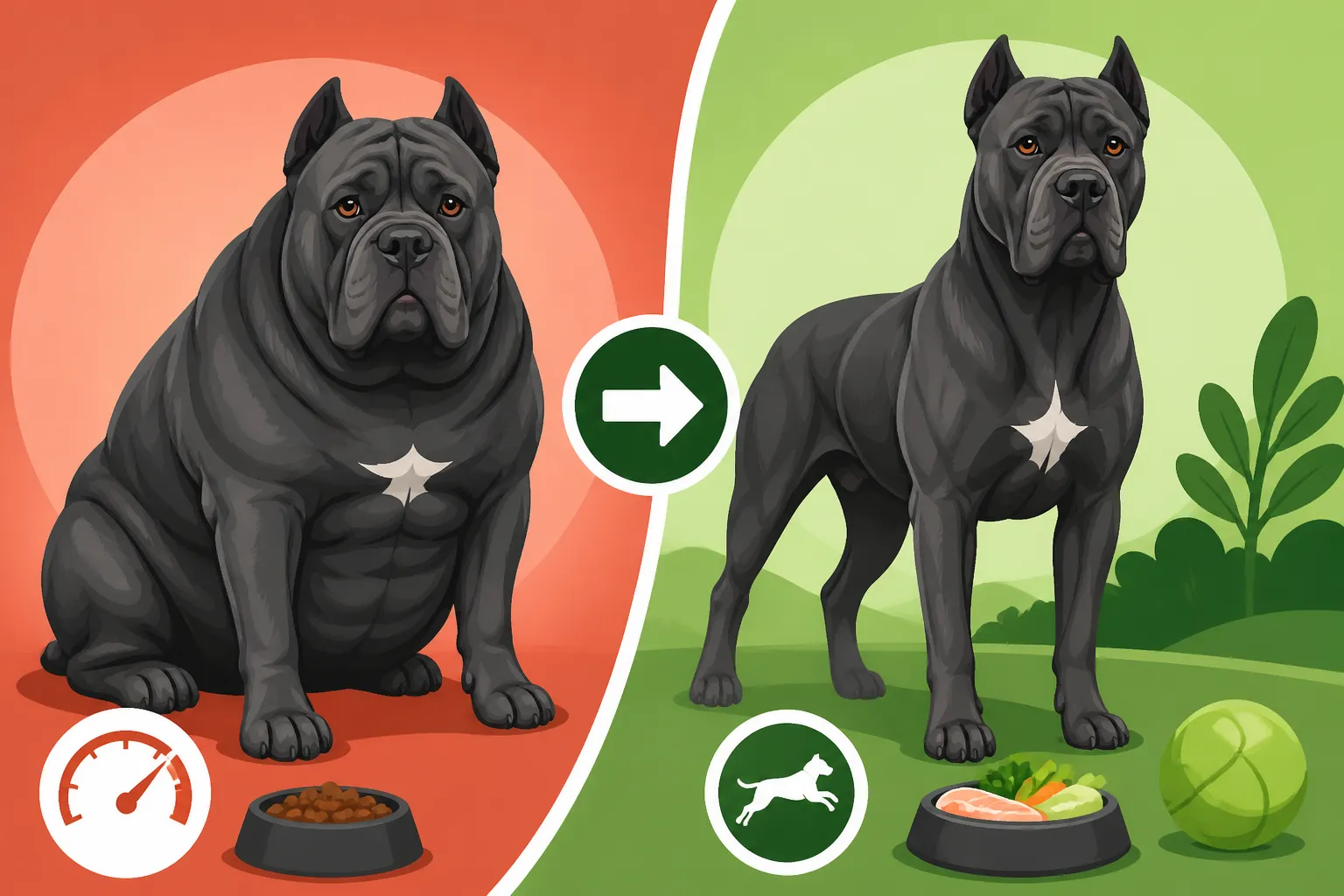
It's incredibly disheartening when you look at your powerful, noble Cane Corso and realize they've put on a few too many pounds. We all want our dogs to be in peak condition, but sometimes, despite our best intentions, that extra weight creeps on, making them less agile and potentially impacting their health. This guide is here to walk you through how to safely and effectively help your Cane Corso shed those unnecessary pounds, ensuring they remain the strong, vibrant companion they're meant to be.
Recognizing When Your Cane Corso is Overweight
It can be tough to objectively assess your own dog's weight, especially with a breed as naturally muscular and substantial as a Cane Corso. Their broad chests and powerful builds can sometimes mask the early signs of extra fat. However, recognizing when your Cane Corso is overweight is the critical first step towards a healthier future. It’s not just about what they look like, but also how their body feels and how they move.
The Rib Test and Body Condition Score
The most reliable way to determine if your Cane Corso is carrying too much weight isn't just a glance, but a hands-on approach. We call it the "rib test." You should be able to easily feel your dog's ribs when you run your hands along their sides, much like feeling the back of your hand. If you have to press firmly to feel them, or if you can't feel them at all, then it's a strong indicator that your Cane Corso is likely overweight. Similarly, feeling for their spine and hip bones should reveal them with a thin layer of fat, not a thick padding.
This tactile assessment is often used in conjunction with a Body Condition Score (BCS) chart, which veterinarians use to standardize their observations. These charts typically range from 1 to 9, with 1 being emaciated and 9 being morbidly obese, and an ideal score often falling around 4 or 5. A score of 6 or 7 indicates an overweight dog, while 8 or 9 means obesity. Learning to interpret these scores by touch and sight is invaluable for any Cane Corso owner. Remember, you want to be able to Checking a Cane Corso's Ribs With Your Hands without digging for them.
| Body Condition Score | Description | Ribs | Waist Tuck | Abdominal Fat |
|---|---|---|---|---|
| 1 (Emaciated) | Ribs, lumbar vertebrae, pelvic bones, and all bony prominences evident | Easily visible | Pronounced | None |
| 2 (Very Thin) | Ribs easily palpable and visible, no palpable fat | Visible | Obvious | Minimal |
| 3 (Thin) | Ribs easily palpable, minimal fat covering | Easily felt | Apparent | Minimal |
| 4 (Underweight) | Ribs easily palpable with a thin layer of fat covering | Easily felt | Slight | Little |
| 5 (Ideal) | Ribs palpable without excess fat, waist observed from above, tuck up | Felt easily | Present | Minimal |
| 6 (Overweight) | Ribs palpable with slight excess fat cover, waist barely visible | Felt with effort | Less distinct | Moderate |
| 7 (Heavy) | Ribs palpable with difficulty, heavy fat cover, no waist | Difficult to feel | Absent | Significant |
| 8 (Obese) | Ribs not palpable under heavy fat, abdominal distension | Cannot feel | Absent | Heavy |
| 9 (Morbidly Obese) | Massive fat deposits over thorax, spine, and tail base | Cannot feel | Bulging | Very heavy |
Early Warning Signs and Behavioral Changes
Beyond the physical touch, your Cane Corso might be giving you subtle cues that they're carrying too much weight. Are they less enthusiastic about their walks or playtime? Do they tire out more quickly than they used to, perhaps lagging behind on a familiar trail? You might notice them struggling to get up from a lying position, or being generally less graceful in their movements. These are all common behavioral changes that can signal increased weight.
Sometimes, the signs are even more basic. Perhaps their collar seems tighter, or their harness doesn't fit quite right anymore. They might start panting more easily, even with minimal exertion, especially on warmer days. Don't dismiss these changes as just "getting older" or "being lazy." For a powerful, active breed like the Cane Corso, maintaining an appropriate weight is crucial for their overall comfort and longevity. Addressing these early warning signs can prevent more serious health complications down the road.
Why Your Cane Corso Might Be Carrying Extra Pounds
Understanding why your Cane Corso is overweight is just as important as identifying the problem itself. It's rarely one single factor, but often a combination of dietary habits, exercise levels, and sometimes underlying health issues. As owners, we often mean well, but it's easy to fall into traps that contribute to our dog's weight gain.
Dietary Factors and Overfeeding
Let's be honest, those big, soulful Cane Corso eyes can be incredibly persuasive when they want an extra treat or a piece of your dinner. A major culprit in canine weight gain is simply overfeeding. Many owners measure food inconsistently, or free-feed their dogs, allowing them to graze throughout the day. For a breed that often scarfs down its food, leaving a bowl out invites unnecessary calorie consumption. Even a small handful of extra kibble each day or a few too many high-calorie treats can add up significantly over weeks and months.
The type of food also plays a huge role. Not all dog foods are created equal, and some are denser in calories than others. If your Cane Corso is on a diet designed for high-energy working dogs but lives a more relaxed life, they're likely getting too many calories for their activity level. Be meticulous about measuring food portions, perhaps using a kitchen scale for accuracy rather than just a scoop. Remember that treats should make up no more than 10% of their daily caloric intake, and table scraps are generally a no-go. When considering changes, you might look at specialized weight management formulas available on platforms like Chewy or consult with your vet about fresh food options, which some owners find help with weight control and satiety, though they require careful balancing, potentially through services like Ollie.
Insufficient Exercise and Sedentary Lifestyles
A Cane Corso is a working breed, originally developed for tasks like guarding property and driving cattle. They are not couch potatoes by nature, and while they appreciate downtime with their families, they require a significant amount of physical and mental exercise to stay healthy and happy. If your Cane Corso isn't getting enough structured exercise, those calories they're consuming aren't being burned off, leading directly to weight gain. Think about Sixty to Ninety Minutes Across Two Cane Corso Walks as a baseline, and even more active play beyond that.
Life gets busy, and it's easy to let daily walks become shorter or less frequent. However, for a Cane Corso, a sedentary lifestyle can quickly lead to weight issues, muscle loss, and even behavioral problems due to pent-up energy. They need outlets for their powerful bodies and intelligent minds. Simply letting them out in the yard isn't enough; they need engagement, whether that's brisk walks, playtime, scent work, or even specialized dog sports. Consistent, appropriate exercise isn't just about burning calories; it's about maintaining muscle mass, supporting joint health, and keeping their minds sharp.
Medical Conditions and Hormonal Imbalances
While diet and exercise are the most common reasons for weight gain, it's crucial not to overlook potential medical causes. Certain health conditions can lead to weight gain, making it incredibly difficult for your Cane Corso to shed pounds even with a diligent diet and exercise routine. Conditions like hypothyroidism (an underactive thyroid gland) can slow metabolism, causing weight gain despite reduced food intake. Other issues, such as Cushing's disease, can also manifest with increased appetite and a characteristic pot-bellied appearance.
Additionally, some medications can contribute to weight gain as a side effect. If your Cane Corso has recently started a new medication and you've noticed unexplained weight gain, it's worth discussing with your veterinarian. Always rule out any underlying medical conditions with a thorough check-up before embarking on a weight loss journey, especially if the weight gain seems sudden or excessive. Your vet can perform blood tests to check thyroid function or other hormonal imbalances. This initial step is vital to ensure that any weight loss plan you implement is safe and effective for your specific dog.
Crafting a Safe and Effective Weight Loss Plan
Once you've determined your Cane Corso needs to shed some weight and ruled out underlying medical issues, it's time to create a structured plan. This isn't about crash dieting or excessive exercise; it's about sustainable, healthy changes that will lead to gradual weight loss and a better quality of life for your companion. Patience and consistency are your greatest allies here.
Adjusting Food Portions and Choosing the Right Diet
The cornerstone of any successful weight loss plan is controlling calorie intake. Start by accurately measuring your Cane Corso's current food portion. Many food bags provide a "feeding guide," but these are often generalized and can be too generous for a dog needing to lose weight. A good starting point is to reduce their current portion by 10-20%. For instance, if they're eating 8 cups a day, try reducing to 6.5 or 7 cups initially. Remember, for a giant breed, even small adjustments can make a difference. Always measure meticulously using a proper measuring cup or, ideally, a kitchen scale for precision. The Daily Ration an Adult Cane Corso Actually Needs is often less than what many owners assume, particularly if their dog isn't actively working.
Consider transitioning to a high-quality weight management formula. These foods are typically lower in calories and fat, but higher in fiber, which helps your dog feel fuller for longer. Look for formulations specifically designed for "large breed weight management" to ensure appropriate nutrient balance. Read labels carefully for ingredients and calorie density. Some owners also find success with incorporating a small amount of low-calorie, high-fiber vegetables like green beans, carrots, or pumpkin (plain, canned) into their dog's meals to increase satiety without adding many calories. You can find a wide range of suitable weight management kibbles and even fresh food components on platforms like Amazon or Chewy, making it easy to research and order. If considering a fresh food diet, carefully balance it, perhaps with the help of a veterinary nutritionist or a reputable service like Ollie that provides pre-portioned, balanced meals.
Incorporating Appropriate Exercise Regimens
While diet is crucial, exercise is equally vital for burning calories, building lean muscle mass, and improving overall fitness. For a Cane Corso, jumping straight into intense, long runs can be detrimental to their joints, especially if they're already carrying extra weight. Start slow and gradually increase duration and intensity. Begin with longer, more frequent walks at a brisk pace. Aim for 30-45 minutes twice a day, if possible. As your Cane Corso’s stamina improves and they begin to shed weight, you can slowly introduce more varied activities.
Consider activities that are gentle on their joints but still provide a good workout. Swimming is an excellent low-impact exercise that builds muscle and burns calories without stressing hips and elbows. What Extra Weight Does to a Cane Corso's Hips is significant, so protecting those joints is paramount. If swimming isn't an option, structured leash walks with varied terrain (gentle inclines, different surfaces) can be beneficial. Mental exercise, like scent work or puzzle toys, also burns calories and helps keep your Cane Corso engaged and happy. Always monitor your dog for signs of fatigue or discomfort, especially in the beginning, and adjust the exercise plan as needed. The goal is consistent, enjoyable activity, not punishing workouts.
Monitoring Progress and Making Adjustments
Weight loss is rarely a straight line; there will be plateaus and small fluctuations. Consistency in monitoring is key to staying on track. Weigh your Cane Corso regularly, perhaps once a week, at the same time of day and on the same scale. Keep a log of their weight, food intake, and exercise. This data will help you see trends and make informed decisions. Don't get discouraged if the scale doesn't move every week; look at the overall trend. A healthy weight loss rate for a dog is typically 1-2% of their body weight per week. For a large Cane Corso, this might mean losing only a pound or two a week, which is perfectly safe and sustainable.
Beyond the scale, continue to use the rib test and observe their body condition. Are their ribs becoming easier to feel? Is a waist tuck starting to reappear? Are they moving with more energy and less effort? These visual and tactile cues are often more telling than just the number on the scale. If weight loss stalls for more than a couple of weeks, re-evaluate their food intake and exercise levels. You might need to slightly reduce their calories further or increase their exercise duration or intensity. Always consult your veterinarian if you're concerned about a lack of progress or if your Cane Corso seems unwell. They can offer guidance and ensure your plan remains appropriate for your dog's individual needs.
The Risks of Rapid Weight Loss and Unsafe Methods
In our eagerness to help our dogs, it's easy to fall into the trap of wanting quick results. However, when it comes to weight loss for a large breed like the Cane Corso, rushing the process with extreme measures can do more harm than good. Rapid weight loss methods are often unsafe and can lead to serious health complications that undermine your ultimate goal of a healthier dog.
Health Complications from Crash Diets
Just like in humans, crash diets for dogs involve drastically cutting calories, often leading to nutrient deficiencies. For a Cane Corso, who needs a balanced diet for their powerful musculature and bone structure, this can be particularly damaging. Depriving them of essential vitamins, minerals, and protein can lead to muscle wasting, a weakened immune system, and a dull, unhealthy coat. Instead of losing fat, they might lose crucial muscle mass, which is counterproductive to their overall health and strength.
Moreover, extreme caloric restriction can put undue stress on their internal organs, particularly the liver and kidneys. For deep-chested breeds like the Cane Corso, rapid changes in diet or insufficient food can sometimes contribute to digestive upset, which can range from mild discomfort to more serious issues. The goal is a gradual, controlled reduction in calories, ensuring they still receive all the necessary nutrients for a healthy body. Consulting with your vet or a certified canine nutritionist is invaluable to ensure your chosen diet is complete and balanced for weight loss without sacrificing health. Cutting a Cane Corso's Cups After Neutering needs to be done carefully, as metabolism can change post-surgery, but never drastically.
Over-Exercising and Joint Strain
An overweight Cane Corso already has increased strain on their joints, especially their hips and elbows. Throwing them into an intense exercise regimen too quickly is a recipe for injury. High-impact activities like aggressive fetching, prolonged running on hard surfaces, or excessive jumping can exacerbate existing joint problems, leading to pain, inflammation, and potentially severe injuries like cruciate ligament tears. This is especially true for an older or less conditioned dog.
Instead, prioritize low-impact activities and a gradual increase in exercise. Focus on consistent, moderate activity that builds stamina and muscle without jarring their joints. Swimming, gentle leash walks, and short play sessions that avoid sudden stops and starts are much safer. Remember that What Extra Weight Does to a Cane Corso's Hips can predispose them to issues, so always err on the side of caution. Listen to your dog's body language; if they're limping, stiff, or unusually tired after exercise, it's a sign you've pushed them too hard. Recovery and rest are just as important as the activity itself.
The Psychological Impact of Deprivation
While we focus on the physical aspects of weight loss, it's important to consider the psychological impact on your Cane Corso. Dogs are often very food-motivated, and sudden, severe reductions in food can lead to feelings of deprivation, anxiety, and frustration. This can manifest as increased begging, scavenging for food, destructive chewing, or even changes in their overall temperament. A constantly hungry dog is not a happy dog, and an unhappy dog can develop new behavioral challenges.
The key is to make their diet feel less like punishment and more like a healthy lifestyle change. Using slow feeder bowls can prolong meal times, making them feel more satisfied. Offering low-calorie, healthy treats (like small pieces of carrot or apple) in moderation can help bridge gaps. Engaging them with plenty of mental stimulation, puzzle toys, and positive reinforcement for good behavior can shift their focus away from constant food seeking. The aim is to make your Cane Corso feel good, both physically and mentally, as they lose weight. A truly effective weight loss plan integrates psychological well-being with physical health.
Long-Term Strategies for Maintaining a Healthy Weight
Losing weight is a significant achievement, but keeping it off is where the real challenge lies. For your Cane Corso, maintaining a healthy weight for life requires ongoing commitment to consistent routines, appropriate nutrition, and a vigilant eye on their overall well-being. This isn't a temporary diet; it's a permanent lifestyle shift for both of you.
Consistent Routine and Portion Control
The foundation of long-term weight management for your Cane Corso is a consistent daily routine. This means feeding them at the same times each day, with meticulously measured portions. Once your Cane Corso reaches their ideal weight, you might need to slightly increase their food portion from the weight-loss amount, but it will still be less than what they were eating when they gained weight. Re-evaluate their daily calorie needs based on their ideal weight and activity level, and stick to that new measurement religiously. Avoiding free-feeding is crucial; meal times should be specific and controlled.
Beyond food, a consistent exercise schedule is also vital. Whether it's daily walks, playtime in the yard, or visits to a dog park (if appropriate for your Cane Corso's temperament), regularity is key. Dogs thrive on routine, and knowing when to expect their meals and walks helps manage their expectations and reduce anxiety around food. Regular weigh-ins, perhaps once a month, can also serve as an early warning system if the weight starts to creep back on, allowing you to make small adjustments before it becomes a significant problem again. The goal is to keep them Why a Lean Cane Corso Keeps Its Hips Longer and healthy. This consistency also applies to The Structure a Cane Corso Needs Every Single Day in their home life and training.
Engaging Mental and Physical Activities
A Cane Corso is a smart, powerful breed that needs more than just physical exercise; they need mental stimulation to stay fulfilled. Boredom can often lead to overeating or destructive behaviors as an outlet for pent-up energy. Incorporating a variety of activities that challenge both their body and mind can be incredibly effective in maintaining a healthy weight and overall well-being. Think beyond just walks.
Introduce new games, try puzzle feeders that make them work for their meals, or engage in scent work. Even short training sessions each day, teaching new tricks or reinforcing old commands, can provide valuable mental exercise. If they enjoy it and are physically capable, consider dog sports like obedience, rally, or even weight pulling (once at a healthy weight and properly conditioned). These activities provide a purpose and a fantastic physical outlet. A well-exercised and mentally stimulated Cane Corso is less likely to be seeking food out of boredom or frustration, contributing to a stable, healthy weight.
Regular Vet Check-ups and Preventative Care
Even after your Cane Corso has reached and maintained a healthy weight, regular veterinary check-ups remain essential. These appointments allow your vet to monitor their overall health, catch any potential issues early, and ensure their weight is stable. Yearly Bloodwork on an Adult Cane Corso can help detect underlying metabolic changes or other health concerns that might impact weight. Your vet can also assess their joints and overall mobility, especially given the breed's propensity for conditions like hip and elbow dysplasia, which can be exacerbated by excess weight.
Discuss your Cane Corso's diet and exercise routine with your vet at each visit to make sure it's still appropriate for their age and activity level. As dogs age, their metabolism can slow, requiring adjustments to their food intake. How Often a Healthy Cane Corso Sees the Vet should be a consistent part of their preventative care plan. Maintaining a proactive approach to their health, including regular dental care, parasite control, and vaccinations, contributes to their overall vitality and makes it easier for them to stay active and at a healthy weight throughout their lives. Your vet is your best partner in ensuring your Cane Corso lives a long, healthy, and happy life.
Disclaimer
This article is for general informational purposes only and does not constitute professional advice. Laws, prices and regulations vary by location and change over time. Consult a qualified professional for guidance on your specific situation.