Whether Bones Are Safe for a Cane Corso
It’s a tale as old as time for dog owners: you look at your powerful Cane Corso, with their incredible jaws and innate desire to chew, and the thought inevitably crosses your mind – "Should I give them a bone?" On one hand, it feels so natural, so primal, like you're tapping into their wolf ancestry. On the other, every vet visit comes with a warning about blockages and broken teeth. This guide is here to unravel that conundrum, offering a realistic, empathetic look at the question of whether bones are truly safe for your magnificent Cane Corso and what choices you can make to keep them healthy and happy.
The Critical Distinction: Cooked Versus Raw Bones
Before we even dive into the nitty-gritty, let's get one crucial thing straight that often causes confusion: there's a world of difference between cooked bones and raw bones when it comes to dog safety. Mixing these up can have dire consequences for your Cane Corso.
Why Cooked Bones Are a Strict No-Go
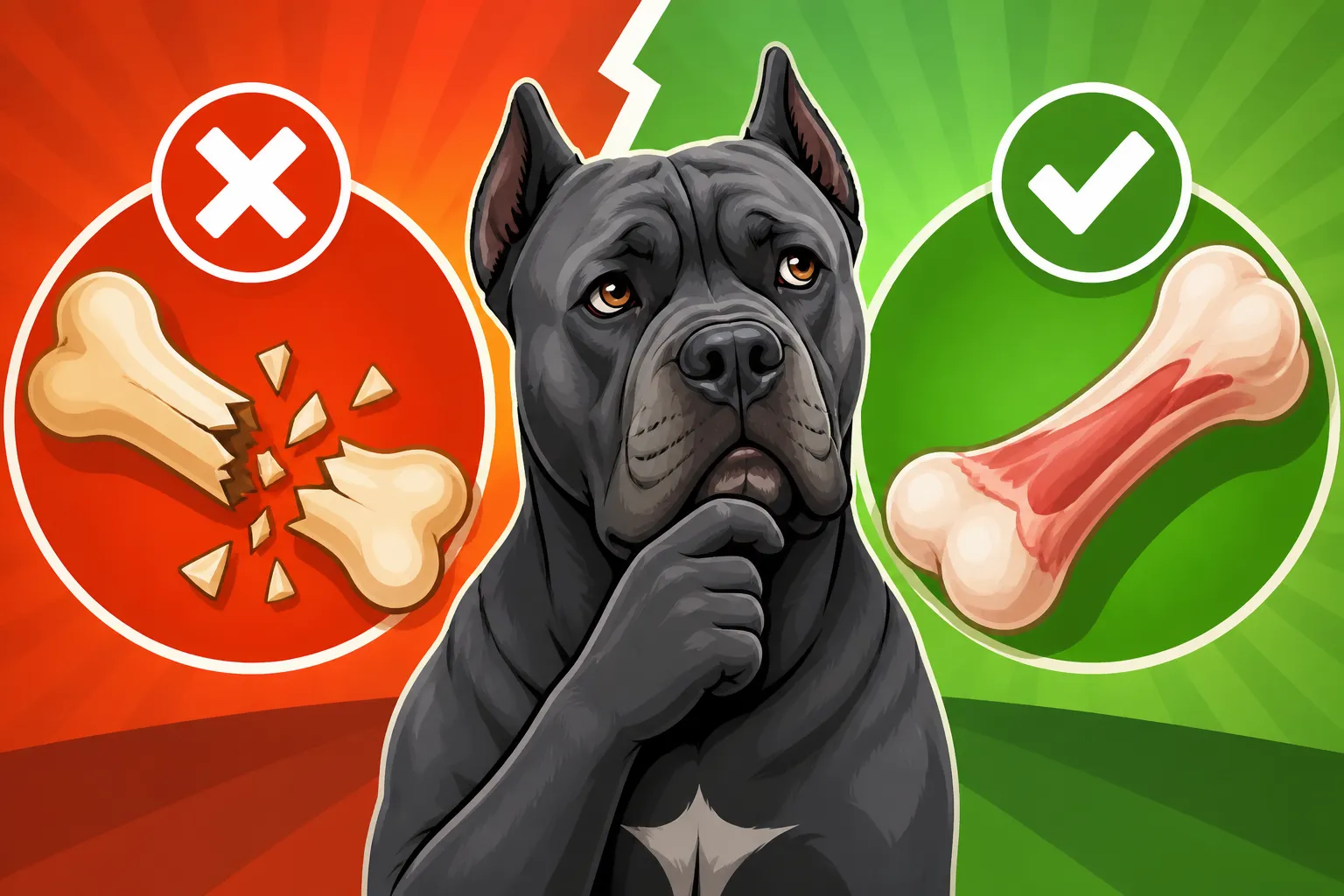
This is perhaps the most important rule of thumb for any dog owner, especially those with large, powerful chewers like Cane Corsos. Cooked bones, regardless of their size or origin (chicken, beef, pork, whatever), become incredibly brittle. Think about how a chicken bone snaps after you've eaten the meat – it splinters into sharp, jagged shards. When your Cane Corso chews on a cooked bone, those fragments can do some serious damage.
Imagine your powerful Cane Corso, effortlessly crunching down on a leftover T-bone steak. Those cooked bone fragments can easily get lodged in their throat, causing a terrifying choking emergency. Even if they swallow them, those sharp pieces can puncture their esophagus, stomach, or intestines. We're talking about severe internal bleeding, peritonitis, and emergency surgery with a very guarded prognosis. It’s a risk that no treat is worth, and this isn't just a slight possibility; it's a well-documented and frequent veterinary emergency. Please, whatever you do, keep all cooked bones out of reach.
Understanding Raw Bones: Not a Universal Green Light
Now, raw bones are a bit more nuanced. They don't splinter in the same way cooked bones do because they retain their natural elasticity. This is why you'll often hear raw feeding advocates or even some traditionalists suggest raw meaty bones. However, "safer" doesn't mean "risk-free." Raw bones still carry a host of potential issues that any Cane Corso owner needs to be fully aware of before considering them as a treat or part of their diet.
The appeal of raw bones is obvious: they provide mental stimulation, help clean teeth, and can offer some nutritional benefits if they're "meaty" bones. But a Cane Corso’s jaw strength is immense. They aren't delicately nibbling; they're crushing. This brute force, combined with the inherent properties of bones, can still lead to significant problems. We'll explore these risks in detail next, but the takeaway here is that while raw bones are fundamentally different from cooked ones, they demand extreme caution and an understanding of specific types and practices.
The Very Real Dangers of Bone Chewing for Cane Corsos
Even with raw bones, the powerful jaws of a Cane Corso can turn what seems like a harmless treat into a serious hazard. These dogs are built for strength, and their chewing power is no exception. This means they can make quick work of bones that might challenge smaller breeds, leading to a unique set of risks.
Choking and Internal Obstructions
This is arguably the most terrifying risk for any dog owner. A Cane Corso, with their robust chewing capabilities, can break off pieces of bone that are too large to swallow safely. These pieces can then become lodged in their throat, leading to immediate choking. It's a situation that requires lightning-fast intervention, and often, by the time you realize what's happening, it can be too late. A hundred-pound dog struggling to breathe is a nightmare no one wants to face.
Beyond choking, if a large enough bone fragment makes it down the esophagus, it can get stuck further along the digestive tract. Imagine a bone wedged in the stomach or intestines. This leads to a blockage, or obstruction, which is an extremely painful and life-threatening condition. Symptoms often include vomiting, lethargy, abdominal pain, and an inability to pass stool. This isn't just discomfort; it's an emergency that almost always requires costly and invasive surgery to remove the obstruction. The recovery can be long and difficult, and sometimes, even with surgery, the outcome isn't good. The sheer size of a Cane Corso means larger obstructions are possible, complicating surgical intervention.
Dental Damage: Fractured Teeth and Gum Injuries
While proponents of bones often tout their dental cleaning benefits, the reality is that many bones are simply too hard for a dog's teeth. A Cane Corso's powerful bite, combined with a hard bone, is a recipe for disaster when it comes to their pearly whites. It's incredibly common for vets to see fractured teeth in dogs that chew on hard bones, antlers, or even ice cubes.
A fractured tooth isn't just cosmetic; it's excruciatingly painful and can lead to serious infections. A chip or crack can expose the sensitive pulp chamber of the tooth, which is full of nerves and blood vessels. This requires immediate veterinary attention, often in the form of a root canal or extraction, which for a large dog like a Cane Corso, means expensive dental surgery under general anesthesia. The Dental Bill on a Cane Corso With Retained Teeth can be substantial, and a fractured tooth adds another layer of complexity. Gum injuries are also common, with sharp edges of bone causing cuts and abrasions that can become infected.
Bacterial Contamination and Food Safety Concerns
If you're considering raw bones, you absolutely must acknowledge the bacterial risks. Raw meat and bones can harbor bacteria like Salmonella, E. coli, and Listeria. While dogs' digestive systems are more robust than humans', they can still get sick from these bacteria, leading to gastrointestinal upset, severe diarrhea, and dehydration. More concerning, these bacteria can be shed in their feces, posing a risk to human family members, especially children, the elderly, or those with compromised immune systems.
Proper handling is paramount: separate cutting boards, thorough washing of hands and surfaces, and immediate disposal of any uneaten bone fragments. This also means understanding that any raw bone left lying around the house can contaminate your floors and furniture. It's a significant commitment to hygiene that many owners don't fully appreciate until they're faced with the consequences.
Safer Alternatives to Satisfy That Chewing Instinct
Given the legitimate concerns around bones, it's completely understandable if you're leaning towards safer alternatives to keep your Cane Corso's powerful chewing instinct satisfied. Trust me, there are plenty of excellent options out there that offer mental stimulation and dental benefits without the high risks. The Damage a Bored Cane Corso Does Indoors can be significant, so finding appropriate outlets for chewing is essential for their well-being and your peace of mind.
Purpose-Made Chews and Durable Toys
This category is your best friend when it comes to satisfying a Cane Corso's need to chew. Companies have invested heavily in creating durable, safe, and engaging chew toys specifically designed for strong chewers.
- Rubber Chews: Brands like Kong, for instance, offer heavy-duty rubber toys that can withstand intense chewing. These are fantastic because they're not meant to be consumed, reducing the risk of ingestion. The added bonus is that many of them can be stuffed with treats or peanut butter, turning them into a long-lasting puzzle that provides hours of mental enrichment. You can find a huge variety of these on platforms like Amazon or Chewy, and it’s always worth reading reviews from other large breed owners to ensure you’re getting something truly robust.
- Nylon Chews: Certain nylon chews are designed to be extremely durable and can help scrape plaque off teeth. The key here is to choose a size appropriate for your Cane Corso – too small, and it becomes a choking hazard. Always monitor these chews, as even the toughest ones can eventually wear down, and small pieces might break off. Replace them before they become a risk. Look for ones specifically marketed for "power chewers" or "giant breeds." Chews That Survive a Cane Corso's Jaw are not always easy to find, so research is key.
Edible Dental Chews and Balanced Diets
For those looking for something consumable that also aids dental health, there's a wide array of edible dental chews on the market. These are designed to be digestible and often have ingredients that help reduce plaque and tartar buildup.
- Digestible Dental Chews: When choosing these, look for products from reputable brands that are vet-recommended and appropriate for your Cane Corso's size and weight. Some are shaped specifically to get into the nooks and crannies of teeth. Be mindful of the calorie content, as these can add up! They are a fantastic way to offer a treat that serves a dual purpose.
- Balanced Fresh Food Options: While not a chew per se, a high-quality, balanced diet can contribute significantly to your dog's overall health, including their dental well-being. Services like Ollie, for example, provide fresh, human-grade food that is carefully formulated to meet all nutritional needs. While they don't replace chewing, a dog on a nutrient-rich diet with fewer processed ingredients may experience better oral health over time. Regular vet check-ups and professional dental cleanings are always the gold standard for canine dental care, regardless of diet or chew toys. Whether a Cane Corso Needs a Yearly Dental is a question every owner should discuss with their vet.
Recreational Raw Meaty Bones (with extreme caution)
If you are absolutely determined to offer raw bones, then "recreational raw meaty bones" are the only type to consider, and even then, with stringent protocols. These are bones with plenty of meat and connective tissue still attached, which makes them less likely to break into dangerous shards and more likely to be consumed slowly.
- Appropriate Types: Think chicken backs, necks, or large beef ribs. Avoid weight-bearing bones from large animals (like femurs or knuckles) at all costs, as these are incredibly dense and are notorious for breaking teeth. The bone should be large enough that your Cane Corso cannot swallow it whole, but not so large or dense that it will break their teeth.
- Strict Supervision: I cannot stress this enough: never leave your Cane Corso unsupervised with a raw bone. Always be present to intervene if a piece breaks off, if they try to swallow too large a chunk, or if they're chewing too aggressively. Take the bone away once it's been stripped of most of its meat or if it becomes small enough to pose a choking hazard. This often means only allowing them access for a short period. This practice requires vigilance, patience, and a strong will to retrieve the bone when necessary, which might require some Teaching a Cane Corso Puppy to Give Things Up.
Best Practices for Bone Enthusiasts (If You Must)
If you've weighed all the risks and still feel that raw bones are something you want to incorporate into your Cane Corso's routine, it’s absolutely vital to follow strict best practices. This isn't a casual decision; it's one that demands commitment to safety and a deep understanding of what constitutes a "safe" bone for a dog with the jaw power of a Cane Corso.
Size, Type, and Preparation Matters Immensely
Choosing the right bone is the first, and perhaps most critical, step. This isn't a "one size fits all" situation, especially with a breed of this magnitude.
- Avoid Weight-Bearing Bones: As mentioned before, stay away from large, dense leg bones (like beef femurs or knuckles). These are simply too hard and will almost certainly lead to fractured teeth. Your Cane Corso's powerful bite, while impressive, needs to be protected, and these bones offer no give. Think about what a When a Limping Cane Corso Needs an X-Ray might reveal if a tooth is broken and infected.
- Go for Raw Meaty Bones: Look for bones that are fully covered in meat and connective tissue. These are softer and more flexible, making them less likely to splinter or cause tooth damage. Examples include raw chicken backs, necks, or wings (for quick consumption), or larger raw beef ribs. The meat and cartilage provide a natural cushion.
- Size it Up: The bone should be significantly larger than your Cane Corso’s mouth opening, so they can’t swallow it whole. However, it also shouldn't be so massive that they can't get their mouth around it, which would encourage them to try and break off smaller, dangerous pieces. It’s a delicate balance. For a growing Cane Corso puppy, this needs careful consideration, as their jaws are still developing. What a Cane Corso Puppy Eats Before Twelve Months should focus on balanced nutrition, not hard bones.
- No Cooked Bones, Ever: This bears repeating. Any cooked bone, whether roasted, boiled, or smoked, is brittle and dangerous. Don't risk it.
Constant, Unwavering Supervision
This is non-negotiable. If you give your Cane Corso a raw bone, you must be present and actively supervising them the entire time.
- Stay Within Arm's Reach: Don't just be in the same room; be close enough to intervene immediately if something goes wrong. If your Cane Corso starts chewing too aggressively, trying to swallow a large piece, or if the bone itself starts to splinter or break into dangerous sizes, you need to be able to take it away.
- Limited Chewing Time: Raw bones are for recreational chewing, not for endless gnawing. Set a time limit, perhaps 15-20 minutes, especially if your Cane Corso is a vigorous chewer. The goal is to allow them to enjoy the treat and clean their teeth without pushing into the danger zone of the bone becoming too small or too worn.
- Knowing When to Discard: Once the bone is stripped of most of its meat, or if it becomes small enough to fit entirely in your Cane Corso's mouth, it's time for it to go. Don't let them ingest tiny fragments. Discard any remaining bone pieces responsibly to prevent them from being dug up later.
Hygiene, Storage, and Cleanup
Handling raw bones introduces specific hygiene considerations that are important for both your dog's health and your household's safety.
- Source Carefully: If you're going the raw route, buy bones from a reputable butcher or raw pet food supplier. Ensure they are fresh and intended for pet consumption.
- Proper Storage: Store raw bones in the freezer until you're ready to use them. Thaw them in the refrigerator, just like you would with raw meat for human consumption.
- Dedicated Chewing Area: Designate a specific, easy-to-clean area for bone chewing. This could be outdoors on concrete, or indoors on a mat or towel that can be easily washed or discarded. This helps contain any mess and bacterial spread.
- Wash Hands and Surfaces: After handling raw bones or after your Cane Corso has finished chewing, thoroughly wash your hands with soap and hot water. Clean and sanitize any surfaces the bone came into contact with. This minimizes the risk of bacterial cross-contamination to humans.
By being meticulous about these guidelines, you can significantly reduce the risks associated with raw bone chewing. However, remember that no bone feeding is entirely risk-free. Always prioritize your Cane Corso's safety and consult with your veterinarian if you have any doubts or questions.
| Bone Type | Safety Level | Risks | Potential Benefits (if any) |
|---|---|---|---|
| Cooked Bones (any type) | HIGHLY DANGEROUS | Splintering, choking, internal punctures, obstructions | None |
| Raw Weight-Bearing Bones (e.g., beef femurs, knuckles) | HIGH RISK | Broken teeth, choking, intestinal blockage, bacterial contamination | Long-lasting chew, mental stimulation (but too risky) |
| Raw Meaty Bones (e.g., chicken backs/necks, beef ribs with meat) | MODERATE RISK (with strict supervision) | Choking, bacterial contamination, dental trauma (less common than weight-bearing) | Source of calcium/phosphorus, mental enrichment, some dental scraping |
| Edible Dental Chews (appropriate size) | GENERALLY SAFE | Choking (if swallowed whole), high calorie count | Dental hygiene, mental stimulation |
| Durable Rubber/Nylon Chews (non-consumable) | GENERALLY SAFE | Ingestion of small pieces (if worn down or too small), choking (if toy is too small) | Mental stimulation, dental health (some types), stress relief |
Disclaimer
This article is for general informational purposes only and does not constitute professional advice. Laws, prices and regulations vary by location and change over time. Consult a qualified professional for guidance on your specific situation.