Which Tool Pulls a Cane Corso’s Undercoat Out
If you're a Cane Corso owner, you know the struggle: you brush, you vacuum, you find hair everywhere. It's a common frustration, feeling like you're constantly battling a never-ending snowstorm of fur, especially when your big dog decides it's shedding season. This guide is here to cut through the confusion and help you discover the most effective tools and techniques for pulling out that dense Cane Corso undercoat, making your life and your dog's a whole lot cleaner and more comfortable.
Understanding Your Cane Corso's Coat and Shedding Cycle
Let's be honest, those majestic, short coats can be deceptively high-maintenance when it comes to shedding. Many people assume that a short-haired dog won't shed much, or at least not as much as a fluffy breed, and then they bring home a Cane Corso and quickly realize that simply isn't the case. It’s a common misconception that often catches new owners off guard, leading to a home seemingly coated in a fine layer of Corso fur. You might even wonder if your vacuum cleaner is truly up to the task or if you need to buy a bigger, stronger model just to keep up.
The Double Coat Revealed: Why It Sheds So Much
The Cane Corso actually has a double coat, although it's not as obvious as on, say, a German Shepherd. They possess a short, stiff, glossy outer coat, which acts as a protective barrier against the elements. Beneath that, however, lies a dense, fine undercoat. This undercoat is what provides insulation, keeping them warm in colder weather and helping to regulate their body temperature. It's also the primary culprit behind the constant shedding you experience. While the outer coat sheds, it's the sheer volume of that undercoat that really makes an impact on your floors, furniture, and clothing.
Cane Corsos typically have two major "blowouts" each year, usually in the spring and fall, when they shed their old undercoat to make way for a new one. This is when you'll feel like you're literally sweeping up dog hair by the handful, and it can be incredibly disheartening when you've just finished cleaning, only to see more tumbleweeds of fur rolling across the living room floor moments later. But even outside of these peak seasons, they shed a little bit all the time. This continuous, lighter shedding is often due to the constant turnover of hair follicles, ensuring their coat remains healthy and functional. Many owners notice that the amount of shedding can vary greatly depending on climate, diet, and even stress levels, adding another layer of unpredictability to the task of keeping their homes fur-free. It's a never-ending cycle, and understanding the "why" behind it helps us better tackle the "how." You might want to learn more about The Cane Corso Coat That Sheds More Than You Expect and How Much a Cane Corso Sheds Twice a Year.
The Importance of Undercoat Removal
Beyond just keeping your house clean, actively removing your Cane Corso's loose undercoat is crucial for their overall health and comfort. If left to its own devices, that shedding undercoat can get matted and packed against their skin, even with a short coat. While you might not see the dramatic tangles common in long-haired breeds, a dense, dead undercoat creates a breeding ground for skin irritation, hotspots, and even yeast infections because it traps moisture and prevents proper air circulation. It can become a sticky, uncomfortable mess for your dog, especially in warmer weather, making them prone to overheating.
Regular deshedding also helps to distribute natural skin oils, which are vital for maintaining a healthy, shiny coat. When these oils are spread evenly, they condition the skin and hair, reducing dryness and itchiness. Think of it as a natural conditioner for your dog's skin and fur. Plus, for a dog that’s already carrying a lot of muscle and bone, reducing that extra layer of trapped hair can genuinely make them feel lighter and more comfortable, especially when temperatures rise. It also means you’re removing hair that would otherwise end up on your couch, your clothes, and your car, which, let's be honest, is a huge bonus for any Cane Corso owner. Nobody enjoys finding hair in their morning coffee, and a proactive grooming routine significantly cuts down on those little surprises. This proactive approach saves you both time and stress in the long run. The sheer volume of hair can be astonishing, and it sticks to everything. Many owners wonder Why a Cane Corso's Hair Sticks in Everything.
The Best Tools for Undercoat Extraction
When it comes to tackling that dense Cane Corso undercoat, not all brushes are created equal. You need specialized tools designed to reach beneath the guard hairs and pull out the loose, dead fluff. Regular bristle brushes or slicker brushes, while good for general grooming, simply won't cut it for serious deshedding. It's like trying to rake leaves with a broom—you'll get some, but you'll miss most of the mess. The right tool makes all the difference between a frustrating, ineffective grooming session and one that leaves your dog feeling lighter and your home noticeably cleaner. Finding what works best can be a bit of trial and error, but focusing on these specific types of tools will get you headed in the right direction.
Deshedding Tools: The Heavy Lifters
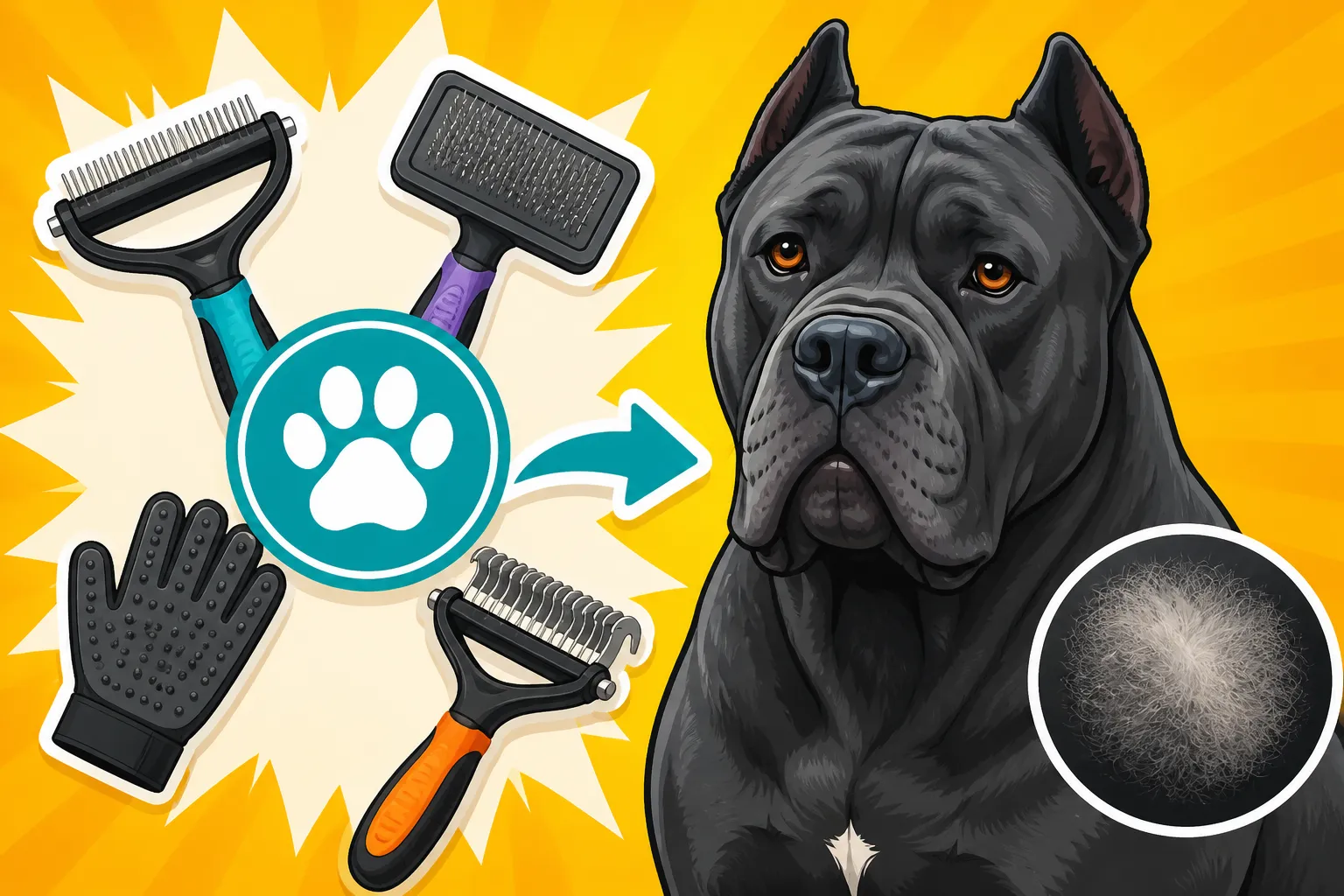
These are often the first tools people think of when tackling shedding, and for good reason. Deshedding tools, like those with a fine-toothed blade or comb design, are incredibly effective at grabbing and removing large amounts of loose undercoat with minimal effort. They are engineered to reach deep into the coat, past the protective outer layer, and extract the dead hair before it falls out naturally all over your house. The fine teeth work to separate the undercoat from the guard hairs, pulling out only what’s ready to go.
The pros of these tools are undeniable: they dramatically reduce shedding, often by a significant percentage, with consistent use. You'll see piles of fur coming off your Cane Corso, which can be incredibly satisfying and visually confirm you're making a difference. However, they do come with a caveat. If used incorrectly or too aggressively, the blades can potentially cut your Cane Corso's healthy guard hairs or irritate their sensitive skin. This is why it's crucial to use them with a light hand, in short, gentle strokes, and never press down too hard. They are meant to glide over the skin, not scrape it. You can find a wide variety of these deshedding tools, often with different blade widths for various dog sizes, on platforms like Amazon or Chewy. Just be sure to read reviews and watch some instructional videos to ensure you’re using them safely and effectively. Over-grooming with these can actually be detrimental, so a balanced approach is key.
Undercoat Rakes: Gentle and Effective
A traditional undercoat rake is another indispensable tool for Cane Corso owners. Unlike the blade-style deshedding tools, these typically feature longer, widely spaced pins or rotating teeth. Their design allows them to penetrate through the outer coat and gently pull out loose undercoat without digging into the skin or cutting healthy hair. They are particularly good for dogs with very dense undercoats where a deshedding blade might struggle to get through without snagging.
The primary advantage of an undercoat rake is its gentleness. It's often more comfortable for dogs who are sensitive to the sensation of the finer-bladed deshedding tools. The wider teeth glide more smoothly through the coat, making it a less abrasive experience for your Cane Corso. This can be especially important if your dog is still getting used to regular grooming sessions or has any skin sensitivities. While they might not pull out as much hair in a single session as a deshedding blade, consistent use of an undercoat rake will still yield impressive results in reducing shedding and preventing undercoat matting. They are fantastic for daily or every-other-day maintenance, especially during those heavy shedding periods. You can find excellent quality undercoat rakes on pet supply sites like Chewy, offering a good range of options from various reputable brands. They truly are an essential part of a comprehensive grooming kit.
Rubber Curry Brushes and Grooming Gloves: The Everyday Helpers
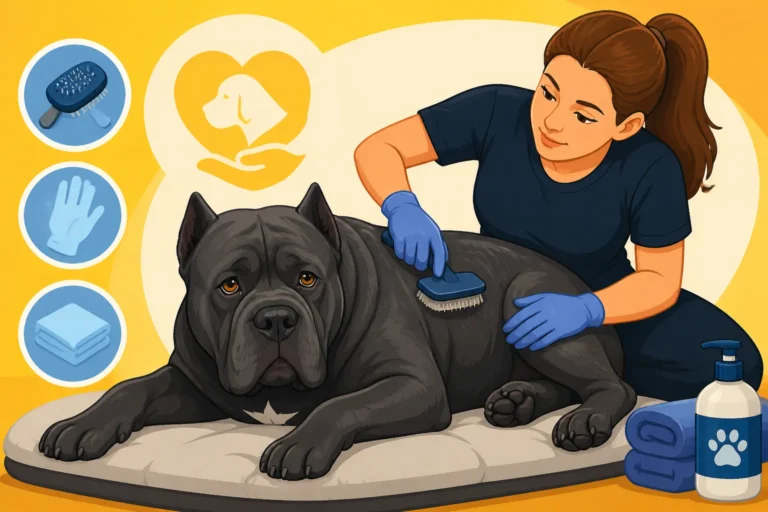
While not specifically designed for deep undercoat removal, rubber curry brushes and grooming gloves play a vital role in a Cane Corso's grooming routine as excellent everyday helpers. These tools are fantastic for loosening surface hair, stimulating the skin, and distributing natural oils throughout the coat. The soft rubber bristles or nubs provide a gentle massage, which many dogs absolutely love, turning grooming into a pleasant bonding experience rather than a chore.
A rubber curry brush, often used in circular motions, works wonderfully for a first pass to lift loose hair and dirt from the top layer of the coat. It's also incredibly effective during bath time, helping to work shampoo deep into the coat and then easily rinse out loose hair. Grooming gloves offer a similar benefit, allowing you to "pet" your dog while simultaneously removing shedding hair. They're particularly useful for getting into tricky spots like legs, paws, and the head, and for dogs who are hesitant about traditional brushes.
The pros are their comfort, ease of use, and ability to clean the coat and stimulate blood flow to the skin, promoting a healthier coat overall. They're also safe and gentle enough for daily use, helping to keep lighter shedding under control between more intense deshedding sessions. However, it's important to remember their limitations: they won't penetrate deep enough to extract significant amounts of undercoat like a deshedding rake or blade will. Think of them as excellent complementary tools, perfect for maintaining a clean, healthy coat and managing daily, lighter shedding, but not the primary solution for a full undercoat blowout. They are widely available and affordable on platforms like Amazon, making them an easy addition to any Cane Corso owner's grooming arsenal.
Techniques for Effective Undercoat Removal
Having the right tools is only half the battle; knowing how to use them effectively is the other. Your Cane Corso isn't just a dog; they're a large, powerful animal, and approaching grooming with patience, consistency, and the correct technique will make all the difference. It's about turning what could be a wrestle into a calm, even enjoyable, routine for both of you. Remember, a comfortable dog is a cooperative dog, and for a breed of this size, cooperation is everything. Don't underestimate the power of making grooming a positive experience from day one.
The Right Way to Deshed Your Cane Corso
Effective deshedding isn't about brute force; it's about technique and consistency. Always start with a clean, dry coat. A damp or dirty coat will make the tools drag and be less effective, potentially causing discomfort for your dog. If your Cane Corso is due for a bath, give them one first and ensure they are completely dry before you begin deshedding.
When using a deshedding blade or undercoat rake, use short, gentle strokes, always brushing in the direction of hair growth. Start at the neck and work your way down their back, sides, and eventually their chest and hindquarters. Avoid applying too much pressure; the tool should glide smoothly over the skin. For areas with denser undercoat, you might need to go over them a few times. Don't just brush the same spot repeatedly; move around and come back to it later if needed. It’s a marathon, not a sprint. For a large breed like the Cane Corso, patience is key. You'll be amazed at the amount of hair that comes off, so have a garbage can nearby! Take breaks if your dog gets antsy, and always end on a positive note. You can find more detail on Getting a Brush Through a Cane Corso's Dense Undercoat.
Creating a Grooming Routine
Consistency is paramount when it comes to managing your Cane Corso's shedding. During peak shedding seasons (spring and fall), aim for deshedding sessions 2-3 times a week, or even daily with a gentler undercoat rake, for about 10-15 minutes each time. Outside of these heavy shedding periods, once a week or every other week might be sufficient. The goal is to get into a rhythm that works for both you and your dog, preventing large accumulations of dead undercoat.
Making grooming a positive experience is crucial, especially for a powerful breed. Start young if you have a puppy, gradually introducing tools and short sessions. Always use positive reinforcement: praise your Cane Corso lavishly, offer high-value treats, and keep the atmosphere calm and relaxed. Products like Ollie’s high-quality treats can be excellent motivators during grooming, turning it into something your dog looks forward to. If your dog is particularly resistant, break down the sessions into even shorter bursts, focusing on just one body part at a time, until they become more comfortable. Over time, your Cane Corso will associate grooming with positive rewards, making the process much smoother for everyone involved. Remember, even older dogs can learn to enjoy grooming if approached with patience and kindness. Even for an older dog, grooming might need adaptations, which you can learn about in Grooming an Old Cane Corso That Cannot Stand Long.
Bathing and Drying for Optimal Deshedding
A well-timed bath can be a secret weapon in your deshedding arsenal. Warm water helps to loosen the dead undercoat, making it much easier to remove. After shampooing and rinsing thoroughly, a high-velocity dog dryer can work wonders. These aren't just for drying; the powerful airflow physically blows out an incredible amount of loose undercoat, often more effectively than brushing alone, before you even pick up a deshedding tool.
When bathing your Cane Corso, use a good quality dog shampoo that is appropriate for their skin type. Lather thoroughly, making sure the shampoo penetrates all the way to the skin. During rinsing, you'll see a lot of hair go down the drain, which is a good thing! Once towel-dried, use the high-velocity dryer. Point the nozzle close to the coat, working in sections. You'll literally see clouds of fur flying off your dog. This step alone can remove a significant portion of the undercoat, making subsequent brushing much more efficient. If you don't have a high-velocity dryer, vigorous towel drying followed by a thorough brushing session while the coat is still slightly damp (but not wet!) can also help. Just ensure they are fully dry afterwards to prevent skin issues. Many owners learn that knowing How Rarely a Cane Corso's Short Coat Needs Washing is part of the grooming battle. For specific bathing tips, check out Bathing a Cane Corso in a Home Shower.
Choosing the Right Tool for Your Cane Corso
The world of dog grooming tools is vast, and what works perfectly for one Cane Corso might not be the ideal solution for another. It's about personalizing your approach to your specific dog, their coat, and their comfort level. Don't be afraid to experiment a little, and always prioritize your dog's well-being over simply getting the job done quickly. After all, building a trusting relationship during grooming is far more important than achieving a perfectly hairless coat in one go.
Factors to Consider: Coat Density, Skin Sensitivity, and Your Dog's Temperament
When selecting deshedding tools, think about your individual Cane Corso. Do they have an exceptionally dense undercoat that seems to trap every loose hair? If so, a more aggressive deshedding blade used sparingly might be beneficial. However, if your Cane Corso has a slightly less dense coat or particularly sensitive skin, a gentler undercoat rake with rotating teeth might be a better daily or every-other-day option to avoid irritation. Remember that coat density can also change with age, season, and even diet.
Consider your dog's temperament as well. Is your Cane Corso generally laid-back and tolerant of grooming? You might have more success with a wider range of tools. If they are prone to anxiety or discomfort during grooming, start with softer options like a rubber curry brush or grooming glove to build positive associations, slowly introducing more effective deshedding tools as they become more relaxed. It's often a process of trial and error, so don't be afraid to try a few different types of tools to see what your Cane Corso responds best to. What matters most is that both of you are comfortable and safe throughout the process. Sometimes, an underlying health issue can cause excessive shedding or skin sensitivity, so if you notice anything unusual, always consult your vet. Don't forget that Which Months a Cane Corso Sheds Hardest can influence your choice of tool.
When to Seek Professional Help
Sometimes, despite your best efforts, the shedding battle feels overwhelming, or you encounter a grooming challenge that's beyond your comfort level. This is when a professional groomer can be an invaluable resource. They have specialized equipment, like powerful high-velocity dryers and a wider array of professional-grade deshedding tools, that can often get through a heavily shedding coat much more effectively than home tools. They also have the experience to handle resistant or anxious dogs, using techniques that minimize stress for your Cane Corso.
Moreover, if you notice persistent skin issues, excessive flaking, bald spots, or an unusual smell on your Cane Corso's skin despite regular grooming, it's time to consult your veterinarian or a professional groomer who can identify potential health problems. Groomers are often the first to spot subtle changes in skin or coat condition that might indicate allergies, parasitic infestations (like mange, which you can read about in Medicated Shampoo for a Cane Corso With Mange), or other dermatological issues. They can offer advice, recommend specific products, or refer you to a vet if necessary. Think of them as part of your support team in keeping your Cane Corso healthy and comfortable. Don't hesitate to seek their expertise. For a full breakdown of what a professional can offer, consider What a Groomer Actually Does for a Cane Corso. And if your Cane Corso has a particular scent, you might find answers in Why a Cane Corso Starts to Smell.
| Tool Type | Pros | Cons | Best Use Case |
|---|---|---|---|
| Deshedding Rake/Blade | Highly effective at removing large volumes of loose undercoat | Can cut guard hairs or irritate skin if misused; not for daily use | Heavy shedding seasons; initial deep deshedding |
| Undercoat Rake | Gentle, good for sensitive skin; effectively pulls loose undercoat | May not remove as much hair in one pass as a blade | Regular maintenance; dogs sensitive to blades |
| Rubber Curry Brush | Stimulates skin, distributes oils; great for massage and bath time | Not effective for deep undercoat removal | Daily light shedding; bath time; sensitive dogs |
| Grooming Glove | Mimics petting, good for hard-to-reach areas; gentle on skin | Limited effectiveness for heavy undercoat removal | Bonding & light shedding; dogs resistant to brushes |
Disclaimer
This article is for general informational purposes only and does not constitute professional advice. Laws, prices and regulations vary by location and change over time. Consult a qualified professional for guidance on your specific situation.