How Much a Cane Corso Sheds Twice a Year
One of the biggest surprises for new Cane Corso owners, and even some seasoned ones, is just how much these short-coated giants can shed. You might think a dog with such a sleek, close-lying coat wouldn't be a major hair producer, but prepare yourself: twice a year, your house will experience what many affectionately, or sometimes exasperatedly, call the "Cane Corso hair-nado." This guide will walk you through what to expect during these shedding seasons and how to manage the deluge of fur.
Understanding the Cane Corso Coat and Why It Sheds
It's easy to assume that a dog with short fur won't shed much. Many people picture breeds with long, flowing locks as the primary culprits for shedding, but the reality for a Cane Corso owner is often quite different. Their coat, while short, is surprisingly dense, and it serves a vital purpose rooted in their ancestry.
The Double Coat Myth and Reality
When we talk about dog coats, the term "double coat" often conjures images of Huskies or German Shepherds with their thick, fluffy undercoats. While the Cane Corso doesn't typically possess that same voluminous fluff, their coat structure is more complex than a simple single layer. Most Cane Corsos have a dense, short outer coat that provides protection from elements and everyday wear and tear. Beneath this, particularly in colder climates or during certain times of the year, they can develop a softer, finer undercoat. This undercoat is what truly contributes to the significant shedding you'll experience. It's designed to provide an extra layer of insulation, keeping them warm when temperatures drop.
The misconception that short-haired dogs don't shed often leads to surprise. Owners might find themselves brushing and brushing, only to discover an endless supply of fine, stiff hairs accumulating on furniture, clothes, and every corner of the house. This isn't a sign of poor health; it's simply how their magnificent, protective coat functions. Understanding that it's this dense, functional coat, rather than a purely cosmetic one, helps frame why the shedding, though short-haired, is so profound. The Cane Corso Coat That Sheds More Than You Expect discusses this further, shedding light on this common misunderstanding.
Seasonal Shedding: The "Blow Out" Phenomenon
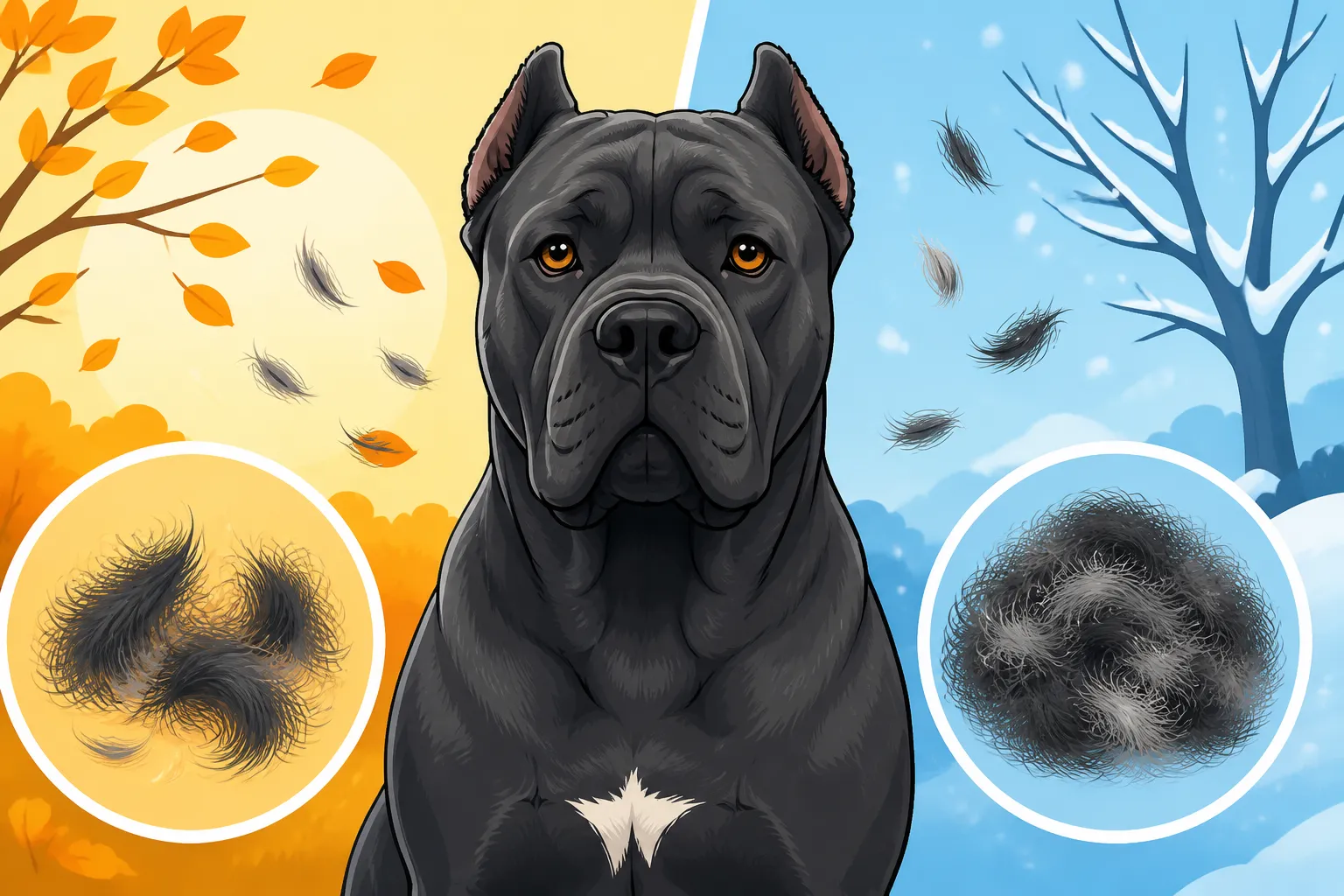
The real shedding events for a Cane Corso typically occur twice a year, often referred to as "blowing their coat." These periods are most noticeable in the spring and fall, marking a significant transition for their bodies and coats.
In the spring, as the weather warms up and the days get longer, your Cane Corso will shed the heavier undercoat they grew to protect them through the colder months. This is their body's way of preparing for summer, allowing for better air circulation against their skin and preventing overheating. The sheer volume of hair released during this spring blow-out can be astonishing. You might brush out enough fur to knit a small blanket, and still find more appearing within hours.
Conversely, in the fall, as temperatures begin to drop and winter approaches, your Cane Corso will shed their lighter summer coat to make way for a denser, warmer winter coat. While this shedding might not feel quite as dramatic as the spring release of thick undercoat, it's still a noticeable increase in hair around your home. Their body is instinctively preparing to insulate itself against the coming cold. These seasonal changes are natural and healthy, but they require a proactive approach from you to manage the hair and keep your dog comfortable and your home cleaner.
The Volume of Shedding: What to Expect
Let's be blunt: a Cane Corso sheds a lot more than you'd likely anticipate given their short coat. Many owners, prepared for the intelligence, strength, and devotion of the breed, are often caught off guard by the sheer quantity of hair that can accumulate, especially during those bi-annual "blow out" periods.
More Than You'd Think for a Short Coat
You might have owned other short-haired breeds before, perhaps a Labrador or a Boxer, and have a baseline expectation for shedding. Adjust that expectation upwards significantly for a Cane Corso. While the individual hairs are short and less likely to tangle into large clumps like long-haired breeds, there are just so many of them. Their dense coat, combined with their large size, means that even a little bit of shedding from each follicle adds up quickly. You'll find short, stiff hairs embedded in your carpets, woven into your clothes, clinging to upholstery, and somehow managing to float onto surfaces you just cleaned. It’s a constant battle, and it often feels like you’re sweeping and vacuuming multiple times a day just to keep up.
Imagine wearing a dark pair of pants, sitting on your sofa, and then standing up to find them covered in a fine layer of your Cane Corso's fur. This isn't an uncommon occurrence. The hairs are like tiny needles, finding their way into fabric and becoming surprisingly difficult to remove. Why a Cane Corso's Hair Sticks in Everything explores this particular frustration in detail, highlighting just how pervasive their shedding can be. It's a testament to the density of their coat that such short hairs can create such a significant impact on your living environment.
Factors Influencing Shedding Volume
While seasonal changes are the primary drivers of heavy shedding, several other factors can influence the volume and frequency of your Cane Corso's hair loss. Understanding these can help you manage expectations and identify potential underlying issues.
Age plays a role. Puppies tend to shed less, but as they mature and their adult coat fully develops, the seasonal cycles become more pronounced. Senior Cane Corsos might experience changes in their coat health, leading to either increased shedding due to hormonal shifts or decreased shedding as their hair growth cycles slow down.
Beyond seasonality, diet and overall health are critical. A dog on a poor-quality diet lacking essential nutrients, particularly omega fatty acids, might experience a dull, brittle coat and excessive shedding year-round. Stress can also manifest as increased shedding; a Cane Corso experiencing anxiety or a significant change in their routine might "blow" their coat more frequently or shed continuously. Environmental factors like indoor heating or air conditioning can also slightly alter natural shedding cycles, as dogs living in consistently climate-controlled environments might not experience the same dramatic seasonal changes as those spending more time outdoors. Parasites, skin infections, or underlying medical conditions like thyroid issues can also lead to abnormal hair loss, which is why it's crucial to consult your vet if you notice sudden, excessive, or patchy shedding outside of the normal seasonal shifts.
Managing the Seasonal Shed: Tools and Techniques
Dealing with a Cane Corso's seasonal "blow out" requires a proactive approach. You can't stop it, but you can certainly manage it to keep both your dog and your home happier.
Brushing: Your First Line of Defense
Regular brushing is by far the most effective way to manage your Cane Corso's shedding. During peak shedding seasons (spring and fall), you'll want to brush them daily, or at least every other day, to pull out as much loose hair as possible before it ends up on your furniture and floors. Outside of these heavy shedding periods, a good brush-down two to three times a week usually suffices to maintain coat health and keep stray hairs at bay.
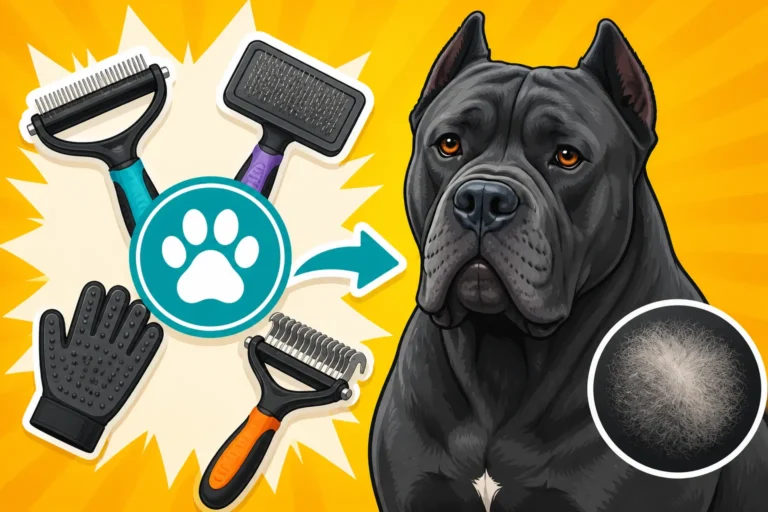
For tools, a short-bristled rubber curry brush is excellent for stimulating the skin and loosening dead hair, especially for their short, dense coat. Many owners also swear by deshedding tools like those from the Furminator brand, which are designed to reach through the topcoat and gently pull out the undercoat without damaging the top layer. Be careful not to overdo it with these tools, as excessive use can irritate the skin. Grooming gloves, with rubber nubs on the palms, are also fantastic for bonding with your dog while effectively removing loose hair, and many dogs enjoy the sensation. You'll be amazed at the piles of hair these simple tools can collect. Getting a Brush Through a Cane Corso's Dense Undercoat offers more detailed advice on selecting the right tools and techniques. Starting a brushing routine early in puppyhood helps your Cane Corso get accustomed to it, making grooming sessions a much more pleasant experience for both of you. You can find a vast array of brushes and deshedding tools on Amazon, with options for every budget and preference.
Bathing Strategies for Shedding Control
While not a daily solution, strategic bathing can be incredibly helpful in loosening and removing large amounts of dead hair, especially during those intense seasonal shedding periods. Don't fall into the trap of thinking a quick rinse will do the trick; a proper deshedding bath involves a few key steps.
First, consider using a deshedding shampoo specifically formulated to release loose undercoat. These shampoos often contain ingredients that help nourish the skin and hair follicles, making it easier for dead hairs to detach. After shampooing, a good conditioner can further aid in lubricating the coat and allowing hair to slide out more easily. The most critical part of a deshedding bath is thorough rinsing and then, crucially, thorough drying. As you rinse, use a high-pressure spray if possible to help lift and flush away loose hairs. After the bath, vigorously towel dry your Cane Corso, and then consider using a high-velocity pet dryer (if your dog tolerates it) to blow out remaining loose hair. This step alone can remove an incredible amount of fur that would otherwise end up in your house.
Be mindful not to over-bathe your Cane Corso, as this can strip their natural oils and lead to dry, irritated skin, which could, paradoxically, increase shedding or cause other skin issues. Generally, bathing every few weeks or once a month during heavy shedding, and less frequently the rest of the year, is a good guideline. How Rarely a Cane Corso's Short Coat Needs Washing provides further insight into the appropriate bathing frequency for their coat type. For quality deshedding shampoos and conditioners, check out options on Chewy or your local pet supply store.
Minimizing Shedding Through Diet and Health
While shedding is a natural process for Cane Corsos, especially seasonally, a healthy dog generally has a healthier coat. What goes into your dog's bowl, and their overall well-being, can significantly impact the quality of their coat and, consequently, the amount of non-seasonal shedding.
The Role of Nutrition in Coat Health
A high-quality, balanced diet is fundamental for healthy skin and a healthy coat. Think of your dog's coat as a direct reflection of their internal health. If their diet is lacking, their coat will often be the first place you notice it – becoming dull, brittle, and prone to excessive shedding.
Look for dog foods that list a high-quality animal protein as the first ingredient, rather than fillers or by-products. Essential fatty acids, particularly Omega-3s and Omega-6s, are crucial for skin hydration and coat luster. Many premium dog foods include these, but supplementing with fish oil can also make a noticeable difference. Fish oil helps to reduce inflammation in the skin and strengthens hair follicles, potentially reducing shedding and improving overall coat health. Foods rich in antioxidants, vitamins (especially A and E), and minerals like zinc also play a vital role. Choosing a reputable brand that prioritizes whole ingredients can make a significant difference. Brands like Ollie emphasize fresh, human-grade ingredients which can be excellent for promoting optimal skin and coat health. Whether Fish Oil Settles a Cane Corso's Itchy Skin offers more details on the benefits of these supplements.
Health Checks and Vet Consultations
Sometimes, excessive or unusual shedding isn't just about the season; it can be a red flag for an underlying health issue. It's important for Cane Corso owners to be vigilant and know when to seek professional veterinary advice.
If you notice your Cane Corso is shedding excessively outside of the normal seasonal periods, or if the shedding is patchy, accompanied by skin irritation, redness, scratching, or dullness of the coat, it's time for a vet visit. Skin allergies are a common culprit, leading to itching and subsequent hair loss from scratching or inflammation. Skin Allergies That Flare on a Cane Corso are a persistent issue for many owners and can be managed with veterinary guidance, including potential dietary changes. Parasites like fleas, mites (demodex or sarcoptes), or ringworm can also cause localized or generalized hair loss. Hormonal imbalances, such as hypothyroidism, can manifest as a poor coat and shedding. Internal issues like kidney disease or even certain cancers can impact coat health. Your veterinarian can perform diagnostic tests, such as skin scrapes, blood work, or allergy tests, to pinpoint the cause and recommend appropriate treatment. Never assume it's "just shedding" if other symptoms are present or if the hair loss seems abnormal. Early detection and treatment can prevent more serious problems and restore your Cane Corso's coat to its healthy, shiny best. Sometimes, ruling out issues with An Elimination Diet for an Itchy Cane Corso is the next step.
Living with Cane Corso Hair: Practical Home Management
Let's face it, even with the most diligent grooming routine, a Cane Corso will shed. Learning to manage the hair in your home is an ongoing process, but there are practical steps you can take to keep your living space from being completely overrun.
Protecting Your Home and Wardrobe
The reality of living with a shedding Cane Corso is that hair will inevitably end up everywhere. This isn't a failure on your part, but simply a fact of life with a large, dense-coated dog. However, there are strategies to minimize its impact.
Invest in good quality, washable furniture covers for your sofas and chairs. These can be easily removed, shaken outside, and tossed in the wash, saving your upholstery from a permanent layer of fur. For your wardrobe, a good lint roller is an absolute essential – keep one by the door, in your car, and in your work bag. Regularly vacuuming with a powerful pet hair vacuum cleaner is non-negotiable. Look for models with strong suction and specialized attachments designed to pick up embedded pet hair from carpets and upholstery. Robotic vacuums can also be a game-changer for daily maintenance, running on a schedule to pick up surface hair before it has a chance to settle. Hard floors benefit from daily sweeping or dry mopping with electrostatic cloths that attract and trap hair.
Consider designating specific "dog zones" in your home where your Cane Corso is allowed, and perhaps areas that are largely hair-free. This isn't always practical, but it can help manage the spread. Ultimately, accepting that some dog hair is just part of the package is key, but these tools and habits will help you keep it under control. For more tips on maintaining a clean home, refer to Living With the Hair a Cane Corso Leaves Everywhere.
Establishing a Routine
Consistency is truly the secret weapon in managing Cane Corso shedding. It's not about doing one big clean-up every now and then, but rather establishing a regular routine that prevents hair from building up to overwhelming levels.
During non-shedding periods, aiming for a quick, thorough brush-down two to three times a week is a good baseline. This helps remove loose hairs, distributes natural skin oils, and keeps their coat healthy. As soon as you notice the tell-tale signs of seasonal shedding beginning – a sudden increase in hair on your clothes, dust bunnies turning into fur tumbleweeds – amp up your routine immediately. This means daily brushing, and perhaps incorporating those deshedding baths we discussed. The more hair you remove directly from your dog, the less you'll find around your house.
Beyond grooming, a consistent cleaning schedule for your home is also vital. Whether it’s daily vacuuming of high-traffic areas or weekly deep cleans, integrating hair removal into your chores prevents accumulation. Making grooming and cleaning a regular, positive experience for your Cane Corso (and yourself) will make these tasks feel less like a chore and more like a natural part of living with your beloved companion. Remember, a well-cared-for Cane Corso, inside and out, will naturally shed less than one whose coat and health are neglected.
Shedding Management at a Glance
To give you a quick overview, here's a table summarizing the expected shedding and recommended actions throughout the year.
| Season | Shedding Intensity | Primary Reason | Recommended Grooming & Home Actions |
|---|---|---|---|
| Spring | High | Blowing winter undercoat | Daily brushing with deshedding tools; deshedding baths; daily vacuuming/sweeping |
| Summer | Low to Moderate | Maintenance shedding | 2-3 times weekly brushing; occasional baths as needed; regular home cleaning |
| Autumn | High | Growing winter coat, shedding summer | Daily brushing with rubber curry/deshedding tools; deshedding baths; daily vacuuming/sweeping |
| Winter | Low | Maintaining warm winter coat | 2-3 times weekly brushing; limited bathing to preserve oils; general home cleaning |
| Year-Round | Moderate | Continuous hair turnover | Consistent high-quality diet; regular health checks; occasional spot cleaning and lint rolling |
Disclaimer
This article is for general informational purposes only and does not constitute professional advice. Laws, prices and regulations vary by location and change over time. Consult a qualified professional for guidance on your specific situation.