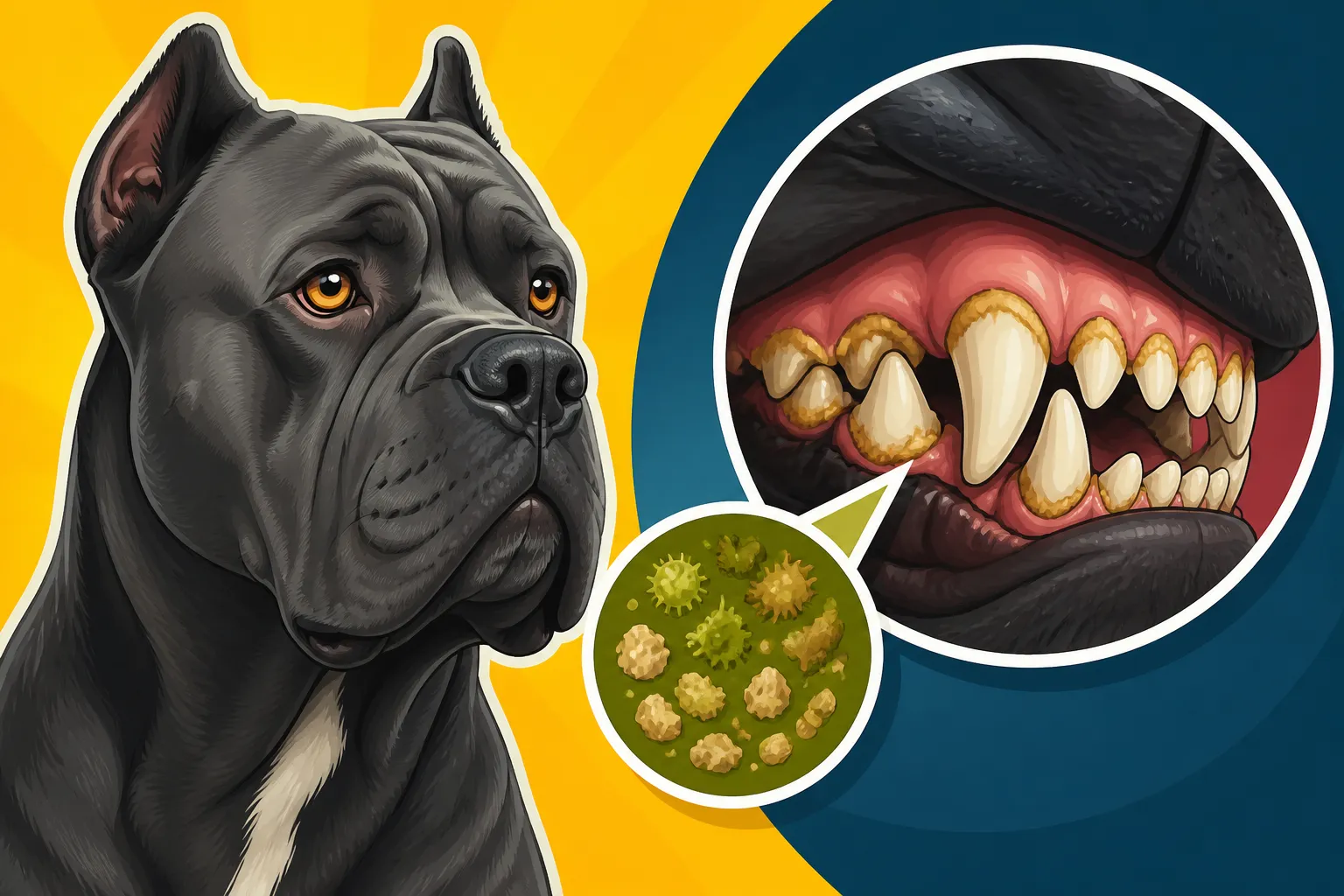
Why a Cane Corso’s Teeth Build Tartar
It's incredibly frustrating, isn't it? You try your best to keep your Cane Corso healthy, and yet, before you know it, their pearly whites are looking less than pristine, covered in that tell-tale yellowish-brown crud. It feels like no matter what you do, tartar just builds up relentlessly, leaving you worried about bad breath and worse, their overall health. This guide is all about peeling back the layers to understand exactly why your Cane Corso's teeth seem to attract tartar like a magnet and, more importantly, what you can realistically do about it.
The Unique Oral Environment of a Cane Corso
When we talk about a Cane Corso's teeth, we're not just discussing a generic dog mouth. These magnificent animals have specific anatomical features and biological processes that play a huge role in how quickly plaque and tartar can accumulate. It's not always about what you're doing wrong; sometimes, it's just the hand they've been dealt, genetically speaking.
Breed-Specific Anatomy and Jaw Structure
Cane Corsos, while not extreme brachycephalics like a Pug or Bulldog, often possess a broad, powerful skull with a relatively short muzzle. This unique structure, combined with their large teeth, can sometimes lead to overcrowding. Imagine trying to cram too many books onto a shelf – they don't sit neatly, and dust easily collects in the cramped spaces. Similarly, when a Cane Corso's teeth are too close together, or if they have an irregular bite like the slight undershot jaw often seen in the breed, it creates perfect little nooks and crannies for food particles and bacteria to hide. These areas are incredibly difficult for the dog's tongue or even a toothbrush to reach effectively.
Furthermore, the strength of a Cane Corso's jaw means they can exert immense pressure when chewing. While this might seem beneficial for cleaning, if their bite isn't perfectly aligned, some teeth might not engage properly, leading to uneven wear and, ironically, less effective natural cleaning. Those teeth that aren't getting natural abrasion from chewing are prime candidates for plaque accumulation. Over time, this soft plaque, a sticky film of bacteria and food, calcifies into hard, crusty tartar that no amount of home brushing will remove.
Saliva Composition and pH Levels
A dog's saliva, much like ours, is its first line of defense against oral invaders. It helps wash away food debris and contains enzymes and antimicrobial compounds that combat bacteria. However, not all dog saliva is created equal, and even within the same breed, there can be variations. Some Cane Corsos might naturally have saliva with a higher pH, creating a more alkaline environment that encourages the quicker mineralization of plaque into tartar. Think of it like hard water deposits; some water is just more prone to leaving mineral stains.
Beyond pH, the sheer volume and viscosity of a Cane Corso's saliva can also play a role. These are often drooly dogs, and while saliva is generally good, if it's thicker or not circulating as efficiently across all tooth surfaces, it might not be as effective at rinsing away bacteria. Moreover, a dog's diet can influence saliva composition. A highly processed diet, for instance, might leave more fermentable carbohydrates in the mouth, feeding the very bacteria that produce plaque. While research is ongoing into the specific links between canine saliva and tartar, it’s a factor that quietly contributes to their oral health landscape.
The Role of Breed Genetics in Oral Health
Genetics play a significant, if sometimes subtle, role in a Cane Corso's predisposition to dental issues. Just as some breeds are prone to hip dysplasia or certain eye conditions, certain genetic lines within the Cane Corso breed may have a higher likelihood of developing crowded teeth, malocclusions (improper bites), or even weaker enamel. These aren't always glaring genetic defects but can be subtle predispositions that make them more vulnerable to plaque and tartar. You might notice that your Cane Corso develops tartar much faster than another dog, even with similar care, and genetics could be the silent culprit.
Reputable breeders often focus on screening for major health issues like hip and elbow dysplasia, but oral health sometimes takes a backseat unless it's a severe problem like The Dental Bill on a Cane Corso With Retained Teeth. However, the foundational genetics of jaw structure and tooth alignment are passed down. If a Cane Corso's ancestors had significant overcrowding or an atypical bite, these traits can reappear in future generations, setting the stage for more rapid tartar accumulation. This isn't to say every Cane Corso is doomed, but understanding these potential genetic underpinnings can help you be more vigilant and proactive about their dental care from day one.
Lifestyle and Dietary Factors Accelerating Tartar Buildup
Beyond the inherent biology of your Cane Corso, their daily life – especially what they eat and how they clean their teeth – significantly influences the rate at which tartar forms. Many owners might unknowingly contribute to the problem, even with the best intentions.
The Impact of Diet on Dental Hygiene
What goes into your Cane Corso's mouth impacts their dental health directly. While many dry kibbles are marketed as "dental care" or "tartar control," the reality is often more nuanced. The idea that crunchy kibble "scrubs" teeth is largely a myth. Most kibble is simply too brittle to provide any significant abrasive action against plaque, especially the tough, sticky kind that forms quickly on a Cane Corso's powerful teeth. Instead, many kibbles, particularly those high in carbohydrates, can leave behind sticky residues that actually feed the bacteria in the mouth, accelerating plaque formation.
Think about it this way: eating a cracker doesn't clean your teeth, does it? It often leaves crumbs. The same principle applies to kibble for dogs. While premium dog foods like those from Chewy or specialized lines from Ollie might focus on better ingredients, the physical texture often isn't enough. Wet food, while easier for some dogs to eat, offers even less mechanical cleaning and can be more prone to sticking to teeth. Incorporating foods that truly encourage chewing, rather than just crunching, is far more effective. For more on what your Cane Corso eats, you might want to read Whether Kibble Alone Is Enough for a Cane Corso.
Lack of Adequate Chewing and Oral Stimulation
One of the biggest overlooked factors in canine dental health is the simple act of chewing. Dogs are designed to chew, and this action is a natural, mechanical way to scrape away plaque. Unfortunately, many modern dogs, including large breeds like the Cane Corso, don't get enough opportunities for appropriate, safe chewing. Small, flimsy chew toys or soft treats do very little to combat plaque.
Your Cane Corso needs durable, appropriately sized chews that engage their powerful jaws and provide true abrasive action. This could include certain types of dental chews (always check for VOHC approval), raw recreational bones (under strict supervision and with guidance from your vet, as Whether Bones Are Safe for a Cane Corso explains, not all bones are safe), or robust, non-edible chew toys. The key is to find items that are tough enough to clean but not so hard that they risk breaking a tooth. Without this regular, effective mechanical cleaning, plaque has free rein to harden into tartar, often starting on the molars and canines where chewing action is most pronounced.
Infrequent or Ineffective Home Dental Care
Let's be honest, brushing a Cane Corso's teeth isn't always the easiest task. They're big dogs, and getting them to cooperate for a daily or even every-other-day brushing can feel like wrestling a bear. This often leads to infrequent or ineffective home dental care, which unfortunately allows plaque to build up undisturbed. Many owners give up after a few attempts, feeling disheartened by their dog's resistance or simply unsure if they're doing it right.
However, just like with humans, regular brushing is the gold standard for preventing plaque from hardening into tartar. Using a dog-specific toothbrush and toothpaste (never human toothpaste!) is crucial. The physical action of the bristles, combined with the enzymatic action of dog toothpaste, is what truly disrupts the bacterial film. If you're only brushing once a week, or just hitting the front teeth, you're likely missing the critical areas where tartar loves to form. It’s a commitment, but it’s one of the most powerful tools in your arsenal against dental disease.
Understanding Plaque, Tartar, and Periodontal Disease
It's easy to use "plaque" and "tartar" interchangeably, but they are distinctly different stages of the same problem. Understanding this progression is key to appreciating why early intervention is so critical for your Cane Corso's oral health.
The Progression from Plaque to Tartar
The process begins innocently enough: every time your Cane Corso eats, microscopic food particles combine with bacteria naturally present in their mouth to form a sticky, colorless film called plaque. This plaque adheres to the surface of their teeth, especially along the gumline and in those hard-to-reach areas. Initially, plaque is soft and can be easily removed through brushing, chewing, or even your dog's own tongue.
However, if plaque isn't removed within about 24-72 hours, something unfortunate happens: it begins to mineralize. Saliva, rich in calcium and other minerals, acts upon the plaque, hardening it into a rough, porous substance known as tartar (or calculus). Once plaque has turned into tartar, it's virtually impossible to remove with a toothbrush alone. Tartar then provides an even rougher surface for more plaque to accumulate, creating a vicious cycle that rapidly worsens dental health. For a Cane Corso, with their powerful jaws and sometimes crowded teeth, this progression can feel alarmingly fast.
The Health Consequences of Untreated Tartar
Untreated tartar isn't just an aesthetic issue or a cause of bad breath; it's a gateway to serious health problems, not just for your Cane Corso's mouth but for their entire body. The rough surface of tartar irritates the gums, leading to gingivitis – inflammation of the gums. You might notice redness, swelling, or even bleeding when your dog chews or you try to brush. Gingivitis is reversible with proper care, but if left unchecked, it escalates.
The inflammation can spread deeper, affecting the structures that support the teeth, leading to periodontal disease. This is where the real damage begins. Periodontal disease causes the gums to recede, exposing the roots of the teeth and creating pockets where bacteria can thrive, further eroding bone and tissue. Eventually, this leads to painful tooth loss. But the dangers don't stop in the mouth. The bacteria from these infected gums can enter the bloodstream, traveling to major organs like the heart, kidneys, and liver, causing secondary infections and long-term systemic health issues. While discussions around The Heart Muscle Disease Behind a Cane Corso's Cardiac Test often focus on breed-specific conditions, poor oral health can exacerbate existing issues or create new ones in vital organs.
When to Seek Professional Veterinary Dental Care
Knowing when to call in the professionals is paramount for a Cane Corso. If you notice persistent bad breath (beyond typical "dog breath"), visible tartar buildup (yellowish-brown deposits on the teeth), red or bleeding gums, difficulty chewing, pawing at the mouth, or a change in eating habits, it's definitely time for a vet visit. Your veterinarian can assess the severity of the dental disease and recommend a professional dental cleaning.
A professional dental cleaning for a Cane Corso involves more than just a quick scrape. It's a procedure performed under general anesthesia, which sounds daunting for a big dog, but it's essential for a thorough and safe cleaning. Anesthesia allows the vet to perform a full oral examination, including dental X-rays to check for problems below the gumline (where most periodontal disease hides). They'll then use specialized tools to scale away tartar both above and below the gumline, polish the teeth to smooth out any rough surfaces that could attract new plaque, and extract any diseased or painful teeth. Yes, it comes with a cost – Anesthesia Charges on a Hundred Pound Cane Corso can be significant – but it's an investment in your dog's long-term health and comfort. Remember, Whether a Cane Corso Needs a Yearly Dental is not just a suggestion, but often a necessity as they age.
Proactive Strategies for a Cane Corso's Dental Health
Taking a proactive approach is the best defense against tartar and periodontal disease in your Cane Corso. It requires consistency, patience, and the right tools, but the payoff in terms of their health and comfort is immense.
Establishing a Regular Brushing Routine
This is, hands down, the most effective thing you can do at home. Aim for daily brushing, or at least every other day, to physically remove plaque before it hardens into tartar. Start slowly and make it a positive experience, especially if you have a Cane Corso puppy – it's easier to introduce good habits early. Begin by simply letting them lick dog-specific toothpaste off your finger, then introduce a finger brush, and eventually move to a soft-bristled dog toothbrush. Praise and treats are your best friends here!
Focus on the outside surfaces of the teeth, especially the molars and canines, as these are where tartar tends to build up most rapidly. There are excellent dog toothpastes available from retailers like Chewy or Amazon that come in flavors like poultry or peanut butter, making the experience more palatable for your furry friend. Remember, human toothpaste contains fluoride and other ingredients that are toxic to dogs, so stick strictly to canine-formulated products. A consistent routine is far more beneficial than sporadic, intense sessions.
Choosing Dental-Friendly Foods and Chews
While kibble alone isn't a dental solution, you can make informed choices about your Cane Corso's diet. Look for foods that are specifically formulated to reduce plaque and tartar, often carrying a Veterinary Oral Health Council (VOHC) seal. These diets usually have a unique kibble texture or contain ingredients that help prevent mineralization. Brands like Purina Pro Plan Veterinary Diets Dental Health or Hill's Prescription Diet t/d often offer such options, though always consult your vet before making significant dietary changes.
Supplementing with appropriate dental chews and toys is also crucial. Again, look for VOHC-approved dental chews, as these have been scientifically proven to reduce plaque and tartar. Remember to choose chews that are sized correctly for your Cane Corso – too small, and they could be a choking hazard; too hard, and they could break a tooth. Bully sticks, dental sticks, or even specialized toys that dispense paste can be beneficial. For more guidance on durable options, check out Chews That Survive a Cane Corso's Jaw. Always supervise your dog when they're enjoying a new chew to ensure their safety.
The Value of Veterinary Check-ups and Preventative Care
Even with the best home care, regular veterinary check-ups are non-negotiable for a Cane Corso's dental health. Your vet can spot early signs of gingivitis or other issues that you might miss, and they can advise you on the most effective home care strategies tailored to your dog. They'll also recommend when a professional cleaning is warranted. As mentioned in How Often a Healthy Cane Corso Sees the Vet, annual check-ups are essential, and these visits include a basic oral examination.
Don't wait until your Cane Corso is in pain or has severe bad breath before seeking professional advice. Proactive care, including routine cleanings as needed, can save your dog from significant discomfort, prevent tooth loss, and potentially extend their life by mitigating the systemic health risks associated with periodontal disease. Combining diligent home care with regular vet visits creates the strongest defense against tartar buildup and ensures your magnificent Cane Corso keeps a healthy, happy smile for years to come. Plus, during these visits, your vet might also conduct Yearly Bloodwork on an Adult Cane Corso to monitor their overall health, including organ function that can be affected by dental disease.
Disclaimer
This article is for general informational purposes only and does not constitute professional advice. Laws, prices and regulations vary by location and change over time. Consult a qualified professional for guidance on your specific situation.