How Often a Healthy Cane Corso Sees the Vet
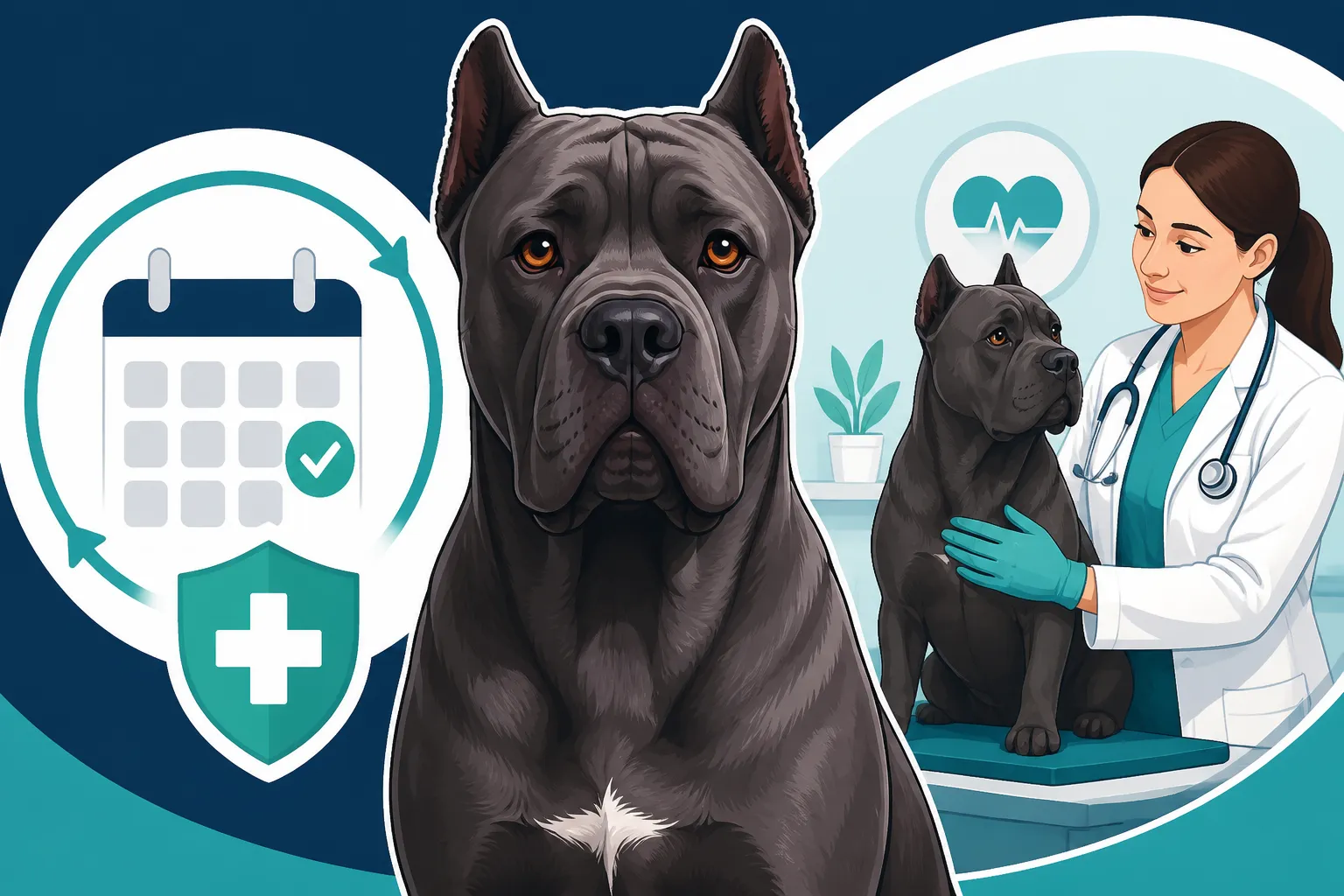
Bringing a massive, powerful Cane Corso into your home is an incredible experience, but it also comes with a unique set of responsibilities, especially when it comes to their health. Many new owners feel overwhelmed trying to navigate the seemingly endless rounds of puppy vaccinations, annual check-ups, and the general worry of a dog that can weigh over a hundred pounds. This guide is here to demystify how often a healthy Cane Corso needs to see the veterinarian, outlining typical schedules and helping you understand what to expect at each stage of your dog's life.
The Standard Schedule for a Growing Cane Corso Puppy
Those first few months with a Cane Corso puppy are a whirlwind of growth, training, and, yes, vet visits. It can feel like you're at the clinic more often than you're at home, but these early appointments are absolutely crucial for setting your big puppy up for a long, healthy life.
Initial Puppy Vaccinations and Health Checks
When you first bring home your Cane Corso puppy, typically around 8 weeks old, they'll have already started their vaccination series, but they won't be finished. You're usually looking at a series of visits every 3-4 weeks until they are about 16 weeks old. These appointments aren't just for shots; they're comprehensive health checks where your vet will monitor their growth, listen to their heart and lungs, check their eyes and ears, and discuss nutrition. They'll also check for any parasites and recommend regular deworming schedules, which are common for puppies. This is also a great time to talk about early socialization with your vet. A well-socialized Cane Corso puppy is often a happier, more confident adult, and getting them out and about safely after their initial vaccine series is vital. For more on this, you might find our article on The Socialization Window a Cane Corso Puppy Gets quite helpful.
Each visit is vital because it builds up your puppy's immunity against common, serious diseases like distemper, parvovirus, adenovirus, and parainfluenza. Rabies vaccination is usually given as a single shot around 12-16 weeks of age, depending on your local laws and the vaccine protocol. The cost of these initial visits and vaccines can add up, which is why many owners consider getting pet insurance like Healthy Paws early on. It helps cover unexpected accidents and illnesses, but getting it before any issues arise ensures pre-existing conditions aren't excluded.
Preparing for Spay or Neuter
Beyond the puppy shots, your veterinarian will discuss the optimal time for spaying or neutering your Cane Corso. For large and giant breeds like the Cane Corso, many vets now recommend waiting until they are more mature, often between 18 and 24 months. This allows their bones and growth plates to fully develop, which can be beneficial for their long-term joint health. You can learn more about this decision in our piece on Waiting Until Nineteen Months to Neuter a Cane Corso. When the time comes, this will involve a pre-surgical exam, bloodwork to ensure they are healthy enough for anesthesia, and then the procedure itself, followed by a post-operative check-up. These procedures are significant, and budgeting for them is important, or having a robust pet insurance plan can certainly ease the financial burden.
Routine Veterinary Care for an Adult Cane Corso
Once your Cane Corso has navigated puppyhood and entered adulthood, the frequency of vet visits typically settles into a predictable annual rhythm. However, "routine" doesn't mean "unimportant." These yearly check-ups are the cornerstone of preventive care for your big dog.
Annual Wellness Exams and Vaccinations
For a healthy adult Cane Corso, a comprehensive annual wellness exam is generally recommended. This yearly visit is more than just a quick glance; it's an opportunity for your vet to perform a thorough physical assessment. They’ll examine your dog from nose to tail, checking their eyes, ears, teeth, skin, and coat. They’ll carefully palpate your dog’s abdomen, lymph nodes, and joints – something incredibly important for a breed prone to orthopedic issues. They'll also listen intently to their heart and lungs. Early detection of potential issues, even subtle changes, can make a huge difference in treatment outcomes for a breed known for conditions like Heart Disease in a Middle Aged Cane Corso.
During this annual visit, your Cane Corso will likely receive booster vaccinations. The specific vaccines needed can vary based on your dog's lifestyle and local risk factors, but core vaccines like rabies and distemper/parvovirus are usually given. Your vet might also recommend non-core vaccines such as Bordetella (kennel cough) if your dog frequently interacts with other dogs, or leptospirosis if you live in an area with high wildlife exposure.
Parasite Prevention and Dental Health
A crucial part of routine care, often discussed at the annual visit, is ongoing parasite prevention. This includes monthly heartworm medication, which also typically covers intestinal parasites, and regular flea and tick prevention. These aren't just about discomfort; parasites can transmit serious diseases, and preventing them is far easier and less expensive than treating an infestation or illness. Your vet can advise on the best products for your Cane Corso, taking into account their size and any potential sensitivities.
Dental health often gets overlooked, but it's incredibly important. Just like humans, dogs can develop plaque and tartar buildup, leading to gum disease, pain, and even systemic health problems. During your annual exam, the vet will assess your Cane Corso's teeth. If significant tartar has accumulated, a professional dental cleaning under anesthesia might be recommended. This is a common, yet often costly, procedure that pet insurance plans like those offered by Healthy Paws can help cover, especially if it's not a pre-existing condition. Beyond professional cleanings, daily tooth brushing at home or dental chews can help maintain good oral hygiene between vet visits.
Vet Visits as Your Cane Corso Enters Its Senior Years
It’s a bittersweet milestone when your beloved Cane Corso starts to be considered a senior. For large and giant breeds, this often happens sooner than with smaller dogs, typically around 7 or 8 years of age. As they age, the emphasis shifts even more towards proactive health monitoring, which usually means more frequent vet visits.
Increased Frequency and Focus on Age-Related Conditions
Once your Cane Corso crosses that senior threshold, it's generally recommended that they have veterinary check-ups twice a year, or every six months. This increased frequency allows your vet to catch age-related conditions much earlier. Things can change quickly in an older dog, and a lot can happen in a year. These biannual visits are critical for monitoring for signs of common senior ailments. We explore what happens at this stage in our post, What Changes in a Cane Corso After Its Eighth Birthday.
Common concerns in senior Cane Corsos include:
- Arthritis and Joint Pain: Heavy breeds are prone to conditions like hip and elbow dysplasia, which can worsen with age. Your vet will pay close attention to their mobility and may recommend supplements, pain management, or even physical therapy.
- Organ Function: Kidneys, liver, and heart function can decline in older dogs. Regular bloodwork and urinalysis help monitor these vital organs.
- Cognitive Dysfunction: Similar to dementia in humans, some older dogs experience confusion, changes in sleep patterns, or house-soiling.
- Cancer: Older dogs have a higher risk of developing various cancers. Lumps and bumps should always be checked by your vet. You might be interested in reading about Spleen Tumors in an Older Cane Corso or Bone Cancer in a Cane Corso's Front Leg, as these are unfortunately more common in large breeds.
Senior Bloodwork and Screenings
At these senior appointments, your vet will likely recommend a more comprehensive set of diagnostics, including senior bloodwork (a complete blood count and chemistry panel) and urinalysis. These tests provide a baseline and can reveal early indicators of conditions like kidney disease, liver issues, diabetes, or thyroid problems, even before your dog shows obvious symptoms. Early detection allows for earlier intervention, which can significantly improve their quality of life and potentially extend their lifespan.
Healthy Paws or similar pet insurance plans can be particularly beneficial during these senior years, as the likelihood of needing treatments for age-related illnesses increases dramatically. While many policies won't cover pre-existing conditions, having coverage in place before new issues arise can save you a significant amount on diagnostics, medications, and treatments for your aging companion.
Here’s a simplified overview of a healthy Cane Corso’s typical vet visit schedule:
| Age of Cane Corso | Recommended Vet Visit Frequency | Primary Focus of Visits |
|---|---|---|
| 8 – 16 Weeks (Puppy) | Every 3-4 weeks | Initial vaccinations (Distemper, Parvo, etc.), deworming, physical exams, growth monitoring, parasite checks, rabies vaccination (single shot), discussion of nutrition, socialization, and spay/neuter timing. |
| 16 Weeks – 1 Year | As needed, usually none | Post-vaccination follow-up if required. Focus shifts to continued training and growth. |
| 1 – 7 Years (Adult) | Annually | Comprehensive physical exam, booster vaccinations, heartworm/flea/tick prevention discussion, dental health check, weight management, screening for breed-specific concerns (e.g., hip/elbow health if not already done, cardiac check-up discussion), early signs of health issues. |
| 7+ Years (Senior) | Every 6 months (biannually) | More thorough physical exams, senior bloodwork (CBC, chemistry), urinalysis, thyroid check, increased focus on arthritis management, cognitive function, organ health, lump checks, and early cancer screening. |
Recognizing When More Frequent Visits Are Needed
Even with the most meticulous routine care, your Cane Corso might need to see the vet more often than the schedules above suggest. As a responsible owner of a large, stoic breed, it's vital to be vigilant and recognize the signs that indicate a problem. Cane Corsos, like many dogs, can be masters at hiding discomfort until an issue becomes quite advanced.
Signs of Illness That Warrant a Vet Visit
It's tempting to think a minor change will just "pass," but with a Cane Corso, a small symptom can quickly escalate into a serious problem. Never hesitate to call your vet if you notice any of these signs:
- Changes in Appetite or Thirst: A sudden decrease or increase in eating or drinking can signal various underlying health issues.
- Lethargy or Behavioral Changes: If your normally energetic Cane Corso is suddenly listless, withdrawn, or acting unusually aggressive or anxious, it's a red flag.
- Vomiting or Diarrhea: While an occasional upset stomach can happen, persistent vomiting or diarrhea, especially if accompanied by blood or extreme lethargy, needs immediate attention.
- Lameness or Difficulty Moving: Limping, struggling to stand up, or reluctance to use stairs can indicate joint pain, injury, or even something more serious like Bone Cancer in a Cane Corso's Front Leg.
- Skin or Coat Issues: Excessive itching, bald patches, redness, or strange odors can point to allergies, parasites, or infections. Demodectic mange, for instance, is common in younger Cane Corsos, as discussed in Demodectic Mange on a Young Cane Corso.
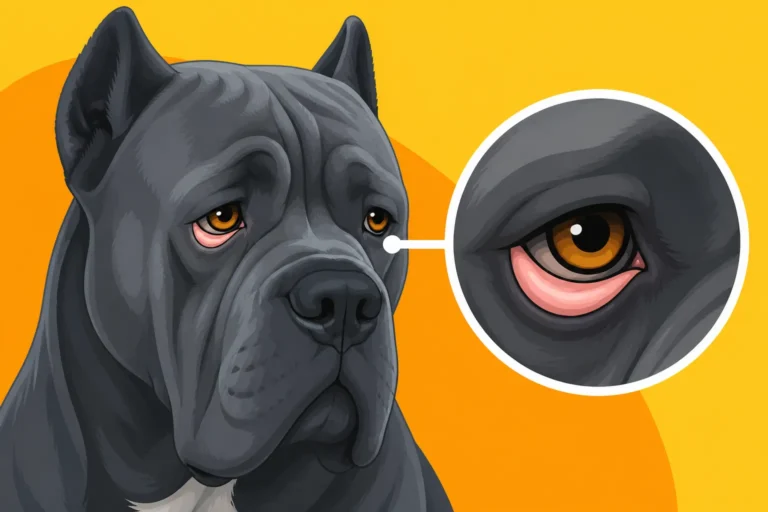
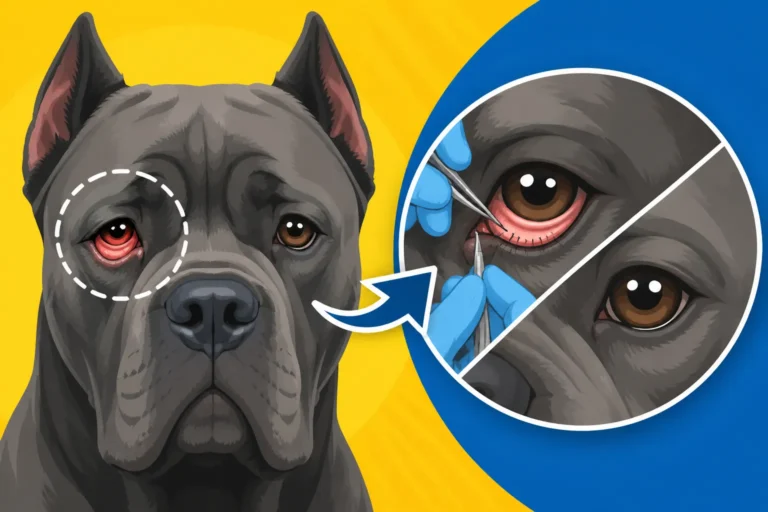
- Eye or Ear Discharge/Redness: Any abnormal discharge, redness, swelling, or excessive rubbing of the eyes or ears warrants a check-up. Cane Corsos are prone to eye issues like entropion, covered in Entropion in a Cane Corso's Lower Lid.
- Unusual Lumps or Swellings: Feel your dog regularly. Any new lump, bump, or swelling, especially if it's growing quickly, needs veterinary evaluation.
- Changes in Urination or Defecation: Straining, increased frequency, accidents in the house, or changes in stool consistency are all reasons for concern.
Emergency Situations for a Cane Corso
Some situations simply cannot wait for a regular appointment and demand immediate emergency veterinary care. Cane Corsos are particularly prone to a few life-threatening conditions that you, as an owner, need to be aware of:
- Bloat (Gastric Dilatation-Volvulus – GDV): This is perhaps the most dreaded emergency for deep-chested breeds like the Cane Corso. Bloat is when the stomach fills with gas and can twist, cutting off blood supply. Symptoms include a distended abdomen, unproductive retching, restlessness, and excessive drooling. It's a true medical emergency, and time is of the essence. You can learn more about recognizing it in The First Sign a Cane Corso Is Bloating and Recognizing Bloat in a Cane Corso Before It Turns.
- Seizures: While a single seizure isn't always immediately life-threatening, recurring seizures, or a seizure lasting more than a few minutes, requires emergency care. Cane Corsos can suffer from epilepsy, which often surfaces around two years of age, as detailed in Why a Cane Corso's Epilepsy Surfaces at Two or Three. Knowing What a Cane Corso's First Seizure Actually Looks Like can help you react appropriately.
- Severe Trauma: Accidents happen. If your Cane Corso is hit by a car, suffers a fall, or has a serious altercation with another animal, they need emergency evaluation, even if they appear okay initially. Internal injuries might not be obvious.
- Inability to Stand or Sudden Weakness: This can indicate a neurological issue, severe pain, or internal bleeding.
- Poisoning: If you suspect your Cane Corso has ingested something toxic (antifreeze, rat poison, certain plants, human medications), get to an emergency vet immediately.
Having a plan for emergencies, including knowing the location and contact information for your nearest 24/7 veterinary emergency hospital, is crucial. This is another area where pet insurance from providers like Healthy Paws truly shines, as emergency visits and critical care can quickly rack up substantial bills. Being prepared financially allows you to focus solely on your dog's well-being during stressful times.
Disclaimer
The information provided in this article is for general informational purposes only and is not a substitute for professional veterinary advice, diagnosis, or treatment. Always seek the advice of your veterinarian or other qualified health provider with any questions you may have regarding a medical condition for your Cane Corso. Never disregard professional veterinary advice or delay in seeking it because of something you have read in this article.