The Age a Cane Corso’s Entropion Gets Repaired
It’s heartbreaking to see your strong, majestic Cane Corso squinting, pawing at their eyes, or constantly tearing up. Many of us have been there, watching our loyal companions suffer from eye issues that seem to crop up out of nowhere. Among these, entropion – where the eyelid rolls inward, causing eyelashes and fur to rub against the sensitive cornea – is particularly distressing. It’s not just a minor irritation; it can be incredibly painful and, if left unaddressed, can lead to serious vision problems. This guide will walk you through understanding entropion in Cane Corsos and, crucially, help you navigate the often-confusing question of when it’s the right time for surgical intervention.
Understanding Cane Corso Entropion: More Than Just a "Loose Lid"
You might hear people talk about "loose eyelids" in Cane Corsos, and while it's true that many of these dogs have naturally looser lower lids, entropion is a distinct and more severe issue. It’s not just an aesthetic concern; it’s a painful condition that impacts your dog’s quality of life significantly. Imagine having a piece of grit in your eye all day, every day – that's a fraction of what your Cane Corso is experiencing.
What Entropion Looks Like in a Cane Corso
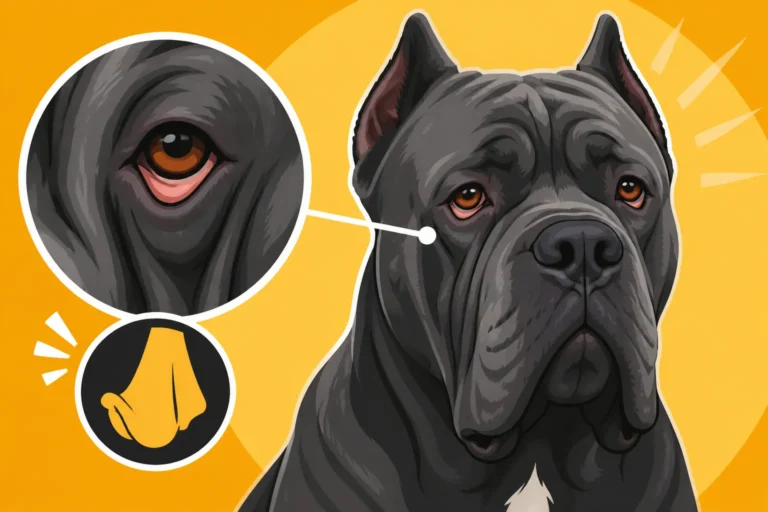
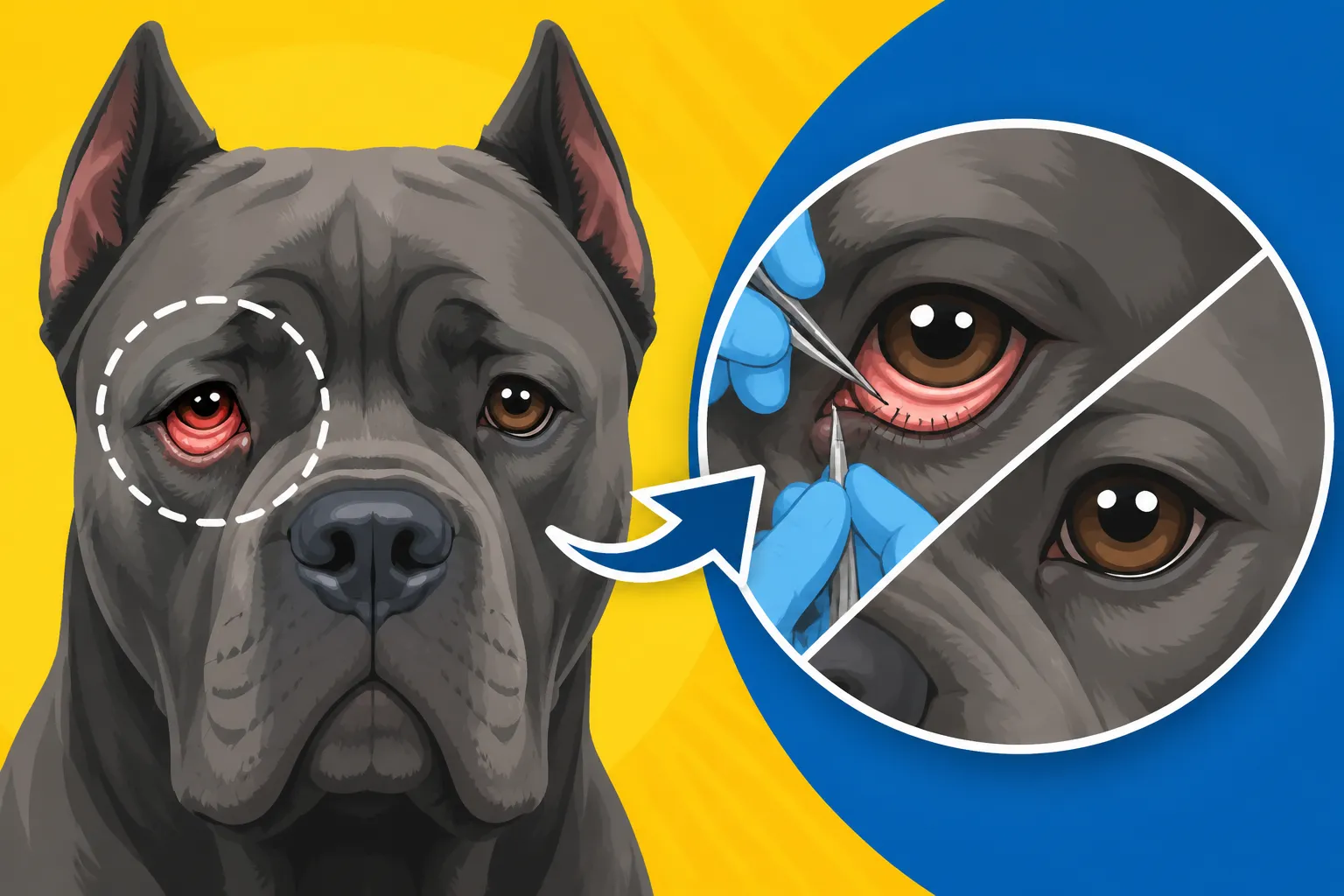
When your Cane Corso has entropion, you'll likely notice several tell-tale signs. The most obvious is often chronic tearing, where tears stream down their face, sometimes leaving reddish-brown stains, especially on lighter-colored dogs. This excessive tearing is the eye's attempt to flush out the irritant, but it's a losing battle because the irritant (the eyelid itself) isn't going anywhere. You might also observe them squinting frequently, keeping one or both eyes partially closed, or even pawing at their face in discomfort.
A closer look might reveal redness and inflammation in the eye itself, a direct result of constant friction. The inner surface of the eyelid, along with any hairs on it, is constantly scraping against the cornea – the clear outer layer of the eye. This can lead to corneal abrasions, which are essentially scratches on the eye's surface. These scratches can then progress to corneal ulcers, which are much more serious and can even lead to vision loss if they become deep or infected. In severe cases, the entire eye might appear cloudy or dull due to chronic irritation and secondary issues. It's a progressive problem, often starting subtly and worsening over time as the irritation continues.
Why Cane Corsos Are Prone to Entropion
Cane Corsos, like many large, brachycephalic (short-nosed) breeds and those with strong mastiff lineage, are genetically predisposed to entropion. It’s largely a structural issue, often tied to the conformation of their skull and eye sockets. Their deeper-set eyes, combined with a tendency for looser skin around the face, can contribute to the eyelid rolling inward. It’s not simply a cosmetic trait; it's a structural vulnerability that can lead to significant health problems.
Genetics play a huge role, which is why reputable breeders carefully screen their breeding stock for eye issues. Unfortunately, even with careful breeding, it can still appear, as the genetics involved can be complex. Sometimes, it’s not just the shape of the eyelid itself, but the way the muscles and surrounding tissues develop. This is distinct from just having loose lower lids, a condition often referred to as "ectropion" or simply a "sagging lower lid," where the eyelid rolls outward. While some Cane Corsos do exhibit the latter, it usually doesn't cause the same level of painful corneal irritation as entropion does. The inward rolling is the key differentiator and the reason why this particular condition is so concerning for their comfort and long-term vision.
The Critical Timing for Entropion Surgery in Cane Corsos
Deciding when to perform entropion surgery on your Cane Corso isn't a decision to take lightly, and it's certainly not a one-size-fits-all answer. It's a delicate balance between allowing your dog to fully mature and intervening before irreversible damage occurs. Many owners feel torn, wanting to fix the problem but also wary of surgery on a young dog.
Why Waiting Too Long Can Be Detrimental
If left unaddressed, entropion isn't just a temporary discomfort; it can lead to chronic and severe complications. The constant rubbing of hair against the cornea can cause persistent inflammation, which over time, can lead to scarring of the cornea. This scar tissue can become opaque, appearing as a cloudy film that obstructs vision. In severe cases, this cloudiness can be extensive enough to cause significant visual impairment or even blindness.
Beyond scarring, the risk of developing painful corneal ulcers increases dramatically. These ulcers are open sores on the eye's surface, incredibly painful, and highly susceptible to bacterial infections. A deep or infected ulcer can be a veterinary emergency, potentially requiring aggressive medical treatment or even more invasive surgery to save the eye. Chronic pain and irritation also negatively impact a dog's overall well-being, leading to lethargy, reduced playfulness, and a general decrease in quality of life. Owners often report a marked improvement in their dog's demeanor after successful surgery because they are finally free from constant pain.
The "Sweet Spot" Age for Intervention
Most veterinary ophthalmologists agree that the ideal time for entropion surgery in Cane Corsos is generally after they have completed the majority of their facial and skull growth, but before significant corneal damage has occurred. This often places the "sweet spot" between 6 to 12 months of age, sometimes extending to 18 months, depending on the individual dog’s growth rate and the severity of the entropion.
The reasoning here is logical: if you perform surgery too early, while the puppy is still growing rapidly, the facial structures might change again, potentially leading to a recurrence of the entropion or even over-correction. However, waiting too long means risking those irreversible corneal scars or ulcers we just discussed. A skilled veterinary ophthalmologist will assess the severity of the inward roll, the presence and extent of corneal damage, and your dog's overall maturity before recommending surgery. They will look for signs that the growth plates are closing, indicating that major structural changes are less likely. It’s a nuanced decision, and often involves regular monitoring of your dog’s eyes as they grow.
What Happens if a Cane Corso Puppy Shows Signs
It's not uncommon for Cane Corso puppies to show signs of mild entropion as early as 8-12 weeks old. Their heads are growing so fast, and sometimes the skin just doesn't keep up, or they have a temporary "puppy entropion." In these younger puppies, veterinarians often opt for a temporary solution called "tacking." This involves placing a few temporary sutures in the eyelid to gently pull it outward, relieving the irritation. These sutures typically stay in for a few weeks and either dissolve or are removed.
Tacking buys time, allowing the puppy to continue growing. Many puppies will "grow out" of this mild, temporary entropion once their head and facial structures mature. If the entropion is still present or severe after the tacking, or if it was severe enough to skip tacking entirely, the permanent surgical correction would then be planned for that 6-12 month age range. This strategy minimizes unnecessary permanent surgery on puppies who might self-correct, while still protecting their eyes from damage during crucial developmental months. It's a pragmatic approach to a tricky puppy problem, acknowledging that some of these issues resolve with growth, while others require intervention.
Preparing for and Recovering From Entropion Surgery
The thought of your Cane Corso undergoing surgery can be daunting, but proper preparation and attentive post-operative care are key to a smooth process and successful outcome. This isn't a minor procedure; it involves delicate work on a very sensitive area, and your commitment to their recovery makes all the difference.
Pre-Surgical Considerations for Your Cane Corso
First and foremost, choosing the right veterinarian is paramount. Ideally, you want a board-certified veterinary ophthalmologist for this procedure. They have specialized training and equipment for eye surgeries, greatly increasing the chances of a successful outcome. Don't be afraid to ask for their experience with large breeds like Cane Corsos and with entropion repair specifically.
Before surgery, your vet will perform a thorough physical exam and usually recommend pre-operative bloodwork to ensure your Cane Corso is healthy enough for anesthesia. This is particularly important for deep-chested breeds like the Cane Corso, which can have specific considerations regarding anesthesia risk in a deep chested Cane Corso. Discuss any concerns you have about anesthesia with your vet.
Financially, entropion surgery can be a significant expense, often ranging from $1,000 to $3,000 per eye, sometimes more depending on your location and the specialist chosen. This is one of those unexpected but critical surgeries every Cane Corso owner should budget for. This is where pet insurance can be a lifesaver. Companies like Healthy Paws can often help cover a substantial portion of these unexpected surgical costs, provided the condition isn't considered pre-existing before your policy began. It’s definitely something to consider if you haven't already enrolled your Cane Corso.
Post-Operative Care and Expectations
The recovery period after entropion surgery requires diligent care from you. Your Cane Corso will likely come home with an Elizabethan collar (E-collar or "cone of shame") to prevent them from rubbing or scratching their eyes, which could dislodge sutures or introduce infection. This cone is non-negotiable and must stay on until your vet gives the all-clear, usually around 10-14 days.
You’ll also have a regimen of eye drops or ointments to administer, typically multiple times a day. This medication helps prevent infection, reduce inflammation, and promote healing. Your vet will show you the correct way to apply them. Expect some swelling and bruising around the eyes for the first few days; this is normal. Activity will need to be restricted – no rough play, jumping, or intense exercise for a few weeks to allow the delicate tissues to heal properly. Leash walks only are the rule.
Regular follow-up appointments with your vet or ophthalmologist are essential to monitor healing and remove sutures if necessary. They'll check for any signs of infection or complications and ensure the eyelids are in the correct position. Adhering strictly to these post-operative instructions will give your Cane Corso the best chance at a full and comfortable recovery.
Long-Term Management and Potential Complications
Even after successful surgery, long-term care for your Cane Corso's eyes remains important. You'll want to continue with a routine of daily eye care on a Cane Corso's loose lids, gently wiping away any discharge with a soft, damp cloth. Keep a close watch for any signs of recurrence, though a well-executed surgery significantly reduces this risk.
Complications, while rare with a skilled surgeon, can include infection, excessive scarring, or even over-correction where the eyelid rolls slightly outward (ectropion). Sometimes, additional "touch-up" surgery might be needed if the initial correction wasn't quite perfect, or if growth continues to subtly alter the facial structure. For a small percentage of dogs, the entropion can recur, especially if their facial structure changes more than anticipated during their full maturation. This is why following up with the ophthalmologist is so vital; they can spot subtle changes that might require minor adjustments. Maintaining communication with your vet and staying proactive with regular check-ups, including the yearly eye exam a breeding Cane Corso needs (even if your dog isn't bred), will help catch any potential issues early.
Beyond Surgery: Preventing Future Eye Issues
While surgery can correct existing entropion, understanding the underlying causes and adopting preventative measures can help ensure your Cane Corso enjoys healthy eyes for life. This involves both careful choices before you even bring your puppy home and consistent care throughout their life.
Importance of Responsible Breeding and Health Clearances
The single most impactful step in preventing entropion and other hereditary conditions in your Cane Corso starts before you even choose a puppy: selecting a reputable breeder. Responsible breeders are meticulous about the health of their breeding stock. They will perform comprehensive health clearances, including ophthalmological exams by a certified veterinary ophthalmologist, to screen for genetic eye diseases. You should be able to see certifications from organizations like the Orthopedic Foundation for Animals (OFA) or the Canine Health Information Center (CHIC) that include eye clearances.
They should also be transparent about the health history of their lines, including any incidence of entropion in previous generations. While these clearances don't guarantee a puppy will never develop an issue, they significantly reduce the risk. It’s about minimizing genetic predispositions. A breeder who focuses solely on appearance or "rare" colors without prioritizing health testing is a red flag. Always ask about the health testing of both parents, not just one. This proactive approach by breeders is crucial for the overall health and longevity of the breed.
Daily Eye Care Routines for Cane Corsos
Even with a healthy Cane Corso, incorporating a simple daily eye care routine can make a big difference, especially for breeds prone to eye issues. Start by gently wiping around your dog’s eyes with a soft, clean, damp cloth or a veterinarian-approved eye wipe. This helps remove any dust, debris, or minor discharge that can accumulate, particularly in dogs with larger or deeper-set eyes. Regular cleaning can also prevent the buildup of tear stains, which, while mostly cosmetic, can sometimes harbor bacteria if the area stays perpetually moist.
Be vigilant for any changes in your Cane Corso's eyes. Look for increased redness, excessive tearing, squinting, pawing, or any cloudiness that wasn't there before. These can be early indicators of irritation, infection, or even the subtle return of entropion. Early detection allows for prompt veterinary attention, which can prevent minor issues from escalating into painful and expensive problems. Establishing a routine of checking their eyes, perhaps during their daily groom or cuddle time, makes it a normal and non-stressful part of their day. This attentive care, combined with regular veterinary check-ups, contributes greatly to your Cane Corso's comfort and long-term eye health. Remember, addressing how loose lids give a Cane Corso chronic eye infections means you’re on top of potential issues before they become major problems. For example, if you notice signs similar to entropion in a Cane Corso's lower lid, swift action is always best.
Disclaimer
The information provided in this article is for educational purposes only and is not a substitute for professional veterinary advice. Always consult with a qualified veterinarian or veterinary ophthalmologist regarding any health concerns or before making any decisions about your Cane Corso's care.