Hypothyroidism in a Middle Aged Cane Corso
It’s heartbreaking to watch your robust, powerful Cane Corso start to slow down, gain weight seemingly out of nowhere, or develop a dull, sparse coat, especially when they’re in their middle years. Too often, these subtle shifts get chalked up to "just getting old" or a natural part of their maturity. But for many middle-aged Cane Corsos, these frustrating changes can be a sign of hypothyroidism, a surprisingly common and manageable condition that can drastically impact their quality of life. This guide will walk you through what hypothyroidism looks like in your beloved giant, how it's diagnosed, and how you can work with your vet to manage it, ensuring your Cane Corso can enjoy their golden years with energy and comfort.
The Subtle Signs of Hypothyroidism in Your Middle-Aged Cane Corso
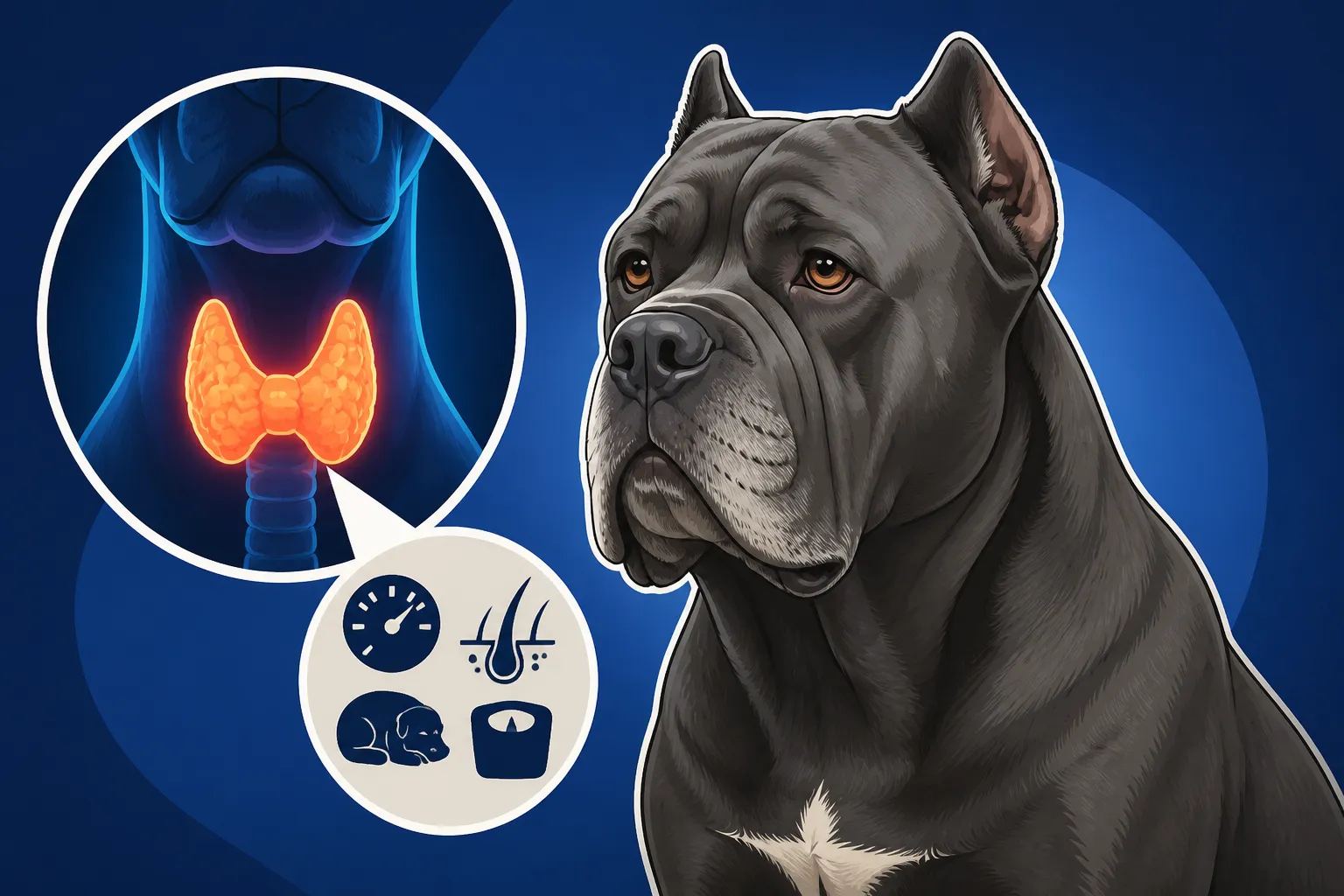
Hypothyroidism is essentially an underactive thyroid gland, meaning your Cane Corso's body isn't producing enough thyroid hormones. These hormones are critical for regulating metabolism, which influences everything from energy levels to skin health and even body temperature. Because Cane Corsos are a larger breed, and often seen as stoic, these changes can be particularly easy to miss or misinterpret. Owners might notice their normally vigilant guardian becoming more sluggish, less interested in walks, or just generally "off."
One of the most common and visible signs is a change in body condition, often an unexplained weight gain despite no change in diet or exercise. Imagine your Cane Corso, who once had a taut, muscular physique, now carrying an extra 10-20 pounds around their midsection. This isn't just cosmetic; this extra weight puts undue stress on their joints, which are already susceptible to conditions like Hip Dysplasia in a Fast Growing Cane Corso or Managing Arthritis in a Hundred Pound Cane Corso. Beyond weight, their coat might lose its luster, becoming dry, brittle, or even thinning out, especially over their flanks and tail. Some owners report a "rat tail" appearance where the hair practically vanishes. This dull coat is often accompanied by flaky skin, and sometimes, a Cane Corso will even develop recurrent skin infections that just don't seem to clear up.
Another tell-tale sign involves their energy levels and overall demeanor. A typically alert and active Cane Corso might start acting unusually lethargic, sleeping more, and showing less enthusiasm for play or training. They might seem cold even indoors, seeking out warm spots or shivering more than usual, because their body struggles to regulate its temperature. This can be particularly frustrating for owners used to a dog with immense drive and energy, who now appears disinterested in activities they once loved. The internal link, The Weight Gain That Points at a Cane Corso's Thyroid, goes into more detail about this particular symptom and its implications.
Getting a Proper Diagnosis: The Thyroid Test for Your Cane Corso
When you start noticing these subtle, or not-so-subtle, changes in your Cane Corso, the first step is always a visit to your trusted veterinarian. It's easy to dismiss these things, especially as your dog approaches What Changes in a Cane Corso After Its Eighth Birthday, but advocating for their health is crucial. The diagnostic process for hypothyroidism usually begins with a thorough physical examination and a discussion of all the symptoms you’ve observed. Your vet will look for specific physical cues, like symmetrical hair loss, a puffy face, or a slow heart rate.
The definitive diagnosis, however, comes from blood tests. Typically, a total T4 (thyroxine) test is the initial screening. This measures the total amount of thyroid hormone circulating in the blood. If this level is low, it’s a strong indicator, but not conclusive on its own, because other illnesses or medications can also temporarily lower T4 levels (this is sometimes called "euthyroid sick syndrome"). To get a more accurate picture, your vet might recommend additional tests, such as a free T4 (fT4) or a TSH (thyroid-stimulating hormone) test. The fT4 measures the unbound, biologically active form of the hormone, while TSH helps determine if the pituitary gland is working harder to stimulate a sluggish thyroid. A combination of low T4/fT4 and a high TSH is a strong confirmation of primary hypothyroidism.
Sometimes, a "thyroid panel" is ordered, which includes these tests and sometimes others, providing a comprehensive look at thyroid function. It's important to understand that normal ranges for thyroid hormones can vary slightly between labs, and your vet will interpret the results in conjunction with your Cane Corso's clinical signs. Don't be afraid to ask questions about the different tests and why they are being performed. This thorough diagnostic process is vital to avoid misdiagnosis and ensure your Cane Corso receives the correct treatment, preventing unnecessary medication or delaying crucial care. Just like with Yearly Bloodwork on an Adult Cane Corso, these comprehensive tests offer valuable insights into your dog's overall health picture.
Living with Hypothyroidism: Management and Prognosis
The good news is that hypothyroidism is one of the most straightforward and treatable endocrine disorders in dogs. Once diagnosed, the treatment typically involves daily oral medication with synthetic thyroid hormone, most commonly levothyroxine. This is a synthetic replacement for the thyroid hormone your Cane Corso's body isn't producing enough of. It's a lifelong medication, meaning your Cane Corso will need to take it every single day for the rest of their life. Consistency is absolutely key here; missing doses can lead to a return of symptoms and an unstable hormone balance.
The initial dosage is usually determined by your Cane Corso's weight, but it's not a one-size-fits-all situation. After starting medication, your vet will schedule follow-up blood tests, usually within 4-8 weeks, to check their thyroid levels and ensure the dosage is correct. These monitoring tests are crucial to prevent both under-dosing (where symptoms persist) and over-dosing (which can lead to hyperthyroidism symptoms like restlessness, weight loss, and increased thirst). Once a stable dose is found, these blood tests might be performed every 6-12 months, or as needed if symptoms reappear or new issues arise. This ongoing management is a significant consideration for What Running a Hundred Pound Cane Corso Costs Yearly.
With proper medication, you should start to see improvements in your Cane Corso's condition within a few weeks to a couple of months. Their energy levels will likely pick up, they might start losing that stubborn weight, and their coat should begin to look healthier and thicker. It’s truly amazing to see the transformation, as your sluggish, uncomfortable Cane Corso starts acting more like their old self. The prognosis for hypothyroid dogs is excellent, and with consistent medication and regular veterinary check-ups, most live a normal, healthy lifespan. This is where having something like Healthy Paws pet insurance can really make a difference, covering a significant portion of the ongoing medication and monitoring costs for a chronic condition like hypothyroidism, giving you peace of mind that you can afford the best care for your loyal companion. They cover conditions that are not pre-existing, so getting coverage early is often beneficial.
Why Early Detection Matters and What Happens Next
Ignoring the signs of hypothyroidism can lead to a cascade of other health problems for your Cane Corso, making their middle and senior years far less comfortable than they should be. Untreated hypothyroidism can worsen joint issues due to increased weight, exacerbate skin conditions, and even affect their heart function over time, potentially impacting their overall The Nine Year Median Behind a Cane Corso's Lifespan. In severe, rare cases, untreated hypothyroidism can lead to a life-threatening condition called myxedema coma, characterized by extreme lethargy, low body temperature, and a very slow heart rate. While uncommon, it underscores the importance of addressing thyroid issues promptly.
Beyond medication, supporting your Cane Corso involves maintaining a healthy lifestyle. This includes a balanced diet appropriate for their age and activity level, and consistent, moderate exercise. While they might have been sluggish before treatment, once their thyroid levels normalize, their energy will return, and regular walks and play will be vital for maintaining a healthy weight and muscle tone. Remember, a Cane Corso is built for work, and even in their senior years, mental and physical stimulation is important. If you're concerned about finding ways to exercise an older dog, discussing How Far an Old Cane Corso Should Still Walk with your vet can provide tailored advice.
Remember that managing a chronic condition like hypothyroidism is a partnership between you and your vet. Don’t hesitate to communicate any concerns or observations about your Cane Corso’s health, even seemingly minor ones. Consistent communication ensures that any adjustments to medication or care can be made quickly, keeping your Cane Corso feeling their best. Having a robust pet insurance plan, such as one from Healthy Paws, can greatly alleviate the financial stress associated with long-term medication and frequent vet visits. Knowing that you have support for these ongoing medical expenses allows you to focus solely on your Cane Corso's well-being. Ultimately, understanding and managing hypothyroidism allows your Cane Corso to not just survive but truly thrive, letting you cherish every moment of How Many Years a Cane Corso Owner Usually Gets.
Disclaimer
The information provided in this article is for general informational purposes only and is not a substitute for professional veterinary advice, diagnosis, or treatment. Always seek the advice of your veterinarian or other qualified health provider with any questions you may have regarding a medical condition. Never disregard professional veterinary advice or delay in seeking it because of something you have read in this article.