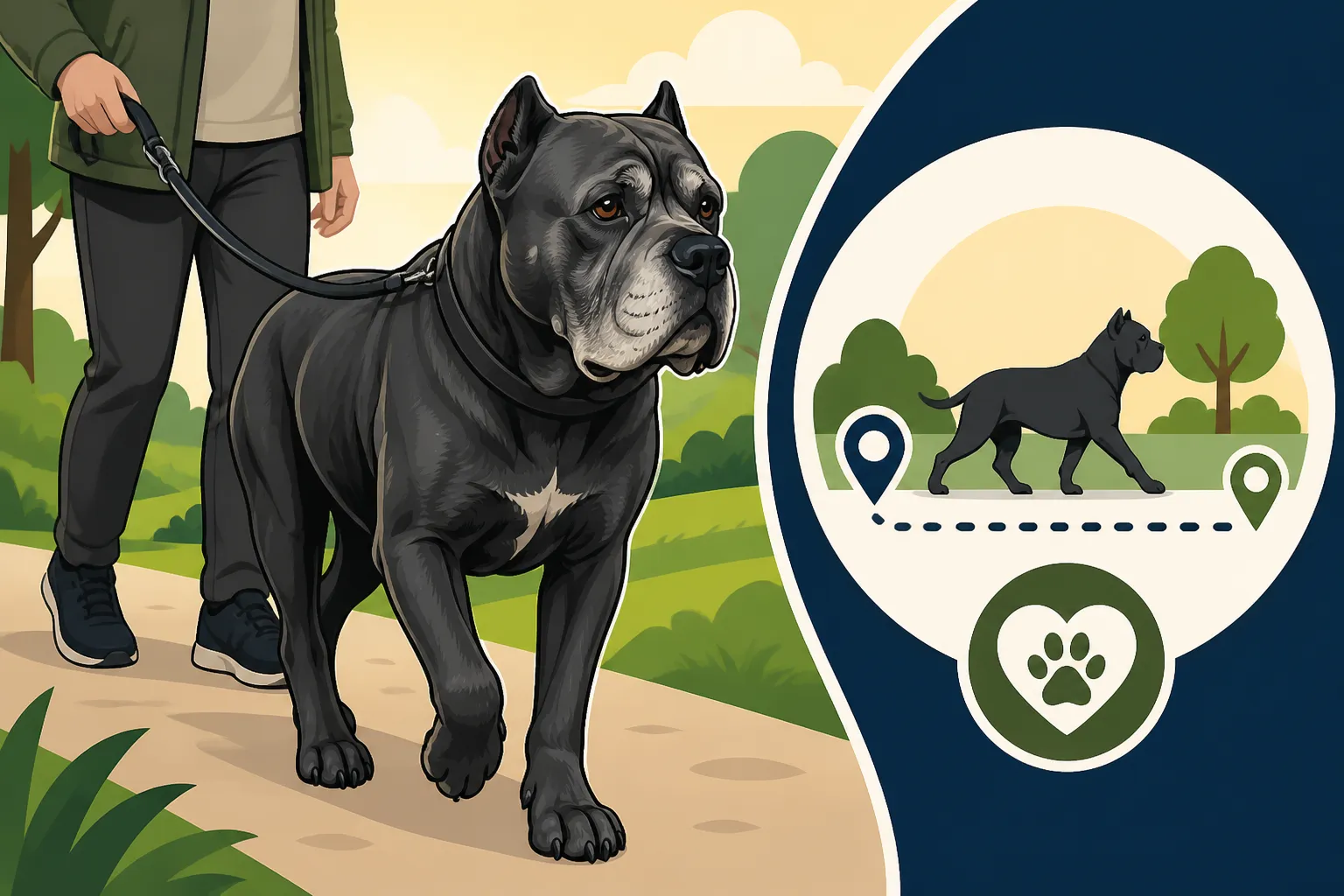
How Far an Old Cane Corso Should Still Walk
It’s a tough reality watching our beloved Cane Corsos start to slow down. One day they're bounding across the yard, seemingly limitless, and the next you notice a slight stiffness in their gait, a reluctance to jump, or a quicker breath after a shorter walk. It leaves many of us wondering, "How much is too much now?" This guide is here to help you navigate the nuanced world of exercising your senior Cane Corso, ensuring their golden years are as comfortable and active as safely possible.
Understanding the Aging Process in Cane Corsos
Just like us, our magnificent Cane Corsos experience a gradual decline in various bodily functions as they age. It's not a sudden switch, but a slow progression, and understanding these changes is the first step in providing them with the best care. You might be curious about The Age a Cane Corso Is Treated as a Senior. Generally, a Cane Corso is considered a senior around 7-8 years old, though some might show signs earlier or later depending on their individual health and genetics.
Common Physical Changes and Health Conditions
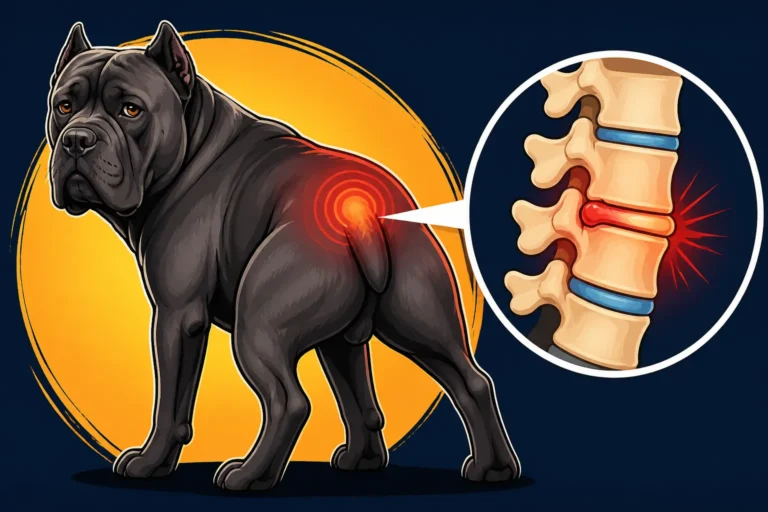
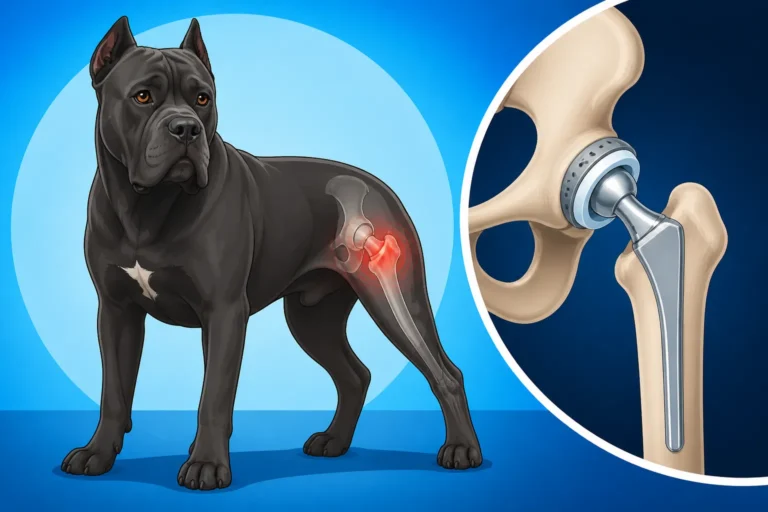
As your Cane Corso moves into their senior years, several physical changes become more prevalent. The most common and often frustrating issue is arthritis and joint pain. Their powerful, heavy frames, which once served them so well, now put significant strain on their joints. You'll likely notice them struggling to get up from a lying position, a hesitant approach to stairs, or a general stiffness, especially in the mornings or after resting. This isn't them being stubborn; it's genuine discomfort. Canine hip and elbow dysplasia, even if managed throughout their younger years, can worsen dramatically with age. Many owners find themselves looking into strategies for Managing Arthritis in a Hundred Pound Cane Corso.
Beyond joint issues, you might observe a decrease in muscle mass, particularly in their hindquarters, even if they're still active. This muscle atrophy contributes to weakness and can make balance more challenging. Their once keen senses might also dull; hearing loss can lead to them not responding to commands as readily, and vision changes, such as cataracts or progressive retinal atrophy, can make navigating familiar environments confusing, especially in low light. These changes are part of the natural aging process, but they significantly impact how far and how safely your Cane Corso can walk. It's really about adapting to their new normal, not expecting them to be the same dog they were at two years old.
Mental and Cognitive Shifts
Physical changes are just one part of the picture; our senior Cane Corsos can also experience mental and cognitive shifts. Canine Cognitive Dysfunction (CCD), sometimes referred to as "doggy dementia," is a real and often heartbreaking condition. You might notice your dog becoming disoriented in familiar surroundings, staring blankly at walls, forgetting previously learned commands, or exhibiting changes in sleep patterns, such as restlessness at night. These moments can be incredibly confusing for both you and your dog, making regular routines feel daunting.
Furthermore, anxiety can increase in older dogs as their senses decline and their routines are disrupted. A Cane Corso who was once the epitome of calm confidence might become more clingy, exhibit separation anxiety, or react fearfully to noises or situations that never bothered them before. Their tolerance for new experiences or even slight deviations from their daily schedule can diminish. This isn't naughtiness; it's often a sign of increased stress and decreased ability to cope with change. Understanding these cognitive shifts is crucial because it influences not just their willingness to walk, but also their ability to process their surroundings safely during a walk. A mentally fatigued dog won't enjoy a physical walk, no matter how short.
Tailoring Exercise for Your Senior Cane Corso
The key to exercising a senior Cane Corso isn't about stopping activity altogether; it's about intelligent adaptation. Their needs have changed, and our approach must evolve with them. What worked when they were a robust, young adult will likely be too much now.
Assessing Your Dog's Current Mobility and Energy Levels
Before you even think about how far your older Cane Corso should walk, you need to become a keen observer of their daily life. Pay close attention to their comfort levels throughout the day. Do they limp after a long nap? Do they hesitate before getting on the couch or into the car? Are they lagging behind on walks, or do they seem less enthusiastic about going out the door? These subtle cues are your dog's way of communicating discomfort or fatigue. It’s important to watch for Signs a Cane Corso's Hips Are Starting to Go, as these issues can greatly impact their desire and ability to move.
A veterinary consultation is paramount. Your vet can conduct a thorough examination, including checking their joints, muscle mass, and overall health. They might recommend blood work to rule out underlying conditions or X-rays to assess the severity of arthritis. Don't be afraid to discuss pain management options, from NSAIDs to joint supplements, which can significantly improve their quality of life and enable more comfortable movement. This assessment isn't a one-time thing; it's an ongoing dialogue with your vet as your dog continues to age. What they can handle this month might change next month.
Recommended Exercise Types and Duration
Once you have a clear picture of your Cane Corso's health, you can begin to tailor their exercise routine. Gone are the days of long, strenuous hikes or intense runs. Instead, think "quality over quantity." Short, frequent walks are often much better than one long one. Aim for two to three shorter walks throughout the day, perhaps 10-15 minutes each, rather than a single 30-45 minute trek. The goal is gentle movement that keeps their joints lubricated and muscles active without causing undue stress or exacerbating pain.
Swimming, if accessible and your dog enjoys it, can be a fantastic low-impact exercise for senior Cane Corsos, as it supports their body weight and reduces strain on joints. However, remember to assist them in and out of the water, and ensure they stay warm afterward. Mental stimulation is equally important. Puzzle toys, gentle scent games in the house or yard, or even short training sessions to review known commands can keep their minds sharp without stressing their bodies. Remember, the pace should always be dictated by your dog. If they stop, sniff extensively, or want to turn back, respect that. It’s also crucial to consider How Far an Old Cane Corso Should Still Walk. This depends heavily on their individual health.
Here’s a general guideline for adapting walks:
| Age/Condition | Recommended Walk Duration & Frequency | Notes |
|---|---|---|
| Early Senior (7-9 years) | 20-30 minutes, 2 times a day | Monitor closely for stiffness; consider joint supplements. |
| Mid-Senior (10-12 years) | 10-15 minutes, 2-3 times a day | Focus on gentle pace; avoid strenuous activity; may benefit from pain management. |
| Advanced Senior (13+ years) | 5-10 minutes, 3-4 times a day (potty breaks) | Prioritize comfort; consider physical therapy or assisted walking devices; mental enrichment is key. |
| Arthritis/Mobility Issues | As tolerated, multiple short trips daily | Hydrotherapy, soft surfaces, and pain medication are highly beneficial. |
| Cognitive Decline | Short, familiar routes; focus on routine | Predictability is calming; incorporate scent work or puzzle toys at home. |
The Importance of Warm-up and Cool-down
Just like a human athlete, an older Cane Corso's muscles and joints benefit greatly from a proper warm-up before exercise and a cool-down afterward. Ignoring this can lead to increased stiffness, discomfort, and even injury. Before you head out, engage in a few minutes of very slow, easy movement around the house or yard. Think of it as gently waking up their body. You can do some gentle range-of-motion exercises, slowly moving their limbs through their natural range (without forcing anything!), or encourage a few sits and stands. This helps increase blood flow to their muscles and lubricate their joints, preparing them for the walk ahead.
After the walk, especially if it was a bit longer or more stimulating, a cool-down is equally crucial. A slow, relaxed walk around the block for a few minutes can help their heart rate return to normal and prevent stiffness. Gentle massage, especially on their legs and hips, can also be incredibly soothing and help prevent post-exercise soreness. Some owners find that a warm towel compress on arthritic joints can provide comfort. Remember, a stiff dog is a dog in pain, and prevention is always better than cure. Taking these extra few minutes can make a world of difference in their overall comfort and willingness to engage in future activity. If your Cane Corso often struggles to stand, consider implementing strategies for Helping an Old Cane Corso Off the Floor.
When to Adjust or Restrict Walks
Understanding when to push a little and when to pull back is a fine line with senior dogs. It requires constant vigilance and an understanding of their non-verbal cues. Sometimes, the best walk is no walk at all.
Recognizing Signs of Overexertion and Pain
Your Cane Corso might be a stoic breed, often hiding discomfort, which makes it even more important for you to recognize the subtle signs that they’ve had enough or are in pain. Watch for limping, even a slight shift in weight distribution. If they start lagging behind you on a walk, constantly stopping to sniff or simply to rest, it’s a clear signal. Excessive panting, especially if it's not particularly hot or strenuous, can indicate pain or fatigue. Stiffness after returning home, difficulty getting up, or a reluctance to lie down in their usual comfortable positions are all red flags. You might also notice changes in their normal gait, such as a shorter stride or a less fluid movement.
Don't ignore growling or yelping when touched, especially around their joints or back; this is a direct communication of pain. If these signs appear, it's time to shorten the walk immediately, or even turn around and head home. Prolonged overexertion can lead to increased inflammation, more severe pain, and a longer recovery period. It’s better to cut a walk short and keep them comfortable than to push them to their limit and cause unnecessary suffering. If you have pet insurance like Healthy Paws, it can be a huge relief to know that diagnostic tests and ongoing treatment for age-related conditions are covered, allowing you to make these important decisions based on your dog's needs, not just your wallet.
Environmental Considerations for Older Dogs
The environment plays a huge role in how far and how safely your senior Cane Corso can walk. Hot pavement, for example, can quickly burn their paw pads, and older dogs are more prone to overheating because their bodies regulate temperature less efficiently. Conversely, freezing temperatures, ice, and snow can be dangerous for arthritic joints, making slips and falls more likely. Their decreased mobility also means they might not be able to react quickly to slippery surfaces.
Uneven terrain, such as rocky trails or steep hills, can be incredibly challenging for a dog with joint pain or muscle weakness, increasing their risk of a stumble or fall. Even a seemingly innocuous curb can become a major obstacle. Opt for flat, even surfaces like paved paths or soft, grassy areas. Consider investing in paw protection in extreme weather, such as boots, or using paw balm to protect against harsh elements. Always check the ground temperature yourself – if it's too hot or cold for your bare hand, it's too much for their paws. When the weather isn't cooperating, shift to indoor activities like mental games or short, supervised trips to the yard for potty breaks.
Consulting Your Veterinarian for a Personalized Plan
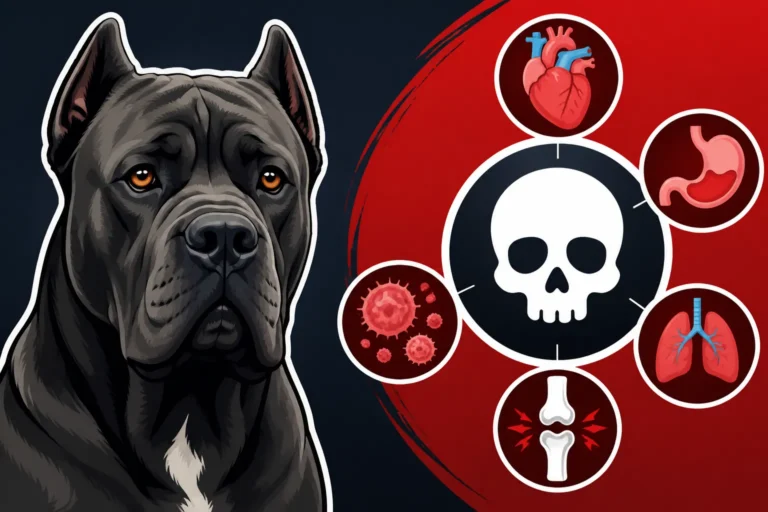
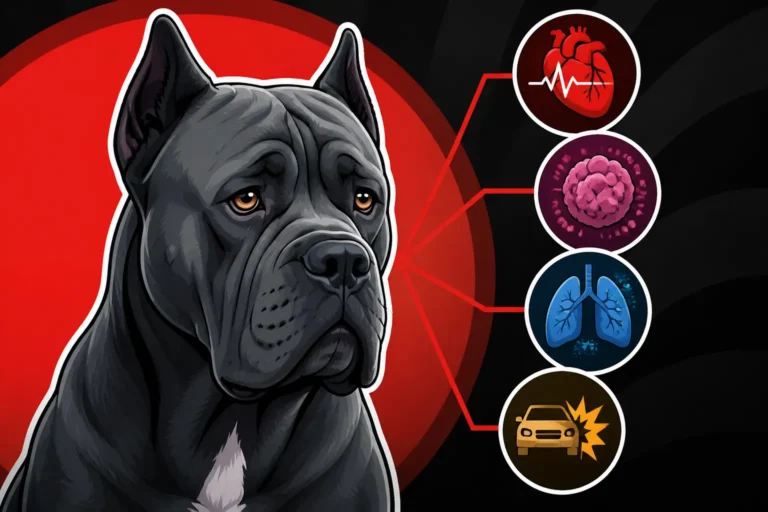
You are your Cane Corso's best advocate, but your veterinarian is your indispensable partner in their senior care. Regular check-ups become even more crucial as your dog ages. Don’t wait for obvious problems to arise; proactive veterinary care can help identify and manage issues before they become severe. Your vet can help you create a personalized exercise plan based on your dog's specific health profile, factoring in any existing conditions like heart disease, kidney issues, or diabetes, which can all impact their exercise tolerance.
They might recommend specific medications for pain and inflammation, supplements like glucosamine and chondroitin, or even physical therapy and rehabilitation. Hydrotherapy, acupuncture, or laser therapy are becoming increasingly popular options for improving mobility and reducing pain in senior dogs. A good pet insurance plan, such as Healthy Paws, can certainly help offset the costs of these advanced treatments and allow you to explore all options for your senior companion. Don't hesitate to ask about when to adjust their diet, What Changes in a Cane Corso After Its Eighth Birthday regarding their activity levels, and how to best support their remaining years. It’s about managing expectations and maximizing comfort and joy for as long as possible.
Supporting Your Senior Cane Corso's Overall Well-being
Exercise is just one piece of the puzzle. A holistic approach to senior care ensures your Cane Corso remains as happy and comfortable as possible.
Nutritional Adjustments for Senior Dogs
As your Cane Corso ages, their metabolism slows down, and their activity levels naturally decrease. This means their caloric needs change. Continuing to feed them the same amount of food they ate as a young adult can lead to unhealthy weight gain, which places even more strain on already compromised joints. Keeping The Weight an Old Cane Corso Should Hold is critical. Work with your vet to determine an appropriate diet, often a senior-specific formula that is lower in calories but still provides adequate protein to maintain muscle mass.
Joint supplements containing glucosamine, chondroitin, and MSM can be incredibly beneficial, helping to reduce inflammation and support cartilage health. Omega-3 fatty acids, found in fish oil, also have anti-inflammatory properties that can ease joint pain and improve coat health. Some senior diets are fortified with antioxidants and MCTs (medium-chain triglycerides) to support cognitive function. If your dog is having dental issues, which are common in older dogs, you might need to soften their kibble with water or switch to a wet food. Every aspect of their diet should be geared towards supporting their changing body.
Creating a Comfortable and Safe Home Environment
Your home environment should become a sanctuary of comfort and safety for your senior Cane Corso. Hardwood or tile floors can be treacherous for dogs with compromised mobility, leading to slips and falls that can cause serious injury. Lay down non-slip rugs or runners in high-traffic areas. Ramps are invaluable for helping them get into vehicles, onto beds or couches, or navigate stairs, saving their joints and preventing accidents. You might even consider investing in Ramps for a Cane Corso That Cannot Jump Up.
Providing an orthopedic bed or several strategically placed orthopedic beds throughout the house can offer immense relief to aching joints. These beds distribute weight evenly and provide superior support compared to regular dog beds. Ensure their food and water bowls are easily accessible and possibly raised to prevent them from having to bend down excessively, which can be painful for neck and back issues. Adjusting the lighting, especially at night, can help dogs with vision impairment navigate more confidently. Think about your home from their perspective and make modifications that remove obstacles and provide maximum comfort.
Proactive Health Management and Vet Visits
Beyond managing specific ailments, a commitment to proactive health management is the cornerstone of excellent senior Cane Corso care. This includes regular veterinary check-ups, even if your dog seems perfectly fine. For older dogs, yearly or even twice-yearly vet visits are recommended to catch potential issues early. These visits often include routine bloodwork to monitor organ function (kidneys, liver, thyroid), which can decline with age. Dental care is crucial, as periodontal disease can cause pain and lead to other systemic health problems.
Keep up with vaccinations and parasite prevention, as a senior dog's immune system may not be as robust. Be vigilant about any new lumps or bumps, changes in appetite or thirst, or alterations in bathroom habits. Early detection truly makes a difference in managing age-related diseases. Having comprehensive pet insurance, like Healthy Paws, can be incredibly beneficial here. It can cover a significant portion of diagnostic tests, treatments, and even emergency care, giving you the peace of mind to always choose the best medical options for your aging Cane Corso without financial stress. The more proactive you are, the better equipped you'll be to ensure their golden years are as full and joyful as possible.
Disclaimer
This article is for general informational purposes only and does not constitute professional advice. Laws, prices and regulations vary by location and change over time. Consult a qualified professional for guidance on your specific situation.