What Ends a Cane Corso’s Life Most Often
It’s a tough thing to think about, isn’t it? The idea of what might ultimately take our magnificent Cane Corsos from us. We pour so much love, time, and resources into these loyal guardians, and the thought of their eventual departure is always lurking in the back of our minds. This guide isn't about dwelling on sadness, but rather about arming ourselves with knowledge on what ends a Cane Corso's life most often, so we can be proactive, vigilant, and provide the best possible care for as long as we can.
The Heartbreaking Reality of Cane Corso Lifespans
Bringing a Cane Corso into your home means preparing for a journey that, statistically, will be shorter than with many smaller breeds. It’s a harsh truth that large and giant breeds often have compressed lifespans, and our beloved Italian Mastiffs are no exception. Understanding the common patterns and challenges is the first step in providing informed care and maximizing their time with us.
Understanding the Median Lifespan
When we talk about the median lifespan of a Cane Corso, we're looking at a range that often falls between 9 and 12 years, though some sources might put it slightly lower, around 9 to 10 years. For a breed so imposing and powerful, this can feel incredibly short. The sheer size and rapid growth rate that make them so impressive also contribute to unique physiological stresses that aren't seen in smaller dogs. This means they can be prone to certain conditions earlier in life that might accelerate the aging process or lead to critical health events. It's a cruel irony that the very traits we admire—their massive bone structure, deep chests, and rapid development—can also be their Achilles' heel when it comes to longevity. While we all hope our individual dogs will be the exception, it’s vital to acknowledge these general statistics when planning for their care. You might find it helpful to delve deeper into The Nine Year Median Behind a Cane Corso's Lifespan to get a full picture.
Common Themes in Large Breed Mortality
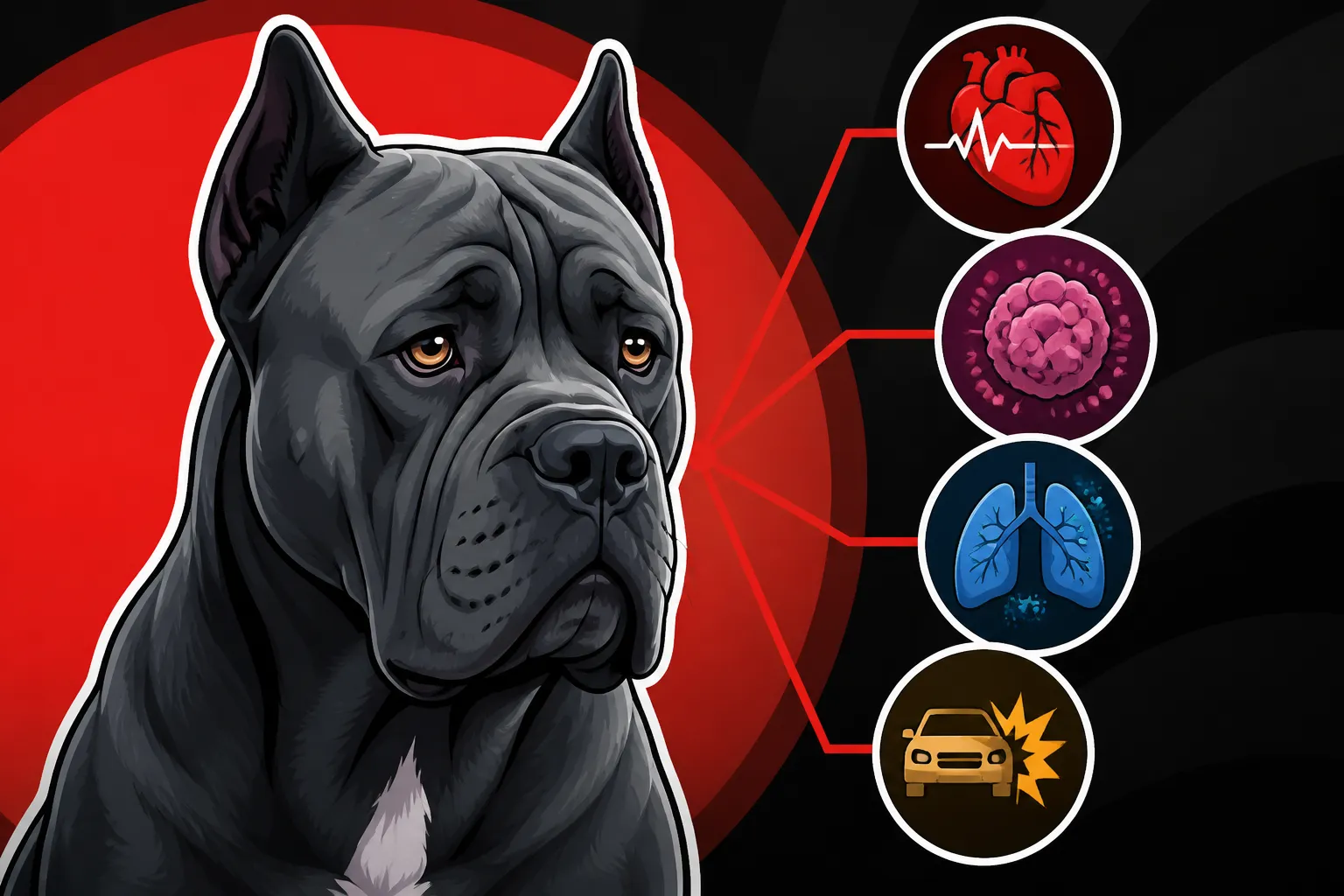
Across many large and giant breeds, there are recurring themes in what ultimately shortens their lives. Cancer is almost universally a top cause, often striking relatively young. Heart conditions, particularly dilated cardiomyopathy, are also disproportionately represented. Orthopedic issues like severe hip and elbow dysplasia, while not directly fatal, can severely diminish a dog's quality of life to the point where owners face the heartbreaking decision of euthanasia. Then there are the acute, sudden emergencies like bloat, which can take a dog in mere hours if not addressed immediately. The larger a dog, the more stress is placed on its skeletal system, its cardiovascular system, and even its digestive tract. This isn't to say smaller dogs don't face serious health challenges, but the scale of these issues, and the speed at which they can progress, is often amplified in a Cane Corso. It underscores the importance of preventative care, careful breeding, and constant vigilance for any changes in their health.
The Silent Threat of Cancer in Cane Corsos
Cancer is, without a doubt, one of the most devastating diagnoses a Cane Corso owner can receive. It's a pervasive and often aggressive disease that unfortunately claims a significant percentage of these magnificent dogs, often far too young. The statistics are stark, placing cancer as a leading cause of death across many large breeds, and the Cane Corso is no exception.
Types of Cancer Most Prevalent
While any dog can develop cancer, certain types are seen more frequently or with greater aggression in Cane Corsos. Osteosarcoma, an aggressive bone cancer, is a particular concern, especially in their limbs. This often manifests as a subtle limp that progresses rapidly to severe pain and lameness. These tumors grow quickly and metastasize readily to other parts of the body, particularly the lungs. Another significant threat is hemangiosarcoma, a cancer of the blood vessel lining. This type often occurs on internal organs, especially the spleen or heart, and can be insidious because it often shows no outward signs until a tumor ruptures, leading to sudden, life-threatening internal bleeding. Lymphoma, a cancer of the lymphatic system, is also a concern, as are mast cell tumors, which can appear on or under the skin but can also affect internal organs. Recognizing these specific vulnerabilities helps us understand what to watch for. If you notice your Cane Corso developing Bone Cancer in a Cane Corso's Front Leg or Spleen Tumors in an Older Cane Corso, immediate veterinary attention is crucial.
Recognizing Early Warning Signs
The key to fighting cancer in any dog, especially a Cane Corso, is early detection. Unfortunately, many cancers are adept at hiding their presence until they're quite advanced. However, knowing what to look for can make a difference. Any new lump or bump, particularly one that grows quickly or changes in texture, warrants a vet visit. Persistent lameness, swelling, or sensitivity in a limb could point to osteosarcoma. Unexplained weight loss, decreased appetite, lethargy, or a general "off" feeling are vague but important signs that something serious might be amiss. Pale gums or a distended abdomen can indicate internal bleeding, a grave symptom of a ruptured hemangiosarcoma. Frequent urination, difficulty breathing, or changes in bowel habits are also red flags. Because our Cane Corsos are so stoic, they often hide pain or discomfort until it's significant. Regular full-body checks at home, paying close attention during grooming, and consistent veterinary check-ups are invaluable tools in catching these silent threats before they become untreatable.
Managing the Disease and Quality of Life
When a Cane Corso is diagnosed with cancer, the decisions can be overwhelming and heartbreaking. Treatment options vary greatly depending on the type and stage of cancer, and can include surgery, chemotherapy, radiation, or palliative care. For highly aggressive cancers like osteosarcoma or hemangiosarcoma, the goal is often to extend comfortable life for as long as possible while maintaining a good quality of life. This means managing pain, supporting their nutrition, and ensuring they still enjoy their favorite activities. The financial burden of cancer treatment can also be substantial, which is why having comprehensive pet insurance from a provider like Healthy Paws can be a lifesaver, covering a significant portion of these high costs and allowing you to focus on your dog's care rather than the bill. Ultimately, the decision to pursue aggressive treatment versus focusing solely on comfort is deeply personal and should be made in close consultation with your veterinary oncologist, always prioritizing your Cane Corso's well-being and dignity.
Sudden Emergencies: Bloat and Cardiac Events
Beyond chronic diseases, Cane Corsos are also vulnerable to acute, life-threatening emergencies that can strike without much warning, leaving owners scrambling against the clock. Two of the most terrifying of these are Gastric Dilatation-Volvulus (GDV), commonly known as bloat, and sudden cardiac events.
Gastric Dilatation-Volvulus (Bloat) Risks
Bloat is every deep-chested dog owner's nightmare, and the Cane Corso, with its characteristic deep and narrow chest, is unfortunately at high risk. This condition occurs when the stomach fills with gas and then twists upon itself, trapping the gas and cutting off blood flow. It's incredibly painful, rapidly progresses to shock, and without immediate emergency surgery, it is almost always fatal. The terrifying part about bloat is its sudden onset; a dog can go from perfectly normal to critically ill in a matter of minutes or hours. Early signs include pacing, restlessness, attempting to vomit but producing nothing, excessive drooling, and a distended or firm abdomen. If you see these signs, it's a race against time. Getting to an emergency vet within an hour or two of onset dramatically improves the prognosis. Many Cane Corso owners opt for a preventive gastropexy, a surgical procedure where the stomach is tacked to the abdominal wall to prevent it from twisting, often performed at the same time as spay/neuter surgery. This procedure can literally be a lifesaver, offering immense peace of mind. For more detailed information, read about Bloat and What a Cane Corso's Deep Chest Costs and Recognizing Bloat in a Cane Corso Before It Turns.
Cardiomyopathy and Heart Failure
Heart disease, particularly dilated cardiomyopathy (DCM), is another significant cause of death in Cane Corsos. DCM is a condition where the heart muscle becomes thin and weak, leading to an enlarged heart that struggles to pump blood effectively. This can eventually lead to congestive heart failure. Unlike some other heart conditions, DCM can be particularly insidious because dogs often show no symptoms in the early stages. By the time symptoms appear, the disease is often advanced.
Symptoms can include lethargy, decreased exercise tolerance, coughing (especially at night or when lying down), difficulty breathing, and sometimes fainting spells. A veterinarian might detect a heart murmur or an irregular heartbeat during a routine exam, which would prompt further investigation with an echocardiogram – a specialized ultrasound of the heart.
While there's no cure for DCM, medications can help manage the symptoms, improve heart function, and extend a dog's life and quality of life. Regular cardiac screening, especially for breeding dogs, can help identify the condition early. If your Cane Corso is diagnosed, working closely with a veterinary cardiologist is essential. Pet insurance, such as a plan from Healthy Paws, can be incredibly beneficial here, helping to cover the ongoing costs of diagnostics, medications, and specialist consultations needed to manage Heart Disease in a Middle Aged Cane Corso over the long term.
Neurological and Orthopedic Challenges
While cancer and acute emergencies often steal the spotlight when discussing causes of death, chronic neurological and orthopedic conditions can severely impact a Cane Corso's quality of life to the point where euthanasia becomes a compassionate, albeit devastating, choice. These conditions require careful management and often considerable financial and emotional investment.
Managing Epilepsy and Related Conditions
Epilepsy is a neurological disorder characterized by recurrent seizures, and it's a condition seen in Cane Corsos. While epilepsy itself is rarely directly fatal, severe, uncontrolled seizures or clusters of seizures (multiple seizures within a short period) can be dangerous, leading to brain damage, overheating, or even death. More often, the progressive nature of the condition, or the side effects of medications, can significantly impact a dog's quality of life.
The onset of seizures in Cane Corsos often occurs between two and five years of age, a time when they are in the prime of their lives. Watching your powerful dog lose control during a seizure is a deeply distressing experience. Effective management usually involves daily anti-seizure medications, often for the dog's entire life. Finding the right medication and dosage can be a trial-and-error process, and some dogs may require multiple drugs to control their seizures adequately. These medications can have side effects, including lethargy, increased thirst, and liver complications, which also need to be monitored.
Beyond epilepsy, other neurological conditions like Wobbler Syndrome (cervical spondylomyelopathy), which affects the spinal cord in the neck and can lead to severe incoordination and pain, can also eventually lead to a decline in quality of life. While many dogs with these conditions can live long and relatively normal lives with careful management, some cases are so severe that the pain or lack of function becomes too great to manage. For families dealing with recurrent seizures, understanding The Seizures That Start in a Cane Corso Around Two is vital for preparedness and effective care.
The Impact of Severe Joint Disease
Cane Corsos are majestic, powerful dogs, but their rapid growth and significant weight put immense stress on their joints, making them prone to conditions like hip and elbow dysplasia. While these aren't typically direct causes of death, the pain, loss of mobility, and eventual severe arthritis they cause can severely diminish a dog's quality of life. Over time, a Cane Corso with severe, unmanaged joint disease may struggle to walk, stand, or even lie down comfortably.
The pain can be debilitating, requiring daily medication, physical therapy, and sometimes even expensive surgeries like hip replacement. When the pain cannot be adequately controlled, or mobility becomes so compromised that the dog can no longer enjoy life's simple pleasures—walking, playing, interacting with its family—owners are faced with the incredibly difficult decision of euthanasia. This isn't a quick decision; it's often a slow, agonizing process of watching a once vibrant dog fade. Therefore, understanding preventative measures, such as proper nutrition during growth and appropriate exercise, is crucial. Early screening, like the certifications for Hips and Elbows a Cane Corso Must Be Cleared On, can help breeders reduce the incidence, but even well-bred dogs can develop these issues. Supporting a Cane Corso with joint supplements and maintaining a lean body weight are important strategies to help them manage arthritis for as long as possible. A good pet insurance plan from Healthy Paws can also provide significant financial relief for ongoing treatments, helping families provide the best quality of life for their beloved companions for as long as possible.
Navigating End-of-Life Decisions
No one wants to think about saying goodbye to their cherished Cane Corso, but it’s an inevitable part of pet ownership. Understanding when to make that heartbreaking decision, and how to approach it with compassion, is a final act of love we owe to our dogs.
Quality of Life Assessments
The phrase "quality of life" is often tossed around, but what does it really mean when your Cane Corso is facing a terminal illness or debilitating old age? It's about evaluating whether their good days still outweigh their bad days. It's not about prolonging life at all costs, but about ensuring that the time they have left is free from unnecessary pain, fear, or distress.
Veterinarians often use assessment tools that look at several key areas:
- Pain management: Is their pain adequately controlled, or are they constantly uncomfortable despite medication?
- Appetite and hydration: Are they still eating and drinking enough, or are they losing interest in food and becoming dehydrated?
- Mobility: Can they still get up and move around independently to go outside, get to their food bowl, or find a comfortable spot? Are they Helping an Old Cane Corso Off the Floor every single time?
- Hygiene: Are they able to maintain their cleanliness, or are they experiencing incontinence and lying in their own waste?
- Happiness and engagement: Do they still show interest in their favorite activities, toys, or family members? Do they still greet you with enthusiasm, even if subdued?
- Breathing: Are they struggling to breathe comfortably, even at rest?
It's a holistic assessment, and it's something you, as their primary caregiver, are best positioned to observe day-to-day. Keeping a journal of good days versus bad days can sometimes provide clarity. This process allows you to objectively look at their situation, rather than being swayed solely by your deep emotional attachment.
Preparing for the Inevitable
Once the decision is made, or you realize the time is drawing near, preparing for the inevitable can help you and your family navigate this incredibly difficult period. It involves practical considerations, but also emotional preparation.
Talk to your veterinarian about the process of euthanasia. Understand what to expect, and discuss options like in-home euthanasia, which can provide a peaceful, familiar setting for your Cane Corso's final moments. Think about who you want to be there and how you want to remember them. Some owners choose to have a paw print casting or a lock of fur as a keepsake.
Emotionally, it's crucial to acknowledge your grief. Losing a Cane Corso is like losing a family member, and it's okay to feel profound sadness, anger, or even guilt. Allow yourself to mourn. Talk to friends or family who understand, or seek out support groups. Remember the joy and companionship your Cane Corso brought into your life, and cherish those memories. For many, thinking about Knowing When a Cane Corso Has Had Enough is the hardest part of the entire journey.
Table of Common Causes of Death in Cane Corsos
Here’s a simplified table summarizing the most common causes of death in Cane Corsos, roughly categorized:
| Category | Specific Conditions | Typical Onset/Age Range | Key Indicators to Watch For | Prevention/Management Strategies |
|---|---|---|---|---|
| Cancer | Osteosarcoma, Hemangiosarcoma, Lymphoma, Mast Cell | Middle to Older Age (5-10+ years) | Lumps, lameness, weight loss, lethargy, distended abdomen, pale gums | Regular vet check-ups, early detection of lumps, healthy diet, pet insurance for treatment. |
| Cardiac Issues | Dilated Cardiomyopathy (DCM), Heart Failure | Middle to Older Age (4-10+ years) | Lethargy, coughing, difficulty breathing, exercise intolerance, fainting | Regular vet checks, cardiac screenings, weight management, appropriate exercise, medication for management. |
| Acute Emergencies | Gastric Dilatation-Volvulus (GDV/Bloat) | All ages, especially middle age (2-8 years) | Restlessness, unproductive retching, distended abdomen, excessive drooling | Elevated feeding, restricted exercise after meals, prophylactic gastropexy. |
| Neurological | Idiopathic Epilepsy, Wobbler Syndrome | Early to Middle Age (2-5 years) | Seizures, disorientation, weakness, incoordination, neck pain | Medication management, avoiding triggers, specialist vet care, breeding screening. |
| Orthopedic | Severe Hip/Elbow Dysplasia leading to debilitating arthritis | Early to Older Age (Progressive) (1-10+ years) | Lameness, difficulty rising/moving, pain, stiffness, muscle atrophy | Responsible breeding, proper nutrition during growth, joint supplements, weight control, pain management. |
| Other | Kidney/Liver Failure, Degenerative Myelopathy (DM) | Older Age (8+ years) | Increased thirst/urination, lethargy, weight loss, hind limb weakness | Regular senior bloodwork, supportive care, appropriate diet, environmental modifications. |
Disclaimer
This guide is intended for informational purposes only and should not replace professional veterinary advice. Always consult with a qualified veterinarian for any health concerns or before making any decisions regarding your Cane Corso's care or treatment.