Getting a Cane Corso Past Eleven Years Old
It's heartbreaking to realize that our magnificent Cane Corsos, these powerful and devoted companions, often don't have the longest lifespans. Many owners feel a crushing weight when considering their dog's golden years, especially since reaching the age of eleven is, for many, an incredible milestone. This guide is dedicated to exploring the realities and practical strategies for extending your Cane Corso's healthy years, focusing on how we can help them not just survive, but truly thrive past that significant eleven-year mark.
Understanding the Lifespan Realities for Cane Corsos
When you bring a Cane Corso into your life, you’re often aware that giant breeds typically don’t boast the same longevity as their smaller counterparts. This reality can be a tough pill to swallow, especially when you consider the deep bonds we form with these incredible dogs. The journey to getting a Cane Corso past eleven years old isn't just about luck; it's a testament to dedicated care, proactive health management, and a deep understanding of the breed's unique needs.
The Typical Lifespan and Why Eleven is a Milestone
The average lifespan for a Cane Corso generally hovers around 9 to 12 years. You might have heard about The Nine Year Median Behind a Cane Corso's Lifespan in various studies, and while that's an average, it clearly indicates that pushing past the double-digit mark is already an achievement. Reaching eleven years old, let alone beyond, means your Cane Corso has defied some of the breed's common health challenges and benefited from exceptional care. It's a huge milestone that speaks volumes about the commitment of their owner.
This isn't to say it's impossible; far from it. It simply means that every year past ten becomes increasingly precious. We often see owners in online forums sharing stories of their Cane Corsos hitting twelve or thirteen, and those stories are celebrated because they represent a combination of good genetics, vigilant health care, and perhaps a touch of good fortune. The challenge is immense, as these large dogs put significant strain on their joints, hearts, and other organs throughout their lives, making their older years particularly fragile.
Genetic Predispositions and Their Impact on Longevity
Like all purebreds, Cane Corsos come with their own set of genetic predispositions that can influence their longevity. Understanding these is not about fear-mongering, but about being informed and proactive. Issues such as hip and elbow dysplasia, certain heart conditions, and specific cancers are more prevalent in the breed. If you're fortunate enough to have a Cane Corso whose parents were extensively health-tested for these conditions, you've already started on a strong foot. Responsible breeders put immense effort into screening for things like Hips and Elbows a Cane Corso Must Be Cleared On because they know it impacts the quality of life and longevity of their puppies.
However, even with the best genetics, no dog is immune to aging. The key is knowing what to look for and when to act. For instance, heart disease can be a silent killer, slowly progressing before obvious symptoms appear. Conditions like dilated cardiomyopathy (DCM) are of particular concern in large breeds. Similarly, certain cancers, like osteosarcoma (bone cancer), are unfortunately common. Being aware of these genetic leanings empowers you to have more informed conversations with your veterinarian and to consider preventive measures or early screening protocols as your Cane Corso ages.
Proactive Health Management from Puppyhood to Seniority
The journey to a long, healthy life for your Cane Corso doesn't begin when they hit their senior years; it starts the day you bring them home. Every decision you make, from their diet to their exercise routine, contributes to the foundation of their future health. It’s a marathon, not a sprint, and consistency is absolutely crucial.
Establishing a Strong Foundation with Early Care
Proper care during puppyhood and adolescence is paramount. Over-exercising a growing Cane Corso or allowing them to become overweight can put undue stress on their developing joints, leading to problems like hip or elbow dysplasia later in life. It's about finding that delicate balance between enough activity for healthy development and avoiding excessive strain. Think about how many owners, myself included, worry about Why Stairs Matter for a Cane Corso Puppy's Joints or how important it is to keep them lean.
Beyond physical development, early socialization and training also play a role in overall well-being. A well-adjusted, confident Cane Corso is less likely to suffer from stress-related health issues later on. Furthermore, establishing good habits for things like nail trims, teeth brushing, and ear cleaning from a young age makes these essential tasks much easier to manage as they get older and potentially more resistant or less mobile. This early investment pays dividends for their entire life, making senior care less stressful for both you and your loyal companion.
The Critical Role of Regular Veterinary Check-ups
As your Cane Corso moves past the age of eight, they are officially considered a senior, and this is when yearly vet visits become even more critical. In fact, many vets recommend twice-yearly check-ups for senior large breeds. It's not just about vaccinations; it's about comprehensive health screenings. What Senior Bloodwork Shows on a Cane Corso can provide vital insights into organ function, catching issues like kidney or liver disease, diabetes, or thyroid imbalances before they become severe.
These regular appointments are your first line of defense. They allow your vet to establish baseline health parameters, making it easier to spot subtle changes that might indicate an underlying problem. They can also screen for common age-related conditions, recommend appropriate preventive care, and discuss any changes in your dog's behavior or physical condition you might have observed. Don't dismiss "minor" changes; your vet needs to know about everything, from a slight limp to a change in appetite. Many chronic conditions, if caught early, can be managed effectively, vastly improving quality of life and extending longevity. This is also where a good pet insurance plan, like those offered by Healthy Paws, can really shine, helping you afford those essential, often costly, senior screenings and treatments without hesitation.
Nutritional Adjustments for a Long, Healthy Life
Nutrition is one of the most powerful tools we have in promoting longevity. As a Cane Corso ages, their metabolic rate slows down, their activity level often decreases, and their nutritional needs shift significantly. What worked for a young, active adult Cane Corso might not be appropriate for a senior dog.
Senior Cane Corsos generally benefit from a diet that is lower in calories to prevent weight gain, which can exacerbate joint problems. They also need easily digestible proteins to maintain muscle mass, as muscle wasting can become a concern. Look for foods specifically formulated for large breed seniors, as these often contain joint-supporting supplements like glucosamine and chondroitin, and sometimes ingredients aimed at cognitive support. Omega-3 fatty acids, found in fish oil, are also excellent for joint health, skin, and cognitive function. Be mindful of their weight; a lean Cane Corso is generally a healthier Cane Corso, especially as they age. Overweight dogs put extra strain on their joints and organs, shortening their lifespan. If you're wondering about specifics, learning about The Weight an Old Cane Corso Should Hold can be incredibly helpful for managing their senior diet.
| Senior Cane Corso Nutritional Considerations | Why It Matters | What to Look For |
|---|---|---|
| Lower Calorie Density | Prevents weight gain, reduces joint stress | "Senior" or "Weight Management" formulas |
| High-Quality, Digestible Protein | Maintains muscle mass, supports organ health | Single-source proteins, often chicken, lamb, fish |
| Joint Supplements (Glucosamine, Chondroitin) | Supports cartilage health, reduces arthritis pain | Often included in senior formulas; can be added as supplements |
| Omega-3 Fatty Acids | Anti-inflammatory, supports joint, skin, and brain health | Fish oil, flaxseed; often added to premium foods |
| Fiber for Digestive Health | Promotes regular bowel movements, aids digestion | Whole grains, vegetables; moderate amounts |
| Antioxidants (Vitamins E, C, Beta-carotene) | Supports immune system, combats cellular aging | Fruits, vegetables; often added to premium foods |
Always consult your veterinarian before making significant changes to your senior Cane Corso's diet. They can help you choose the best food based on your dog's individual health status, activity level, and any existing medical conditions.
Navigating Age-Related Health Challenges
As our Cane Corsos enter their golden years, it’s almost inevitable that they will face some age-related health challenges. The key is not to prevent them entirely—which is largely impossible—but to recognize them early, manage them effectively, and ensure your dog maintains the best possible quality of life for as long as possible.
Addressing Mobility Issues and Joint Health
One of the most common and heartbreaking aspects of aging in large breeds like the Cane Corso is the decline in mobility. Arthritis, hip dysplasia, and other joint issues can make simple tasks like getting up, climbing stairs, or even just walking painful. It's frustrating to see your once powerful dog struggle, but there are many ways to help.
Managing arthritis often involves a multi-modal approach. This can include prescription anti-inflammatory medications (NSAIDs), joint supplements like glucosamine, chondroitin, and MSM, and even newer therapies like Librela or Adequan injections. Physical therapy, underwater treadmill sessions, and therapeutic massage can also make a significant difference. Ensuring your home has Orthopedic Beds Rated for a Cane Corso's Weight and using ramps or steps to help them get into vehicles or onto furniture can greatly reduce strain. Keeping them at a healthy weight, as discussed earlier, is also incredibly important for minimizing stress on their joints. Don't be afraid to discuss all options with your vet; their comfort is paramount.
Recognizing and Managing Chronic Diseases
Beyond joint issues, senior Cane Corsos are susceptible to various chronic conditions. Kidney disease, liver disease, diabetes, and heart disease are unfortunately common. Symptoms can be subtle at first, often manifesting as changes in appetite, increased thirst, lethargy, or changes in bathroom habits. Knowing What Changes in a Cane Corso After Its Eighth Birthday and beyond can help you spot these signs.
Heart conditions, such as dilated cardiomyopathy (DCM), can be particularly insidious. Regular cardiac exams, including an echocardiogram if recommended by your vet, are crucial, especially if you have a family history of heart disease in your dog’s lineage. For those wondering about the specifics, "The Heart Muscle Disease Behind a Cane Corso's Cardiac Test" outlines what to look for and expect. Catching these conditions early with regular blood work and physical exams can significantly prolong and improve your Cane Corso's life. Many chronic diseases can be managed with medication, dietary changes, and consistent veterinary oversight. This is another area where reliable pet insurance, such as Healthy Paws, can be a lifesaeline, covering a significant portion of the ongoing treatment costs for these conditions.
Staying Vigilant Against Cancer
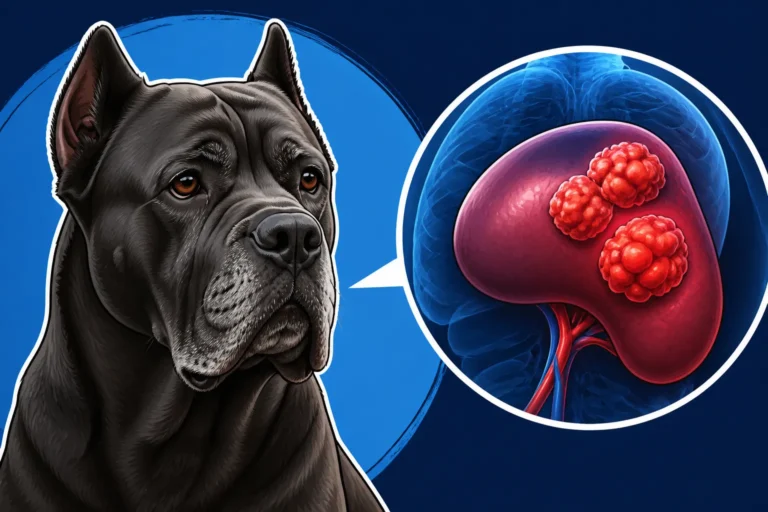
Cancer is a devastating reality for many aging dogs, and Cane Corsos are no exception. Large breeds, in particular, have a higher incidence of certain types of cancer, including osteosarcoma (bone cancer) and hemangiosarcoma (a cancer of the blood vessel lining, often found on the spleen or heart). Suddenly finding a lump, or noticing a subtle limp that doesn't go away, can be terrifying. Learning about Bone Cancer in a Cane Corso's Front Leg or Spleen Tumors in an Older Cane Corso can help you understand the signs and be prepared to act quickly.
The best defense against cancer is early detection. This means being diligent with your monthly at-home checks, feeling for any new lumps or bumps, and paying close attention to any changes in appetite, energy levels, or lameness. During your regular veterinary visits, your vet will also perform a thorough physical exam, checking lymph nodes and abdominal palpation. If a lump is found, don't panic, but advocate for prompt investigation, typically through a fine needle aspirate (FNA) or biopsy. While a cancer diagnosis is never easy, advancements in veterinary oncology mean that many types of cancer can be treated, or at least managed, to provide more quality time with your beloved Cane Corso.
Supporting Mental and Emotional Well-being in Senior Years
It’s easy to focus solely on the physical aspects of aging, but a Cane Corso’s mental and emotional health are just as vital to their overall well-being and happiness in their senior years. A dog’s mind can decline just like their body, and addressing these changes can help them maintain a sense of purpose and comfort.
Keeping Their Minds Sharp and Engaged
As Cane Corsos age, some may experience cognitive dysfunction syndrome (CDS), often likened to canine Alzheimer's. You might notice changes in sleep-wake cycles, increased anxiety, disorientation, or a decrease in interaction. It's alarming when your intelligent, observant companion seems confused or "lost" in their own home. However, there are ways to keep their minds active and engaged.
Continue with gentle, short training sessions, reinforcing familiar commands. Puzzle toys filled with healthy treats can provide mental stimulation without much physical exertion. Scent work, even simple games of "find it" with treats hidden around the house, can be incredibly enriching, leveraging their natural sense of smell. Keep their routine consistent, as familiarity provides comfort and reduces anxiety for dogs with CDS. Simple things like daily, predictable walks, meal times, and bedtime rituals can make a huge difference. Discuss cognitive support supplements or prescription medications with your vet if you suspect CDS, as early intervention can help manage symptoms.
Adapting Your Home to Their Changing Needs
Just like with humans, an aging Cane Corso will benefit from a home environment that adapts to their declining physical abilities. What was once easy might now be a challenge, or even a hazard. This adjustment isn't just for their comfort but also for their safety and your peace of mind.
Consider non-slip rugs on slick floors, especially in areas where they get up or lie down. Ramps can be invaluable for accessing elevated surfaces like beds, couches, or cars, preventing painful jumps and falls. For dogs with vision or hearing loss—like The Deafness That Creeps Up on an Old Cane Corso—maintain a consistent furniture arrangement to avoid disorientation and bumping into things. Nightlights can help dogs with reduced vision navigate at night. Making their sleeping area easily accessible and comfortable, perhaps with extra padding, is also important. These small changes can significantly improve their quality of life and reduce frustration for both of you, making their daily existence less stressful and more dignified. Even something as simple as putting their food and water bowls closer to their resting area can make a big difference if they are struggling to move around.
The Financial and Emotional Commitment of Senior Cane Corso Care
Caring for an aging Cane Corso, especially one living past the average lifespan, is a profound commitment that impacts both your wallet and your heart. It’s important to be realistic about the demands, but also to cherish the unique bond that deepens with every year.
Budgeting for Advanced Veterinary Care
As a Cane Corso ages, the frequency and cost of veterinary care almost invariably increase. Those biannual check-ups, senior blood panels, potential imaging (X-rays, ultrasounds), medications for chronic conditions, and specialized treatments for issues like cancer or advanced arthritis can add up rapidly. It’s not uncommon for senior dogs to require monthly prescriptions or even multiple medications. This can feel overwhelming, and it's a common frustration for owners who want to provide the best but struggle with the financial reality.
This is where planning ahead truly matters. Many owners find that a comprehensive pet insurance plan, like those offered by Healthy Paws, started when their Cane Corso was younger, is invaluable during these senior years. While pre-existing conditions won't be covered if the policy is purchased later, having coverage for new conditions that arise can significantly ease the financial burden. Otherwise, consider setting up a dedicated savings account for senior pet care or looking into veterinary financing options like CareCredit. Understanding How Much a Cane Corso Owner Should Set Aside Monthly for various costs, including those for advanced care, is a crucial part of responsible ownership.
The Unspoken Toll of Caring for an Aging Giant
Beyond the financial considerations, caring for an aging Cane Corso can take a significant emotional and physical toll. Watching your powerful, vibrant companion slow down, struggle with pain, or become disoriented is incredibly difficult. There are moments of immense sadness, frustration, and even guilt. It's okay to feel these emotions.
The physical demands can also be considerable. Helping an Old Cane Corso Off the Floor might become a daily task, requiring significant strength and careful technique. Managing incontinence, administering multiple medications, and adapting your routine around their needs can be exhausting. It’s crucial to acknowledge these challenges and seek support if needed. Connect with other senior dog owners, join online forums, or talk to friends and family who understand. Remember that you are doing an incredible job providing comfort and dignity to your loyal companion. Cherish the quiet moments, the gentle nuzzles, and the unwavering love they continue to offer. Every extra day with your Cane Corso past eleven is a gift, a testament to the enduring bond you share.
Disclaimer
This article is intended for informational purposes only and is not a substitute for professional veterinary advice. Always consult with a qualified veterinarian for any health concerns or before making any decisions about your Cane Corso's care or treatment.