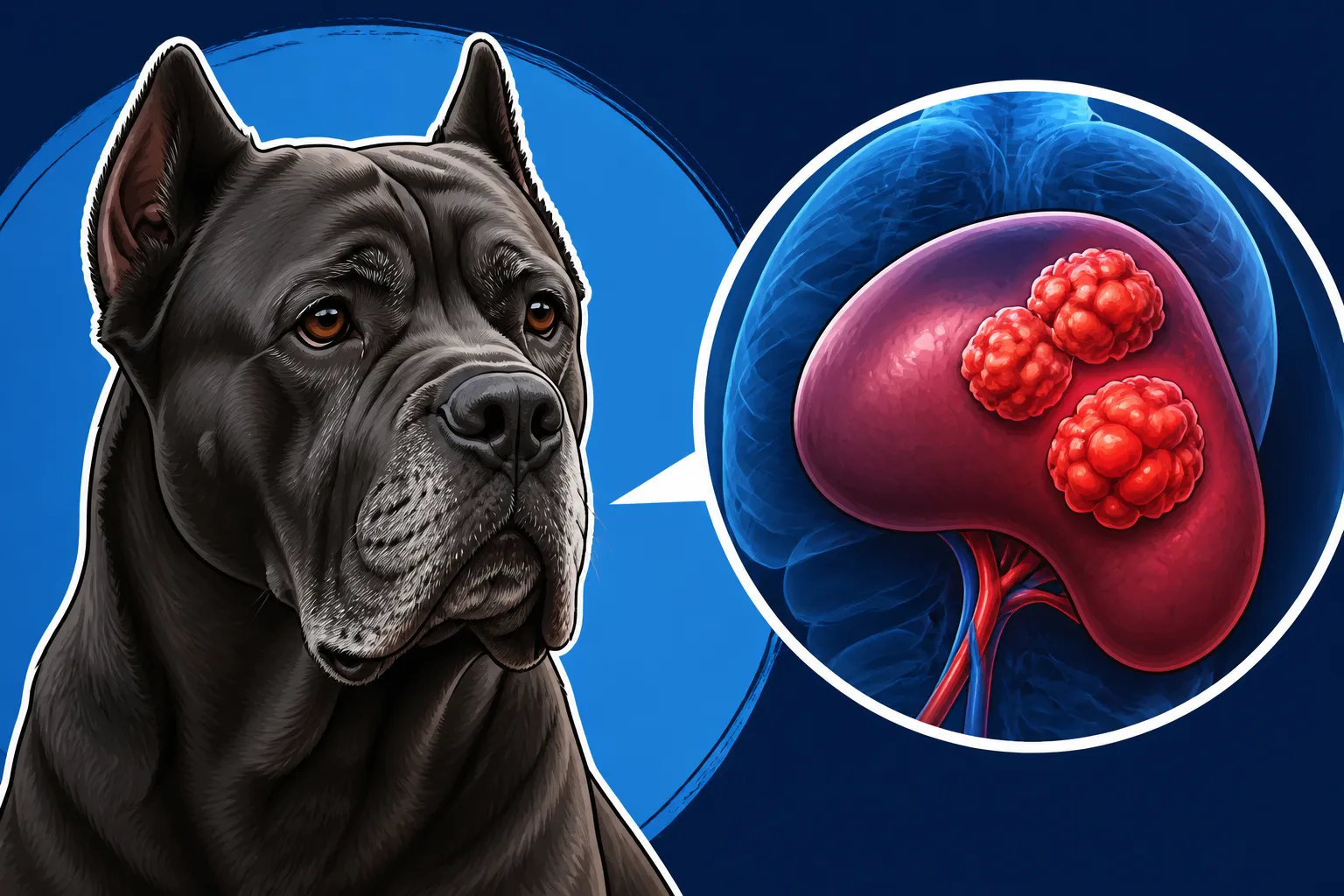
Spleen Tumors in an Older Cane Corso
It’s a heartbreaking reality that as our beloved Cane Corsos age, the specter of serious health issues often looms larger. One of the most insidious and frightening conditions owners face is the development of spleen tumors, which can appear suddenly and turn a perfectly normal day into a frantic race to the veterinary emergency room. This comprehensive guide aims to arm you with the knowledge to understand, recognize, and navigate the challenges posed by spleen tumors in older Cane Corsos.
What Are Spleen Tumors in Older Cane Corsos?
When we talk about spleen tumors in dogs, especially in larger breeds like our Cane Corsos, we're often talking about something far more serious than just a "lump." The spleen is a vital organ, playing a crucial role in filtering blood, storing red blood cells, and supporting the immune system. Unfortunately, it's also a common site for both benign and malignant growths, with the latter being a significant concern for aging dogs.
Understanding Hemangiosarcoma: The Silent Killer
The most common and devastating type of malignant spleen tumor is hemangiosarcoma (HSA). This aggressive cancer originates from the cells that line blood vessels, and because the spleen is a highly vascular organ, it's a prime target. What makes HSA so terrifying is its ability to grow silently, often without noticeable symptoms, until it reaches a critical point. Imagine your robust, strong Cane Corso, seemingly in perfect health, only to collapse suddenly due to internal bleeding from a ruptured spleen tumor. This is the hallmark of HSA – it's a silent killer that gives little warning. The tumor itself is essentially a mass of abnormal blood vessels, and it’s incredibly fragile. Even a minor bump or sudden movement can cause it to rupture, leading to massive internal hemorrhage.
Other Types of Spleen Tumors in Cane Corsos
While hemangiosarcoma steals the spotlight due to its aggressive nature, it's important to remember that not all spleen tumors are malignant. Benign tumors like hemangiomas also occur. These are essentially non-cancerous blood vessel growths that, while potentially problematic if they grow large enough to rupture, do not metastasize or invade other tissues. Other less common types of spleen tumors can include lymphosarcoma, fibrosarcoma, or mast cell tumors. Distinguishing between these, especially between a benign hemangioma and a malignant hemangiosarcoma, is critically important for prognosis and treatment planning. Unfortunately, even veterinarians often can't tell the difference by simply looking at the tumor during surgery; a biopsy and histopathology are almost always required for a definitive diagnosis. It’s this uncertainty that often adds to the stress for owners, as you're making decisions based on suspicion rather than certainty initially.
Why Older, Large Breeds are at Higher Risk
Cane Corsos, like many large and giant breeds, are disproportionately affected by hemangiosarcoma, and the risk significantly increases as they age. While it can occur at any age, the vast majority of cases are seen in dogs over eight years old. If you're wondering What Changes in a Cane Corso After Its Eighth Birthday, an increased risk of various cancers, including spleen tumors, is definitely on that list. The exact reasons for this breed and age predisposition aren't fully understood, but genetics are believed to play a role. The sheer size and rapid growth of these breeds might also contribute, though this is still an area of ongoing research. It’s a sad truth that the larger the dog, the more prone they often are to certain health issues, and HSA of the spleen is unfortunately one of them. For owners of these magnificent guardians, understanding this heightened risk means being extra vigilant as your Cane Corso enters their golden years.
Recognizing the Subtle Signs of Spleen Tumors
The challenge with spleen tumors, particularly hemangiosarcoma, is that their early signs are often incredibly vague and easy to dismiss as just "aging" or a bad day. You know your Cane Corso better than anyone, and it’s that intimate knowledge that becomes your greatest asset in spotting trouble early.
The Vague Early Symptoms You Might Miss
In the initial stages, a Cane Corso with a growing spleen tumor might show very subtle, non-specific symptoms that can easily be attributed to other things. You might notice they're a little more tired than usual after a walk, or perhaps they're not quite as enthusiastic about their meals. Some owners report a slight decrease in appetite, or maybe a Cane Corso seems a bit lethargic or just "off." They might have intermittent weakness, especially in the hind legs, or their gums might appear paler than usual.
It's these subtle changes that make early detection so difficult. You might think, "Oh, my Cane Corso is just getting old," or "Maybe they ate something that upset their stomach." But with a breed prone to these kinds of tumors, it's crucial to pay close attention to any deviation from their normal behavior, no matter how minor. This is especially true when you consider The Age a Cane Corso Is Counted as Old, which is typically around 6-8 years. Any unexplained fatigue, weakness, or appetite changes in an older Cane Corso warrants a call to your vet.
When a Spleen Ruptures: A Sudden Emergency
The most dramatic and terrifying presentation of a spleen tumor is when it ruptures, leading to acute internal bleeding. This is often when owners discover the problem, and it's almost always an emergency situation. The symptoms of a ruptured spleen tumor are sudden and severe:
- Sudden Weakness or Collapse: Your Cane Corso might suddenly become wobbly, unable to stand, or collapse entirely.
- Pale Gums: Due to massive blood loss, their gums will appear stark white or very pale pink.
- Distended Abdomen: Their belly might look swollen or feel hard to the touch due to blood accumulating in the abdominal cavity.
- Rapid, Shallow Breathing: Their body is trying to compensate for the lack of oxygen-carrying red blood cells.
- Increased Heart Rate: Another compensatory mechanism for blood loss.
- Lethargy and Disorientation: They may be unresponsive or seem confused.
If you ever see these signs, it's not a "wait and see" situation. This is a dire emergency, and your Cane Corso needs immediate veterinary attention. Every minute counts when there's internal bleeding, and a quick response can be the difference between life and death. You should rush your dog to the nearest emergency veterinary clinic without delay.
Monitoring Your Older Cane Corso for Changes
Given the stealthy nature of spleen tumors, continuous monitoring of your older Cane Corso is vital. Regular, routine check-ups are key. Your vet can often palpate the abdomen during an exam, and sometimes, if the tumor is large enough, they might feel an abnormality. However, a small or soft tumor might be missed this way.
Beyond vet visits, you are the first line of defense. Pay attention during your daily interactions:
- Observe Energy Levels: Is their playfulness diminishing? Are they lagging on walks?
- Check Appetite and Thirst: Any significant changes, either an increase or decrease, should be noted.
- Monitor Weight: Sudden weight loss or gain without a dietary change can be a red flag.
- Examine Gums: Periodically lift their lip and check the color of their gums. They should be a healthy bubblegum pink.
- Gentle Abdominal Palpation: While not a substitute for a vet, gently feeling your dog's abdomen can sometimes reveal unusual firmness or sensitivity, though be cautious not to cause discomfort if they are already feeling unwell.
Discussing these subtle changes with your vet during Yearly Bloodwork on an Adult Cane Corso or other routine visits is always a good idea. Even if it turns out to be nothing serious, peace of mind is invaluable.
The Diagnostic Process and Treatment Options
When your Cane Corso presents with symptoms suggestive of a spleen tumor, your veterinarian will move quickly to confirm a diagnosis and discuss treatment options. This can be a whirlwind of emotions and decisions, especially if it’s an emergency.
Initial Vet Visit and Emergency Protocols
Upon arriving at the vet, especially in an emergency with suspected internal bleeding, the medical team will stabilize your Cane Corso first. This often involves intravenous fluids to combat shock from blood loss, and potentially a blood transfusion if the anemia is severe. They'll perform a rapid physical exam, looking for pale mucous membranes, a distended abdomen, and signs of shock.
Once your Cane Corso is stable, or if they presented with more subtle, chronic symptoms, the diagnostic workup will begin. The vet will likely want to discuss your Cane Corso’s history – any changes in behavior, appetite, or energy. This initial conversation is critical in piecing together the puzzle. It's a terrifying experience, and knowing that your vet is moving swiftly to help your dog can offer a small measure of comfort in a stressful situation.
Diagnostic Imaging: Ultrasound and X-rays
Diagnostic imaging is paramount in diagnosing spleen tumors.
- Abdominal X-rays: These can sometimes reveal a mass in the region of the spleen, or show generalized fluid (blood) in the abdomen, indicative of a rupture. While useful, X-rays don't always provide the detailed soft tissue imaging needed to definitively characterize a splenic mass.
- Abdominal Ultrasound: This is typically the gold standard for diagnosing spleen tumors. A veterinary radiologist or experienced general practitioner can perform an ultrasound to visualize the spleen, identify masses, assess their size and characteristics, and look for free fluid (blood) in the abdomen. Ultrasound can also help determine if the tumor has metastasized to other organs like the liver, which is crucial for prognosis. If they find a mass, they might even take a fine needle aspirate (FNA) guided by ultrasound to get a sample, though this isn't always definitive for HSA and carries a small risk of rupturing the tumor. It’s also important to differentiate a splenic mass from The Lump That Appears Under a Cane Corso's Skin, which is usually less immediately life-threatening.
Surgical Intervention and Post-Operative Care
If a spleen tumor is detected and your Cane Corso is stable, surgery to remove the spleen (splenectomy) is usually recommended. For hemangiosarcoma, this is the primary treatment, as removing the primary tumor can stop the bleeding and, in some cases, prolong life. However, it's vital to understand that even with successful surgery, HSA is highly metastatic, meaning it has often already spread microscopic cancer cells to other parts of the body, most commonly the liver, lungs, and heart.
The decision for surgery is a tough one, as it carries risks, especially for older dogs or those in shock. Post-operative care involves pain management, close monitoring for complications like further bleeding, arrhythmias, or infection, and ensuring a comfortable recovery. Your vet will outline the specific post-operative care instructions, which might include restricted activity and medication.
After the spleen is removed, it is sent to a pathology lab for biopsy. This is the only way to definitively determine if the tumor is benign or malignant, and if malignant, what type of cancer it is. This information is critical for establishing a prognosis and discussing further treatment options, such as chemotherapy, if recommended.
Here’s a quick overview of common spleen tumors:
| Tumor Type | Malignant/Benign | Commonality | Typical Onset | Prognosis (with surgery) | Key Characteristic |
|---|---|---|---|---|---|
| Hemangiosarcoma (HSA) | Malignant | Very Common | Older (8+ yrs) | Poor (3-6 months with surgery, 6-12 months with chemo) | Aggressive, highly metastatic, often ruptures |
| Hemangioma | Benign | Common | Any age | Excellent (full recovery after removal) | Non-cancerous blood vessel growth, can rupture |
| Lymphoma | Malignant | Less Common | Any age | Varies; often treated with chemotherapy | Originates from lymphatic tissue |
| Fibrosarcoma | Malignant | Rare | Any age | Guarded | Originates from connective tissue cells |
Living with a Cane Corso Diagnosed with a Spleen Tumor
A diagnosis of a spleen tumor, especially a malignant one like hemangiosarcoma, is devastating news. It throws you into a whirlwind of emotional and practical decisions. Remember, you’re not alone in this, and focusing on your Cane Corso's quality of life is paramount.
Navigating Treatment Decisions and Quality of Life
If your Cane Corso has a confirmed malignant spleen tumor, your vet will discuss the prognosis and potential further treatments. For HSA, chemotherapy after surgery can extend life, often from an average of 1-3 months with surgery alone to 6-12 months with chemotherapy. This is a difficult choice. Chemotherapy involves regular vet visits, potential side effects (though often less severe than in humans), and a significant financial commitment.
You’ll need to weigh the potential extension of life against the impact of treatment on your Cane Corso's quality of life. Is the extra time worth the stress of vet visits and potential side effects? For a robust and resilient Cane Corso, some owners opt for aggressive treatment, hoping for more quality time. Others choose to focus on comfort and palliative care after surgery, foregoing chemotherapy. This decision is deeply personal, and there's no right or wrong answer, only what feels best for you and your beloved dog. You might find guidance in considering Knowing When a Cane Corso Has Had Enough as you make these tough choices.
Palliative Care and Support
For many, palliative care becomes the focus, especially if the tumor is found to be too advanced or if surgery isn't an option. Palliative care is about managing symptoms and ensuring your Cane Corso remains as comfortable and happy as possible for the time they have left. This might include:
- Pain Management: Ensuring they are on appropriate pain medication to keep them comfortable.
- Appetite Stimulants: If they're struggling to eat, your vet might prescribe appetite stimulants.
- Fluid Therapy: If they become dehydrated, subcutaneous fluids can be administered at home.
- Nutritional Support: Feeding highly palatable, nutrient-dense foods.
This approach allows you to cherish the remaining time with your Cane Corso without the stress of aggressive treatments. It prioritizes their comfort and your bond above all else. Many vets offer hospice care services that can guide you through this process, providing support and advice.
Considering Financial Aspects and Insurance
The costs associated with diagnosing and treating spleen tumors can be substantial. Emergency surgery, hospitalization, diagnostics, and potentially chemotherapy can quickly add up to thousands of dollars. This financial burden can compound the emotional stress, leaving owners feeling overwhelmed.
This is where having pet insurance can make a significant difference. Policies from providers like Healthy Paws can cover a large portion of these unexpected veterinary bills, allowing you to make treatment decisions based on what’s best for your Cane Corso, rather than what you can afford out-of-pocket. It’s worth looking into how different plans can help with unforeseen issues, similar to how one might consider Whether Pet Insurance Pays a Cane Corso's Bloat Surgery. Many owners also explore options like setting up a dedicated savings fund for emergencies or arranging The Credit Line a Cane Corso Owner Should Arrange before a crisis hits. Having a robust pet insurance plan like those offered by Healthy Paws can truly alleviate some of the immense financial strain that comes with such a serious diagnosis.
It’s always a good idea to consider these financial preparations for major health events. Even if you don’t have insurance from a company like Healthy Paws, your vet clinic might offer payment plans or connect you with organizations that provide financial assistance for pet owners in need. Preparing for the financial realities of owning a large breed like a Cane Corso, especially as they get older, is a responsible part of pet ownership.
Disclaimer
This article is intended for informational purposes only and does not constitute veterinary advice. Always consult with a qualified veterinarian for any health concerns or before making any decisions about your Cane Corso's health or treatment plan. Individual situations may vary, and only a professional can provide tailored recommendations.