The Age a Cane Corso Is Counted as Old
It's a common misconception that a dog's age can simply be multiplied by seven to get their "human years." For a magnificent, large breed like the Cane Corso, this simple math doesn't come close to telling the full story, leading many owners to feel caught off guard when their seemingly robust companion starts showing signs of slowing down. This guide will delve deep into the realities of aging for a Cane Corso, helping you understand when they officially enter their senior years, what physical and behavioral changes to anticipate, and how to best support them through this natural, yet often challenging, transition.
When Does a Cane Corso Become a Senior?
The question of when a Cane Corso is "counted as old" isn't as straightforward as a single birthday. Unlike smaller breeds that might remain spry well into their double-digit years, giant breeds like our beloved Cane Corsos tend to have a compressed lifespan. This means their senior years arrive much sooner than many owners anticipate, making it crucial to understand the benchmarks and individual variations.
General Guidelines vs. Breed-Specific Realities
For most dog breeds, the general consensus is that a dog enters their senior years around seven years old. However, this is a very broad stroke that doesn't account for significant differences in size and breed genetics. For a Cane Corso, with their impressive stature and rapid growth during puppyhood, the aging process accelerates. Many Cane Corsos begin to show signs of seniority as early as five or six years of age, though typically, by the time they hit seven, you'll start noticing more pronounced changes.
It's a hard truth for us Cane Corso owners to face, but their large size puts a greater strain on their bodies over time. Joints wear down faster, organs may begin to function less efficiently, and their overall energy levels can decline. Research, such as the data found in articles like The 9.3 Year Median From the Cane Corso Longevity Study, often highlights that giant breeds don't have the same longevity as their smaller counterparts. So, while a terrier might just be hitting its stride at seven, your Cane Corso could already be well into its golden years, requiring a shift in care and attention. Don't be surprised if your vet starts talking about "senior panels" and age-related concerns earlier than you might expect for a different breed.
Factors Influencing Early vs. Late Seniority
Just like humans, not all Cane Corsos age at the exact same pace. Several factors play a significant role in determining whether your dog shows signs of seniority on the earlier side of five to six years or closer to seven or eight. Understanding these can help you better prepare and even potentially influence your dog's aging journey.
Genetics are a huge piece of the puzzle. Dogs from lines known for longevity and robust health might age more gracefully. Conversely, a Cane Corso from a lineage with known health issues, such as severe hip or elbow dysplasia, or predispositions to certain cancers, might show signs of aging earlier due to chronic pain or disease. This is why choosing a reputable breeder who prioritizes health testing is so vital from the start. Lifestyle also plays a massive role; a Cane Corso that has been consistently kept at a healthy weight, fed a high-quality diet, and received regular, appropriate exercise throughout its life will generally fare better than one that has been overweight, under-exercised, or fed a subpar diet. Weight, in particular, puts tremendous strain on their large frames, exacerbating joint issues and contributing to an earlier onset of age-related discomfort. Environment matters too; a dog living in a home with comfortable bedding, accessible areas, and a low-stress routine will likely experience a smoother transition into seniority.
Recognizing the Physical Telltales of Age
As your Cane Corso moves into its senior years, you'll start to notice a variety of physical changes. Some are subtle at first, while others become quite obvious. Being attuned to these shifts is key to providing timely support and maintaining their quality of life. It’s not about finding fault, but understanding the natural progression and adapting your care.
Mobility and Joint Health
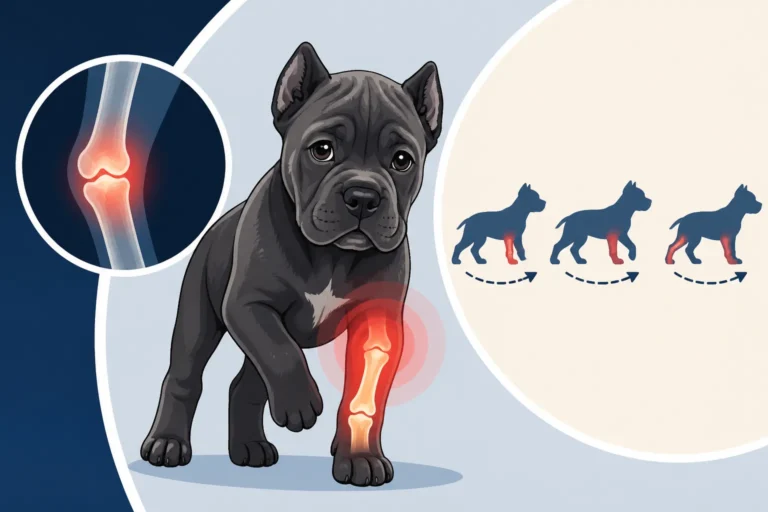
One of the most common and noticeable signs of aging in a Cane Corso is a decline in mobility and joint health. Their powerful, athletic bodies, while impressive in their youth, are also prone to wear and tear. You might start seeing your dog move a little slower, perhaps taking longer to get up from a lying position, especially after a nap. They may become hesitant to jump into the car, climb stairs, or even engage in their favorite games with the same gusto. Arthritis, a painful inflammation of the joints, is a prevalent issue in older large breeds. You might notice stiffness, limping, or a reduced range of motion.
It’s heartbreaking to see your once-nimble companion struggle, but these are often clear indicators that their joints are feeling the effects of years of heavy work and gravity. Conditions like hip and elbow dysplasia, which might have been subclinical in their younger years, often become more pronounced and painful with age. This is why discussions about Managing Arthritis in a Hundred Pound Cane Corso become so pertinent in these later stages. Paying close attention to their gait and overall movement during walks and play is essential. If you notice any changes, don't just dismiss them as "old age." A vet visit can help determine the exact cause and allow you to start a management plan, which might include pain medication, joint supplements, or even physical therapy to improve their comfort and mobility.
Coat and Sensory Changes
Beyond movement, you'll likely observe changes in your Cane Corso's coat and sensory capabilities. The most iconic sign of aging for many dogs is the graying of their muzzle, often extending to the eyebrows and around the eyes. This charming salt-and-pepper look is a badge of honor, signifying a life well-lived. Their coat itself might also become thinner, coarser, or develop dry patches, even with consistent grooming.
More significantly, your Cane Corso's senses of sight and hearing may begin to dull. You might notice them not responding as quickly to their name or commands, especially if you're out of their line of sight. They might start bumping into furniture in dimly lit rooms or seem startled if approached from behind. This isn't necessarily a sign of outright blindness or deafness but rather a gradual decline in acuity. For some, cataracts might begin to form, giving their eyes a cloudy appearance. Similarly, their hearing can diminish, making them less reactive to sounds that once grabbed their immediate attention. These sensory changes, while natural, require adjustments in how you interact with and communicate with your dog. For instance, using hand signals in conjunction with verbal cues can be very helpful for a dog experiencing The Deafness That Creeps Up on an Old Cane Corso.
Metabolic and Organ Function
Internally, an aging Cane Corso experiences significant metabolic and organ function shifts that aren't always visible but are crucial to their overall health. Their metabolism typically slows down, meaning they require fewer calories to maintain a healthy weight. If their diet isn't adjusted, weight gain can become a problem, further straining their joints and increasing the risk of other health issues. Conversely, some older dogs might lose muscle mass and become thinner despite eating well, which can be a sign of underlying health concerns that need investigation.
Organ systems, particularly the kidneys, liver, and heart, can also start to show signs of age-related decline. Chronic kidney disease, liver issues, and heart conditions like dilated cardiomyopathy can manifest in various ways, from increased thirst and urination to lethargy, coughing, or appetite changes. This is why What Senior Bloodwork Shows on a Cane Corso becomes an annual, if not biannual, necessity. Bloodwork can flag elevated liver enzymes or kidney values, allowing for early intervention and management, which can significantly improve your dog's prognosis and quality of life. Conditions like Hypothyroidism in a Middle Aged Cane Corso can also become more common, leading to weight gain, lethargy, and coat changes. Regular veterinary check-ups and diagnostic testing are paramount for catching these internal changes before they become critical.
The Mind and Spirit of an Aging Cane Corso
Physical changes are often the first things we notice, but the internal world of your aging Cane Corso also undergoes significant transformations. Just as their bodies slow down, their minds can too, leading to shifts in behavior, routine, and even their emotional well-being. It’s important to approach these changes with empathy and patience, understanding that your loyal companion isn't purposefully being difficult but is adapting to new internal realities.
Cognitive Decline and Behavioral Shifts
One of the more challenging aspects of an aging Cane Corso can be the onset of cognitive decline, often referred to as Canine Cognitive Dysfunction (CCD), which is similar to Alzheimer's disease in humans. This isn't just "slowing down mentally"; it's a genuine neurological condition that can affect memory, learning, awareness, and decision-making. You might start noticing changes in their daily routine, such as disorientation, where they seem lost in familiar surroundings or stare blankly at walls. They might forget house-training rules they've known their entire lives, leading to accidents indoors.
Sleep patterns can also be disrupted; your Cane Corso might become restless at night, pacing or barking for no apparent reason, which can be particularly unsettling. This phenomenon, often referred to as Night Confusion in an Aging Cane Corso, can be distressing for both dog and owner. They might interact differently with family members, sometimes seeming more anxious or irritable, or even less interested in things they once loved. The key is to recognize these as symptoms of a medical condition rather than behavioral defiance. Discussing these changes with your veterinarian is vital, as there are medications, supplements, and environmental adjustments that can help manage CCD symptoms and improve your dog's comfort.
Changes in Social Interaction
An aging Cane Corso's social interactions can also evolve. Where they might have been the life of the party in their younger years, always eager to greet visitors or other dogs, they may now prefer a quieter existence. You might notice them becoming less tolerant of novelty or unexpected events, such as a new person entering the home or a boisterous puppy trying to engage them in play. Their protective instincts, while still present, might be expressed differently, perhaps with more barking or a stronger need for personal space.
Conversely, some older Cane Corsos can become clingier, seeking more reassurance and proximity to their primary caregivers. They might follow you from room to room more frequently or become distressed when left alone, even for short periods – a subtle form of what might later be seen as Separation Anxiety in a Cane Corso Left in a Crate. This increased need for closeness can be endearing but also indicates a potential increase in anxiety or insecurity as their world becomes a bit more unpredictable due to sensory or cognitive decline. Understanding these subtle shifts allows you to create a more supportive environment, giving them space when they need it and offering comfort and reassurance when they seek it out. It's about meeting them where they are in this new stage of life.
Tailoring Care for Your Older Cane Corso
The transition into seniority doesn't mean the end of a good life; it simply means adjusting your approach to care. For your Cane Corso, these adjustments can make a world of difference in their comfort, health, and happiness during their golden years. Think of it as fine-tuning their world to fit their evolving needs.
Dietary Adjustments and Supplements
As your Cane Corso ages, their nutritional needs change significantly. Their metabolism slows down, muscle mass can decrease, and organ function may not be as robust. This usually means a need for fewer calories overall to prevent unhealthy weight gain, which would put undue stress on already aging joints. Many veterinarians recommend transitioning to a high-quality senior dog food formula. These diets are typically lower in calories but still provide essential nutrients, often with adjusted protein levels to support muscle mass without overtaxing the kidneys.
Beyond a specific senior diet, supplements can play a crucial role. Joint supplements containing glucosamine, chondroitin, and MSM are often recommended to support cartilage health and reduce inflammation, helping to ease the discomfort of arthritis. Omega-3 fatty acids, like those found in fish oil, can also aid in reducing inflammation, support skin and coat health, and even provide cognitive benefits. It’s also important to maintain a lean body condition; an article like The Weight an Old Cane Corso Should Hold provides further insight into what a healthy weight looks like for an aging Cane Corso. Before introducing any new supplements or making drastic dietary changes, always consult with your veterinarian to ensure they are appropriate for your dog's specific health needs. These preventative measures, along with the support of a comprehensive pet insurance plan like one from Healthy Paws, can help manage the financial aspects of these ongoing care requirements.
Exercise and Environmental Modifications
The idea of "exercise" for a senior Cane Corso shifts from intense activity to maintaining mobility and mental stimulation. Long, vigorous runs or high-impact play sessions should be replaced with shorter, more frequent, and gentler walks. The goal is to keep them moving to prevent stiffness and muscle atrophy, but without overexertion that could exacerbate joint pain. Think gentle strolls around the block or leisurely sniff walks in the park, allowing them to explore at their own pace. How Far an Old Cane Corso Should Still Walk will vary greatly from dog to dog, so observe your Cane Corso's cues carefully.
Environmental modifications at home are equally important for their comfort and safety. Orthopedic beds are a game-changer for large, aging dogs, providing superior support for their joints and cushioning pressure points. Look for Orthopedic Beds Rated for a Cane Corso's Weight to ensure adequate support. If your Cane Corso struggles with stairs or jumping into the car, consider ramps or steps to help them navigate these obstacles safely. Non-slip rugs on slick floors can prevent falls, which can be very dangerous for a dog with compromised mobility. Ensuring easy access to food, water, and outdoor potty areas is also crucial, especially if they are experiencing cognitive decline or increased urgency. Helping an Old Cane Corso Off the Floor can become a daily challenge, so thoughtful planning can really improve their day-to-day life.
Regular Veterinary Check-ups and Proactive Health Management
When your Cane Corso enters its senior years, regular veterinary check-ups become even more critical than they were in their youth. Instead of annual visits, your vet might recommend twice-yearly appointments. These more frequent visits allow for earlier detection of age-related diseases, many of which are more manageable when caught in their initial stages. A comprehensive senior wellness exam typically includes a thorough physical assessment, bloodwork to check organ function, and urinalysis. Discussions around What Senior Bloodwork Shows on a Cane Corso will become a regular part of these visits.
Proactive health management also involves being vigilant about subtle changes in your dog's behavior, appetite, thirst, or bathroom habits. Don't hesitate to contact your vet if you notice anything unusual. Early intervention for conditions like arthritis, kidney disease, or even cognitive dysfunction can significantly impact their quality of life and potentially extend their comfortable years. This proactive approach, coupled with the peace of mind offered by comprehensive pet insurance like Healthy Paws, ensures that you're well-equipped to handle the medical needs that often arise in an aging Cane Corso. Ensuring your Cane Corso receives How Often a Healthy Cane Corso Sees the Vet and keeps up with recommended screenings is the best way to support them through their golden years.
Age-Related Health Concerns in Cane Corsos
While all dogs face various health issues as they age, Cane Corsos, being a giant breed, have some particular concerns that tend to become more prevalent in their senior years. Being aware of these common ailments can help you identify symptoms early and work with your vet for prompt intervention.
Common Senior Health Challenges
Beyond the general wear and tear on joints and senses, Cane Corsos are prone to certain serious conditions that owners should be especially vigilant about. Cancer, unfortunately, is a leading cause of death in many large breeds, and the Cane Corso is no exception. Types like osteosarcoma (bone cancer), hemangiosarcoma (cancer of the blood vessel lining, often affecting the spleen or heart), and lymphoma can become more common as they age. A lump that appears under a Cane Corso's skin should always be examined by a vet, and spleen tumors in an older Cane Corso are a significant concern. Regular vet visits and sometimes even imaging can help with early detection.
Heart disease, particularly Dilated Cardiomyopathy (DCM), can also manifest or worsen in older Cane Corsos. Symptoms can include lethargy, coughing, difficulty breathing, and exercise intolerance. While routine cardiac clearances are crucial in breeding dogs, all older Cane Corsos should be monitored for heart health, especially if they've shown any signs of a murmur or other cardiac abnormalities in their younger years. Metabolic conditions like hypothyroidism can also develop, leading to weight gain, lethargy, and changes in their coat. These conditions require lifelong management, making awareness and early diagnosis critical for maintaining your Cane Corso's health and comfort in their later years.
End-of-Life Considerations
As your Cane Corso ages, there inevitably comes a time when you must consider their quality of life and, eventually, end-of-life care. This is perhaps the most difficult aspect of pet ownership, especially with a dog that has been such a vital part of your family. It's crucial to have open and honest conversations with your veterinarian about your dog's comfort levels, pain management, and overall happiness. They can help you assess their quality of life, using tools or scales that consider factors like mobility, appetite, hygiene, and their engagement with the family.
Making the decision to say goodbye is never easy, but it’s a profound act of love and compassion to prevent prolonged suffering. Knowing when a Cane Corso has had enough means observing a sustained decline in their well-being, where their bad days consistently outnumber their good ones, and medical interventions are no longer providing significant comfort or improvement. There are many resources available, including in-home euthanasia services, which can provide a peaceful and familiar environment for their final moments. Discussing these difficult topics with your vet, and having a plan in place, can help alleviate some of the stress when that time eventually comes. It's about honoring the incredible bond you share and ensuring their final journey is as serene as possible.
Disclaimer
The information provided in this guide is intended for general knowledge and informational purposes only, and does not constitute veterinary advice. Always consult with a qualified veterinarian for any health concerns or before making any decisions about your Cane Corso's medical care or diet. Individual situations may vary, and a professional veterinary diagnosis and treatment plan are essential for your pet's well-being.