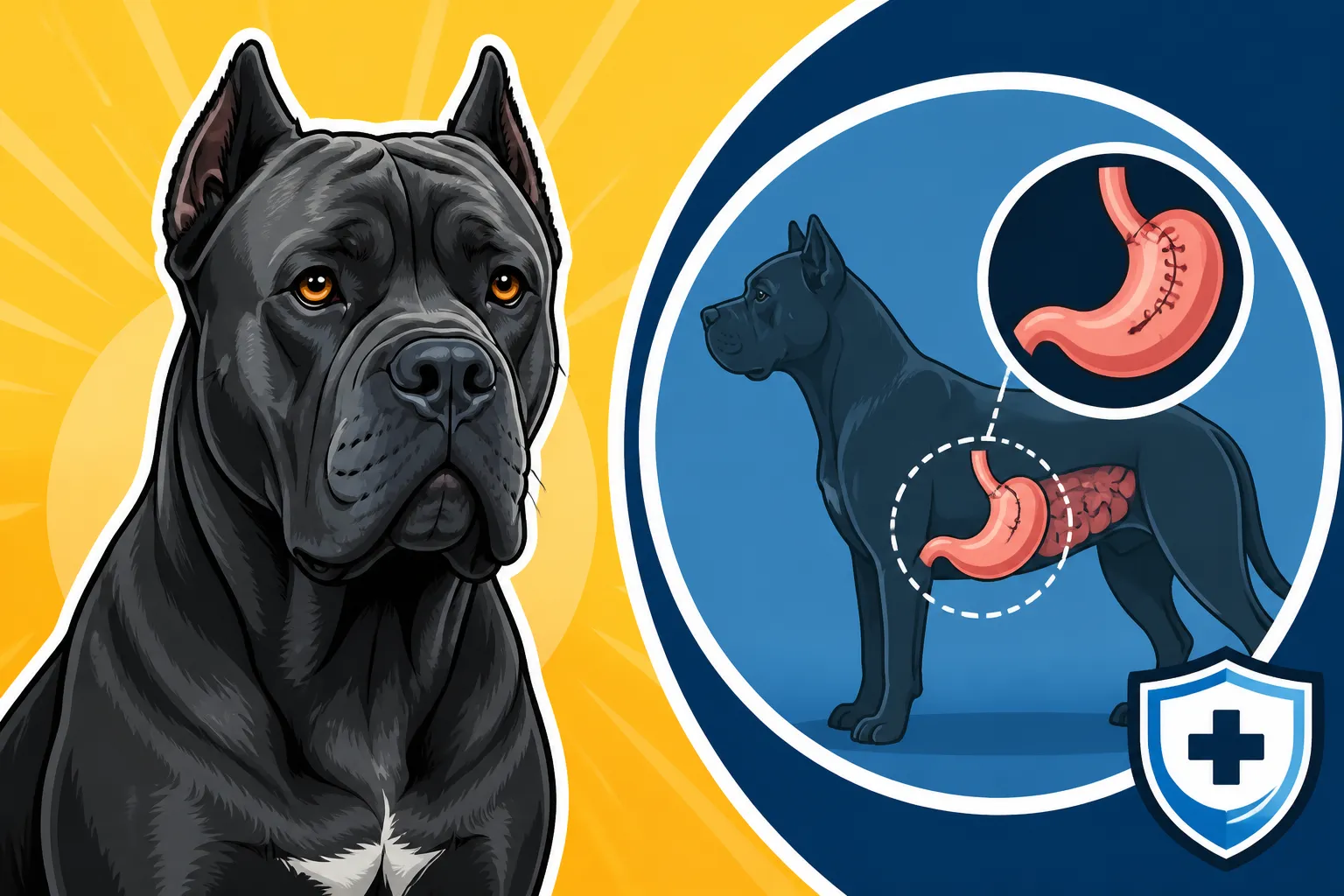
Booking a Cane Corso’s Stomach Tack With Its Neuter
One of the most terrifying emergencies a Cane Corso owner can face is bloat, a condition that can turn fatal in mere hours. For many, the thought of this silent killer lurking is a constant anxiety, leading countless owners to consider a preventative measure that can literally save their dog's life: a stomach tack, or gastropexy. This guide is all about understanding why you might consider this crucial procedure, especially when it can be seamlessly combined with your Cane Corso's neuter surgery, offering a proactive step towards peace of mind.
Understanding Bloat and Its Threat to Your Cane Corso
Let's be brutally honest: Gastric Dilatation-Volvulus (GDV), or bloat, is a nightmare scenario. It’s one of the most acute, rapidly progressing, and often fatal conditions that can strike a deep-chested dog like a Cane Corso. As responsible owners, understanding this threat isn't just important; it's absolutely critical for potentially saving your beloved companion. The fear isn't abstract; it's a very real concern that keeps many of us up at night.
The Terrifying Reality of GDV Gastric Dilatation-Volvulus
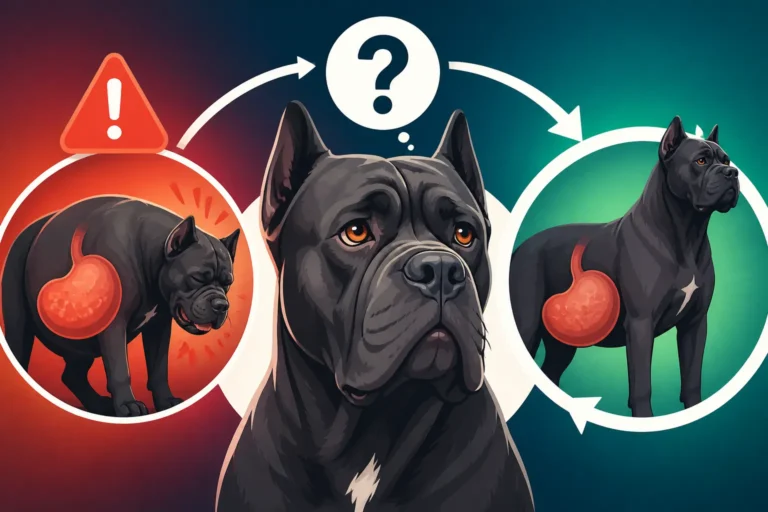
Imagine this: one moment your Cane Corso is fine, maybe a little gassy after dinner, but nothing out of the ordinary. The next, they're pacing frantically, trying to vomit but bringing nothing up, their belly visibly distending right before your eyes. This isn't just an upset stomach; this is GDV, where the stomach first fills with gas (dilatation) and then, in roughly 90% of cases, twists on itself (volvulus). Once it twists, blood flow to and from the stomach is cut off, leading to rapid tissue death. The pressure from the gas also impairs breathing and blood return to the heart, sending your dog into shock. It’s a race against the clock, often with only a few precious hours to intervene before it's too late. When you read about the dire prognosis for dogs with GDV, you realize the gravity of this situation. The feeling of helplessness as your giant companion suffers is something no owner wants to experience.
Why Deep-Chested Breeds Like Cane Corsos Are at High Risk
Cane Corsos, with their magnificent, deep chests, are unfortunately predisposed to bloat. It's a cruel irony that one of their defining physical traits also puts them at such high risk. The deeper and narrower the chest cavity, the more room the stomach has to swing and twist. Beyond anatomy, there are several contributing factors: rapid eating, exercising too close to meal times, stress, and even consuming only one large meal a day instead of multiple smaller ones.
Think about your Cane Corso, wolfing down their kibble in minutes, or getting zoomies right after a big drink of water. These everyday occurrences, which seem harmless, can be triggers. We try our best to mitigate these risks – using slow feeder bowls, enforcing a quiet rest period after meals, and making sure they're not gulping air when they eat or drink. But even with the most diligent care, the risk remains, like a shadow lingering over their health. It's why so many of us spend time researching how to reduce the risk of bloat in a Cane Corso, feeling that constant low hum of worry.
Recognizing the Urgent Signs of Bloat
Knowing the signs of bloat is your first line of defense, but it’s still a desperate race against time once they appear. The primary indicators are unmistakable and terrifying:
- Pacing and Restlessness: Your usually calm Cane Corso can't settle, constantly shifting, looking anxious.
- Unproductive Retching or Dry Heaves: They try to vomit repeatedly, gagging and straining, but nothing comes up. This is a classic, critical sign.
- Distended Abdomen: Their belly, especially on the left side, might look visibly swollen and feel tight like a drum. This can be subtle at first, becoming more obvious as time progresses.
- Drooling and Excessive Salivation: Due to discomfort and nausea.
- Weakness and Collapse: As shock sets in, they may become weak, lie down, and be unwilling to move. Their gums might appear pale.
If you ever see these symptoms, especially the unproductive retching and a distended belly, drop everything and head to the emergency vet immediately. Every minute counts. Seriously, don't waste time looking up symptoms online or calling friends; get in the car. It’s the difference between life and death. You’ll want to be familiar with things like checking a Cane Corso's ribs with your hands to notice any abnormal swelling.
The Benefits of a Prophylactic Gastropexy
Given the frightening reality of bloat, many Cane Corso owners, myself included, start looking for proactive solutions. That's where a prophylactic gastropexy comes in. It’s a preventative surgery that, while not eliminating all bloat risk, dramatically reduces the most life-threatening aspect: the stomach twisting. It’s a decision that offers a profound sense of security.
What Is a Gastropexy and How It Prevents Torsion
A gastropexy is a surgical procedure where a portion of your dog's stomach is permanently attached, or "tacked," to the inside of their abdominal wall. Think of it like stitching a loose curtain to the wall so it can't swing wildly. This attachment prevents the stomach from twisting on its axis, which is the "volvulus" part of GDV. While a dog with a gastropexy can still experience gastric dilatation (their stomach can still fill with gas), the critical and often fatal twisting motion is almost entirely prevented.
This means that if your Cane Corso were to bloat after a gastropexy, it would likely be a less severe and more manageable condition. Instead of an immediate, life-threatening emergency requiring complex surgery, it often becomes a situation that can be addressed with less invasive measures, such as medication or simple stomach decompression, buying you and your vet precious time. It’s not a magic bullet that completely eliminates all stomach issues, but it removes the most deadly component of bloat. It's a game-changer for many large breed owners, transforming a fear into a manageable concern.
Why Pairing It with Neutering Makes Sense
Deciding to neuter your male Cane Corso (or spay a female) is a significant decision itself, often made around 18-24 months to allow for proper joint development, as delaying neutering may support things like better growth in a fast growing Cane Corso. When you're already planning for an elective surgical procedure like neutering, it makes immense sense to consider a gastropexy at the same time. Here's why:
- One Anesthesia Event: This is arguably the biggest benefit. Anesthesia always carries some risk, especially for deep-chested breeds with unique cardiac considerations. Combining both procedures means your Cane Corso only undergoes anesthesia once, reducing overall exposure and recovery time. This also lessens the stress on you, the owner, as you only need to go through one pre-op and post-op period. We know that anesthesia risk in a deep chested Cane Corso can be higher, so minimizing exposures is wise.
- Reduced Recovery Overlap: While your dog will be recovering from two procedures, the recovery period largely overlaps. They'll be on restricted activity, pain medication, and close monitoring for roughly the same timeframe. This means less disruption to their routine and less intensive care required for two separate recoveries. You’re essentially knocking out two birds with one stone, allowing your dog to get back to their normal, active self sooner than if you performed the surgeries separately.
- Cost Efficiency: While a gastropexy adds to the total cost, performing both procedures concurrently is almost always more cost-effective than scheduling them separately. You save on a second anesthesia fee, a second set of pre-surgical bloodwork, and potentially a second overnight stay at the veterinary hospital. These savings can be substantial, especially when considering the overall financial investment in a large breed dog. It truly is a smart financial move in the long run.
Different Surgical Approaches: Open Surgery vs. Laparoscopic
When it comes to performing a gastropexy, there are generally two main surgical approaches, and your vet will discuss which one is best for your Cane Corso:
Open Gastropexy
This is the traditional method, involving a larger incision in the abdomen, similar to what would be made during a standard spay or neuter. The surgeon manually attaches the stomach wall to the abdominal muscle.
- Pros: It's a well-established procedure that most veterinarians are proficient in. It can be performed in almost any veterinary clinic equipped for general surgery. It's often less expensive than laparoscopic surgery upfront due to not requiring specialized equipment.
- Cons: The larger incision means more pain, a longer healing time, and potentially a higher risk of complications like infection or dehiscence (incision opening up). The recovery period is typically more intensive, requiring strict activity restriction for several weeks.
Laparoscopic (Minimally Invasive) Gastropexy
This approach uses a laparoscope – a thin tube with a camera – and specialized instruments inserted through several small incisions (keyholes). The surgeon views the internal organs on a monitor and uses the instruments to perform the attachment.
- Pros: Significantly smaller incisions lead to much less pain, faster recovery, and a lower risk of infection. Dogs often bounce back much quicker with less discomfort. This can be particularly appealing for a large, active breed like a Cane Corso, as getting them back to comfortable movement sooner is a huge benefit.
- Cons: Not all veterinary clinics are equipped for laparoscopic surgery, meaning you might need to go to a specialty referral center. It typically costs more than an open procedure due to the specialized equipment and training required. The availability might be a limiting factor depending on your location.
| Feature | Open Gastropexy | Laparoscopic Gastropexy |
|---|---|---|
| Incision Size | Larger (several inches) | Small (2-3 keyholes) |
| Pain Level | Moderate to high | Low to moderate |
| Recovery Time | Longer (3-6 weeks strict restriction) | Shorter (1-3 weeks strict restriction) |
| Risk of Infection | Higher due to larger opening | Lower due to minimal exposure |
| Cost | Generally lower | Generally higher |
| Availability | Widely available at general vet practices | Often requires specialty or referral clinic |
| Visibility | Direct surgeon's view | Camera-assisted view on monitor |
When choosing, discuss both options thoroughly with your veterinarian. Consider their experience with each method, the cost implications, and what recovery will look like for your specific dog and household.
Preparing for the Combined Procedure and Recovery
The decision to proceed with a combined gastropexy and neuter is a big one, and proper preparation is key to ensuring the best possible outcome for your Cane Corso. It’s not just about the day of surgery; it’s about the weeks leading up to it and the recovery period afterward. Being fully prepared helps alleviate a lot of the stress for both you and your dog.
Choosing the Right Vet and Pre-Surgical Clearances
This is perhaps the most critical step. For a large breed like a Cane Corso, you need a veterinarian and surgical team with extensive experience in large breed anesthesia and surgery. Don’t hesitate to ask about their experience with gastropexies in deep-chested dogs. A good vet will welcome your questions and provide detailed answers. If you’re considering the laparoscopic option, you might need to seek out a specialty veterinary surgeon or a larger veterinary hospital, as not all general practices offer this.
Before any surgery, especially involving anesthesia, your Cane Corso will need a thorough pre-surgical workup. This typically includes:
- Comprehensive Physical Exam: To ensure they are in good overall health.
- Pre-anesthetic Bloodwork: To check organ function (kidneys, liver) and ensure blood clotting is normal. This is vital for assessing anesthesia risk.
- Cardiac Clearance: This is particularly important for Cane Corsos, as heart conditions like Dilated Cardiomyopathy (DCM) can be a concern for large breeds. Your vet might recommend a pre-surgical echocardiogram, especially if there are any murmurs detected, to get a clear picture of your dog's heart health. The Cardiac Exam Behind a Cane Corso's Clearance and When a Cane Corso Needs an Echocardiogram are resources you might find helpful for more in-depth information on this.
- Radiographs (X-rays): Sometimes recommended, especially if there are concerns about lung health or to get a baseline for future comparisons.
Ensuring all these clearances are in place is paramount. It allows the veterinary team to tailor the anesthesia protocol to your dog's specific needs, significantly reducing risks.
What to Expect on Surgery Day
The day of surgery can be nerve-wracking, but knowing what to expect can help.
- Fasting: You’ll be instructed to withhold food for a specific period before surgery, usually 8-12 hours, and often water for a few hours as well. This reduces the risk of aspiration during anesthesia.
- Drop-off: You’ll typically drop off your Cane Corso in the morning. The veterinary team will conduct a final pre-surgical check, confirm the procedures, and often have you sign consent forms. This is a good time to ask any last-minute questions.
- The Procedure: Your dog will be sedated, then an IV catheter will be placed, and anesthesia will be administered. They’ll be constantly monitored by trained staff throughout the procedure. Both the neuter and gastropexy will be performed.
- Post-Op Care: Once the surgery is complete, your Cane Corso will be moved to a recovery area where they'll be closely monitored as they wake up from anesthesia. Pain medication will be administered to keep them comfortable. Depending on the type of gastropexy and your dog's recovery, they may stay overnight for observation, or in some cases, go home the same day (more common with laparoscopic procedures).
Post-Operative Care and Activity Restrictions
The recovery period is where your dedication truly comes into play. You’ll be sent home with detailed instructions, and it’s vital to follow them precisely.
- Pain Management: Your Cane Corso will likely have a combination of oral pain medications, anti-inflammatories, and possibly muscle relaxers to manage discomfort. Administer these exactly as prescribed. Don't skip doses, even if your dog seems fine, as pain can escalate quickly.
- Activity Restriction: This is non-negotiable. For an open gastropexy, expect 3-6 weeks of strict leash walks only – no running, jumping, playing, or stairs. For laparoscopic, it might be 1-3 weeks. This restriction is crucial to allow the incisions to heal properly and the stomach to form a strong adhesion. A Cone of Shame (Elizabethan collar) or a surgical recovery suit will be essential to prevent your Cane Corso from licking or chewing at their incision sites. Remember, a quick glance at The Tail Injury a Cane Corso Gives Itself shows how easily a dog can hurt themselves, so protecting the incision is paramount.
- Monitoring Incisions: Check the incision sites daily for any signs of redness, swelling, discharge, or foul odor. A small amount of bruising is normal, but anything concerning warrants a call to your vet.
- Feeding: Your vet will provide specific feeding instructions. It’s often recommended to feed smaller, more frequent meals of easily digestible food during the initial recovery.
Adhering to these guidelines can feel challenging with an energetic Cane Corso, but it’s paramount for a successful recovery and to ensure the gastropexy holds securely.
Budgeting and Insurance Considerations
Elective surgeries, even preventive ones like gastropexies, come with a price tag. It’s essential to budget for this, especially when combining it with a neuter.
- Costs: The cost of a combined neuter and gastropexy can vary widely based on your geographic location, the veterinary clinic (general practice vs. specialty hospital), the surgical approach (open vs. laparoscopic), and any pre-surgical diagnostics required. Generally, expect the neuter to be in the range of several hundred dollars, and a gastropexy to add another $800 to $2,000 or more to that total. Always ask for a detailed estimate from your vet.
- Pet Insurance: This is where pet insurance can be incredibly valuable. While most insurance plans, including those from providers like Healthy Paws, consider prophylactic gastropexy an elective procedure and may not cover it, they will cover the emergency treatment for bloat if it were to occur without the tack. However, if your Cane Corso were to bloat after the gastropexy (even though it's much less severe), some plans might cover the associated care. It’s crucial to understand your policy’s terms.
For the preventative gastropexy itself, it's often an out-of-pocket expense. However, having a good pet insurance plan like Healthy Paws in place before any unforeseen medical issues arise is a wise decision for a breed prone to various health challenges like hip and elbow dysplasia, cardiac issues, and even epilepsy. You never know when your Cane Corso might need unexpected care, and insurance can make the difference between making a difficult decision and providing the best possible treatment without financial strain. It’s about being prepared for the unexpected, especially with a breed whose average lifespan often comes with significant medical costs. When thinking about things like The Surgeries Every Cane Corso Owner Should Budget For, a gastropexy should definitely be on that list.
Long-Term Management and Peace of Mind
Even after a successful gastropexy, the journey of responsible Cane Corso ownership continues. While the surgery dramatically reduces the risk of fatal bloat, it doesn’t eliminate the need for vigilance or thoughtful lifestyle choices. What it does, however, is replace a nagging fear with a profound sense of peace.
Continued Vigilance for Bloat Symptoms Even with Gastropexy
It's vital to remember that a gastropexy prevents the twisting of the stomach (volvulus), but it doesn't necessarily prevent the stomach from dilating (filling with gas). While dilatation alone is far less life-threatening than GDV, it can still cause significant discomfort and, in rare cases, require veterinary intervention. So, even with the gastropexy, you should still be aware of the signs.
If your Cane Corso has had a gastropexy and starts exhibiting symptoms like restlessness, drooling, or unproductive retching, it's still prudent to contact your vet. The emergency may not be as dire, but it's always better to be safe. Your vet might suggest waiting to see if the gas passes naturally or may recommend a visit to help alleviate the discomfort. The biggest difference is that you won't be in the desperate, immediate race against the clock that an untacked bloat scenario demands. This vigilance, however, becomes less about panic and more about careful observation. Knowing the difference between bloat from a full belly in a Cane Corso is still important, even after the procedure.
Lifestyle Adjustments to Further Reduce Risk
Even with a gastropexy, continuing with preventative lifestyle habits can further minimize any risk of gastric distress. These are good practices for all deep-chested breeds, tacked or untacked:
- Slow Feeders: These bowls are designed with obstacles that force your dog to eat around them, preventing rapid gulping of food and air. Brands like Outward Hound offer excellent options.
- Multiple Smaller Meals: Instead of one or two large meals, splitting your Cane Corso's daily ration into three or four smaller meals reduces the amount of food and gas in the stomach at any one time. This also aligns with advice on The Mealtime Habits That Turn a Cane Corso's Stomach.
- Avoid Vigorous Exercise Before and After Eating: A period of calm for at least an hour before and after meals is highly recommended. No intense play, running, or heavy activity. Gentle potty walks are fine, but strenuous activity should be avoided.
- Limit Water Gulping: If your Cane Corso tends to drink large amounts of water very quickly, especially after exercise, try offering smaller amounts more frequently.
- Raised Bowls: A Contentious Topic: Historically, raised bowls were recommended to prevent bloat. However, more recent studies have shown a potential increased risk of GDV with raised bowls. It’s a contentious topic, and it's best to discuss this with your vet to make an informed decision for your individual dog. Many owners now opt for bowls on the floor. Raised Bowls and a Cane Corso's Bloat Risk dives deeper into this debate.
These adjustments are relatively easy to implement and contribute to your Cane Corso’s overall digestive health and comfort.
The Emotional Impact of Preventing a Crisis
For Cane Corso owners, the threat of bloat is a constant, underlying current of worry. We love these magnificent dogs fiercely, and the thought of them suffering from such a sudden, excruciating, and often fatal condition is truly heartbreaking. Performing a prophylactic gastropexy, especially in conjunction with their neuter, offers an incredible sense of relief.
It’s not just about avoiding a costly emergency surgery or saving your dog’s life; it’s about the emotional weight lifted from your shoulders. You can feed your dog, watch them play, and enjoy their company without that constant, nagging fear. The peace of mind that comes from knowing you’ve taken such a significant step to protect them is immeasurable. It allows you to focus more on the joys of living with your Cane Corso, knowing you've done everything in your power to safeguard their future. It's an investment in their health, and ultimately, in your own tranquility. For more on ensuring a long and healthy life, you might also be interested in The Nine Year Median Behind a Cane Corso's Lifespan.
Disclaimer
The information provided in this article is for educational purposes only and is not a substitute for professional veterinary advice. Always consult with a qualified veterinarian for any health concerns or before making any decisions about your pet's medical care or treatment.