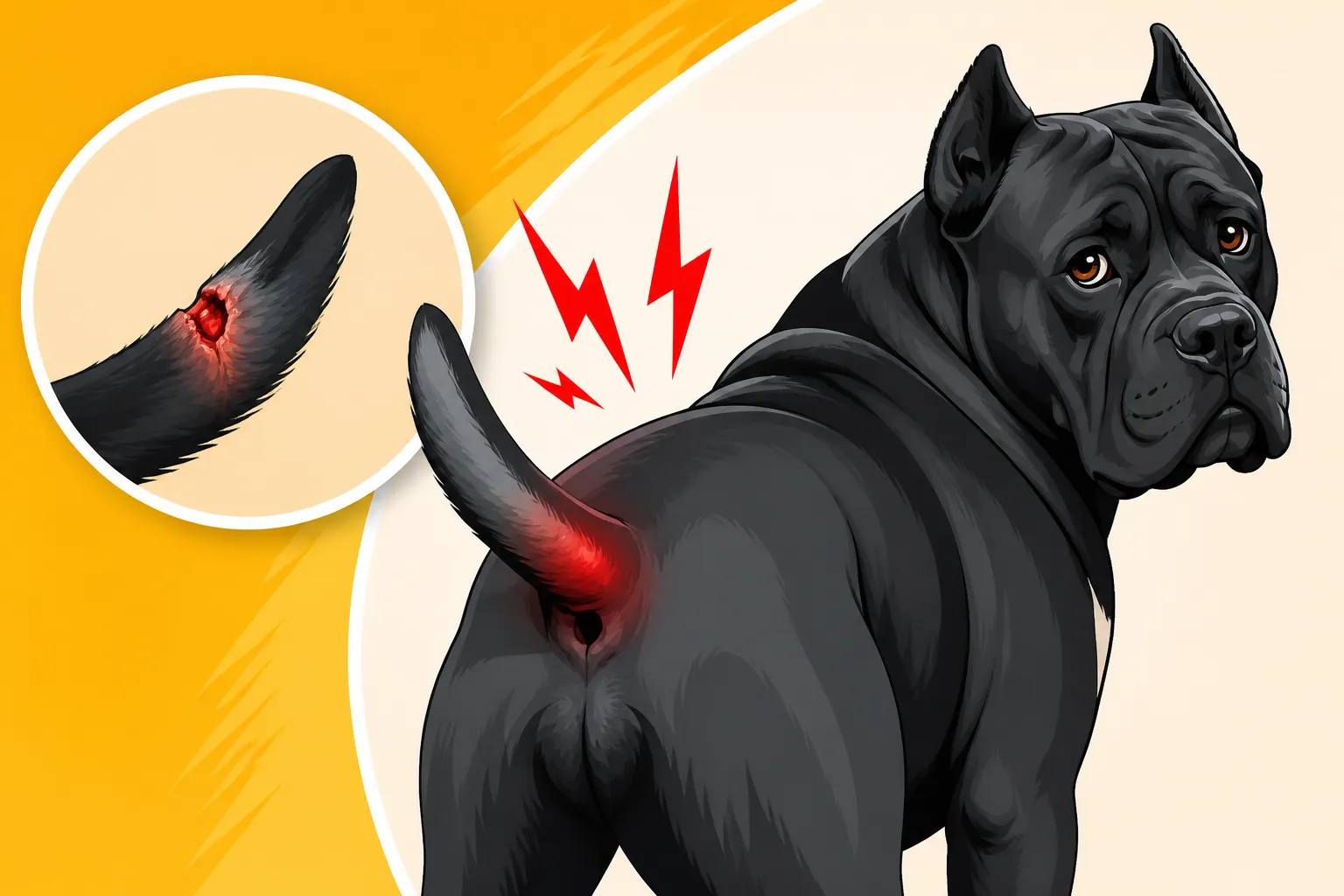
The Tail Injury a Cane Corso Gives Itself
It’s a scenario no Cane Corso owner ever wants to face: you walk into a room, and there’s a smear of blood on the wall, a splattering on the floor, and your beloved Corso is looking at you with a sheepish, yet still wagging, tail that's dripping red. These powerful, expressive dogs can, unfortunately, inflict serious damage upon their own tails, often through nothing more than sheer enthusiasm. This guide dives deep into understanding these painful, messy, and surprisingly common self-inflicted tail injuries, how to recognize them, treat them, and most importantly, how to prevent them in the first place.
The Unfortunate Reality of Self-Inflicted Tail Wounds
If you’ve owned a strong, large-boned breed, you might already know about "happy tail" syndrome. But with a Cane Corso, it's less "happy" and more "weaponized appendage." Their tails are robust, like thick whips, and when they get excited, that tail becomes a forceful instrument. It's not uncommon for a Cane Corso to cause significant trauma to its own tail by repeatedly striking it against hard surfaces. This isn't just a minor scrape; it can lead to deep lacerations, persistent bleeding, and even bone exposure if left unaddressed. The sheer force of their wag, combined with their dense bone structure, means that every impact is significant.
"Happy Tail" Syndrome: More Than Just a Cute Name
The term "happy tail" really downplays the severity of these injuries. It sounds almost endearing, right? A dog so happy, its tail hurts itself! But for Cane Corso owners, it's a frustrating, painful, and often expensive ordeal. What starts as a small cut on the tip of the tail, or perhaps a scrape along the underside, quickly escalates because of the dog's natural inclination to keep wagging. Every joyful swish against a doorframe, a kennel wall, or even the corner of a coffee table reopens the wound, preventing any chance of healing. The tip of the tail is particularly vulnerable because it bears the brunt of the impact and has less tissue padding compared to the base.
It’s a vicious cycle: the dog is happy to see you, wags its tail, injures it, then continues to wag out of habit or even increased agitation from the pain, making the injury worse. Owners often describe finding blood streaks across walls, furniture, and even sprayed onto ceilings, which can be quite alarming the first time you witness it. The blood can be profuse due to the tail's rich blood supply, turning a simple greeting into a crime scene cleanup. You might spend hours trying to staunch the bleeding, only for it to start again moments later when your Corso gets excited by a passing squirrel.
Lacerations and Abrasions from Environmental Impact
Beyond the classic "happy tail" injury to the tip, Cane Corsos can suffer various lacerations and abrasions along the length of their tail. Imagine your energetic Corso navigating a tight hallway, a cluttered yard, or a confined space like a crate. Their strong tail, often held high and active, can easily catch on sharp edges, rough surfaces, or even protruding nails or screws. While not strictly "self-inflicted" in the sense of repeated impact, these injuries are a direct result of the dog's own movement and interaction with its environment.
A common scenario involves a Cane Corso getting its tail caught in a closing door or scraping it against the sharp corner of a piece of outdoor equipment. These incidents might not immediately cause profuse bleeding, but they create open wounds that are difficult to keep clean and protected. Because of the tail's constant motion, these wounds are highly susceptible to infection, turning a simple cut into a much more complicated medical issue. The tail, being an extension of the spine, also has nerve endings, so these injuries are quite painful and can lead to behavioral changes, such as holding the tail low or refusing to wag, which can be heartbreaking to witness in such a typically exuberant breed.
Why Cane Corsos Are Especially Prone to Tail Injuries
You might be wondering why your big, tough Cane Corso seems so susceptible to something as seemingly innocuous as a tail wag. It boils down to a combination of their physical characteristics, temperament, and sometimes, the environments we unwittingly place them in. These aren't delicate dogs; they're muscular, powerful, and built like tanks, but that very strength can work against their tails.
The Power of a Cane Corso's Wag
Let's be frank: a Cane Corso's tail isn't just for balance or communication; it’s a force of nature. Their tails are thick at the base and taper to a strong, often uncropped tip. When a Cane Corso wags its tail with enthusiasm – which is often, because they are incredibly devoted and excitable dogs – it's akin to a small battering ram. The sheer kinetic energy generated can be astonishing. Think about how much a hundred-pound dog can push against you when it leans in for attention. Now imagine that force concentrated at the tip of a rapidly moving tail.
This powerful wag means that every collision with a hard surface has the potential to cause trauma. Unlike breeds with delicate, plumed tails or short, stubby ones, the Cane Corso's tail is designed for strength, and this strength is its undoing in a confined or hard-surfaced area. They don't just brush against things; they thwack them. This characteristic is part of what makes them such imposing and impressive dogs, but it also necessitates a conscious effort from owners to protect their tails. It's a testament to their joyful nature, even if it comes with a messy drawback.
Breed Temperament and Environmental Factors
Cane Corsos are known for their strong bond with their families and their protective instincts. When they greet their loved ones, their excitement can be palpable. This exuberant greeting behavior, combined with their deep loyalty, means they often express their joy through intense tail wags. This is particularly true for young, adolescent Corsos who are still learning impulse control and haven't quite figured out the consequences of their powerful expressions. Their enthusiasm is boundless, and sometimes, the environment isn't built to withstand it.
Consider common household setups: narrow hallways, kitchen islands with sharp corners, metal kennel bars, or even heavy wooden furniture. These everyday objects become hazards for a powerful, wagging tail. If your Cane Corso spends time in a kennel or crate, especially one with wire mesh, the tail can repeatedly hit the bars, causing abrasions and preventing healing. For those wondering about whether to crate an active dog, issues like this underscore the importance of proper sizing and materials; a crate too small might force tail contact, while specific wire patterns might exacerbate injury. Even a simple change in flooring, like moving from carpet to hardwood, can remove a cushioning effect that might have previously mitigated minor impacts.
For owners dealing with persistent tail injuries, assessing the dog's living space is critical. Are there areas where the tail frequently makes contact with hard surfaces? Do guests or family members unwittingly excite the dog in areas prone to tail injury? Understanding these dynamics is the first step toward effective prevention.
Recognizing the Signs and Taking Immediate Action
When your Cane Corso suffers a tail injury, recognizing the signs early is crucial to prevent the wound from worsening and to minimize pain and potential infection. Sometimes the signs are obvious, like blood. Other times, they can be more subtle, signaling discomfort before a full-blown laceration appears.
Visible Wounds and Persistent Bleeding
The most unmistakable sign of a tail injury is, of course, visible blood. You might notice small spots on the floor, streaks on the wall, or, in more severe cases, a significant amount of blood splattered around. The tail itself will likely have an open wound, often at the tip, which can range from a superficial graze to a deep cut. The area might appear red, swollen, and inflamed. Because tails have a surprisingly rich blood supply, even a small wound can bleed profusely, and it can be alarming how much blood a seemingly minor injury can produce.
One of the most frustrating aspects for owners is the difficulty in stopping the bleeding. Every wag reopens the wound, every nudge against something causes more blood. It’s a messy and often distressing cycle. You might apply pressure, bandage it, and feel like you've got it under control, only for your dog to get excited a few minutes later and send blood flying again. This persistent bleeding is a clear indicator that professional veterinary attention is needed, as home bandaging is often a temporary fix at best, and a poorly applied bandage can do more harm than good. When dealing with such a situation, it can bring home just how important a good pet insurance policy, like those offered by Healthy Paws, can be, cushioning the blow of emergency vet visits and ongoing treatment.
Behavioral Changes and Signs of Discomfort
Beyond the obvious physical signs, your Cane Corso might exhibit behavioral changes that indicate pain or discomfort in its tail. You might notice:
- Holding the tail low or tucked: A normally high-wagging tail might be held down or even tucked between its legs, suggesting pain.
- Reluctance to wag: Your usually enthusiastic greeter might hesitate to wag its tail, or do so with less vigor.
- Excessive licking or chewing: Dogs instinctively lick wounds, and your Corso might repeatedly lick or chew at its tail, sometimes to the point of self-mutilation, which can introduce bacteria and worsen the injury.
- Whimpering or yelping: If you accidentally touch the injured area, your dog might react with a yelp or a sharp withdrawal.
- Irritability or lethargy: Pain can make even the calmest Corso a bit grumpy or withdrawn. They might be less interested in play or appear generally subdued.
If you observe any of these changes, especially in conjunction with any visible injury, it’s a strong signal that your Cane Corso needs attention. Early intervention can prevent minor injuries from becoming major surgical procedures.
First Aid at Home Before the Vet Visit
While a vet visit is almost always necessary for a tail injury that's bleeding or persistent, there are some crucial first aid steps you can take at home to manage the situation and make your dog more comfortable:
- Stay Calm: Your dog will pick up on your anxiety. A calm demeanor helps keep your Corso relaxed.
- Control Bleeding: Gently but firmly apply direct pressure to the wound with a clean cloth or sterile gauze. Continue applying pressure for several minutes. If the bleeding is severe or doesn't stop, it's an emergency.
- Clean the Wound (Carefully): If the bleeding is minor and you can see the wound, gently clean it with warm water and a mild antiseptic solution (like diluted povidone-iodine, not hydrogen peroxide, which can damage tissue). Avoid harsh scrubbing.
- Temporary Bandaging (if possible): This is where it gets tricky. A tail bandage needs to be secure enough to stay on but not so tight that it cuts off circulation. Use a non-stick pad over the wound, then wrap with self-adhering bandage material (like Vet Wrap), starting from the tip and working upwards a few inches, leaving the very tip exposed if possible to check for swelling/circulation. Never use tape directly on fur. A common trick is to incorporate a tongue depressor or a rigid piece of cardboard along one side of the tail under the bandage to act as a splint and reduce movement, but this requires care.
- Prevent Further Injury: Keep your Cane Corso calm and minimize tail wagging. This might mean confining them to a quiet, carpeted area, away from excitement, until you can get to the vet.
Remember, these are temporary measures. The unique challenge of tail wounds means they rarely heal effectively without professional intervention.
Professional Treatment and Recovery Challenges
Dealing with a Cane Corso's tail injury often feels like an uphill battle. Just when you think you’ve got it managed, the constant wagging, the difficulty of bandaging, and the risk of infection can bring you right back to square one. Veterinary intervention is almost always needed to ensure proper healing and prevent long-term complications.
Veterinary Assessment and Treatment Options
When you bring your Cane Corso to the vet with a tail injury, the first step will be a thorough assessment. The vet will examine the wound, check for depth, signs of infection, and assess the overall health of the tail. They'll also evaluate your dog's pain level and temperament to determine the best course of action.
Common treatments include:
- Wound Cleaning and Debridement: The vet will thoroughly clean the wound, often trimming fur around the area to prevent contamination. If there's dead or infected tissue, they may perform debridement to remove it, promoting healthier tissue growth.
- Suturing: For deeper lacerations, sutures might be necessary to close the wound. This is particularly challenging on the tail due to skin tension and constant movement.
- Medication: Your vet will likely prescribe antibiotics to prevent or treat infection, and pain medication to keep your Cane Corso comfortable during recovery. Non-steroidal anti-inflammatory drugs (NSAIDs) are often used to reduce swelling and pain.
- Specialized Bandaging: This is where professional expertise really shines. Vets use specific techniques and materials to create durable, protective bandages that can withstand some movement while promoting healing. They might incorporate splints or even use light casting materials in difficult cases to immobilize the tail as much as possible. These bandages need frequent changes to monitor the wound and prevent moisture build-up. For more insight into managing vet bills for unexpected issues, it’s wise to explore resources like the comprehensive guide on The Surgeries Every Cane Corso Owner Should Budget For.
The Challenge of Bandaging and Re-injury
Anyone who has tried to bandage a dog's tail knows it's an exercise in futility sometimes, let alone a Cane Corso's powerful appendage. The tail is constantly in motion, and traditional bandages often slip off, get chewed off, or simply fail to provide adequate protection against re-injury. This is a major source of frustration for owners and a significant hurdle in the healing process.
Even with professional bandaging, the risk of re-injury is high. One enthusiastic wag can undo days of healing and meticulous care. This often means repeated vet visits for bandage changes, wound checks, and re-dressing, which can quickly add up in terms of time and cost. It's a testament to the dog's spirit that they continue to wag, but it makes recovery incredibly difficult.
When Amputation Becomes a Consideration
While it's a last resort, for severe or chronically re-injured tails that simply won't heal, amputation may become the most humane option. This is a difficult decision for any owner, as it means a permanent change to your dog's appearance and how they communicate. However, a constantly painful, infected tail can severely impact a Cane Corso's quality of life.
The decision for amputation is usually made when:
- The tail tip is severely damaged, with bone exposed or necrotic tissue.
- There's a chronic, non-healing wound that repeatedly gets infected despite aggressive treatment.
- The pain is unmanageable, and the dog's quality of life is significantly diminished.
- All other conservative treatments have failed over an extended period.
Amputation typically involves removing the damaged portion of the tail, leaving a shorter, healthy stump that can heal properly. While major surgery, it often brings immense relief to dogs who have suffered from chronic tail pain. If amputation is considered, it’s important to discuss the anesthesia risks with your vet, especially for a large, deep-chested breed like the Cane Corso. More information on this can be found in our article on Anesthesia Risk in a Deep Chested Cane Corso. Planning for such an event can be eased by understanding your pet insurance coverage; many plans, including those from providers like Healthy Paws, help cover surgical costs.
Proactive Prevention Strategies
The old adage "an ounce of prevention is worth a pound of cure" couldn't be more true when it comes to Cane Corso tail injuries. While you can't eliminate every risk, many effective strategies can significantly reduce the likelihood of your strong-tailed companion injuring themselves.
Environmental Management and Hazard Reduction
One of the most effective ways to prevent tail injuries is to modify your Cane Corso's environment. Take a critical look at the areas where your dog spends most of its time, especially where excited greetings or zoomies occur.
- Pad Sharp Edges: Install corner protectors on furniture, especially coffee tables, end tables, and kitchen islands, that are at tail-height.
- Remove Clutter: Keep walkways, hallways, and living spaces free of unnecessary objects that a wagging tail could strike.
- Soft Surfaces: In areas where your Corso frequently greets you or plays, consider rugs or carpets to provide a softer impact surface compared to hardwood or tile.
- Crate Considerations: If your Cane Corso uses a crate, ensure it's appropriately sized, allowing ample room for the tail without constant contact with the sides. If your dog is prone to happy tail in a wire crate, consider a solid-sided crate or lining the wire with soft, durable material like thick blankets or custom panels to absorb impact.
- Outdoor Hazards: Regularly inspect your yard for protruding objects, broken fence pieces, or anything sharp that your Corso's tail might brush against during play.
By making your dog's environment safer, you dramatically decrease the opportunities for their powerful tail to get injured.
Training and Behavior Modification
While you can't stop a Cane Corso from being a Cane Corso, you can absolutely influence their behavior and manage their excitement levels, especially during greetings.
- "Four on the Floor" Greetings: Train your Cane Corso to keep all four paws on the ground when greeting people. This not only prevents jumping but also encourages a calmer demeanor, which can reduce frantic tail wagging. Reward calm behavior consistently.
- Place Command: Teach your Cane Corso a strong "place" command. This allows you to send them to a designated spot (like a dog bed) when guests arrive or when you need a moment of calm. Practicing impulse control helps them manage their excitement. For more on this, check out our guide on The Place Command That Saves a Cane Corso Household.
- Desensitization: Gradually expose your Cane Corso to common triggers for excitement in a controlled manner. If they go wild when the doorbell rings, practice ringing it and rewarding calm behavior before anyone even comes to the door.
- Manage Excitement: When you come home, instead of immediately engaging in an excited greeting, ignore your Corso until they calm down. Once their tail wagging slows and their body language is relaxed, then you can offer calm affection. This teaches them that calm greetings get attention. Regular exercise also helps; a well-exercised Cane Corso is generally a calmer Cane Corso. While a busy working Cane Corso may exhibit more excited behavior, finding constructive outlets for that energy can redirect it.
Consistency is key here. Every family member needs to be on board with the same training methods to reinforce desired behaviors.
Protective Gear and Tail Wraps
For Cane Corsos who are highly prone to re-injuring their tails, or those in active recovery, protective gear can be a game-changer. These aren't just bandages; they are designed for long-term protection.
- Tail Protectors: Several brands offer specialized tail protectors made from durable, flexible materials (like neoprene or sturdy fabric with foam padding). These slip over the tail and are secured, providing a padded barrier against impacts. They allow some movement but significantly reduce the force of strikes.
- Custom Wraps: In some cases, your vet or a skilled groomer might be able to create a custom wrap that offers more protection than standard bandaging. This could involve incorporating a soft cast or specialized tape to minimize movement and cushion against bumps. Remember, if you're ever in doubt about proper wound care or bandaging for a Cane Corso, a trip to the vet is always worth it. While discussing grooming in general, you might find our article on What a Groomer Actually Does for a Cane Corso helpful for general care.
Before using any long-term protective gear, consult with your veterinarian to ensure it’s safe, fitted correctly, and won’t impede circulation or cause skin irritation. Monitoring the area underneath the wrap regularly for any signs of discomfort, swelling, or odor is essential. Investing in such protective gear, or the regular vet visits needed for persistent tail issues, highlights the value of pet insurance from a reputable provider like Healthy Paws, which can help manage these ongoing costs.
Routine Health Checks and Early Intervention
Finally, don't underestimate the power of regular observation. As a Cane Corso owner, you're their first line of defense.
- Daily Tail Checks: Make it a habit to quickly examine your Cane Corso's tail daily, especially the tip, for any signs of redness, swelling, cuts, or abrasions. Early detection of a minor scrape can prevent it from escalating into a major problem.
- Prompt Vet Visits: If you notice any injury, no matter how small, and it's not healing rapidly or if your dog is showing discomfort, don't hesitate to contact your vet. Waiting can turn a manageable issue into a much more complicated and painful one for your Corso. Understanding How Often a Healthy Cane Corso Sees the Vet can help you integrate these checks into your regular routine.
By combining environmental adjustments, consistent training, and proactive health monitoring, you can help protect your strong, sensitive Cane Corso from the pain and frustration of self-inflicted tail injuries, allowing them to express their joy without consequence.
Conclusion
Living with a Cane Corso is an incredible experience filled with loyalty, protection, and boundless love. Their powerful presence and expressive nature are part of their charm, but sometimes, those very qualities can lead to unexpected challenges, like the messy and painful reality of self-inflicted tail injuries. From the frustrating "happy tail" syndrome to the potential need for extensive veterinary care or even amputation, these injuries are more than just a nuisance; they can significantly impact your dog's well-being.
By understanding why Cane Corsos are prone to these issues – the sheer force of their wag, their exuberant temperament, and common household hazards – we can take proactive steps. Implementing environmental management, consistent training to manage excitement, and even using protective gear can make a huge difference. Recognizing the early signs of injury and seeking prompt veterinary attention are crucial for successful healing. Ultimately, managing these injuries is a testament to the dedication and attentiveness of Cane Corso owners. With careful planning and a bit of foresight, you can help your cherished companion lead a happier, healthier life, tail and all.
Disclaimer
This article is intended for informational purposes only and does not constitute veterinary advice. Always consult with a qualified veterinarian for any health concerns or before making any decisions about your Cane Corso's medical care.