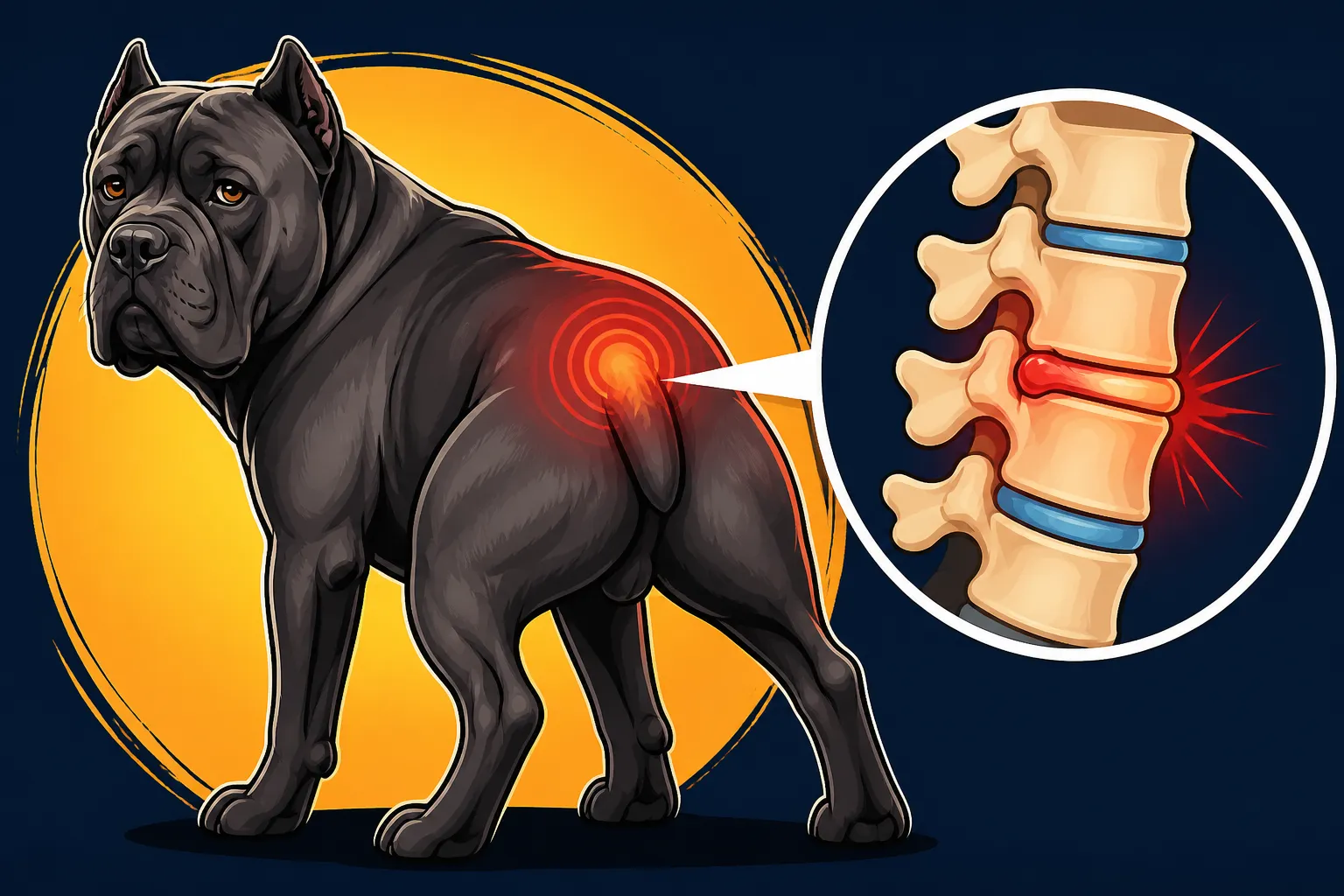
Ruptured Discs in a Heavy Cane Corso
It's incredibly distressing to see your powerful, protective Cane Corso suddenly in pain, unable to move normally, or even dragging their back feet. The sheer size and strength of these magnificent dogs make any neurological issue, especially one affecting their mobility, a truly heartbreaking and terrifying experience for their owners. This guide will walk you through everything you need to know about ruptured discs in heavy Cane Corsos, from understanding what they are and recognizing the signs to exploring treatment options and preventive measures.
Understanding Ruptured Discs in Large Breeds
Ruptured discs, medically known as Intervertebral Disc Disease (IVDD), are a significant concern for many dog owners, and particularly those with large, heavy breeds like the Cane Corso. These dogs carry a substantial amount of weight, which naturally places immense stress on their spinal columns over time.
What is a Ruptured Disc?
Imagine your dog's spine as a stack of bony vertebrae, much like a set of building blocks. Between each of these vertebrae, there's a soft, gel-filled cushion called an intervertebral disc. These discs act as shock absorbers, allowing for flexibility and protecting the spinal cord from impact. A ruptured disc occurs when this protective cushion either bulges out of place (protrusion) or completely breaks open (herniation), allowing its inner material to press on the sensitive spinal cord.
When this happens, it can range from causing mild discomfort to severe pain, weakness, and even complete paralysis depending on the location and severity of the compression. The spinal cord is like the superhighway for nerve signals between the brain and the rest of the body, so any interference here can have profound and immediate effects on your dog's ability to move, feel, and even control bodily functions. For a large dog that normally moves with such power and grace, this sudden debilitation is especially shocking.
Why Cane Corsos are Prone
While IVDD is often associated with smaller, chondrodystrophic breeds (dogs with abnormally short legs, like Dachshunds or Basset Hounds, who are genetically predisposed to Type I disc herniations), large and heavy breeds like the Cane Corso are not immune. Their susceptibility typically stems from a combination of factors related to their imposing stature and active lifestyle.
Firstly, sheer body weight is a major contributor. A Cane Corso can easily weigh anywhere from 90 to 120 pounds, sometimes more, and that mass exerts constant pressure on every disc in their spine. Over years of running, jumping, playing, and simply moving around, these discs can suffer wear and tear. Imagine the cumulative stress on a human spine if you were carrying a permanent backpack weighing half your body weight! Secondly, while Cane Corsos aren't traditionally known for the explosive Type I disc ruptures common in smaller breeds, they are certainly prone to the more gradual, degenerative Type II disc disease. This is where the disc material hardens and bulges slowly over time, eventually compressing the spinal cord. This process often starts silently, with no obvious signs until a significant event, or just age, pushes it past a tipping point.
Their athletic, powerful movements, if not properly managed, can also lead to acute injuries. A powerful leap off the porch, a sudden twist during play, or even a fall could potentially cause a disc to rupture, especially if it's already weakened. Ensuring a lean body condition is paramount; any extra weight significantly amplifies the stress on their joints and spine, making them more susceptible to problems.
The Different Types of Disc Ruptures
Understanding the types of disc ruptures helps explain the varied symptoms and prognoses your Cane Corso might face.
The most common type seen in smaller breeds, but still possible in larger ones, is Type I IVDD. This is often described as an "explosive" rupture. The outer fibrous layer of the disc tears, and the soft, gel-like inner material bursts out suddenly and forcefully, compressing the spinal cord. This usually leads to acute, severe pain and rapid neurological deficits. Think of it like a jelly donut being squeezed until the jelly shoots out. Dogs affected by Type I IVDD can go from normal to completely paralyzed in a matter of hours.
For heavy breeds like the Cane Corso, Type II IVDD is more commonly observed. In this scenario, the outer fibrous layer of the disc gradually hardens and bulges over time, pushing upwards or sideways against the spinal cord. It's a slower, more chronic process. The compression is typically less sudden and severe than Type I, and the symptoms might wax and wane. Your Cane Corso might show subtle signs of discomfort for months or even years before a noticeable neurological problem develops. This type is more akin to a worn-out tire slowly bulging out of shape. The chronic nature means that by the time you see clear symptoms, the disc might have been causing low-grade issues for quite a while.
Another, less common, issue can be fibrocartilaginous embolism (FCE). While not a disc rupture in the traditional sense, an FCE occurs when a small piece of disc material breaks off and travels into the spinal cord's blood supply, causing a blockage and effectively a "stroke" of the spinal cord. The symptoms can mimic a disc rupture, with sudden onset of pain and neurological deficits, but it's typically non-progressive after the initial event. Differentiating these conditions requires advanced diagnostics like an MRI.
Recognizing the Signs and Symptoms
Catching a ruptured disc early, especially the more insidious Type II, can be challenging but is crucial for a better outcome. Cane Corsos are stoic dogs by nature and may try to hide their pain, making it even harder to spot the subtle clues.
Subtle Changes to Watch For
Many owners first notice very subtle changes that might be easy to dismiss as "just getting old" or "being a bit lazy." However, with a large, active breed like a Cane Corso, any sustained change in their usual behavior or mobility warrants attention.
Keep an eye out for reluctance to engage in activities they once loved. Maybe your Cane Corso hesits before jumping into the car, a truck bed, or onto the couch. Perhaps they're slower to climb stairs, or even outright refuse them, choosing to wait at the bottom. You might notice a hunched back or a stiff, unnatural gait. Their tail carriage might change; instead of wagging freely, it might be tucked or held stiffly. Some dogs might show a sensitivity to touch, yelping or flinching if you touch a particular spot on their back or neck. You might even see a slight limp in a Cane Corso, which could be an early indicator that their back is bothering them, even if it feels like a joint issue. These early signs can often be mistaken for arthritis, and while that's a common issue for large breeds, it's vital to rule out spinal problems.
Sometimes, the only sign might be a change in their disposition – a normally friendly dog might become withdrawn, grumpy, or even snap if approached or touched unexpectedly. This is often because they're in constant, low-grade pain and are trying to protect themselves.
Acute and Severe Symptoms
When a disc rupture is more severe, or if a Type I rupture occurs, the symptoms can be much more dramatic and terrifying. This often indicates significant spinal cord compression and requires immediate veterinary attention.
One of the most alarming signs is sudden paralysis, either partial or complete, most commonly affecting the hind limbs. Your Cane Corso might suddenly drag its back feet, stumble, or be unable to stand or walk at all. They might have a noticeable loss of coordination, looking "drunk" as they try to move. You could observe severe pain, manifested as yelping when moved, panting heavily, trembling, or continuously shifting their weight uncomfortably. Some dogs might adopt a rigid, "sawhorse" stance, holding their neck and back stiff to try and minimize movement.
In severe cases, neurological function can be so compromised that the dog loses control of its bladder and bowels, leading to incontinence. This is a critical sign that immediate veterinary intervention is required. The level of pain can be intense, causing a normally calm Cane Corso to cry out, even at rest. If you see your dog exhibiting any of these acute or severe symptoms, do not wait. Time is of the essence, and prompt veterinary care can make a significant difference in their prognosis.
Differentiating from Other Back Pain
It's true that a Cane Corso can experience various forms of back pain, and it's essential for a veterinarian to correctly diagnose the underlying cause. Sometimes, what looks like a disc issue could be something else entirely, or a combination of conditions.
For instance, many large breeds, including Cane Corsos, can develop arthritis in their spinal joints (spondylosis), which causes stiffness and pain. This often presents similarly to a chronic disc issue but requires different management. Another condition to consider, especially if the neck is affected, is Wobbler Syndrome in a Cane Corso's Neck. This is a neurological condition where compression of the cervical spinal cord leads to an unsteady, wobbly gait, particularly in the hind limbs. This requires specific diagnostic imaging to differentiate from a cervical disc rupture.
Less common but still possible are spinal tumors or infections, which can also cause pain and neurological deficits. Even muscle strains or sprains from overexertion can mimic disc pain, though usually less severe and with quicker resolution. The key takeaway here is that while you, as the owner, should be vigilant for the signs of back trouble, a definitive diagnosis must come from a veterinarian, often requiring specialized imaging. Without a clear diagnosis, treatment can be misdirected and ineffective, potentially prolonging suffering or worsening the condition.
Diagnosis and Treatment Options
When your Cane Corso shows signs of a potential ruptured disc, getting a professional diagnosis quickly is paramount. The path to recovery depends heavily on accurate identification of the problem and prompt, appropriate treatment.
Getting a Proper Diagnosis
The diagnostic process usually begins with a thorough physical and neurological examination by your veterinarian. They will assess your Cane Corso's reflexes, pain response, proprioception (awareness of limb position), and overall gait. This initial exam helps localize the problem area of the spine.
Standard X-rays are often the first imaging step, but it's important to understand their limitations. X-rays can show bony changes, such as narrowing of disc spaces or spinal arthritis, but they cannot directly visualize the soft tissue of the discs or the spinal cord itself. Therefore, while X-rays can be suggestive, they rarely provide a definitive diagnosis for a ruptured disc. For that, more advanced imaging is typically required.
The gold standard for diagnosing a ruptured disc is either a Magnetic Resonance Imaging (MRI) or a Computed Tomography (CT) scan, sometimes with a myelogram (where a dye is injected into the spinal canal). These sophisticated imaging techniques allow veterinarians to see the soft tissues, identify the exact location and severity of spinal cord compression, and differentiate a disc rupture from other conditions like tumors or FCEs. This level of imaging often requires a referral to a veterinary neurologist or specialty hospital, and your vet may suggest an immediate referral, especially if your dog's condition is acute or rapidly worsening. The quicker they can get an accurate picture, the faster they can form a treatment plan.
Conservative Management
For Cane Corsos with mild to moderate symptoms, or those without significant neurological deficits, conservative management is often the first line of treatment. The cornerstone of this approach is strict rest.
This means absolute crate rest for several weeks – typically 4 to 6 weeks, or even longer. This isn't just "taking it easy"; it means your Cane Corso should only leave their crate for short, leashed potty breaks. No jumping, no running, no stairs, no playing. This is incredibly challenging with a large, powerful breed like a Cane Corso, who might not understand why they're suddenly confined. Owners often find themselves struggling to keep a hundred-pound dog still, highlighting the immense dedication required for recovery.
Alongside rest, medication plays a crucial role. This usually includes anti-inflammatory drugs (NSAIDs) to reduce swelling and pain, muscle relaxants to alleviate muscle spasms around the injured area, and sometimes nerve pain medications. Your vet will carefully choose the right combination and dosage for your dog. It's vital to administer all medications exactly as prescribed and to never give human pain relievers, as they can be toxic to dogs. In some cases, very careful, gentle physical therapy might be introduced later in the conservative management phase to help maintain muscle mass and range of motion, but only under the strict guidance of a veterinary physical therapist.
Surgical Intervention
When conservative management isn't enough, or if your Cane Corso presents with severe neurological deficits (like complete paralysis, deep pain loss, or rapid worsening of symptoms), surgical intervention becomes the necessary course of action. The decision for surgery is usually made after careful consideration of the MRI/CT findings and the dog's prognosis.
The most common surgical procedure for a ruptured disc is a laminectomy, where a small portion of the bone overlying the spinal cord is removed to relieve pressure. Other techniques, such as a fenestration (removing disc material from the side to prevent future herniations in that area), might also be performed. The goal of surgery is to decompress the spinal cord, allowing it to recover from the pressure that was causing the neurological signs.
Surgery is a major undertaking for any dog, let alone a large Cane Corso. It carries risks, including anesthesia complications and potential infection, but often offers the best chance for recovery of neurological function in severe cases. The cost of such a procedure can be substantial, which is where having comprehensive pet insurance like Healthy Paws can truly be a lifesaver, helping to cover a significant portion of these emergency and specialty vet bills.
Post-Operative Care and Rehabilitation
Surgery is just the beginning of a long road to recovery. Post-operative care is just as critical, if not more so, than the surgery itself. Your Cane Corso will likely need intensive care in the immediate aftermath, often remaining at the veterinary hospital for several days.
Once home, strict crate rest will continue, but it will be combined with a comprehensive rehabilitation program. This is where dedicated physical therapy comes into play. A certified canine rehabilitation therapist will design a tailored program that might include:
- Manual Therapy: Gentle massage and stretching to maintain flexibility and reduce muscle stiffness.
- Therapeutic Exercise: Specific exercises to rebuild strength, coordination, and balance. This could involve passive range of motion, assisted standing, or controlled walking.
- Hydrotherapy: Underwater treadmill sessions are particularly beneficial for large breeds like the Cane Corso. The buoyancy of water reduces stress on joints and the spine while allowing them to build muscle and improve gait. This is often an excellent way to get a heavy dog moving without bearing their full weight.
- Laser Therapy: Low-level laser therapy can help reduce pain and inflammation and promote tissue healing.
- Assistive Devices: For dogs with ongoing weakness or paralysis, slings, carts, or braces might be necessary to aid mobility during recovery. Learning how to help an old Cane Corso off the floor or assist with their movements will become a daily routine for a time.
The recovery period can be many weeks to several months, and it requires immense patience, commitment, and financial resources. The dedication of the owner to follow the rehabilitation plan precisely is crucial for maximizing the chances of a successful outcome and regaining as much function as possible. Keep in mind that the prices for physical therapy can add up significantly, as discussed in the article on Physical Therapy Prices for a Cane Corso After Surgery.
Preventing Future Disc Issues and Managing a Heavy Cane Corso's Spine
While you can't completely eliminate the risk of disc issues, especially with a genetically predisposed or aging dog, there's a lot you can do to manage the risk and support your Cane Corso's spinal health throughout their life.
Maintaining a Healthy Weight
This is perhaps the single most crucial factor for spinal health in a large, heavy breed. Every extra pound your Cane Corso carries puts additional, unnecessary stress on their intervertebral discs and all their joints. A lean body condition significantly reduces this strain.
Work closely with your veterinarian to establish an ideal weight for your Cane Corso based on their age, sex, and activity level. Regularly assess their body condition score; you should be able to easily feel their ribs without seeing them, and they should have a visible waistline when viewed from above. If your Cane Corso is overweight, implement a controlled diet and exercise plan to help them shed those extra pounds safely. Remember, slow and steady weight loss is always best. Understanding The Weight an Old Cane Corso Should Hold can be a good benchmark for what your dog should look like.
Controlled Exercise and Movement
While exercise is vital for muscle strength and overall health, the type of exercise matters immensely for a Cane Corso's spinal health. Avoid high-impact activities that involve repetitive jumping, twisting, or hard landings, especially on hard surfaces. These motions can put undue stress on the spine and discs.
Instead, focus on controlled, low-impact activities. Regular, moderate walks are excellent. Swimming is a fantastic option as it builds muscle without impact. Engage them in activities that promote core strength and balance, such as walking over cavaletti poles or gentle incline/decline work, always starting slowly and building up. Teach your Cane Corso not to leap from the truck or off high furniture. Consider using a ramp or steps to help them get into vehicles, and discourage them from jumping off tall structures. Consistent, structured exercise is key, but avoid weekend warrior syndrome where a dog goes from sedentary to extreme activity.
Nutritional Support and Supplements
A balanced, high-quality diet is fundamental for overall health, including joint and spinal health. Look for large breed formulas appropriate for your Cane Corso's age and activity level.
While no supplement can prevent a disc rupture, certain nutritional supplements can support joint health and potentially reduce inflammation, which indirectly benefits the spine. Glucosamine, chondroitin, and omega-3 fatty acids (like fish oil) are popular choices. These supplements are thought to help maintain cartilage health and reduce inflammation. However, it's essential to understand that they are not a cure for disc disease and should be seen as supportive measures. Always discuss any supplements with your veterinarian before adding them to your Cane Corso's regimen, especially as some may interact with medications. The article on Whether a Cane Corso Benefits From Joint Supplements offers more in-depth information on this topic.
Early Recognition and Vet Care
Perhaps the most important preventive measure is being highly attuned to your Cane Corso's body and behavior. Pay attention to any changes in gait, reluctance to move, signs of pain, or stiffness. Don't dismiss subtle limping or a sudden unwillingness to jump as "just old age." When a limping Cane Corso needs an X-ray, it's often more than just a sprain.
If you observe any suspicious symptoms, contact your veterinarian immediately. Early diagnosis and intervention, whether conservative or surgical, generally lead to better outcomes. Waiting until symptoms become severe often means more extensive damage and a more challenging recovery. Regular veterinary check-ups are also crucial, allowing your vet to monitor your Cane Corso's overall health and catch potential issues before they escalate. Being prepared for potential health crises with pet insurance can also ease the burden of costly diagnostics and treatments. Many Cane Corso owners find that a provider like Healthy Paws offers peace of mind, knowing they'll be supported financially if a serious condition like a ruptured disc requires expensive interventions.
By understanding the risks, recognizing the signs, and proactively managing your Cane Corso's health and environment, you can significantly contribute to their comfort and mobility for a long, happy life.
| Feature | Conservative Management | Surgical Intervention |
|---|---|---|
| Severity of Symptoms | Mild to moderate pain, minor neurological deficits, no paralysis | Severe pain, significant neurological deficits, paralysis, rapid worsening |
| Primary Goal | Reduce inflammation, alleviate pain, allow disc to heal via rest | Directly decompress spinal cord, remove offending disc material |
| Treatment Duration | Strict crate rest for 4-8 weeks, followed by gradual return to activity | Immediate surgery, followed by several weeks of strict rest and extensive rehab |
| Costs | Lower (medication, vet visits, initial imaging) | Much higher (specialist consultation, advanced imaging (MRI/CT), surgery, hospitalization, rehabilitation) |
| Recovery Time | Variable, often slower, may have residual weakness or pain | Faster initial recovery of neurological function, but intensive, long-term rehab needed |
| Risks | Less invasive, but may fail, leading to worsening condition or need for surgery | Anesthesia risks, infection, potential for incomplete recovery |
| Best For | Dogs with good deep pain sensation, minimal neurological signs | Dogs with severe deficits, no deep pain sensation, or failure of conservative therapy |
Disclaimer
This article is intended for informational purposes only and does not constitute veterinary advice. Always consult with a qualified veterinarian for any health concerns or before making any decisions about your Cane Corso's medical care. Every dog's situation is unique, and personalized professional guidance is essential.