Wobbler Syndrome in a Cane Corso’s Neck
It’s truly disheartening when you start noticing your powerful, athletic Cane Corso struggling with something as fundamental as walking, maybe stumbling or dragging their feet. This isn't just a minor limp; it can be a terrifying progression of symptoms that leaves you wondering what on earth is happening to your beloved dog. This guide is here to shed light on Wobbler Syndrome, a serious spinal condition that can affect our big, beautiful Molossers, helping you understand the signs, the diagnosis, and what steps you can take to manage it.
Understanding What Wobbler Syndrome Actually Is
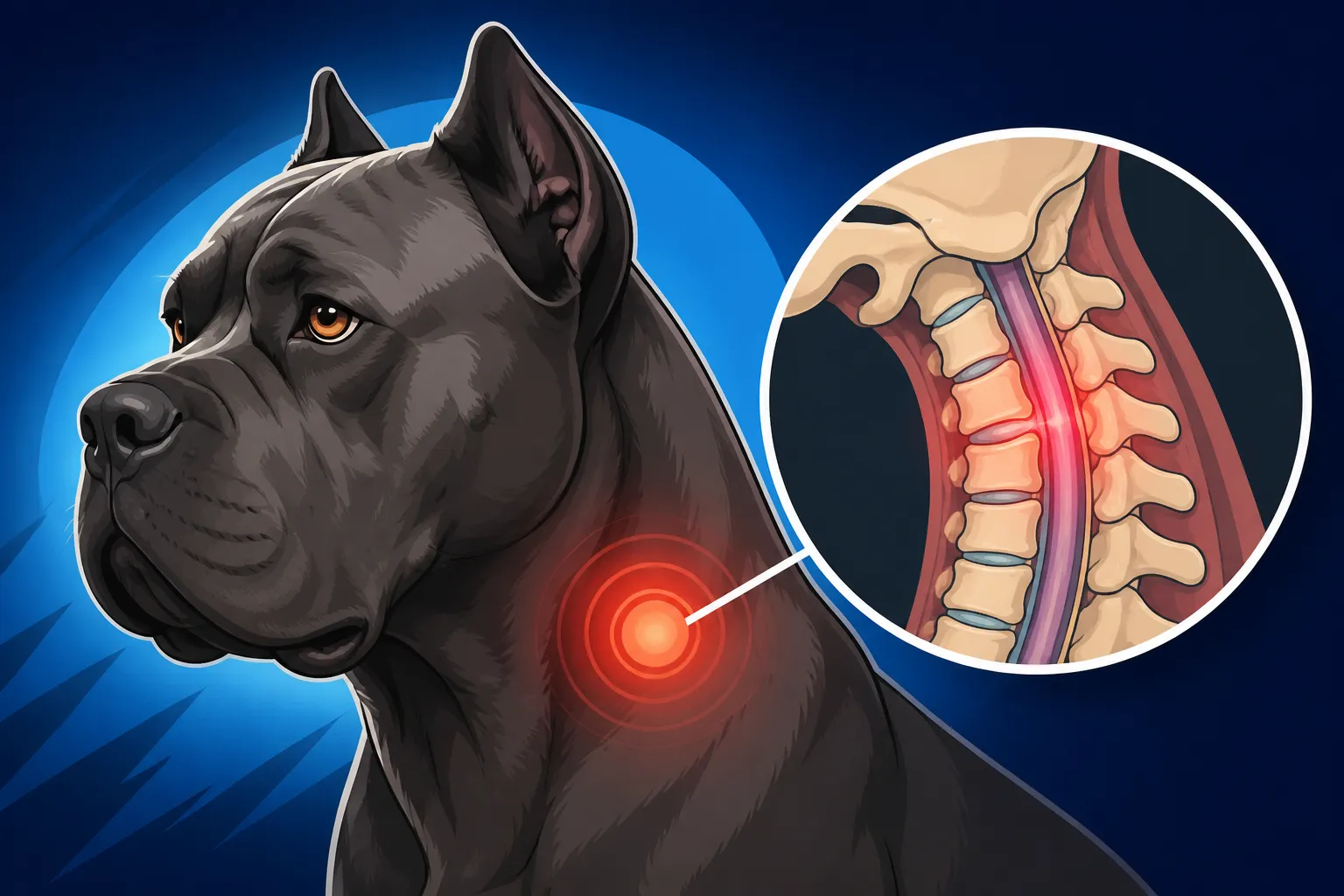
Wobbler Syndrome, also known as cervical vertebral instability or cervical spondylomyelopathy (CSM), sounds a bit like something out of a cartoon, but for a Cane Corso and their owner, it’s anything but funny. At its core, Wobbler Syndrome is a neurological condition where there’s compression of the spinal cord and/or the nerve roots in the neck region. This compression happens because of abnormalities in the cervical vertebrae (the bones in the neck) or the discs between them. Imagine a crucial highway for nerve signals getting squeezed or pinched – that's essentially what's happening.
This condition tends to affect large and giant breed dogs, particularly those with rapid growth rates and heavy bone structures, making our Cane Corsos unfortunately predisposed. While it's famously associated with breeds like Doberman Pinschers and Great Danes, Cane Corsos can absolutely be susceptible due to their sheer size and genetics. The issues can stem from a variety of factors, including malformed vertebrae, bulging or herniated discs, or thickened ligaments in the spinal canal. Sometimes it's a combination of these, creating a perfect storm of pressure on the delicate spinal cord.
There are generally two main types of Wobbler Syndrome:
- Disc-associated Wobbler Syndrome (DAWS): This type is often seen in middle-aged to older large breed dogs, typically starting around 5-7 years old, although it can happen younger. It usually involves a bulging or herniated disc pressing on the spinal cord.
- Bony-associated Wobbler Syndrome (BAWS): More common in younger, giant breeds, often showing up before two years of age. This involves bony malformations of the vertebrae, causing direct compression or instability that leads to spinal cord trauma. Given the Cane Corso's rapid growth and genetic predispositions, the bony-associated form is a significant concern for owners of younger dogs.
Regardless of the type, the underlying problem is a constricted spinal canal, leading to neurological deficits. This isn't just a simple stiff neck; it's a serious condition that requires careful consideration and intervention.
The Role of Genetics and Growth in Cane Corsos
When we talk about conditions like Wobbler Syndrome in large breeds, genetics and growth patterns are always part of the conversation. For a Cane Corso, a breed known for its impressive size and powerful build, rapid growth during puppyhood can sometimes be a double-edged sword. If their bones grow too quickly, or if there's a genetic predisposition to certain vertebral abnormalities, it can set the stage for Wobbler Syndrome later on. This is why paying close attention to your Cane Corso puppy's diet and exercise, ensuring they don't grow too fast, is so crucial. Avoiding things like excessive jumping and rough play during their formative months can also help protect their developing spines. You might want to consider how managing arthritis in a hundred pound Cane Corso could be similar to managing spinal discomfort in its early stages.
Reputable breeders will often screen their breeding stock for various health issues, though specific genetic markers for Wobbler Syndrome in Cane Corsos aren't as clearly defined as for some other conditions. However, a general commitment to breeding healthy dogs with sound structure helps. It's important to remember that even with the best genetics, environmental factors during growth can still play a part. This makes careful management of their puppyhood development paramount to their long-term spinal health.
Recognizing the Subtle and Obvious Signs
Spotting Wobbler Syndrome can be tricky because the initial symptoms might be subtle, easily mistaken for general stiffness or a minor injury. However, as the condition progresses and the spinal cord compression worsens, the signs become more pronounced and alarming. As a Cane Corso owner, you're deeply tuned into your dog's movements and behaviors, which is your best asset in catching this early.
The most characteristic sign is the "wobbly" or "drunken sailor" gait, particularly noticeable in the hind limbs, but often affecting all four. Your Corso might struggle with coordination, seem unsure of their footing, or even stumble and fall. This isn't just a cute quirk; it's a clear neurological deficit.
Here’s a breakdown of what you might observe:
Changes in Gait and Posture
One of the first things you might notice is an altered gait. Your Cane Corso might start taking shorter, choppy steps with their front legs, almost as if they're walking on eggshells, while their hind legs appear to over-exaggerate their steps, sometimes described as a "two-engine gait." They might scuff their paws, leading to worn-down nails on the top surfaces.
- Hind Limb Ataxia: This is the classic "wobble." Your Corso might sway, cross their hind legs, or have difficulty maintaining balance, especially when turning or standing still. It often starts subtly, perhaps a slight stumble now and then, before becoming more persistent.
- Front Limb Weakness/Stiffness: While the hind limbs often show the most obvious wobbling, the front limbs can also be affected. You might see a shortened stride, stiffness, or an inability to lift their feet properly. They might drag their front paws, especially when tired.
- Neck Pain and Stiffness: Imagine having a compressed nerve in your own neck – it hurts! Your Cane Corso might be reluctant to lower their head to eat or drink, avoid turning their neck, or cry out when touched around the neck area. They might hold their head in an unusual position, trying to alleviate pressure. This reluctance to move their neck is a significant clue.
These changes can sometimes be intermittent at first, which can make diagnosis difficult. One day your Corso might seem almost normal, and the next they are clearly off. Keep a journal of these observations, including dates and times, as this detailed history will be incredibly valuable to your veterinarian. This is a situation where When a Limping Cane Corso Needs an X-Ray becomes far more critical than a typical strain.
Other Behavioral and Physical Indicators
Beyond the gait, there are other tell-tale signs that could point to Wobbler Syndrome.
- Muscle Atrophy: Over time, if nerves aren't firing correctly, muscles can waste away. You might notice that your Cane Corso's shoulder or hind leg muscles appear smaller or less defined than they used to be, even if they're still eating well. This is particularly noticeable in the muscles above the shoulder blades.
- Difficulty Getting Up or Lying Down: Simple tasks like standing up after a nap or settling into a comfortable position can become a challenge. Your dog might struggle, need assistance, or just seem generally weak. This can also manifest as struggling to go up or down stairs, or difficulty jumping into the car. If you notice your Cane Corso needing help getting off the floor, it's a sign something serious is amiss.
- Changes in Temperament: Chronic pain or discomfort can make any dog irritable or withdrawn. Your usually boisterous Cane Corso might become quieter, less playful, or even snap if you accidentally touch a sensitive spot on their neck. They might seek solitude more often.
- Reduced Activity Levels: If moving hurts or is difficult, your Corso will naturally reduce their activity. They might be less enthusiastic about walks, playing, or even just patrolling the yard. This can be tricky to distinguish from simply getting older, especially if The Age a Cane Corso Is Counted as Old is approaching, but Wobblers can strike at any age.
It's vital to remember that these symptoms can also indicate other serious conditions. Never try to self-diagnose. If you observe any of these signs, especially a combination of them, it’s time for an immediate vet visit.
Diagnosis and Treatment Options
Once you've noticed the concerning signs, getting an accurate diagnosis for Wobbler Syndrome is the next critical step. This isn't a condition where a quick glance or a basic physical exam will suffice. Your vet will need to perform a thorough neurological examination and likely recommend advanced imaging to confirm the diagnosis and pinpoint the exact location and severity of the spinal cord compression.
Diagnostic Procedures at the Clinic
The diagnostic journey usually begins with your veterinarian taking a comprehensive history of your Cane Corso's symptoms, including when they started, their progression, and any previous injuries. This is where your detailed notes come in handy.
- Neurological Exam: This is much more than a routine check-up. Your vet will assess your Corso's reflexes, proprioception (awareness of limb position), gait, and sensitivity to pain. They'll look for abnormalities that point to neurological dysfunction and try to localize the problem to a specific area of the spinal cord.
- Radiographs (X-rays): While standard X-rays can show bony abnormalities, disc space narrowing, or signs of instability in the neck, they often don't provide a complete picture of soft tissue compression. However, they are a good initial screening tool to rule out other spinal issues and get a general idea of the vertebral column's condition.
- Advanced Imaging: This is where the real diagnostic power lies.
- MRI (Magnetic Resonance Imaging): This is considered the gold standard for diagnosing Wobbler Syndrome. An MRI provides detailed images of the spinal cord, nerve roots, intervertebral discs, and surrounding soft tissues. It can clearly show where and how the spinal cord is being compressed, whether by a bulging disc, bone spurs, or thickened ligaments.
- CT (Computed Tomography) Scan: A CT scan provides excellent detail of the bone structures and can identify bony compressions or malformations that might be causing the syndrome. It's often used in conjunction with an MRI.
- Myelogram: This involves injecting a contrast dye into the spinal canal and then taking X-rays or a CT scan. The dye highlights the spinal cord, revealing areas of compression or narrowing. However, it's an invasive procedure with some risks, so it's often performed when MRI isn't available or if more detailed bony information is needed.
These advanced diagnostics often require your Cane Corso to be sedated or under general anesthesia, which carries its own considerations, especially for a deep-chested breed. Anesthesia Risk in a Deep Chested Cane Corso is something to discuss thoroughly with your veterinary team. The cost of these diagnostics can be substantial, and this is where having pet insurance like Healthy Paws, which often covers diagnostic imaging for unexpected illnesses, can be a huge relief.
Conservative Versus Surgical Treatment
Once Wobbler Syndrome is diagnosed, your vet or a veterinary neurologist will discuss the treatment options, which generally fall into two main categories: conservative management or surgical intervention. The best approach depends on the severity of the symptoms, the type and location of the compression, and your Cane Corso's overall health.
Conservative Management:
This approach is usually considered for dogs with mild to moderate symptoms, especially if they have chronic, slowly progressing signs, or if surgery is not an option due to other health concerns or financial limitations.
- Strict Rest: Limiting activity is paramount to prevent further spinal cord trauma. This often means crate rest for several weeks, short leash walks only for potty breaks, and avoiding stairs or jumping.
- Medication:
- Anti-inflammatory Drugs: Corticosteroids (like Prednisone) or Non-Steroidal Anti-Inflammatory Drugs (NSAIDs) help reduce swelling around the spinal cord, thereby decreasing compression and pain.
- Pain Relievers: Analgesics are used to manage discomfort.
- Muscle Relaxants: These can help with muscle spasms in the neck and shoulders.
- Physical Therapy: Once the acute pain subsides, gentle physical therapy exercises can help maintain muscle mass, improve proprioception, and strengthen supporting neck muscles. This could include controlled leash walks, passive range of motion exercises, and therapeutic massage.
- Supplements: Some owners opt for joint supplements containing glucosamine and chondroitin, or omega-3 fatty acids, which may help support overall joint and spinal health. While not a cure, they can be part of a holistic approach to comfort, much like how Whether a Cane Corso Benefits From Joint Supplements might be considered for hip issues.
Conservative management aims to alleviate symptoms and prevent progression but does not correct the underlying structural abnormalities. It requires immense commitment from the owner, and regular follow-up with the vet.
Surgical Intervention:
Surgery is typically recommended for Cane Corsos with severe neurological deficits, rapidly worsening symptoms, or those who don't respond to conservative management. The goal of surgery is to decompress the spinal cord and stabilize the affected vertebrae. There are several surgical techniques, and the choice depends on the specific cause of compression:
- Ventral Slot Decompression: This involves removing a small portion of bone from the underside of the vertebrae to access and remove disc material that is compressing the spinal cord.
- Dorsal Laminectomy: This procedure removes bone from the top of the vertebrae to relieve compression from above.
- Distraction-Stabilization Techniques: These involve spreading the vertebrae apart and then fusing them together with implants (screws, plates, or bone cement) to create stability. This can be done with dynamic or static implants, depending on the case.
Surgical success rates vary, but many dogs show significant improvement, especially if operated on early. However, surgery is complex, expensive, and carries risks including anesthesia complications, infection, and potential for continued or new neurological deficits. Post-operative care is extensive, requiring strict rest, pain management, and often intensive physical therapy. Physical therapy is vital for recovery, and you might encounter significant Physical Therapy Prices for a Cane Corso After Surgery. Healthy Paws, and similar pet insurance providers, can be a major help in managing these substantial costs, including the surgery itself and the recovery period.
| Feature | Conservative Management | Surgical Intervention |
|---|---|---|
| Ideal Cases | Mild/moderate symptoms, chronic onset, older dogs, co-morbidities preventing surgery. | Severe/acute symptoms, rapidly worsening condition, young dogs with bony malformation. |
| Primary Goal | Symptom management, pain relief, prevent progression. | Decompress spinal cord, stabilize vertebrae, improve neurological function. |
| Duration of Rest | Weeks to months of strict restriction. | Weeks of strict post-operative restriction. |
| Medication | NSAIDs, corticosteroids, pain relievers, muscle relaxants (long-term). | Pain relievers, anti-inflammatories (short-term post-op). |
| Physical Therapy | Often recommended for long-term support. | Crucial for post-operative recovery and rehabilitation. |
| Costs | Moderate (vet visits, medication, supplements, minor PT). | High (diagnostics, surgery, hospitalization, intensive PT). |
| Risks | Progression of disease, inadequate pain control. | Anesthesia, infection, surgical complications, continued deficits. |
| Prognosis | Variable, can improve or stabilize, but often progressive. | Often good for improvement, but not always a complete cure. |
Making the decision between conservative and surgical treatment is deeply personal and should be made in close consultation with your veterinary team, weighing your Cane Corso's specific condition, your financial capabilities, and your commitment to their long-term care.
Living with a Cane Corso with Wobbler Syndrome
The diagnosis of Wobbler Syndrome can feel overwhelming, but it's important to remember that many Cane Corsos can lead full and comfortable lives with appropriate management. Whether you choose conservative care or surgical intervention, long-term commitment and adjustments to your daily routine will be necessary.
Adapting Your Home Environment
Making your home a safe and accessible space for your Cane Corso is paramount, especially if they have mobility issues. Small changes can make a huge difference in preventing falls and improving their quality of life.
- Flooring: Slippery surfaces like hardwood or tile can be treacherous. Lay down non-slip rugs, runners, or carpet sections, especially in high-traffic areas and near their sleeping and eating spots. Consider non-slip booties for their paws.
- Ramps and Steps: Jumping on and off furniture or in and out of the car can exacerbate spinal issues. Invest in sturdy ramps for beds, couches, and your vehicle. Ramps can also be helpful for navigating stairs if they are struggling. You might find "Ramps for a Cane Corso That Cannot Jump Up" to be a very helpful resource.
- Food and Water Bowls: Raised feeders are often recommended for deep-chested breeds to help prevent bloat, but they can also be beneficial for a Cane Corso with neck pain, as they won't have to lower their head as far to eat or drink.
- Orthopedic Beds: Providing a supportive, high-quality orthopedic bed can help distribute your Cane Corso's weight evenly, reduce pressure on their joints and spine, and improve comfort during rest. Look for beds designed for large breeds like "Orthopedic Beds Rated for a Cane Corso's Weight."
- Restrict Access: If certain areas of your home, like stairs, are too risky, consider using baby gates or barriers to prevent access.
These adaptations are not just for their physical safety; they also reduce stress and anxiety that can come with struggling to navigate their environment.
Ongoing Care and Management
Living with Wobbler Syndrome is a marathon, not a sprint. Your Cane Corso will likely need ongoing care, monitoring, and adjustments to their routine for the rest of their life.
- Regular Vet Check-ups: Consistent follow-up appointments with your veterinarian or neurologist are crucial to monitor their progress, adjust medications, and catch any new developments early.
- Medication Management: If on conservative management, adherence to medication schedules is key for pain and inflammation control. Be vigilant for any side effects and report them to your vet.
- Physical Therapy and Rehabilitation: Even after surgery, or especially with conservative management, regular physical therapy can be incredibly beneficial. This might include hydrotherapy (underwater treadmill), therapeutic exercises, massage, acupuncture, or laser therapy. These modalities can help strengthen muscles, improve balance, and maintain mobility.
- Weight Management: Keeping your Cane Corso at a lean, healthy weight is vital. Extra pounds put additional strain on their spine and joints, worsening the condition. Work with your vet to establish an appropriate diet and exercise plan.
- Harness Use: Avoid neck collars that can put pressure on the cervical spine. A well-fitting, padded harness that distributes pressure across the chest and shoulders is much safer and more comfortable during walks.
- Pain Management: Wobbler Syndrome can be a painful condition. Discuss long-term pain management strategies with your vet, which might include a combination of medications, supplements, and alternative therapies. Don't let your Cane Corso suffer in silence.
- Emotional Support: Remember that your Cane Corso is going through a lot. Provide plenty of love, patience, and mental stimulation through puzzle toys or gentle indoor games to keep their spirits up. Their emotional well-being is just as important as their physical health.
While the journey with Wobbler Syndrome can be challenging, with diligent care and a supportive environment, your Cane Corso can continue to be a cherished member of your family. Pet insurance, such as a plan from Healthy Paws, can be invaluable for covering the recurring costs of medication, specialized food, and ongoing physical therapy, easing the financial burden and allowing you to focus on your dog's comfort and health. Remember, this isn't a condition that "gets better" on its own; it requires proactive, loving management every single day.
Disclaimer
Please remember that the information provided in this article is for general informational purposes only and does not constitute veterinary medical advice. Always consult with a qualified veterinarian or a veterinary specialist for any health concerns or before making any decisions related to your Cane Corso's care, diagnosis, or treatment plan.