When a Limping Cane Corso Needs an X-Ray
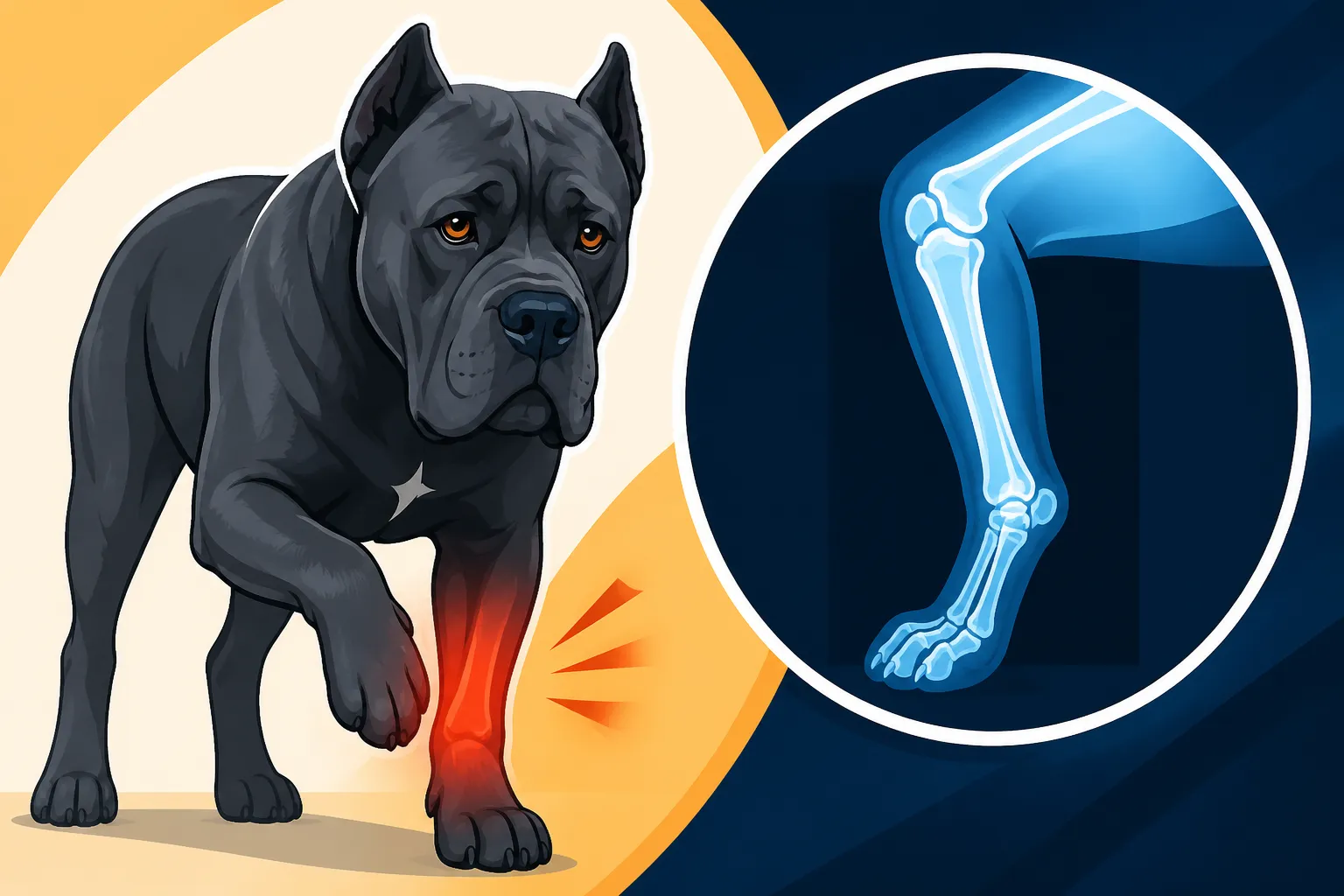
Seeing your magnificent Cane Corso limp can be truly heart-wrenching and, honestly, quite scary. Their sheer size often means any injury can feel magnified, and their stoic nature can sometimes mask the true extent of their pain, making it hard to know if it's a passing ache or something far more serious. This guide is here to walk you through the various reasons your Cane Corso might be limping, help you distinguish between minor concerns and urgent situations, and most importantly, understand when that worrying limp signals it's time to head to the vet for an X-ray.
Understanding Common Causes of Limping in Your Cane Corso
A limp isn't just a limp; it's a symptom, and the underlying cause can vary dramatically depending on your Cane Corso's age, activity level, and overall health. It's crucial to consider these factors when trying to decipher what might be going on with your beloved companion.
Puppy and Adolescent Growing Pains
When you have a Cane Corso puppy or adolescent, their growth is nothing short of incredible. They shoot up so quickly, and this rapid development can sometimes come with its own set of orthopedic challenges.
Think about a young Cane Corso, maybe around 6 to 18 months old, who suddenly develops a limp that seems to switch legs or disappear and reappear within a few days. This "shifting lameness" is a classic sign of Panosteitis and the Shifting Limp in a Cane Corso Puppy, often referred to as "pano" or "growing pains." It’s an inflammation of the long bones in their legs and, while painful, it’s usually self-limiting, meaning they grow out of it. However, it still requires veterinary confirmation to rule out more serious issues. Imagine your energetic pup, who was just chasing a ball with gusto, now hesitating to put weight on a front leg, only for the limp to subtly move to a hind leg a few days later. It's confusing for owners, and sometimes, even for vets unfamiliar with the condition.
Another common concern in this age group relates to growth plate injuries. These are soft areas at the ends of long bones in growing dogs, responsible for future bone growth. A clumsy tumble or an awkward landing during exuberant play can easily damage these plates. If your young Cane Corso takes a hard fall and immediately shows a significant limp, especially if there's swelling or tenderness around a joint, a growth plate injury is a real possibility that needs immediate attention. If left untreated, it could lead to permanent lameness or limb deformities, which is particularly devastating for a large, powerful breed like the Cane Corso.
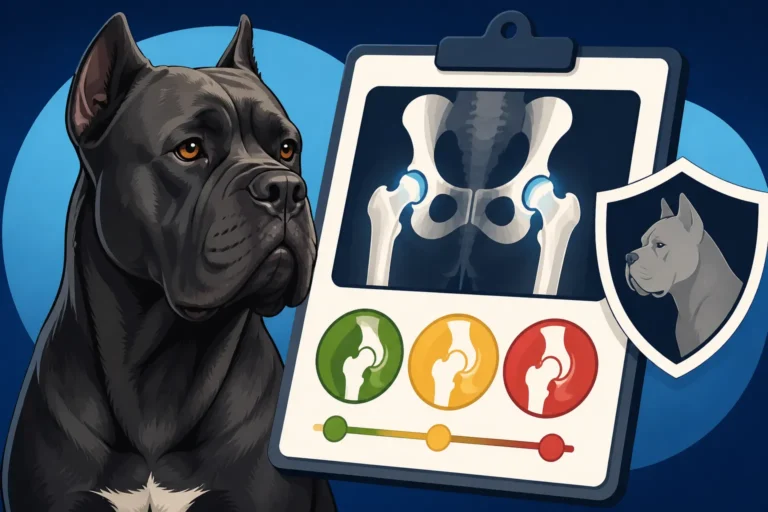
Beyond acute injuries, the rapid growth phase is also when developmental orthopedic diseases like Hip Dysplasia in a Fast Growing Cane Corso or Elbow Dysplasia and a Cane Corso's Front End often begin to manifest. These are genetic conditions where the joints don't form correctly. You might notice your adolescent Cane Corso bunny-hopping, struggling to get up from a lying position, or showing a subtle, persistent limp, particularly after exercise. While these issues can sometimes be managed conservatively, early diagnosis via X-rays is key to understanding the severity and planning the best course of action. It's easy to dismiss a slight stiffness as just "being a teenager," but with a Cane Corso, early intervention can make a huge difference in their long-term comfort and mobility.
Adult Cane Corso Strains, Sprains, and Injuries
Once your Cane Corso is fully grown, which can be around 18-24 months, their limps often shift from growth-related issues to those caused by their active lifestyle, sheer power, or unfortunate accidents.
Soft tissue injuries are incredibly common. Picture your Cane Corso launching off the couch too quickly, slipping on wet pavement, or twisting awkwardly during a spirited game of fetch. These actions can easily result in muscle strains or ligament sprains. These types of injuries might present as a sudden, mild to moderate limp that improves with rest but flares up with activity. The area might be tender to the touch, and you might notice some swelling. It's easy to assume they'll just "walk it off," but even minor-looking soft tissue injuries in such a large, heavy dog can become chronic if not given proper time to heal, potentially setting them up for more serious issues down the line.
Don't forget to check their paws! Something as simple as a thorn embedded in a paw pad, a cracked nail, or even an overgrown nail can cause significant discomfort and a noticeable limp. Imagine your Cane Corso suddenly favoring a paw after walking through tall grass or on rough terrain. A quick, thorough inspection of their pads and nails can sometimes reveal a simple fix, but if you can't see anything obvious, or if the limp persists after removing a foreign object, it’s best to involve your vet.
And then there's acute trauma. Despite their robust appearance, Cane Corsos can suffer serious injuries from falls, collisions with objects or other animals, or even getting hit by a car. If your dog experiences a clear traumatic event and immediately starts limping severely, or can't put any weight on a limb, this is an emergency. There might be visible signs of injury like swelling, bruising, or even an abnormal angle of the limb, suggesting a fracture or dislocation. In these cases, it's not a question of if you need a vet, but how quickly you can get there.
Senior Cane Corso Joint Degeneration and Other Concerns
As your Cane Corso ages, typically past The Age a Cane Corso Is Counted as Old (around 7 or 8 years), their bodies naturally start to show the wear and tear of a lifetime of being a large, active dog. This is when degenerative conditions become more prevalent, and a limp can signal something more insidious than a simple sprain.
Arthritis, or osteoarthritis, is a leading cause of chronic limping in older Cane Corsos. This condition involves the gradual breakdown of cartilage in their joints, leading to pain, stiffness, and reduced mobility. You might notice your senior Cane Corso having more difficulty getting up after resting, being slow on walks, or showing a persistent, low-grade limp that worsens in cold weather or after intense exercise. It’s a progressive disease, and while we can't cure it, we can certainly help with pain management. Managing Arthritis in a Hundred Pound Cane Corso becomes a daily effort, often involving medication, supplements, and lifestyle adjustments.
Another serious cause of limping in adult and senior Cane Corsos is a Cruciate Tears in a Hundred Pound Cane Corso, specifically the cranial cruciate ligament (CCL) in the knee. This is similar to an ACL tear in humans. It can happen suddenly during activity, often with a yelp and immediate lameness, or it can be a gradual process if the ligament is slowly degenerating. If your Cane Corso suddenly refuses to put weight on a back leg, or holds it up, a torn cruciate is high on the list of possibilities. This often requires surgery, which can be a significant undertaking given their size and the recovery period involved.
Perhaps the most dreaded cause of limping in a large breed dog is Bone Cancer in a Cane Corso's Front Leg, particularly osteosarcoma. This aggressive bone tumor commonly affects the long bones of the limbs, especially the front legs, in middle-aged to senior large and giant breeds. The limp usually starts subtly but progresses quickly, becoming increasingly painful and unresponsive to regular pain medication. You might notice swelling, warmth, and extreme tenderness in the affected bone, even without a prior injury. This is a very serious diagnosis, and if your senior Cane Corso develops an unexplained, persistent, and worsening limp, especially in a front leg, it needs to be investigated immediately.
When to Call the Vet: Deciding Between Observation and Immediate Action
Navigating when to observe a limp and when to rush to the veterinary clinic can be a confusing tightrope walk for any Cane Corso owner. They are tough dogs, but that doesn't mean they don't feel pain.
Assessing the Severity and Duration of the Limp
One of the first things to consider is how severe the limp is. Is your Cane Corso putting some weight on the limb (weight-bearing lameness), or are they holding it up completely (non-weight-bearing lameness)? A non-weight-bearing limp is almost always a sign that something is seriously wrong – a fracture, dislocation, or severe soft tissue injury – and warrants an immediate vet visit. A slight weight-bearing limp might allow for a period of observation, but vigilance is key.
Also, pay attention to the onset and duration. Did the limp appear suddenly after a specific event, or has it been gradually worsening over days or weeks? A sudden, acute limp, particularly if accompanied by vocalization or a clear inability to use the limb, usually requires prompt veterinary attention. A gradual, intermittent limp might suggest a chronic issue like arthritis or a slow-developing injury, but it still needs to be addressed before it becomes debilitating.
Look for any other accompanying symptoms. Is there swelling, heat, or obvious pain when you gently touch the affected area? Is your Cane Corso licking or chewing at the limb excessively? Are they lethargic, running a fever, or refusing to eat? These systemic signs, combined with a limp, suggest a more serious problem that likely needs immediate medical evaluation. For example, if your Cane Corso is limping and also seems generally unwell, it could indicate an infection or a widespread inflammatory condition.
Red Flags That Warrant an Emergency Vet Visit
There are certain scenarios where observation isn't an option, and you need to get your Cane Corso to an emergency vet right away. Delaying care in these situations could lead to worsening pain, more complicated treatment, or even permanent damage.
Anytime your Cane Corso is completely non-weight-bearing on a limb, it's an emergency. This level of lameness often points to a fracture, dislocation, or severe nerve damage. Imagine your powerful Cane Corso trying to navigate on three legs; the strain on their other limbs and spine is immense, and their pain is likely excruciating.
Obvious physical deformities are another huge red flag. If a limb looks bent at an unnatural angle, or if there's severe, rapidly developing swelling around a joint, these are strong indicators of a fracture or dislocation. Similarly, if you see an open wound with bone exposed, this is an open fracture, a serious emergency due to the high risk of infection.
If your Cane Corso is showing signs of intense pain – yelping, growling, panting excessively, trembling, or even trying to bite when you approach the injured area – do not wait. Their stoic nature means that if they're openly expressing pain, it's severe. You might consider using a muzzle if you suspect extreme pain, not because your dog is aggressive, but as a safety precaution for both you and the veterinary staff during examination. Even mild pain can be significant when considering Anesthesia Risk in a Deep Chested Cane Corso should surgery be necessary later.
Finally, if the limping is accompanied by any signs of systemic illness such as vomiting, diarrhea, extreme lethargy, loss of appetite, or difficulty breathing, this indicates a widespread problem. These symptoms, combined with lameness, could suggest serious infections (like Lyme disease), autoimmune conditions, or even certain cancers that affect both bone and overall health. In such cases, a prompt diagnosis is critical.
The Role of X-rays in Diagnosing Cane Corso Lameness
When your Cane Corso's limp goes beyond a simple, temporary strain, an X-ray often becomes the diagnostic tool of choice for your veterinarian. It allows them to "see" inside the limb without invasive procedures.
What an X-ray Can Reveal
X-rays are excellent for visualizing bone structures, making them invaluable for pinpointing issues like fractures. A clear break in a bone, a hairline crack, or a stress fracture will typically show up on an X-ray, allowing your vet to determine the type and severity of the fracture and plan appropriate treatment, whether that's casting, splinting, or surgical repair. Similarly, dislocations, where bones have come out of alignment at a joint, are readily apparent.
For developmental orthopedic diseases, X-rays are the gold standard. They can clearly show the shallow hip sockets and misshapen femoral heads characteristic of hip dysplasia, or the abnormal elbow joint formation associated with elbow dysplasia. These images help grade the severity of the condition, guiding decisions on medical management versus surgical intervention. For older dogs, X-rays are crucial for identifying the bony changes, spurs, and narrowed joint spaces indicative of arthritis, which helps in Managing Arthritis in a Hundred Pound Cane Corso.
Beyond structural issues, X-rays can also identify other significant problems. If a limp is caused by a Bone Cancer in a Cane Corso's Front Leg like osteosarcoma, X-rays will often show characteristic aggressive bone lysis (destruction) or abnormal bone proliferation. They can also help detect bone infections (osteomyelitis) and sometimes even foreign bodies, such as swallowed objects that have migrated, or penetrating objects like bullets, though soft tissue foreign bodies might be harder to see.
Limitations of X-rays and Further Diagnostics
While incredibly useful, X-rays aren't a magic bullet for every type of limp. They primarily show bone and dense tissue. This means soft tissue injuries – think torn ligaments, strained muscles, or damaged tendons – might not show up clearly, if at all, on a standard X-ray. If your vet suspects a Cruciate Tears in a Hundred Pound Cane Corso but the X-rays look normal, they might recommend further diagnostics like a physical examination under sedation (to assess joint stability), ultrasound, or even an MRI.
Neurological issues are another area where X-rays have limitations. If your Cane Corso's limp is actually a result of a pinched nerve, a spinal disc problem, or a neurological condition affecting their coordination and strength, a regular X-ray of the limb won't provide the answer. In these cases, your vet might suggest a neurological exam, followed by specialized imaging like an MRI or CT scan of the spine or brain.
Sometimes, even with bone issues, a standard X-ray might not tell the whole story. For instance, early stages of some bone cancers might not be fully evident on an initial X-ray, requiring repeat imaging or a bone biopsy. Blood work is also a common adjunct to X-rays, as it can help detect infections, inflammation, or systemic diseases that might be contributing to lameness, such as certain autoimmune conditions or tick-borne illnesses like Lyme disease. A comprehensive approach often involves multiple diagnostic tools to get a complete picture.
Preparing Your Cane Corso for an X-ray and What to Expect
Getting a large, powerful dog like a Cane Corso to lie perfectly still in specific positions for an X-ray is often impossible without assistance. Therefore, your veterinarian will almost certainly recommend sedation or light anesthesia. This isn't just about cooperation; it's also about ensuring the safety of your dog and the veterinary staff, and obtaining the clearest, most accurate images possible. Imagine trying to get a wobbly, painful limb into precise angles without them flinching – it's just not feasible. Before sedation, your vet will perform a thorough physical exam and possibly blood work to ensure your Cane Corso is healthy enough for the procedure, especially considering Anesthesia Risk in a Deep Chested Cane Corso.
The cost of X-rays can vary significantly depending on the number of views needed, whether sedation is used, and your geographic location. This is where having pet insurance can be a huge relief. Many pet insurance providers, like Healthy Paws, offer coverage for diagnostic procedures like X-rays, which can help offset these unexpected veterinary bills. Having a plan like What a Cane Corso Policy Pays on Hip Surgery can really ease the financial burden when serious issues arise. Don't hesitate to discuss payment options with your vet clinic; they often understand the financial strain unexpected vet visits can cause.
On the day of the X-ray, you'll typically be asked to withhold food from your Cane Corso for a period before the appointment, just as you would for any procedure involving sedation or anesthesia. This helps prevent aspiration if they become nauseous. At the clinic, your dog will be given a sedative, and once they are relaxed or asleep, they'll be carefully positioned on the X-ray table. Multiple images will be taken from different angles to ensure all relevant structures are captured. The entire process, from sedation to recovery, can take a few hours. Your vet will then review the images and discuss the findings and treatment options with you, which might include anything from medication and rest to The Surgeries Every Cane Corso Owner Should Budget For or even Physical Therapy Prices for a Cane Corso After Surgery depending on the diagnosis.
What an X-Ray for a Limping Cane Corso Reveals
To help you understand the common conditions diagnosed via X-ray when your Cane Corso is limping, here's a quick overview:
| Condition | Typical Age/Onset | X-Ray Findings | Next Steps |
|---|---|---|---|
| Panosteitis | 6-18 months | Increased bone density (medullary opacity) in long bones, fuzzy appearance. | Rest, pain management, often resolves with age. |
| Hip Dysplasia | 6-24 months | Shallow hip sockets, flattened femoral heads, joint laxity, early arthritis signs. | Conservative management (weight control, supplements, physical therapy) or surgical intervention. |
| Elbow Dysplasia | 5-18 months | Joint incongruity, fragmented coronoid process, ununited anconeal process, arthritis. | Medical management, sometimes surgery to correct specific lesions. |
| Fracture | Any age | Clear break or crack in bone, displacement of bone fragments. | Immobilization (cast/splint) or surgical repair (plates, screws, pins). |
| Cruciate Ligament Tear | Adult to Senior | Joint effusion (fluid), osteoarthritis changes, sometimes specific bone changes. | Surgical repair (TPLO, TTA, lateral suture) is often recommended, followed by extensive recovery. |
| Osteoarthritis | Senior | Joint space narrowing, bone spurs (osteophytes), subchondral bone sclerosis. | Pain medication, joint supplements, weight management, controlled exercise, physical therapy. |
| Osteosarcoma | Middle to Senior | Aggressive bone destruction, abnormal bone growth (sunburst pattern), soft tissue swelling. | Biopsy for confirmation, amputation, chemotherapy, palliative radiation, pain management. |
| Dislocation | Any age | Bones not aligned in the joint. | Manual reduction (under sedation) or surgical stabilization. |
The moment you notice your Cane Corso limping, take it seriously. It's never "just a limp" when it comes to these magnificent, heavy dogs. Early detection and intervention can truly be the difference between a temporary setback and a chronic, painful condition. Don't hesitate to reach out to your veterinarian. They are your best resource to ensure your powerful companion enjoys a long, comfortable, and active life.
Disclaimer
The information provided in this guide is intended for general knowledge and informational purposes only, and does not constitute veterinary advice. Always consult with a qualified veterinarian for any health concerns or before making any decisions about your Cane Corso's medical care.