Whether a Cane Corso’s Cherry Eye Hits Both Sides
Finding a swollen, red mass protruding from your Cane Corso's eye can be incredibly alarming, leaving you wondering not only about treatment but also if this distressing condition is destined to plague both of your beloved dog's eyes. It's a common and valid concern for any Cane Corso owner, and understanding the nuances of "cherry eye" can help you prepare and respond effectively. This guide will delve deep into why this happens, the likelihood of it affecting one or both eyes, and what you can do to manage it.
Understanding Cherry Eye in Cane Corsos
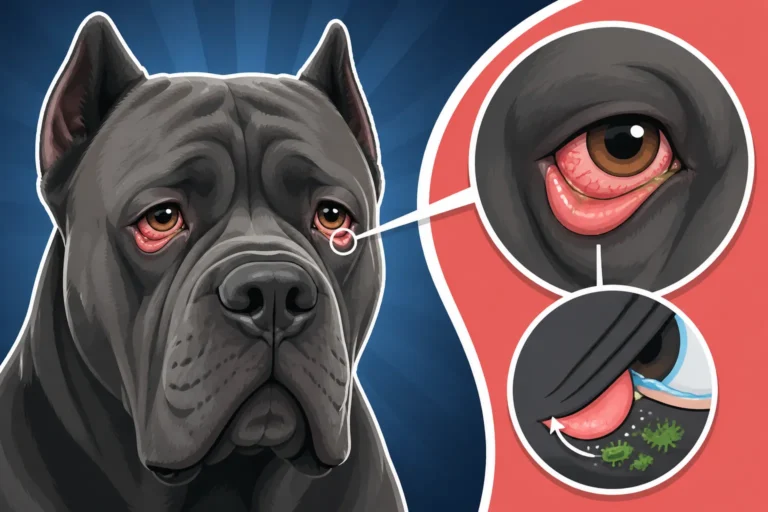
Cherry eye, medically known as nictitans gland prolapse, sounds almost whimsical, but for affected dogs and their owners, it’s anything but. It's a condition where the gland of the third eyelid, normally tucked away and unseen, prolapses or pops out, appearing as a red, swollen mass in the inner corner of the eye. For a Cane Corso, a breed known for its majestic appearance, this can be particularly unsettling and uncomfortable.
The Anatomy Behind the Condition
To truly grasp cherry eye, we need to talk a little about the anatomy of a dog's eye. Unlike humans, dogs possess a third eyelid, or nictitating membrane, located in the inner corner of each eye. This isn't just a leftover evolutionary quirk; it serves a vital purpose: to protect the eye and produce a significant portion of the tear film. Tucked within this third eyelid is a small, almond-shaped tear gland. Normally, this gland is anchored by connective tissue to the orbital rim, keeping it out of sight.
When cherry eye occurs, these connective tissues weaken or become insufficient, allowing the gland to pop out. It's not an infection, though it can become irritated and infected once exposed. The exposed gland looks like a small, reddish cherry, hence the common name. While it might look painful, dogs often don't show overt signs of pain initially, though chronic exposure can lead to irritation, dryness, and secondary infections, causing discomfort.
Why Some Breeds Are More Susceptible
Cane Corsos, along with other brachycephalic (short-nosed) breeds and certain large breeds like Bulldogs, Beagles, and Cocker Spaniels, are unfortunately genetically predisposed to cherry eye. It's not a direct genetic disease in the same way some other conditions are, but rather a structural weakness in the connective tissue that anchors the gland. This predisposition means that while any dog can get cherry eye, some breeds have a much higher statistical likelihood.
In Cane Corsos, specifically, the conformation of their skull and eye sockets, while contributing to their impressive head structure, can also play a role in this susceptibility. We also know that some lines within the breed seem to have a higher incidence, suggesting a heritable component, though it's not always simple Mendelian genetics. This predisposition is something that breeders should be aware of, and it’s why understanding a puppy’s pedigree and family health history is so important, just as you would investigate for The Two DNA Diseases in Cane Corso Pedigrees. It often manifests in puppies or young adult dogs, typically before two years of age, though it can certainly appear later in life.
The Likelihood of Bilateral Cherry Eye
One of the biggest worries for an owner whose Cane Corso has developed cherry eye in one eye is whether the other eye is next. It's a very reasonable fear, and unfortunately, it's not uncommon for cherry eye to affect both eyes, either simultaneously or, more frequently, sequentially.
When One Eye Sets the Stage for the Other
While cherry eye can certainly manifest in both eyes at the same time, it’s far more common for it to appear in one eye first, and then, within weeks, months, or even years, emerge in the other. Studies and anecdotal evidence suggest that if a dog develops cherry eye in one eye, there's a significant chance—often cited between 50-70%—that the other eye will eventually be affected. This isn't because the condition "spreads" like an infection; rather, it indicates an underlying systemic or genetic predisposition to weak connective tissue in both third eyelids.
Think of it like this: if your dog has a genetic predisposition for weakened support structures in the third eyelid, it’s likely that both eyes share that same inherent weakness. One eye might simply be the first to show symptoms due to a minor trauma, a sudden head shake, or just the luck of the draw, but the potential is there for the other side. This is why many vets will discuss the possibility of the second eye being affected when diagnosing the first. You might notice The Cherry Eye a Cane Corso Puppy Shows at Four Months is just the beginning of a longer journey.
Factors Increasing Bilateral Risk
Several factors can influence the likelihood of cherry eye appearing in both eyes:
- Genetics and Breed Predisposition: As mentioned, if your Cane Corso comes from a line known for cherry eye, or if other dogs in its immediate family (parents, siblings) have had it, the risk for both eyes is higher. This genetic component is arguably the strongest predictor.
- Age of Onset: If cherry eye appears very early in life, say before six months, it might suggest a more pronounced underlying connective tissue weakness, potentially increasing the chance of bilateral involvement.
- Underlying Inflammation or Trauma: While not a direct cause, chronic rubbing, allergies, or minor trauma to one eye might trigger the prolapse in an already predisposed gland. If these inflammatory factors are present in both eyes, it could increase the risk.
- Lack of Surgical Correction: While surgery doesn't prevent cherry eye in the other eye, delaying or avoiding proper surgical replacement of the gland can lead to chronic inflammation and stress on the entire ocular system, potentially exacerbating the underlying predisposition. However, it's crucial to understand that even after a successful surgery on one eye, the genetic predisposition for the second eye remains unchanged.
It’s important not to confuse cherry eye with other common Cane Corso eye issues, such as entropion or ectropion, which are issues with the eyelids themselves. However, a dog with The Loose Eyelids Nearly Every Cane Corso Owner Meets might experience increased irritation around the eye area, which could theoretically put additional strain on the third eyelid gland.
Managing and Treating Cherry Eye
Once cherry eye appears, whether in one eye or both, it requires attention. Leaving it untreated can lead to chronic dry eye, conjunctivitis, pain, and potentially impair vision over time. The exposed gland is vulnerable to drying out and injury, which can cause significant discomfort for your Cane Corso.
Surgical Correction: The Gold Standard
The most effective and widely recommended treatment for cherry eye is surgical correction. This isn't just about cosmetic appeal; it's about preserving the function of the third eyelid gland, which is crucial for tear production. The goal of surgery is not to remove the gland (which used to be done, leading to lifelong dry eye problems), but to reposition it back into its natural pocket and secure it with sutures.
There are a few different surgical techniques, but the most common involves creating a new "pocket" or tucking the gland back into its original position and suturing it to the surrounding connective tissue or periorbital fascia. This "pocket technique" or "tucking procedure" has a high success rate. While no surgery is 100% foolproof, and recurrence can happen, especially in breeds with severe predisposition, it's generally the best course of action. Your vet might suggest a board-certified veterinary ophthalmologist for the best outcome, especially given the Cane Corso’s size and breed-specific considerations.
Post-Surgery Care and Monitoring
After surgery, careful post-operative care is crucial for healing and preventing recurrence. This typically involves:
- E-collar: Your Cane Corso will likely need to wear an Elizabethan collar (the "cone of shame") to prevent rubbing or scratching at the surgical site. This is non-negotiable, as even a moment of rubbing can undo the delicate sutures.
- Medicated Eye Drops/Ointments: You'll be given anti-inflammatory and antibiotic eye drops or ointments to administer for several weeks to prevent infection and reduce swelling.
- Restricted Activity: Strenuous activity, jumping, and rough play should be avoided to prevent undue strain and pressure around the eyes.
- Follow-up Appointments: Regular check-ups with your vet or ophthalmologist are essential to monitor healing and ensure the gland remains in place.
Even after successful surgery, it’s important to monitor both eyes diligently. If cherry eye has affected one eye, continue to observe the other for any signs of prolapse. Early detection allows for prompt intervention. In some cases, a second surgery might be necessary for the other eye.
Financial Considerations and Insurance
Let's be realistic: veterinary surgery, especially for a large breed like a Cane Corso, can be a significant expense. The cost of cherry eye surgery can vary widely based on your location, the veterinary clinic or specialist, and the specific surgical technique used. You might find prices ranging from several hundred to well over a thousand dollars per eye. This doesn't even account for pre-surgical bloodwork, anesthesia, medications, and follow-up visits.
This is where having a robust pet insurance plan can make a world of difference. Companies like Healthy Paws offer comprehensive coverage that can help offset the costs of unexpected surgeries, emergency visits, and even routine care depending on the plan. If you're considering a Cane Corso, or already have one, securing insurance is a prudent step. Imagine facing not just one, but potentially two eye surgeries; the costs can quickly add up. Understanding What a Cane Corso Policy Pays on Hip Surgery or eye surgery, for that matter, can alleviate a lot of financial stress during an already worrying time. It’s also wise to get your puppy insured early, perhaps even Starting Cover the Week a Cane Corso Puppy Arrives to avoid conditions being deemed pre-existing.
Preventative Measures and Long-Term Outlook
While you can't entirely prevent cherry eye in a genetically predisposed Cane Corso, there are steps you can take to support their eye health and manage the condition if it arises.
Early Detection and Regular Checks
Vigilance is key. Regularly inspect your Cane Corso's eyes, especially the inner corners. Look for any redness, swelling, or signs of irritation. If you notice a small, red mass appearing, even if it seems to come and go, contact your vet immediately. The earlier cherry eye is treated, the better the prognosis for preserving the gland's function and reducing the risk of complications.
Keeping up with routine veterinary check-ups is also vital. Your vet can often spot subtle signs of developing issues that you might miss. During these exams, they'll check eye health, just as they might perform The Yearly Eye Exam a Breeding Cane Corso Needs for dogs in a breeding program.
Breeding Practices and Genetic Predisposition
From a broader perspective, responsible breeding practices play a crucial role in reducing the incidence of cherry eye in the Cane Corso population. Breeders who prioritize health clearances and genetic testing are more likely to produce puppies with a lower risk of such conditions. While there isn't a specific DNA test for cherry eye, breeders should be transparent about the health history of their breeding lines, including any incidence of cherry eye.
When looking for a puppy, ask about the health of the parents and their siblings, specifically inquiring about eye issues like cherry eye, entropion, or ectropion. While it might not eliminate the risk entirely, choosing a puppy from a reputable breeder who actively works to improve the health of the breed can significantly increase your chances of having a healthier dog in the long run. Conditions like Whether a Cane Corso's Entropion Returns After Surgery highlight how pervasive some eye issues can be in certain lines.
Living With a Cane Corso Prone to Eye Issues
If your Cane Corso is prone to eye issues, or has had cherry eye, it becomes part of their routine care. This might mean extra diligence in cleaning around their eyes, using vet-prescribed lubricating eye drops if recommended, and being extra careful to prevent any trauma. While challenging, living with a Cane Corso that requires a little extra eye care is certainly manageable with dedication and good veterinary partnership.
| Aspect | One Eye Affected | Both Eyes Affected (Bilateral) |
|---|---|---|
| Initial Appearance | Most common | Less common, but possible |
| Underlying Cause | Genetic/structural predisposition | Genetic/structural predisposition |
| Risk of Second Eye | High (50-70%) | Already present |
| Severity of Condition | Localized | More widespread impact |
| Surgical Treatment | Per eye as needed | Per eye as needed |
| Total Cost | Lower | Potentially double |
| Post-Surgery Care | Focus on one eye | Focus on both eyes |
| Long-Term Management | Monitor other eye, general eye care | Continued vigilance, general eye care |
| Pet Insurance Relevance | Important | Even more critical |
Ultimately, while the possibility of cherry eye affecting both sides of your Cane Corso's face is a valid concern, it’s a condition that can be effectively managed with prompt veterinary care and, typically, surgical intervention. With a watchful eye, careful post-operative care, and a good relationship with your vet, your majestic Cane Corso can continue to thrive.
Disclaimer
The information provided in this article is for general informational purposes only and is not a substitute for professional veterinary advice. Always consult with a qualified veterinarian regarding any medical condition or treatment for your Cane Corso.