The Cardiac Clearance on a Cane Corso’s Papers
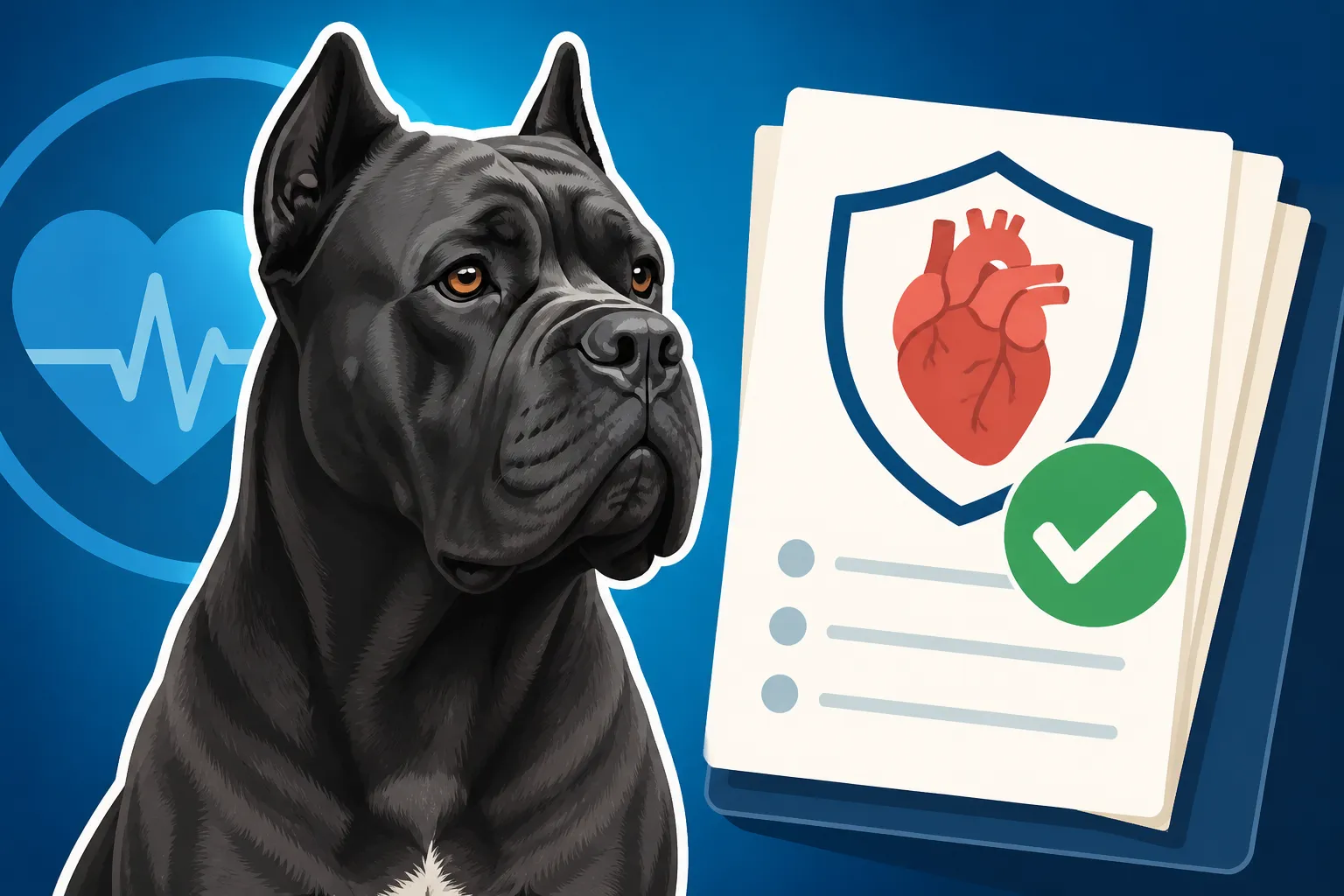
Bringing a powerful and majestic Cane Corso into your life is an incredible experience, but it also comes with a deep sense of responsibility for their health. One of the most perplexing and often overlooked aspects for new and even seasoned owners is understanding the "cardiac clearance" listed on a Cane Corso's papers. It’s a detail that can feel overwhelming, shrouded in medical jargon, yet it’s absolutely critical for predicting the long-term heart health of your companion. This comprehensive guide will meticulously break down what cardiac clearance truly means, why it’s so vital for this breed, and how to confidently navigate the documentation and ongoing care for your Cane Corso's heart.
Understanding Cardiac Health in the Cane Corso Breed
The Cane Corso, like many large and giant breeds, can be predisposed to certain heart conditions that can severely impact their quality of life and longevity. It's not just about a strong physique; the heart behind that formidable presence needs careful consideration. Ignoring these potential issues can lead to devastating surprises down the line, which no loving owner wants to face.
The Silent Threat of Canine Dilated Cardiomyopathy (DCM)
Among the heart conditions that unfortunately plague the Cane Corso, Dilated Cardiomyopathy (DCM) stands out as a particularly concerning and often silent threat. DCM is a progressive disease where the heart muscle becomes thin and weakened, leading to an enlargement of the heart's chambers. This weakened muscle struggles to pump blood effectively to the rest of the body, eventually leading to congestive heart failure. The insidious nature of DCM is that dogs often show no outward symptoms in the early stages. They might seem perfectly healthy and full of life, only for the disease to suddenly manifest with severe symptoms like lethargy, coughing, shortness of breath, or even sudden death. For a breed as stoic as the Cane Corso, noticing subtle changes can be even more challenging, making proactive screening absolutely indispensable.
The genetic component of DCM in many breeds, including the Cane Corso, is a major reason why careful breeding practices are paramount. When breeders make choices without thorough cardiac health clearances, they risk perpetuating this devastating condition in future generations. As an owner, encountering a diagnosis of DCM can be heartbreaking, leading to difficult decisions and often costly, extensive medical management, which underscores the importance of understanding the health history of your puppy's parents.
Other Cardiac Conditions Cane Corsos Can Face
While DCM is a primary concern, it’s not the only cardiac condition that can affect a Cane Corso. Other issues, though perhaps less common, still warrant attention and are typically screened for during a comprehensive cardiac examination. One such condition is Subaortic Stenosis (SAS), a congenital heart defect characterized by a narrowing below the aortic valve, which obstructs blood flow from the heart. This extra workload on the heart can lead to thickening of the heart muscle and eventually heart failure. The severity of SAS can vary greatly, from mild to severe, and affects how quickly symptoms might appear and how the condition progresses.
Another less common but severe electrical heart disease is Arrhythmogenic Right Ventricular Cardiomyopathy (ARVC), which can cause life-threatening arrhythmias. Although often associated with Boxer dogs, cases have been reported in other large breeds. These conditions might not get as much attention as DCM, but they are equally serious if present. A thorough cardiac clearance isn't just a check for DCM; it's a comprehensive evaluation by a specialist to identify any structural or electrical abnormalities in the heart, providing a broader picture of the dog's cardiac health. This holistic approach ensures that potential issues beyond the most common ones are also identified and addressed.
What "Cardiac Clearance" Really Means for a Cane Corso
When you see "cardiac clearance" on a Cane Corso's papers, it's not just a casual note from a regular vet. For this phrase to hold true meaning and offer real reassurance, it implies a very specific, rigorous process involving specialized professionals and recognized health databases. Without these key components, any claim of "clearance" simply doesn't carry the weight needed for a breed prone to serious heart conditions.
The Importance of a Board-Certified Veterinary Cardiologist
The absolute cornerstone of a legitimate cardiac clearance for a Cane Corso is the examination by a board-certified veterinary cardiologist. This distinction is critical and cannot be overstated. A general veterinarian, no matter how skilled or dedicated, typically does not possess the specialized training, experience, or advanced diagnostic equipment that a cardiologist does. Heart conditions, especially those that are subtle or breed-specific like DCM, require an expert eye and ear to detect. A general practitioner might hear a murmur during a routine check-up, but only a cardiologist can accurately assess its significance, determine its cause, and rule out underlying conditions that might not be immediately obvious.
Relying on a general vet's "all clear" for a breeding animal's heart health is a gamble that responsible breeders simply won't take. A cardiologist has spent years beyond veterinary school specializing in the intricate mechanics and electrical systems of the heart. They are adept at identifying subtle changes in heart chamber size, wall thickness, or blood flow patterns that could indicate early-stage disease, long before a general vet might pick up on them, or before clinical signs even appear. This specialized expertise is precisely why their report is the gold standard for cardiac clearances, offering the most accurate assessment of a Cane Corso's heart health, particularly crucial for potential breeding stock.
Deciphering the OFA Cardiac Database and CHIC Program
Once a board-certified veterinary cardiologist has performed the necessary examinations, the results should be submitted to a recognized health database like the Orthopedic Foundation for Animals (OFA). The OFA maintains a comprehensive database of health clearances for various breeds, including cardiac evaluations. When a Cane Corso receives an OFA cardiac clearance, it means that a cardiologist has performed an echocardiogram (an ultrasound of the heart) and, sometimes, an auscultation (listening with a stethoscope) on the dog. The results are then reviewed by a panel of cardiologists, and if deemed normal, a permanent OFA clearance number is issued. This number is publicly searchable on the OFA website, allowing prospective puppy buyers to verify the health status of any registered dog.
Beyond just individual clearances, the Cane Corso breed participates in the Canine Health Information Center (CHIC) program, which is co-sponsored by the OFA and the parent breed club. A CHIC number signifies that a dog has undergone all the health screenings recommended for their breed by the parent club. For Cane Corsos, these typically include evaluations for hips, elbows, patellas, eyes, thyroid, and cardiac health. So, when you see a CHIC number on a Cane Corso's papers, it’s a strong indicator that the dog has completed a comprehensive set of health checks, including a full cardiac workup by a specialist. To truly understand the full scope of a dog's health screenings, researching What a Cane Corso CHIC Number Actually Certifies can provide even more clarity. Always cross-reference any claims with the official OFA database using the dog's registered name or registration number. This transparency is vital for making informed decisions and supporting responsible breeding practices.
The Components of a Comprehensive Cardiac Exam
A comprehensive cardiac exam for a Cane Corso isn't just a quick once-over; it's a multi-faceted approach designed to uncover any potential issues, from subtle murmurs to complex structural abnormalities. Each component plays a specific role in painting a complete picture of your dog's heart health, ensuring that nothing important is missed.
The Auscultation: Listening to the Heartbeat
The first and most basic step in any cardiac evaluation is auscultation, which simply means listening to the heart with a stethoscope. While it might seem straightforward, a skilled cardiologist can detect subtle abnormalities in heart rhythm or the presence of heart murmurs that might indicate underlying structural problems. A heart murmur is essentially an unusual sound made by turbulent blood flow within the heart. These sounds can be caused by various factors, such as faulty valves, holes in the heart, or narrowed blood vessels.
However, it's crucial to understand the limitations of auscultation alone. Not all heart conditions produce an audible murmur, and conversely, some innocent murmurs, particularly in puppies, can be heard without any significant heart disease being present. For instance, a very young Cane Corso might present with The Murmur a Cane Corso Puppy Is Born With, which often resolves on its own. While auscultation is an indispensable initial screening tool, it serves more as a red flag for further investigation rather than a definitive diagnostic test on its own. If a cardiologist detects anything unusual during auscultation, it will almost certainly lead to more advanced diagnostic procedures to pinpoint the exact cause and severity.
The Echocardiogram: A Window into the Heart
The echocardiogram, often referred to simply as an "echo," is the cornerstone of comprehensive cardiac clearance for a Cane Corso. This non-invasive procedure uses ultrasound technology to create real-time images of the heart's structure and function. Think of it as a detailed video of your dog's heart beating, allowing the cardiologist to see everything from the size of the heart chambers and the thickness of the heart walls to the movement of the valves and the precise direction and speed of blood flow. It is the most definitive way to diagnose conditions like Dilated Cardiomyopathy (DCM), which is a significant concern for the breed, by measuring key dimensions such as left ventricular internal diameter in systole and diastole. Uncovering The Heart Muscle Disease Behind a Cane Corso's Cardiac Test is precisely what an echocardiogram is designed to do.
During an echocardiogram, your Cane Corso will typically lie comfortably on their side, often without sedation, while a transducer is moved over their chest. The cardiologist will measure various parameters, such as the ejection fraction (how much blood the heart pumps out with each beat), look for valve leakage (regurgitation), and assess for any congenital defects. For a Cane Corso, these measurements are compared against breed-specific reference ranges to determine if the heart is functioning within normal limits or if there are early signs of disease. The detailed information provided by an echocardiogram is invaluable, allowing for early detection and intervention, which can significantly improve prognosis and guide breeding decisions. To learn more about when this critical diagnostic tool is used, check out When a Cane Corso Needs an Echocardiogram.
Electrocardiogram (ECG/EKG) and Holter Monitoring
While the echocardiogram provides a structural and functional assessment of the heart, the electrocardiogram (ECG or EKG) focuses on the electrical activity that drives the heart's contractions. An ECG records the electrical impulses as they travel through the heart, allowing a cardiologist to detect abnormalities in heart rhythm, also known as arrhythmias. These arrhythmias can range from benign to life-threatening and might indicate underlying issues, including certain forms of DCM where electrical instability is a prominent feature. A standard, short ECG performed in the clinic gives a snapshot of the heart's electrical activity at that specific moment.
However, many significant arrhythmias are intermittent, meaning they don't occur constantly. This is where a Holter monitor comes into play. A Holter monitor is a small, portable ECG device that your Cane Corso wears for 24 to 48 hours, continuously recording their heart's electrical activity during their normal daily routine, including sleep, play, and eating. This extended monitoring significantly increases the chances of detecting intermittent arrhythmias, such as premature ventricular contractions (PVCs), which are often early indicators of conditions like DCM. For a breed at risk for silent cardiac issues, a Holter monitor can be an invaluable diagnostic tool, particularly when screening breeding dogs or evaluating a dog with suspected cardiac concerns. Having a robust pet insurance plan, such as those offered by Healthy Paws, can be incredibly helpful for covering the costs associated with these specialized diagnostic tests and ongoing monitoring.
Interpreting Your Cane Corso's Cardiac Papers
Understanding the details on your Cane Corso's cardiac papers goes beyond just seeing the word "normal." There's a nuanced language to these documents, especially those issued by reputable organizations like the OFA, that every owner and prospective buyer should be able to decipher. Knowing what to look for and what certain terms imply can make all the difference in assessing the true health status of your dog.
Understanding Different Clearance Levels and Results
When reviewing a Cane Corso's cardiac clearance, you'll typically encounter specific terminology from the OFA. A "Normal" result, specifically from a board-certified cardiologist's echocardiogram, is the gold standard. This indicates that no structural or functional abnormalities consistent with cardiac disease were detected at the time of the examination. However, you might also see "Equivocal" or "Affected." An "Equivocal" result means that the findings were inconclusive, suggesting there might be subtle changes that warrant re-evaluation in the future. An "Affected" result clearly indicates the presence of a cardiac disease.
It's also important to differentiate between "Preliminary" and "Permanent" clearances. Preliminary clearances are sometimes given to younger dogs (before two years of age) when breeders want an early assessment, but these are not considered final. A permanent OFA cardiac clearance is usually issued after a dog reaches two years of age, as some conditions like DCM can develop later in life. Additionally, a permanent clearance from a specialist for cardiac health typically doesn't "expire" in the same way some other health checks might, but some cardiologists recommend periodic re-screening for high-risk breeds, especially if the dog is still being actively bred. Understanding Whether a Cane Corso's Cardiac Clearance Expires can help clarify this nuance. Some reports might also mention minor findings, such as "mild mitral valve regurgitation." While not always disqualifying, such findings should be discussed with a cardiologist to understand their potential significance and whether ongoing monitoring is advised.
What to Look for When Reviewing Breeder Documentation
When evaluating a prospective Cane Corso puppy, diligently examining the cardiac clearances of both parents is non-negotiable. Don't simply take a breeder's word for it; ask to see the official OFA certificates or be provided with the registered names and numbers to verify them yourself on the OFA public database. On these documents, you should verify the dog's full registered name, its registration number (e.g., AKC, ICCF), and its microchip or tattoo number to ensure the certificate belongs to the dog in question. Crucially, pay attention to the date of the examination and the age of the dog at that time, and confirm that the clearance was performed by a board-certified veterinary cardiologist, not just a general veterinarian.
Both the sire (father) and dam (mother) of the litter should have permanent, "Normal" cardiac clearances from a board-certified cardiologist. Responsible breeders will often go further, providing evidence of clearances not just for the parents, but for several generations back, demonstrating a consistent commitment to reducing the risk of inherited heart disease. It's also worth investigating The Cardiac Exam Behind a Cane Corso's Clearance to understand the full process. A major red flag would be a breeder who cannot produce these documents, relies solely on anecdotal evidence ("my vet said his heart is fine"), or provides only preliminary clearances for adult breeding dogs. Remember, you're not just buying a puppy; you're investing in a lifetime of health and companionship, and verifying these vital health clearances is a foundational step in that process. Furthermore, for a holistic view of genetic health, it's wise to ensure Why Both Cane Corso Parents Need the DNA Panel for other inheritable diseases, reinforcing a breeder's dedication to healthy lines.
Maintaining Your Cane Corso's Heart Health Long-Term
Getting a Cane Corso from health-tested parents is an excellent start, but it's just that—a start. Maintaining your dog's heart health throughout their life requires ongoing vigilance, regular veterinary care, and a commitment to a healthy lifestyle. Heart disease, even in cleared dogs, can sometimes develop later in life due to a combination of genetic predisposition and environmental factors.
Regular Vet Checks and Early Detection
Even with a pristine cardiac clearance on their papers, your Cane Corso still needs regular veterinary check-ups throughout their life. Annual visits for younger dogs and bi-annual visits for seniors are essential. During these routine examinations, your general veterinarian will perform an auscultation, listening for any changes in heart sounds, such as new murmurs or irregular rhythms that might not have been present before. They will also assess your dog's overall physical condition, checking for subtle signs of heart issues like unexplained weight loss or gain, changes in energy levels, or the development of a cough, especially after exercise or when resting. Recognizing Signs a Cane Corso's Heart Is Giving Out early can make a significant difference in management and prognosis.
If your vet detects any suspicious findings or if your Cane Corso starts showing symptoms that could be related to heart disease (e.g., lethargy, decreased exercise tolerance, persistent coughing, or even fainting spells), they will likely recommend a referral back to a board-certified veterinary cardiologist for further investigation. This might involve repeat echocardiograms, ECGs, or Holter monitoring to get a precise diagnosis. Early detection is paramount for managing progressive conditions like DCM, as it allows for the initiation of medications that can help slow the disease's progression and improve your dog's quality of life. Having comprehensive pet insurance, such as a plan from Healthy Paws, can provide invaluable financial support for these potentially costly follow-up diagnostics and long-term treatments. It allows you to make medical decisions based on what’s best for your dog, rather than solely on your wallet.
Lifestyle Factors Supporting Cardiac Well-being
Beyond genetic predisposition and veterinary care, several lifestyle factors play a significant role in supporting your Cane Corso's long-term heart health. One of the most crucial aspects is maintaining an ideal body weight. Obesity puts an immense strain on the heart, forcing it to work harder and increasing the risk of various health problems, including worsening existing cardiac conditions. Regularly checking The Weight an Old Cane Corso Should Hold is as important as it is for younger dogs. Work with your vet to establish a healthy feeding plan appropriate for your Cane Corso's age, activity level, and metabolic needs, and avoid overfeeding.
Proper nutrition is also key. While there has been much discussion about diet-associated dilated cardiomyopathy (DCM) and certain grain-free foods, it's vital to choose a high-quality, large-breed appropriate diet from a reputable brand that meets AAFCO nutritional guidelines. Consult your vet about Grain Free Food and a Cane Corso's Heart and ensure your dog's diet is balanced and complete. Appropriate exercise, tailored to your Cane Corso's age and fitness level, helps keep the cardiovascular system strong, but avoid excessive exertion, especially in hot weather, as this can place undue stress on the heart. Finally, even seemingly unrelated factors like dental hygiene can impact heart health; severe periodontal disease can lead to bacteria entering the bloodstream and affecting the heart valves. A holistic approach to care, combining excellent veterinary oversight with responsible daily management, gives your Cane Corso the best chance at a long and healthy life.
Overview of Cardiac Diagnostic Tests for Cane Corsos
Understanding the various tests involved in a cardiac clearance can help owners appreciate the thoroughness required to assess a Cane Corso's heart health. Here's a brief overview of the primary diagnostic tools a board-certified veterinary cardiologist might use:
| Diagnostic Test | What It Measures/Detects | Invasiveness | Typical Duration | Purpose in Cane Corso Cardiac Clearance |
|---|---|---|---|---|
| Auscultation | Heart rate, rhythm, presence of murmurs or abnormal sounds | Non-invasive | Minutes | Initial screening for audible abnormalities; often leads to further tests. |
| Echocardiogram | Heart chamber size, wall thickness, valve function, blood flow | Non-invasive | 30-60 minutes | Gold standard for diagnosing structural heart disease like DCM or SAS. |
| Electrocardiogram (ECG/EKG) | Electrical activity of the heart, heart rhythm and rate | Non-invasive | 5-10 minutes | Detects arrhythmias (irregular heartbeats) at the time of the test. |
| Holter Monitor | Continuous 24-48 hour recording of heart's electrical activity | Non-invasive | 24-48 hours | Identifies intermittent or stress-induced arrhythmias (e.g., PVCs in DCM). |
This table provides a concise summary, but each of these tests, particularly the echocardiogram and Holter monitor, involves intricate analysis by a specialist to truly evaluate the complex heart of a Cane Corso.
Disclaimer
This article is intended for informational purposes only and does not constitute veterinary medical advice. Always consult with a qualified veterinarian or a board-certified veterinary cardiologist for any health concerns or before making any decisions about your Cane Corso's care.