Whether a Cane Corso’s Cardiac Clearance Expires
One of the most concerning health topics for Cane Corso owners revolves around heart health, specifically how long those crucial cardiac clearances actually last. It's a question that brings a lot of anxiety, especially for those involved in breeding or simply wanting to ensure their beloved companion lives a long, healthy life. This comprehensive guide will walk you through the nuances of cardiac clearance, its true lifespan, and what you need to know to protect your Cane Corso's heart.
Understanding Cardiac Clearance in Cane Corsos
When we talk about "cardiac clearance" for a Cane Corso, we're not just talking about a quick listen with a stethoscope. For a breed known to be susceptible to certain heart conditions, particularly Dilated Cardiomyopathy (DCM), a true clearance involves specific, in-depth evaluations by veterinary specialists. This isn't just a formality; it's a vital step in responsible ownership and breeding.
What is "Cardiac Clearance" Anyway?
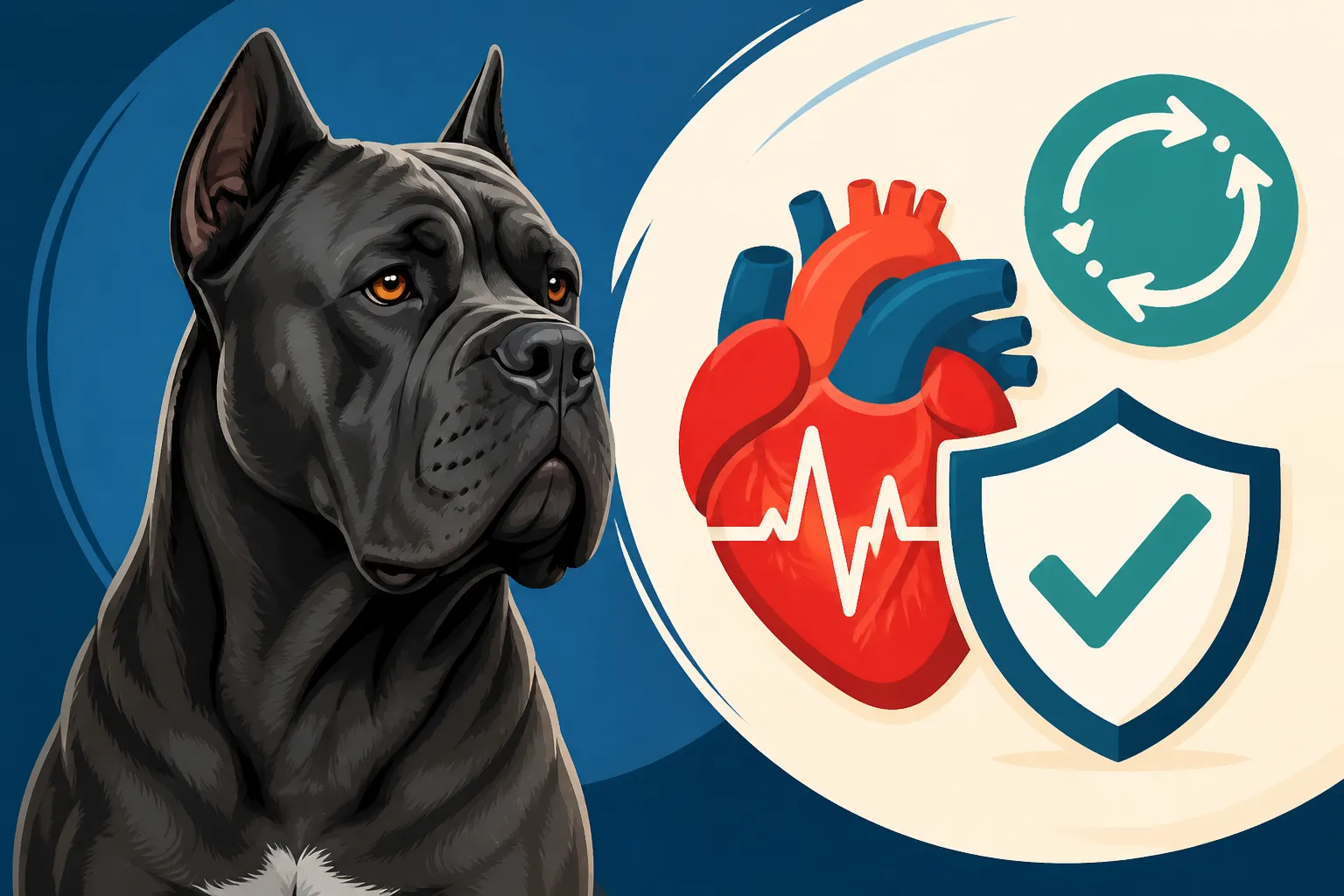
At its heart, cardiac clearance is a process designed to assess the health of a dog's cardiovascular system and identify any existing or potential heart diseases. For a large, deep-chested breed like the Cane Corso, the primary concern is often Dilated Cardiomyopathy (DCM), a progressive disease where the heart muscle becomes thin and weak, leading to an enlarged heart that struggles to pump blood effectively. Other issues like congenital heart defects (those present at birth) or murmurs are also screened for. The goal is to catch these conditions early, or ideally, to prevent affected dogs from being bred, thus reducing the prevalence of these devastating diseases in future generations. It's about looking beneath the surface, because a dog can appear completely healthy on the outside while a silent killer lurks within its heart. This deep dive into a dog's heart health is a cornerstone of responsible breeding practices and helps ensure the long-term vitality of the breed.
The Initial Cardiac Exam Protocol
For a dog to receive an official cardiac clearance, especially one intended for breeding purposes, the protocol usually involves an examination by a board-certified veterinary cardiologist. This isn't your general vet's annual check-up, although that's always a good starting point. A specialist will perform an auscultation, meticulously listening to the heart for any murmurs or abnormal rhythms. If anything suspicious is detected, or if the dog is of a breed predisposed to heart conditions (like the Cane Corso), the next crucial step is typically an echocardiogram.
An echocardiogram is essentially an ultrasound of the heart. It allows the cardiologist to visualize the heart's chambers, valves, and muscle walls in real-time. They can measure chamber sizes, assess the thickness of the heart muscle, and observe how efficiently the blood is flowing. These measurements and observations are critical for diagnosing conditions like DCM or subvalvular aortic stenosis (SAS). The results are then submitted to organizations like the Orthopedic Foundation for Animals (OFA), which maintains a public database of health clearances. This initial, thorough examination forms the baseline for your Cane Corso's heart health and is an essential part of its overall health record, alongside tests like those detailed in The Cardiac Exam Behind a Cane Corso's Clearance.
The Lifespan and Validity of Cardiac Clearance
This is where the rubber meets the road for many owners and breeders. The idea of a "clearance" can often imply a permanent stamp of health, leading to misunderstandings about how long these vital assessments truly hold up. It's a common misconception that once a dog has a clear cardiac exam, it's good for life.
Is Cardiac Clearance a "Lifetime" Pass?
In a word, no. Cardiac clearance, particularly for conditions like Dilated Cardiomyopathy (DCM) which are prevalent in Cane Corsos, is absolutely not a lifetime pass. This can be a frustrating reality to face, especially for breeders who invest heavily in health testing, but it's a biological fact. Many heart diseases are progressive, meaning they develop and worsen over time. A dog might have a perfectly clear echocardiogram at two years old, but by four or five, subtle changes indicative of early DCM could begin to appear. The heart muscle might start thinning, or its pumping efficiency could slightly decrease, even before any outward symptoms manifest. This is why a single clearance, while valuable for that moment in time, cannot guarantee future health, especially as a dog matures and its body changes. This progressive nature is a key reason why understanding The Heart Muscle Disease Behind a Cane Corso's Cardiac Test is so important.
Why Annual Re-Certification is Critical
Given the progressive nature of many cardiac conditions, annual re-certification by a board-certified veterinary cardiologist is not just recommended, it's absolutely critical for breeding animals. The OFA, for example, explicitly states that cardiac clearances should be considered current for only 12 months from the date of the examination. This means that for a Cane Corso used for breeding, a new echocardiogram and cardiologist evaluation should be performed every single year to ensure their heart remains healthy and free of detectable disease.
Think of it like getting your car inspected annually; even if it passed last year, components can wear out over time. The same applies to a Cane Corso's heart. These yearly checks provide ongoing assurance that the dog is healthy, helping breeders make informed decisions about pairings and ensuring they are not unknowingly passing on genetic predispositions to serious heart conditions. For pet owners, while annual clearances might not be necessary if your dog isn't breeding, regular veterinary check-ups and being aware of changes are vital. Investing in pet insurance, such as a plan from Healthy Paws, can be incredibly beneficial here, as it can help cover the costs of these crucial annual re-certifications or any unexpected cardiac diagnostics and treatments that might arise.
What Changes in a Cane Corso's Heart Over Time
It's disheartening to consider that a young, vibrant Cane Corso with a clean bill of health might develop problems later. However, understanding these changes is key to proactive care and responsible ownership. The biology of large breed dogs often means they face unique health challenges as they age.
Age-Related Cardiac Changes
Just like in humans, a Cane Corso's heart is subject to wear and tear and disease processes as it ages. For breeds prone to DCM, the disease often doesn't manifest until middle age – think around four to seven years old – or even later. This means that a Cane Corso that was perfectly clear at two years old, the typical age for initial breeding clearances, can absolutely develop signs of DCM by the time it's five or six. The heart muscle might gradually begin to lose its contractility, chambers can dilate, and murmurs might become audible where none existed before.
This late onset is precisely why those yearly check-ups are so crucial for breeding dogs. It allows breeders to catch these changes early and remove affected individuals from their breeding program, preventing the perpetuation of the disease. For pet owners, it highlights the importance of regular senior wellness checks, which should always include a thorough cardiac evaluation. Being aware of potential issues is the first step in managing them and providing the best possible quality of life for your aging companion. For further reading, consider topics like What Changes in a Cane Corso After Its Eighth Birthday to understand more about senior care.
Factors Influencing Cardiac Health Beyond Genetics
While genetics play a predominant role in conditions like DCM, and breeders meticulously test for these predispositions (like those explored in The Two DNA Diseases in Cane Corso Pedigrees), other factors can certainly influence a Cane Corso's overall cardiac health, though perhaps not directly cause conditions like inherited DCM. Lifestyle elements such as diet, exercise, and maintaining a healthy weight are always important. Obesity puts extra strain on the heart, making it work harder to pump blood throughout the body.
Consistent, appropriate exercise helps maintain cardiovascular fitness, but over-exertion, especially in hot weather, can also be detrimental. Even certain dietary trends, particularly those advocating for grain-free diets, have been linked in some studies to an increased risk of acquired DCM in various breeds, though the science is still evolving. While these factors might not be the primary drivers for a genetically predisposed condition, they can certainly impact the overall health and longevity of your Cane Corso's heart, reinforcing the need for holistic care. Regular vet visits for discussions on diet and exercise, as part of Yearly Bloodwork on an Adult Cane Corso, are invaluable.
The Implications for Breeders and Pet Owners
Understanding that cardiac clearances are not permanent has significant implications for everyone involved with Cane Corsos, from the dedicated breeder striving to improve the breed to the loving pet owner simply wanting their dog to be healthy. This knowledge empowers both groups to make more informed decisions and take proactive steps.
For Responsible Cane Corso Breeders
For responsible Cane Corso breeders, the expiration of cardiac clearance isn't a loophole to exploit, but a critical directive for maintaining the integrity and health of the breed. It underscores the ethical responsibility to regularly screen all breeding stock. A breeder who fails to re-certify their dogs annually, especially through echocardiograms performed by a board-certified cardiologist, is not adhering to best practices for a breed at risk for DCM. This ongoing testing is essential to ensure that only dogs with truly healthy hearts are contributing to the gene pool, minimizing the chance of passing on hereditary heart diseases.
Transparency is also paramount. Responsible breeders don't just get clearances; they share them openly with prospective puppy buyers, explaining the results and the ongoing nature of heart health. They understand that The Cardiac Clearance on a Cane Corso's Papers is more than just a piece of documentation; it’s a commitment to the future health of their lines. By diligently performing and updating these clearances, breeders play a vital role in reducing the heartbreaking incidence of heart disease in the Cane Corso breed. They know that both parents need to be cleared, as discussed in Why Both Cane Corso Parents Need the DNA Panel, for the best chance of healthy offspring.
For Cane Corso Pet Owners
If you're a pet owner, even if your Cane Corso isn't intended for breeding, the fact that cardiac clearance expires still holds important lessons. Firstly, when acquiring a puppy, insist on seeing the most current cardiac clearances for both parents, ideally from a board-certified cardiologist and listed on the OFA database. This gives you the best chance of starting with a genetically sound puppy. Secondly, be vigilant as your Cane Corso ages. Signs of heart disease can be subtle at first: a slight decrease in exercise tolerance, a cough (especially at night), increased respiratory rate, or lethargy. Don't dismiss these symptoms.
Regular veterinary check-ups are important, and if your vet hears a new murmur or notices any concerning changes, follow through with their recommendations, which might include a referral to a cardiologist for an echocardiogram. These diagnostic steps can be expensive, which is where a robust pet insurance plan, such as those offered by Healthy Paws, can be a game-changer. Plans like these can significantly alleviate the financial burden of unexpected veterinary bills, including specialized cardiac diagnostics, medications, or even emergency care if your dog presents with Signs a Cane Corso's Heart Is Giving Out. Being proactive and financially prepared ensures you can provide the best possible care for your beloved companion throughout their life, extending beyond basic care into areas like What Most Cane Corsos Actually Die Of to help prevent common causes of mortality.
Here's a quick overview of cardiac clearance elements and their recommended frequency:
| Assessment Type | Description | Recommended Frequency (Breeding Dogs) | Relevant Conditions Detected |
|---|---|---|---|
| Auscultation | Listening to heart with stethoscope for murmurs/arrhythmias | Annually | Murmurs, arrythmias, early DCM signs |
| Echocardiogram | Ultrasound of the heart, detailed structural & functional assessment | Annually | DCM, SAS, other structural abnormalities |
| OFA/Cardiologist Review | Certification by board-certified veterinary cardiologist, submitted to OFA | Annually | Official health clearance record |
| Holter Monitor (if needed) | 24-hour ECG to detect intermittent arrhythmias | As recommended by cardiologist | Arrhythmogenic right ventricular cardiomyopathy (ARVC) |
Remember, a Cane Corso's heart health is a journey, not a destination. Consistent monitoring and understanding of the progressive nature of certain conditions are paramount. While a first-time owner might feel overwhelmed, resources are available to help. You might want to review Monthly Pet Insurance Premiums on a Cane Corso to help budget for these ongoing health expenses. Additionally, consider how these health factors might influence overall longevity, by delving into The 9.3 Year Median From the Cane Corso Longevity Study for a broader perspective on the breed's typical lifespan.
Disclaimer
This article is for general informational purposes only and does not constitute professional advice. Laws, prices and regulations vary by location and change over time. Consult a qualified professional for guidance on your specific situation.