Signs a Cane Corso’s Heart Is Giving Out
It’s an incredibly tough moment when you start noticing subtle changes in your strong, loyal Cane Corso, and a chilling thought crosses your mind: is their heart starting to give out? These big, powerful dogs often mask discomfort, making it even harder to pinpoint when something serious, like heart disease, is taking hold. This guide is here to walk you through the often-missed early signs and more advanced indicators that your beloved companion might be struggling with a failing heart, so you can act quickly and give them the best chance at a longer, more comfortable life.
Understanding the Vulnerability of a Cane Corso's Heart
Our Cane Corsos, with their impressive musculature and deep chests, are magnificent animals. But their very size, a hallmark of their breed, unfortunately, comes with certain predispositions to health challenges, especially when it comes to their cardiovascular system. It’s not fair, but it’s a reality we, as owners, need to be acutely aware of as they age.
Common Cardiac Conditions in Large Breeds
When we talk about heart issues in a Cane Corso, one of the most significant concerns is Dilated Cardiomyopathy, or DCM. This condition causes the heart muscle to become thin and weak, leading to an enlarged heart that can't pump blood efficiently throughout the body. Imagine a balloon that's been overinflated and deflated too many times; it loses its elasticity and can't hold its shape or push air out effectively anymore. That's a bit like what happens to a heart with DCM.
Beyond DCM, Cane Corsos can also face other less common but equally serious issues, such as certain arrhythmias (irregular heartbeats) or congenital defects, though DCM is often the big one that casts a shadow over the larger breeds. The challenge with DCM is that it’s often a silent killer, progressing gradually, with many dogs showing no obvious symptoms until the disease is quite advanced. This makes understanding subtle changes in your dog's behavior and regular veterinary check-ups incredibly important. Learning about things like The Cardiac Exam Behind a Cane Corso's Clearance can really help you stay ahead of potential issues.
How a Healthy Heart Functions Versus a Failing One
To really understand what's happening when a Cane Corso's heart starts to fail, it helps to briefly recall what a healthy heart does. Essentially, it's a powerful pump, constantly circulating oxygen-rich blood to every part of the body and returning oxygen-depleted blood to the lungs. It works tirelessly, day in and day out, ensuring all organs and tissues receive the vital nutrients they need to function.
When the heart begins to fail, its pumping efficiency diminishes. Instead of forcefully ejecting blood, it struggles. This can lead to a backlog of blood, causing fluid to accumulate in various parts of the body. For instance, if the left side of the heart is struggling, fluid can build up in the lungs, leading to breathing difficulties. If the right side is failing, fluid might collect in the abdomen or limbs. This inefficiency also means that the rest of the body isn't getting enough oxygen, which manifests in a whole host of symptoms that we, as owners, will eventually start to see. It’s a cascading effect, where one problem in the heart leads to a host of other issues throughout their system.
Early Warning Signs of Heart Disease in Your Cane Corso
It's heartbreaking to witness your once-energetic Cane Corso start to slow down, and it's easy to dismiss early signs as just "getting old." After all, The Nine Year Median Behind a Cane Corso's Lifespan means they mature fairly quickly. However, it's crucial for owners to differentiate between normal aging and the subtle indicators that something more serious, like heart disease, might be developing. Catching these early can make all the difference.
Subtle Changes in Energy and Exercise Tolerance
This is often the very first sign, and it’s frequently the one owners attribute solely to age. You might notice your Cane Corso isn't as enthusiastic about their morning walk as they once were, or perhaps they're taking longer to recover after a vigorous play session. They might lie down more frequently during walks, or seem generally less interested in activities they used to love. Where they once bounded up the stairs, now they hesitate, or ascend slowly, one step at a time. This isn't just about losing a step; it's about their body's reduced ability to keep up due to insufficient oxygen delivery from a struggling heart.
Maybe they're no longer greeting you at the door with their usual boisterous energy, opting instead for a slow wag of the tail from their bed. Or perhaps the afternoon romp in the yard with the kids is cut short, with your Cane Corso retreating to a shady spot much sooner than before. These aren't just minor shifts; they are often direct indicators that their heart can no longer supply the necessary blood flow to support their normal activity levels. Keeping an eye on What Changes in a Cane Corso After Its Eighth Birthday can help distinguish between general aging and specific health declines.
Persistent Coughing and Breathing Difficulties
A cough in a dog can be alarming, and it's easy to assume it's just "kennel cough" or something minor. However, a persistent cough, especially one that sounds wet or becomes more frequent at night or after exertion, can be a significant red flag for heart disease. This kind of cough is often caused by fluid building up in the lungs, a condition known as pulmonary edema, which occurs when the heart can't efficiently pump blood away from the lungs.
Beyond coughing, you might observe changes in their breathing patterns. Are they breathing faster than usual, even when resting or sleeping? A normal resting respiratory rate for a dog is typically between 15-30 breaths per minute. If you notice your Cane Corso consistently breathing more rapidly, or with more effort, it could indicate that their lungs are working harder to compensate for a struggling heart. This labored breathing might also manifest as panting without being hot or having exercised. If you're concerned, it's a good idea to count their breaths while they're deeply asleep for a baseline.
Changes in Appetite and Weight
A healthy Cane Corso typically has a robust appetite, and any noticeable decline in their willingness to eat should catch your attention. Heart disease, especially in its more advanced stages, can lead to a general feeling of malaise and nausea, making food unappealing. They might turn their nose up at meals they once devoured, or only pick at their food. This reduced food intake, combined with the metabolic changes associated with heart failure (often called cardiac cachexia), can lead to noticeable weight loss.
You might find your Cane Corso is looking a bit thinner, with their ribs becoming more prominent, even if you haven't intentionally changed their diet. This isn't just about calories; it's about their body struggling to process nutrients and maintain muscle mass when the heart isn't functioning optimally. Keep an eye on their body condition score, feeling along their ribs and spine. Significant, unexplained weight loss is never something to ignore in any dog, let alone a large breed like the Cane Corso. Sometimes, owners wonder about how things like Grain Free Food and a Cane Corso's Heart might impact their dog, but appetite changes are a direct symptom that needs veterinary attention.
Advanced Indicators and Emergency Signs
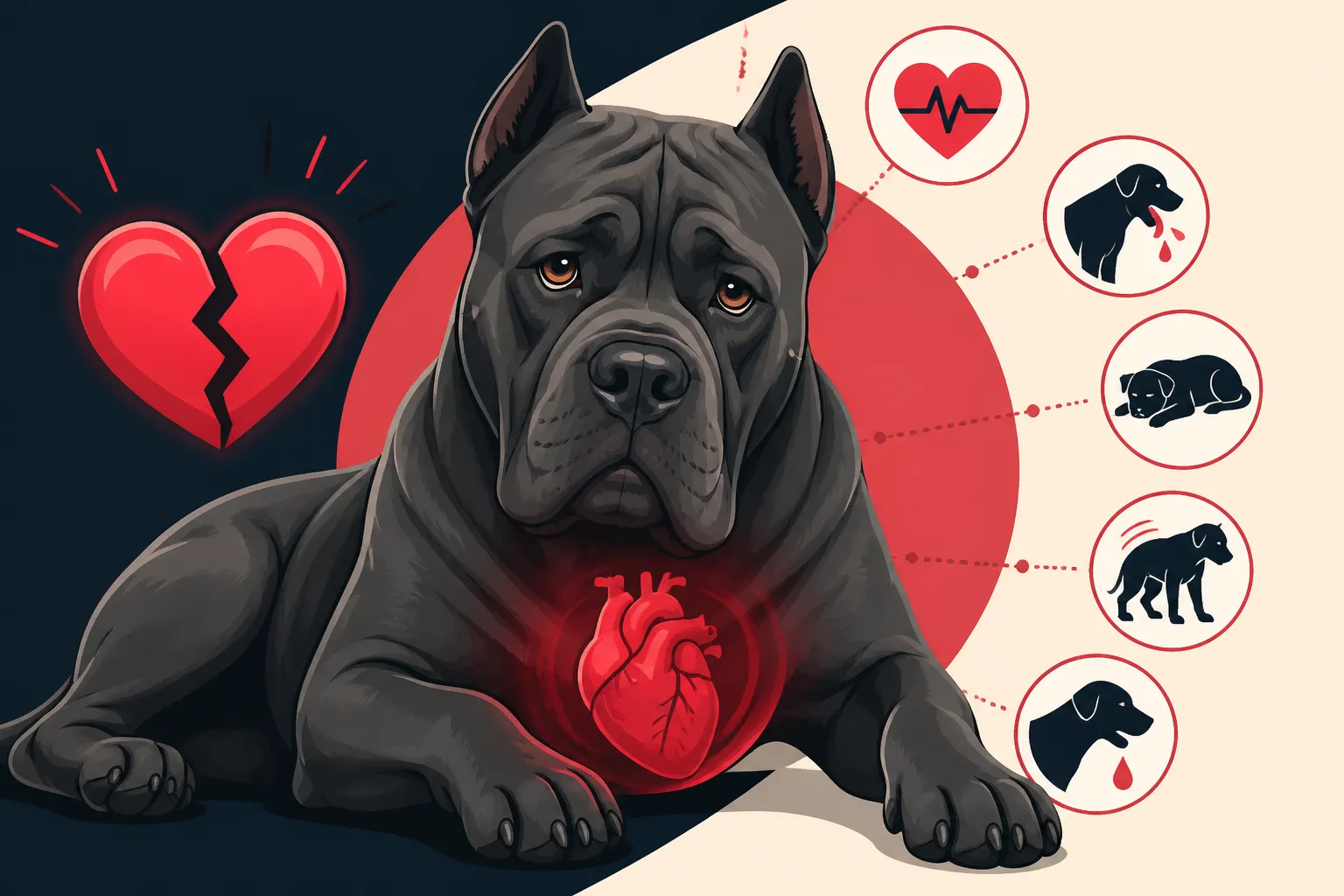
As heart disease progresses in a Cane Corso, the signs often become more pronounced and alarming, moving beyond subtle changes to clear indicators of significant distress. These advanced symptoms demand immediate veterinary attention, as they often point to a critical stage of cardiac compromise.
Swelling or Fluid Accumulation
One of the more obvious signs of advanced heart failure is the accumulation of fluid in various parts of the body. This is commonly seen as swelling in the abdomen, a condition called ascites. Your Cane Corso's belly might look distended and feel taut, even if they haven't eaten much. This happens because the right side of the heart is struggling to pump blood effectively, causing fluid to back up and leak into the abdominal cavity. It's not just "getting a potbelly"; it's a medical issue signifying serious fluid retention.
Less commonly, but equally concerning, you might notice swelling in their legs or paws (peripheral edema). This can make their limbs appear puffy and feel cool to the touch. These forms of fluid retention are direct consequences of the heart's inability to maintain proper circulation and pressure, signifying that the disease has progressed significantly. It's a clear visual cue that their body is struggling to manage its internal fluid balance.
Fainting or Collapse
If your Cane Corso suddenly collapses or faints, it's an emergency that warrants immediate veterinary care. This phenomenon, known as syncope, occurs when there's a sudden, temporary reduction in blood flow to the brain. It might look like they suddenly lose all strength, fall to the ground, and may even have a brief period of unconsciousness, sometimes accompanied by paddling or twitching. They usually recover within a minute or two, but the underlying cause is extremely serious.
Syncope often happens during or after exertion, excitement, or even during a coughing fit. While terrifying to witness, it's a stark warning sign that their heart is intermittently failing to supply enough oxygenated blood to the brain, which can be due to severe arrhythmias or other profound cardiac issues. This is not something that can wait; they need to see a vet right away to determine the cause and stabilize them.
Pale Gums and Cool Extremities
Checking your Cane Corso's gums can provide a quick, though not definitive, indicator of their circulatory health. Healthy gums should be a healthy pink color, similar to human gums, and when you press them gently, the color should return almost immediately (capillary refill time). If your Cane Corso's gums appear pale, whitish, or even bluish (cyanotic), it's a serious sign of poor circulation and inadequate oxygenation, which can be a direct result of severe heart failure.
Similarly, if you feel their paws or ears and they are unusually cool to the touch, it can also point to poor blood flow. When the heart is failing, the body prioritizes blood flow to vital organs, sometimes at the expense of extremities. These signs, especially in conjunction with other symptoms, signal a critical situation where the heart is no longer able to effectively circulate blood to meet the body's demands, and your Cane Corso needs urgent medical intervention.
What to Do If You Suspect Heart Failure
Realizing your Cane Corso might be suffering from a failing heart is incredibly distressing. The good news is that advancements in veterinary medicine mean that early diagnosis and appropriate management can significantly improve their quality of life and even extend their time with you. The key is to act swiftly and knowledgeably.
Immediate Veterinary Consultation
If you've noticed any of the signs we've discussed, whether subtle or advanced, your very first step must be to contact your veterinarian immediately. Don't delay, as heart conditions can progress rapidly. When you call, describe all the symptoms you’ve observed, even the ones you initially dismissed as "just age." Be prepared to provide a detailed history: when symptoms started, how they've changed, what makes them better or worse, and your dog’s current medications and diet.
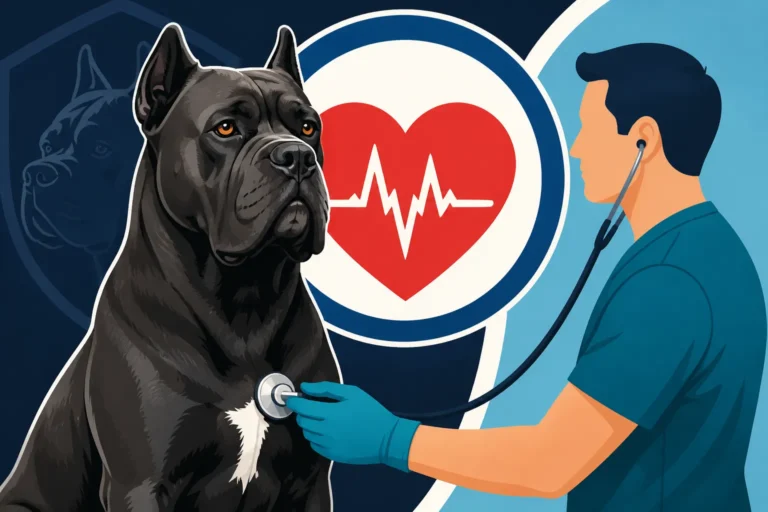
Your vet will likely recommend a thorough cardiac workup. This often includes chest X-rays to assess heart size and lung fluid, an echocardiogram (an ultrasound of the heart) to visualize the heart's structure and function, and an electrocardiogram (ECG) to check for abnormal heart rhythms. They might also run blood tests to check for underlying conditions or organ function. Getting to the bottom of "When a Cane Corso Needs an Echocardiogram()" is crucial for a definitive diagnosis.
Managing Heart Disease and Improving Quality of Life
Once a diagnosis of heart failure is confirmed, your veterinarian, often in consultation with a veterinary cardiologist, will develop a treatment plan tailored to your Cane Corso's specific condition and stage of disease. The goal is to manage symptoms, slow the progression of the disease, and enhance their comfort and quality of life.
Treatment typically involves a combination of medications. Diuretics, like Furosemide, are commonly prescribed to help remove excess fluid from the lungs and body, easing breathing and reducing swelling. ACE inhibitors (e.g., Enalapril, Benazepril) help relax blood vessels and reduce the workload on the heart. Pimobendan is a crucial drug that improves the heart's pumping ability and dilates blood vessels. Depending on the specific condition, other medications, such as anti-arrhythmics or beta-blockers, might also be used.
Beyond medication, dietary modifications, such as a low-sodium diet, are often recommended to help manage fluid retention. Activity restrictions might be necessary, meaning shorter, calmer walks instead of strenuous play. While this can be a big adjustment, it’s about preserving their energy and minimizing strain on their heart. This long-term care can be quite an investment, with regular vet visits, diagnostic rechecks, and ongoing medication costs. This is where something like pet insurance from Healthy Paws can be a literal lifesaver, helping to cover a significant portion of these expenses and allowing you to focus on providing the best possible care for your Cane Corso without feeling overwhelmed by financial stress. Many owners find that Healthy Paws plans offer comprehensive coverage that truly supports them through chronic conditions. Thinking about Yearly Bloodwork on an Adult Cane Corso is a great habit to get into, as early detection from routine checks can truly save you stress and expense down the line.
| Symptom Category | Specific Signs You Might See | Potential Cardiac Explanation | Urgency Level |
|---|---|---|---|
| Energy & Exercise | Lethargy, tiring easily, reluctance to play/walk | Reduced oxygen delivery to muscles due to poor heart pump | Moderate |
| Difficulty with stairs, slower recovery | Heart struggling to meet increased demand during exertion | Moderate | |
| Breathing | Persistent cough, especially at night/after exertion | Fluid in lungs (pulmonary edema) from left-sided heart failure | High |
| Increased resting respiratory rate, panting at rest | Lungs working harder to compensate for fluid/poor oxygenation | High | |
| Appetite & Weight | Reduced appetite, disinterest in food | Nausea, general malaise, metabolic changes (cardiac cachexia) | Moderate |
| Unexplained weight loss, visible ribs | Muscle wasting and poor nutrient absorption | Moderate | |
| Fluid Accumulation | Swollen abdomen (ascites) | Fluid retention from right-sided heart failure | High |
| Swelling in legs/paws (edema) | Poor circulation and fluid backup | High | |
| Circulation | Fainting, collapse (syncope) | Temporary lack of blood flow to the brain | Emergency |
| Pale or bluish gums, cool extremities | Severe lack of oxygen/poor blood flow | Emergency |
Navigating a heart condition with your Cane Corso is a journey, and you're not alone. With a proactive approach, close collaboration with your veterinarian, and the right support, you can ensure your loyal companion enjoys their remaining years with comfort and dignity. Don’t forget to check out articles like Heart Disease in a Middle Aged Cane Corso for more information on specific challenges during this life stage, or even consider if a The Murmur a Cane Corso Puppy Is Born With was ever detected, as some issues can have early origins. Having a good pet insurance plan, such as one from Healthy Paws, can provide immense peace of mind, covering diagnostics and ongoing treatments, ensuring that financial concerns don't stand in the way of your Cane Corso receiving the best possible care. This allows you to say yes to more treatment options without added stress, truly embodying what it means to be a responsible and loving owner.
Disclaimer
This article is for general informational purposes only and does not constitute professional advice. Laws, prices and regulations vary by location and change over time. Consult a qualified professional for guidance on your specific situation.