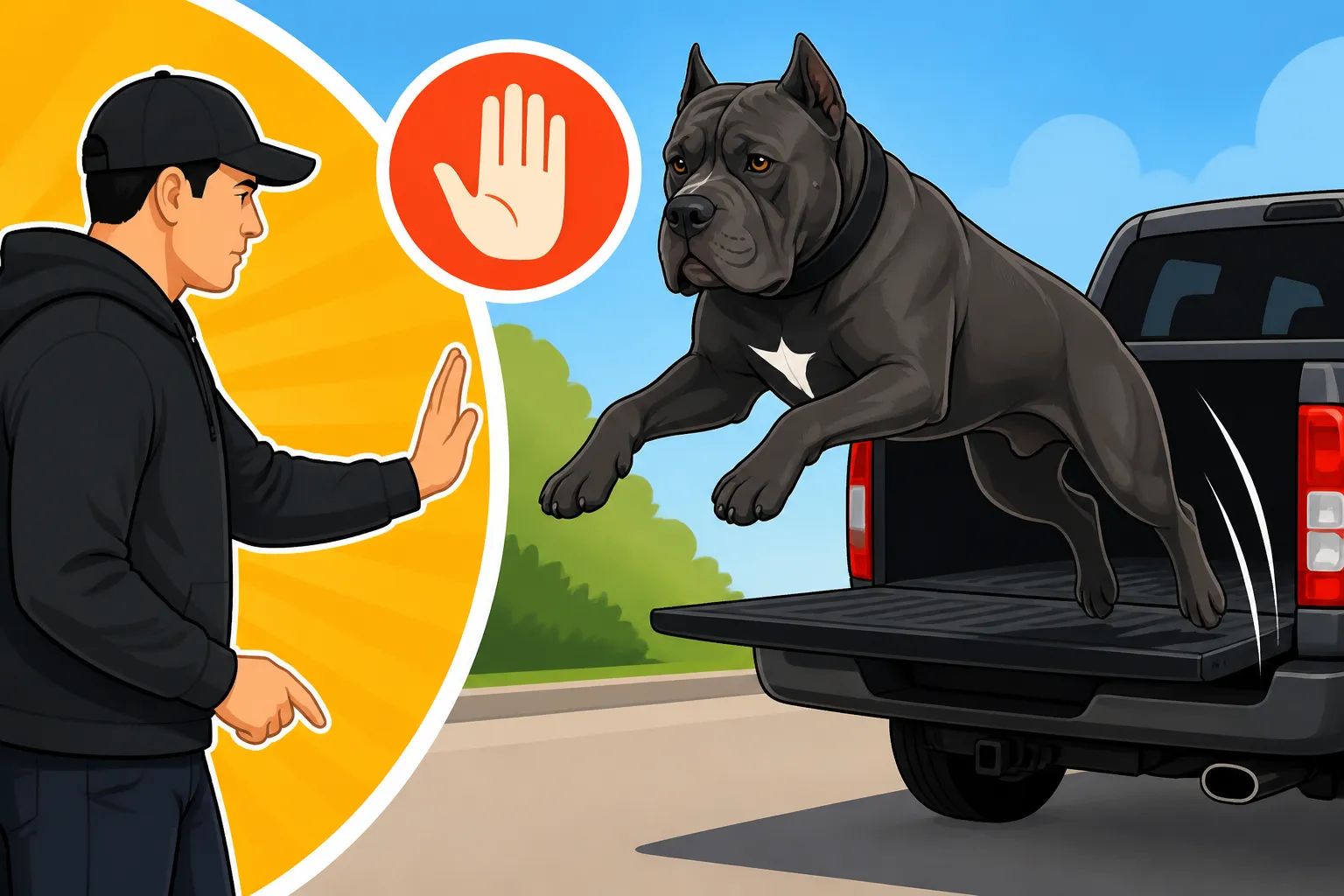
Teaching a Cane Corso Not to Leap From the Truck
It’s a heart-stopping moment many Cane Corso owners have experienced: your big, powerful dog, in a burst of excitement, leaps from the back of your truck or SUV without a moment's hesitation. This seemingly harmless act, often fueled by their eagerness to get to the next adventure, carries significant risks for their heavy joints and overall well-being. This guide will walk you through understanding why your Cane Corso might be making these risky jumps and provide clear, actionable strategies to teach them safer, controlled entry and exit habits, safeguarding their health for years to come.
Understanding the Risks of a Cane Corso Leaping from a Truck
That sudden drop from the bed of a pickup or the cargo area of an SUV isn't just a jolt; it's a high-impact event that can wreak havoc on your Cane Corso's impressive, yet vulnerable, skeletal system. These are massive dogs, built for strength, but their size also means their joints endure immense stress with every jump, especially uncontrolled ones. It's not just a matter of "they'll be fine"; repeated or single bad landings can lead to serious, long-term health complications that no owner wants to face.
The Immediate and Acute Dangers
When a Cane Corso launches itself from a vehicle, the force of their landing is substantial. Think about a 100-plus pound animal hitting the ground from a height of two to three feet. That impact isn't evenly distributed; it often concentrates on their front legs and spine.
- Sprains, Strains, and Tears: The sudden force can cause ligaments and tendons to stretch or tear. A common culprit in large breeds is a cruciate ligament tear, which can mean extensive surgery and a long recovery. Imagine your normally robust Cane Corso suddenly favoring a leg, or worse, unable to put weight on it at all. These aren't minor injuries, and they often require immediate veterinary intervention.
- Fractures and Dislocations: While less common, especially in strong, healthy dogs, a particularly awkward landing on uneven ground or a twisted limb can lead to bone fractures or joint dislocations. These are excruciatingly painful and often involve complex surgical repairs, followed by weeks or months of strict rest and rehabilitation. The sheer size of a Cane Corso makes managing these types of injuries incredibly challenging, both physically and financially.
- Spinal Trauma: The spine is designed to absorb shock, but not to this degree repeatedly. A jarring landing can lead to disc compression or even herniation, particularly in the neck or lower back. This could manifest as sudden pain, weakness, or even paralysis in severe cases, profoundly impacting their quality of life.
Long-Term Consequences for Joint Health
Beyond the immediate crisis, every uncontrolled leap adds wear and tear to your Cane Corso's joints, accelerating the onset or worsening of degenerative conditions. Giant breeds like the Cane Corso are already predisposed to certain orthopedic issues, and activities like jumping only exacerbate them.
- Accelerated Arthritis: Each hard landing contributes to the breakdown of cartilage in the joints, particularly in the hips, elbows, and shoulders. Over time, this leads to painful inflammation and the development of osteoarthritis. Managing arthritis in a hundred pound Cane Corso can become a lifelong commitment of medication, supplements, and physical therapy, all aimed at pain relief and maintaining mobility. Early prevention is truly the best medicine here.
- Worsening Dysplasia: If your Cane Corso is genetically predisposed to conditions like hip dysplasia in a fast growing Cane Corso or elbow dysplasia and a Cane Corso's front end, uncontrolled jumping can significantly worsen these conditions. The impact can cause further malformation or degeneration of the joint, leading to earlier and more severe symptoms, and potentially necessitating costly and invasive procedures like hip replacement surgery. Many responsible breeders work hard to screen for these issues, but environmental factors, like how a dog exits a vehicle, play a huge role in how these genetic predispositions manifest.
- Chronic Pain and Reduced Mobility: Over time, the cumulative damage can lead to chronic pain that limits your Cane Corso's ability to run, play, and even walk comfortably. A dog that once bounded with joy might become hesitant, stiff, or even irritable due to constant discomfort. This not only diminishes their quality of life but can also impact their temperament and willingness to engage in activities they once loved.
Considering these potential issues, it's clear that teaching a Cane Corso not to leap from the truck isn't just about good manners; it's a fundamental part of responsible ownership, akin to understanding The Nine Year Median Behind a Cane Corso's Lifespan and doing everything you can to ensure they live a full, comfortable life.
Why Your Cane Corso Jumps and How to Stop It
It's easy to get frustrated when your big, powerful Cane Corso insists on launching itself from the vehicle, but understanding why they do it is the first step toward changing the behavior. Most often, it's not defiance; it's a combination of excitement, lack of clear guidance, and a natural tendency to just go. The good news is, with consistency and the right approach, you can re-teach them a safer way to exit.
The Motivation Behind the Leap
For a Cane Corso, the world outside the truck is an exciting place. They're often driven by a strong desire to explore, protect, or simply greet you.
- Excitement and Impatience: Your Cane Corso loves adventure, or perhaps just seeing you after a short absence. When the door opens, their natural instinct is to immediately join the action. They're not thinking about the physics of the fall or the strain on their joints; they're thinking "playtime!" or "hello!" This surge of adrenaline overrides any caution.
- Lack of Clear Boundaries and Training: Often, dogs leap because they've never been taught an alternative. If they've always been allowed or even encouraged to jump out, they see it as the correct way to exit. We, as owners, inadvertently reinforce this by not setting clear expectations. Without a specific cue like "wait" or "step," and without a reward for performing that cue, the dog defaults to their most exciting option. This is where The Training Bill a Cane Corso Owner Cannot Skip comes in handy, ensuring you have the resources to teach crucial behaviors.
- Breed's Physical Prowess: Cane Corsos are incredibly athletic and strong. For them, a two-foot drop might seem trivial, especially when they're young and their bodies are resilient. They have powerful hindquarters designed for propulsion, making leaping feel natural and easy. However, this natural ability belies the damage it can cause over time.
Training Strategies for a Controlled Exit
Retraining this behavior requires patience, consistency, and positive reinforcement. The goal is to make a calm, controlled exit more rewarding than a frantic leap.
- Lure and Reward: This is often the most effective starting point. With your Cane Corso in the vehicle, open the door just enough for them to see out but not leap. Have a high-value treat ready.
- Introduce a "Wait" Cue: Before you even open the door fully, ask your dog to "Wait." If they remain still for even a second, reward them. Gradually increase the duration.
- Controlled Descent: Once they understand "wait," open the door fully. Hold the treat near their nose and lure them to place one paw on the ground (or a ramp/step). Mark and reward.
- Step-by-Step: Continue luring them down one step or paw at a time, rewarding each correct movement. The key is to break it down into tiny, achievable steps. If they try to leap, gently close the door or block them, say "oops," and try again. Don't scold, just prevent the unwanted behavior and reset.
- Practice Makes Perfect: Do this frequently, even when you're not going anywhere. The more repetitions, the stronger the new habit becomes.
- Verbal Cues for Precision: Introduce clear verbal cues. "Wait" before they exit, and then a release cue like "Okay" or "Break" when it's safe to come down. You can also teach a specific "Back" cue if you need them to reposition in the vehicle. The goal is for them to hold their position until you give the command to move. This builds fantastic impulse control, which is vital for a breed of this size and strength. It's similar to teaching them The Place Command That Saves a Cane Corso Household or how to Teaching a Cane Corso to Hold a Place Cot – giving them a specific, safe action to perform.
- Using a Leash: A leash is an invaluable tool, especially in the beginning. Attach the leash before opening the door. This gives you physical control if they try to bolt. Hold the leash firmly but gently, guiding them through the steps you want. It's not about yanking; it's about prevention and gentle guidance. This also reinforces good Leash Manners Before a Cane Corso Hits Ninety Pounds.
Remember, your Cane Corso wants to please you, but their excitement can be overwhelming. Keep training sessions short, positive, and consistent. Every family member who interacts with the dog around the vehicle should follow the same rules to avoid confusion.
Essential Equipment for Safe Vehicle Entry and Exit
For a Cane Corso, gravity is not always their friend, especially when jumping from heights. To truly protect their joints and prevent injuries, relying solely on training might not be enough. The right equipment can be a game-changer, providing a safe and controlled way for your large dog to get in and out of vehicles. It's an investment in their long-term health and your peace of mind.
Vehicle Ramps: A Joint-Saving Solution
A dedicated pet ramp is arguably the best investment for any Cane Corso owner, particularly if you have an SUV, truck, or even a vehicle with a slightly higher step-in. These ramps eliminate the high-impact jump entirely, allowing your dog to walk in and out at a gentle incline.
- Types of Ramps:
- Telescoping Ramps: These slide into themselves for compact storage. They're often lightweight aluminum or plastic and can be extended to various lengths, making them versatile for different vehicle heights. Brands like PetSafe and Solvit offer sturdy telescoping options.
- Folding Ramps: These typically fold in half or in three sections, making them easy to store flat. They're generally robust and often have high traction surfaces.
- Bi-fold/Tri-fold Ramps: Similar to folding ramps, these offer different folding configurations for specific storage needs.
- Key Features to Look For:
- Length and Incline: For a Cane Corso, you want a ramp long enough to create a gentle incline, not a steep climb. A longer ramp means less strain. Aim for at least 70-80 inches for most trucks and taller SUVs.
- Weight Capacity: This is non-negotiable for a Cane Corso. Ensure the ramp is rated for at least 200-250 pounds to comfortably support their weight. Check the manufacturer's specifications carefully.
- Traction Surface: A non-slip surface is critical, especially in wet weather. Look for sandpaper-like textures, rubberized grips, or raised treads to prevent slips and falls.
- Stability: The ramp should feel solid and secure when attached to your vehicle. Many have rubber feet or a lip that rests on the bumper to prevent shifting.
- Training with a Ramp: Introduce the ramp slowly and positively.
- On Flat Ground: Start by laying the ramp flat on the ground. Lure your Cane Corso across it with treats and praise. Make it a fun, rewarding experience.
- Slight Incline: Gradually raise one end of the ramp a few inches, repeating the luring and rewarding.
- Vehicle Introduction: Once they are comfortable, attach it to the vehicle. Continue with treats and praise, luring them up and down. Never force them; build confidence.
- Consistency: Use the ramp every single time for vehicle entry and exit. This reinforces the behavior and makes it second nature.
Portable Steps: An Alternative for Lower Vehicles
For vehicles with a slightly lower profile, or for dogs who prefer stepping to walking an incline, portable steps can be a good option. These are typically sturdy platforms that fold out, creating a staircase effect.
- Considerations:
- Height of Steps: Ensure the steps are not too high for your Cane Corso, which could still put strain on their joints. The rise should be comfortable.
- Weight Capacity and Stability: Again, crucial for a large dog. Look for heavy-duty construction.
- Step Surface: Non-slip surfaces are important here too.
- Portability: They should be easy for you to set up and collapse.
Secure Crates and Harnesses for Travel Safety
While not directly about exiting the vehicle, how your Cane Corso travels within it is also important for their overall safety and joint health. A sudden stop or turn can throw an unrestrained dog, leading to injury.
- Travel Crates: A well-secured, appropriately sized crate provides the safest travel option for your Cane Corso. It prevents them from moving around, distracting the driver, or becoming a projectile in an accident. Make sure the crate is large enough for them to stand, turn around, and lie down comfortably, but not so large that they can be jostled excessively. Securing the crate so it doesn't slide or tip is also paramount.
- Safety Harnesses: If a crate isn't feasible, a crash-tested safety harness specifically designed for large breeds can provide a measure of protection. These attach to your vehicle's seatbelt system. While they won't prevent all movement, they significantly reduce the risk of injury in a sudden stop or collision. Brands like Kurgo and Sleepypod offer highly-rated options.
Choosing the right combination of equipment and training not only protects your Cane Corso from acute injuries but also contributes to their long-term well-being, potentially preventing conditions that could lead to extensive vet bills. Having pet insurance, like a plan from Healthy Paws, can be incredibly helpful should an unexpected accident or illness occur, even with all these preventative measures in place.
Here’s a quick comparison of common ramp types:
| Ramp Type | Pros | Cons | Best For |
|---|---|---|---|
| Telescoping Ramp | Compact storage, adjustable length, often lightweight | Can pinch fingers if not careful, some feel less sturdy | SUVs, vans, truck beds with varying bumper heights |
| Folding Ramp | Sturdy, good traction, easy to set up | Can be bulky when folded, less adjustable in length | Consistent vehicle use, larger storage spaces |
| Portable Steps | Easy for dogs to navigate, good for hesitant dogs | Limited to lower vehicles, can be heavy, takes up space | Shorter SUVs, cars, dogs uncomfortable with inclines |
No matter which equipment you choose, introduce it positively and consistently. Your Cane Corso's health is worth every effort, and proactive measures now can prevent a lifetime of pain and expenses down the road. Remember, even with the best equipment and training, accidents can happen, and having robust pet insurance, perhaps through a provider like Healthy Paws, can offer immense peace of mind.
Consistency, Patience, and Troubleshooting for Lasting Success
Teaching your Cane Corso not to leap from the truck isn't a one-and-done training session. It's a commitment that requires daily reinforcement, a unified approach from everyone in the household, and the ability to troubleshoot when things don't go exactly as planned. Remember, you're not just teaching a trick; you're instilling a safe habit that will protect their powerful body for their entire life.
The Power of Routine and Repetition
For a large, intelligent breed like the Cane Corso, consistency is the bedrock of successful training. They thrive on routine and clear expectations.
- Daily Practice, Short Sessions: Don't wait until you're actually going somewhere to practice. Set aside a few minutes each day, even if it's just in your driveway, to practice safe entry and exit. Short, frequent sessions are far more effective than long, infrequent ones. Five minutes twice a day will yield better results than a half-hour session once a week. Each successful, calm exit, especially down a ramp or steps, reinforces the desired behavior.
- Involve Everyone in the Household: Every person who ever takes your Cane Corso in or out of a vehicle must use the same cues, the same equipment, and the same process. If one person allows them to jump, it undermines all the hard work you've put in. Hold a family meeting, demonstrate the technique, and ensure everyone is on the same page. Children, if old enough to handle the dog safely, should also be taught how to assist with the ramp or give the "wait" command.
- Make it a Non-Negotiable Habit: The ramp or steps should become the only way your Cane Corso enters and exits the vehicle. Just like you wouldn't let them bolt out the front door without permission, they shouldn't be allowed to freely jump from the car. This consistency will eventually make the ramp a natural extension of the vehicle for them. This level of structure is key for a guardian breed and is reflective of the kind of The Structure a Cane Corso Needs Every Single Day.
Troubleshooting Common Challenges
Even with the best intentions, you might hit a snag or two. Don't get discouraged; these are common and can be overcome.
- Reluctance to Use the Ramp/Steps: Some dogs are hesitant or even fearful of new equipment.
- Go Back to Basics: If your Cane Corso refuses the ramp, start again on flat ground. Make it exceptionally fun and rewarding with high-value treats and praise. You can even smear some peanut butter on the ramp to encourage them to interact with it.
- Confidence Building: Walk across the ramp yourself if it's sturdy enough, or have another confident dog demonstrate. Sometimes seeing you or a canine buddy use it helps.
- Patience is Key: Never force your dog onto the ramp. This will only create negative associations. Take as much time as they need. If they are truly fearful, break the training down into even smaller steps, rewarding for simply sniffing the ramp, then putting a paw on it, and so on.
- Still Trying to Leap Around the Ramp: This usually indicates either residual excitement or a lack of understanding of the "wait" cue.
- Tighten Up the "Wait": Reinforce the "wait" command before the door even fully opens. If they break the wait, immediately close the door or gently block them, then ask for the wait again. Only proceed when they are calmly holding their position.
- Leash Control: Keep them on a leash until they consistently use the ramp. The leash is there as a safety backup to prevent the leap, not to yank or punish. Gently guide them onto the ramp if they try to jump past it.
- Increase Rewards: Are your treats exciting enough? Sometimes, an extra tasty morsel can really motivate a Cane Corso to comply, especially when overcoming a strong habit.
- The "I'm Too Big to Be Lifted" Argument: While some small dogs can be lifted, lifting a Cane Corso is not a viable or safe long-term solution. Not only is it dangerous for your back, but it can also be unsafe for the dog if you lose your grip. This is precisely why ramps are so important. If you’re struggling with their size for other reasons, it might be worth considering Helping an Old Cane Corso Off the Floor strategies for future reference, but for vehicle entry, invest in the ramp.
- Anxiety in the Car: If your Cane Corso is overly anxious or excited in the car, addressing that underlying issue can help with controlled exits. Sometimes, a long, relaxing walk before a car trip can burn off excess energy. Consider enrichment toys in the crate to keep them calm.
Remember, the goal is to create a habit of safe, controlled entry and exit that protects your Cane Corso's joints and prevents injuries. This proactive approach not only keeps them healthier but can save you significant emotional distress and veterinary costs down the line. Even with the best preparation, unforeseen accidents can happen, and having a reliable pet insurance plan, such as one from Healthy Paws, can be a true lifesaver for unexpected medical emergencies.
Disclaimer
This article is intended for informational purposes only and does not constitute veterinary advice. Always consult with a qualified veterinarian for any health concerns or before making any decisions about your Cane Corso's care, diet, or training.