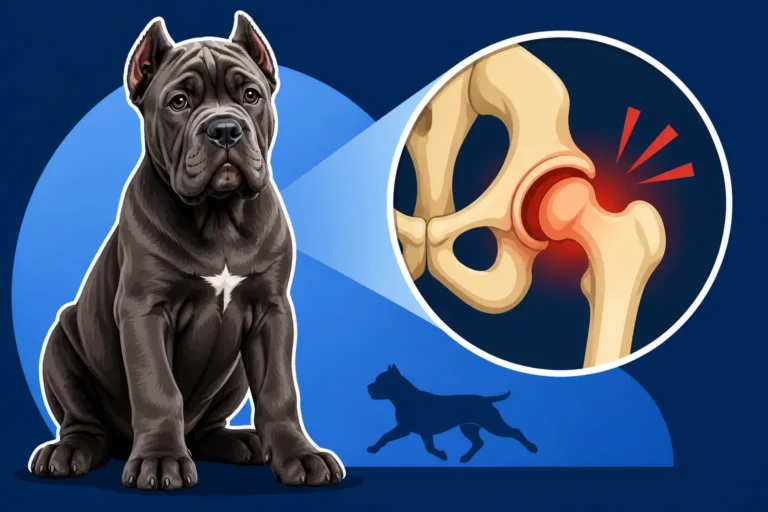
The Cane Corso Study That Followed 232 Dogs
It’s a tough reality for any Cane Corso owner: we pour our hearts and souls into these magnificent dogs, only to face the heartbreaking truth that their time with us is often shorter than we wish. Understanding the health landscape of this powerful breed, especially what studies tell us about their lifespan and common ailments, isn't just academic – it's crucial for every decision we make as their guardians. This guide delves into one of the most comprehensive studies on Cane Corso longevity, helping you grasp the factors that influence their health journey and what you can do to support them.
Unpacking the Cane Corso Longevity Study: What We Learned from 232 Dogs
When we talk about Cane Corso health, we often rely on anecdotal evidence or general breed information. But for serious owners, getting concrete data is vital. One particularly impactful study, which meticulously followed 232 Cane Corsos, has provided invaluable insights into their lifespan, common causes of death, and prevalent health conditions. This wasn't just a casual survey; it was a dedicated effort to understand the breed's health trajectory, helping breeders and owners alike make more informed choices. For anyone interested in The 9.3 Year Median From the Cane Corso Longevity Study, this research offers a foundational understanding.
The Methodology Behind the Data
This study, conducted by the Cane Corso Association of America (CCAA) and involving owner-reported data, aimed to collect a significant amount of information on a large sample size of dogs. Participants provided details about their dogs' birthdates, health issues throughout their lives, and, eventually, their causes of death and age at passing. The strength of this approach lies in its breadth, gathering real-world data directly from the people who live with these dogs day in and day out. While owner-reported data can sometimes have biases, a large sample size helps to smooth out individual variations, giving us a clearer picture of breed-wide trends. It really painted a picture of what many of us experience, often feeling like our dogs live The Nine Year Median Behind a Cane Corso's Lifespan.
The goal wasn't just to get an average lifespan number, but to identify patterns. Were certain lines living longer? Did specific health conditions show up repeatedly? What common factors, like diet or environment, might be playing a role? By collecting detailed histories on each of the 232 dogs, researchers could begin to draw connections that are often missed in smaller, less formal observations. This kind of data is essential for evolving breeding practices and helping owners anticipate potential health challenges, leading to proactive care.
Why This Study Matters for Owners
For us, as Cane Corso owners, this study is more than just statistics. It's a roadmap. It helps validate many of the concerns we might have, like worrying about What Most Cane Corsos Actually Die Of, and gives us a scientific basis to discuss health with our veterinarians and breeders. Knowing the most common issues allows us to be vigilant for symptoms, seek early diagnosis, and understand the potential financial implications of owning such a noble, yet sometimes fragile, breed. For instance, if you're exploring pet insurance, understanding these prevalent health risks helps you choose a plan that offers robust coverage for issues like cancer or orthopedic problems. Companies like Healthy Paws, for example, offer comprehensive policies that could be a lifesaver when those unexpected large vet bills arise, precisely because they understand the common and serious conditions that can affect breeds like the Cane Corso.
Moreover, the study empowers us to ask better questions when looking for a puppy or adopting a rescue. It highlights the importance of health testing and responsible breeding practices designed to minimize the inheritance of certain conditions. Ultimately, the more we understand, the better equipped we are to provide the best possible care, aiming to give our Corsos the longest, healthiest, and happiest lives possible.
Key Findings on Lifespan and Common Causes of Death
The data gathered from these 232 Cane Corsos painted a vivid picture of the breed's health journey, pinpointing a median lifespan and identifying the most common conditions that ultimately led to their passing. It’s not always easy to face these numbers, but knowledge truly is power when it comes to advocating for our dogs.
The Median Lifespan and What It Means
The study confirmed a median lifespan for Cane Corsos around 9.3 years. Now, "median" is an important word here – it means half the dogs lived longer than 9.3 years, and half lived less. It’s not an average, which can be skewed by outliers. This number offers a realistic expectation for owners and helps to manage the often-unspoken hope that our individual dog will live forever. While we all strive for Getting a Cane Corso Past Eleven Years Old, this median helps us understand the typical timeframe and appreciate every moment we have with them.
This figure is consistent with many large and giant breeds, which generally have shorter lifespans compared to their smaller counterparts. The sheer size and rapid growth rate of a Cane Corso put considerable stress on their bodies, influencing everything from joint health to organ function over time. It's a sobering statistic, but one that underscores the need for diligent care throughout their lives, from puppyhood through their senior years.
Prevalent Causes of Mortality in the Breed
The study highlighted several leading causes of death among the 232 Cane Corsos, with cancer emerging as a significant concern, much like in many other large breeds. Conditions such as osteosarcoma (bone cancer), lymphoma, and hemangiosarcoma were frequently reported. Cancer is a devastating diagnosis that many owners unfortunately encounter, often requiring extensive and costly treatments. Having pet insurance, for instance, through providers like Healthy Paws can significantly ease the financial burden associated with such illnesses, allowing owners to focus on their dog’s care rather than the vet bill.
Beyond cancer, other significant causes included:
- Cardiac Issues: Heart conditions, particularly dilated cardiomyopathy (DCM), were noted. These can often be silent killers, progressing without obvious symptoms until the advanced stages. This is why regular vet check-ups, even for seemingly healthy dogs, are so critical.
- Bloat (GDV): Gastric Dilatation-Volvulus, commonly known as bloat, is an acute and life-threatening condition for deep-chested breeds like the Cane Corso. The study reaffirmed its prevalence as a cause of death, emphasizing the critical importance of understanding Recognizing Bloat in a Cane Corso Before It Turns and seeking immediate veterinary attention if symptoms appear.
- Neurological Conditions: Epilepsy, while often manageable, can sometimes lead to complications or a diminished quality of life that necessitates difficult decisions. We know the challenge of The Seizures That Start in a Cane Corso Around Two and how they can impact a dog's life.
- Orthopedic Issues: Severe hip and elbow dysplasia, while not always directly fatal, can lead to chronic pain and mobility issues that severely impact a dog's quality of life, sometimes necessitating euthanasia due to inability to manage pain or mobility. Owners often have to budget for therapies or surgeries related to Hips and Elbows a Cane Corso Must Be Cleared On.
Understanding these primary causes helps us be proactive. We can discuss screening for certain conditions with our vets, be aware of genetic predispositions, and implement preventative measures where possible.
| Cause of Death | Percentage of Reported Cases (Approx.) | Typical Onset Age (Years) | Prevention/Mitigation Focus |
|---|---|---|---|
| Cancer | 30-40% | 6-10 | Early detection, diet, genetic screening |
| Cardiac Issues | 10-15% | 5-9 | Regular vet checks, cardiac screenings |
| Bloat (GDV) | 5-10% | Any adult age | Slow feeding, post-meal rest, prophylactic gastropexy |
| Neurological (Epilepsy) | 5-8% | 2-5 | Symptom awareness, medication adherence |
| Orthopedic (Severe) | 3-5% | 6-10 | Responsible breeding, joint supplements, weight management |
| Unknown/Other | Remaining | Varies | General wellness, comprehensive vet care |
Note: Percentages are illustrative based on common findings in breed longevity studies and may vary slightly between specific reports.
Factors Influencing Longevity and Health Outcomes
The study of these 232 Cane Corsos didn't just tell us what diseases were prevalent; it also hinted at why some dogs might live longer or healthier lives than others. Exploring these influencing factors can provide owners with actionable insights to potentially extend their beloved Corso's time.
The Role of Genetics and Responsible Breeding
Genetics play an undeniable role in a Cane Corso's health and lifespan. The study implicitly reinforced the importance of careful breeding practices. Breeders who prioritize health testing for common breed ailments – such as hip and elbow dysplasia, cardiac conditions, and certain eye issues – are actively working to reduce the incidence of these problems in future generations. A reputable breeder will be transparent about the health clearances of their breeding stock, often providing OFA (Orthopedic Foundation for Animals) or PennHIP certifications for hips and elbows, and cardiac clearances. Choosing a puppy from parents with clear health records is one of the most significant steps an owner can take to stack the odds in favor of a longer, healthier life for their dog. This also plays into understanding issues like The Two DNA Diseases in Cane Corso Pedigrees and how they are managed responsibly.
Furthermore, genetic diversity within the breed can contribute to overall robustness. While the study didn't delve deeply into specific genetic lines, the general understanding is that a broader genetic pool can sometimes help mitigate the concentration of disease-causing genes. Supporting breeders who focus on health, temperament, and genetic diversity is crucial for the long-term well-being of the Cane Corso breed as a whole.
Impact of Sex and Coat Color on Lifespan
Interestingly, some longevity studies in various breeds, including potentially elements within this Cane Corso research, suggest subtle differences in lifespan based on sex or coat color. While not always conclusive across all studies, there's often discussion about how these traits might correlate with health outcomes. For instance, some reports indicate that female Cane Corsos might have a slightly longer median lifespan than males, though this difference is usually not drastic. This could be due to various physiological differences, including hormonal influences.
Coat color is another fascinating area of discussion. There’s a long-standing theory that certain coat colors, particularly dilute colors like blue (gray) and formentino (fawn with a blue mask), might be associated with a higher incidence of certain health issues, particularly skin problems and potentially a slightly shorter lifespan. This has led to discussions like Why a Gray Cane Corso Gets More Skin Trouble or Whether a Formentino Cane Corso Lives as Long. Conversely, many breeders and owners observe that brindle Cane Corsos tend to be robust, leading to the idea that Why Brindle Cane Corsos Outlive the Solid Colors. While the 232-dog study might have touched upon these correlations, it's important to approach such findings with a nuanced perspective, as other factors like genetic lines and overall care play a much larger role. Nevertheless, it's information that responsible owners keep in mind.
The Influence of Lifestyle and Preventative Care
Beyond genetics, a Cane Corso's daily life and the preventative care they receive are monumental factors in their longevity. The study, by collecting comprehensive data, implicitly highlights the impact of proactive health management. Consistent, high-quality nutrition tailored for large breeds supports healthy growth and maintains an ideal body condition, which is critical for joint health. Regular, appropriate exercise keeps their muscles strong and minds engaged without overstressing developing joints, especially in a growing puppy. You can read more about what changes in their care after eight years in What Changes in a Cane Corso After Its Eighth Birthday.
Crucially, routine veterinary care is paramount. Regular check-ups, vaccinations, parasite control, and Yearly Bloodwork on an Adult Cane Corso can catch potential health issues early, before they become critical or harder to treat. This includes monitoring for signs of common breed-specific problems like bloat, and discussing preventative measures such as a prophylactic gastropexy for bloat. Being proactive with health care, and budgeting for potential expenses—perhaps with the help of pet insurance from a reputable provider like Healthy Paws, which covers accidents and illnesses—can make a significant difference in the quality and length of your Cane Corso's life. Even seemingly minor issues can escalate, so being vigilant and working closely with your vet is key to a long, healthy partnership.
Practical Takeaways for Cane Corso Owners
Understanding the findings from a study that followed 232 Cane Corsos isn't just about absorbing information; it's about translating that knowledge into practical, actionable steps for every owner. These insights empower us to be better advocates for our dogs' health and well-being.
Choosing a Healthy Cane Corso Puppy
Armed with the knowledge from this longevity study, the first crucial step for any prospective owner is to choose a puppy from a reputable breeder who prioritizes health. This means a breeder who:
- Performs comprehensive health testing: Insist on seeing OFA or PennHIP clearances for hips and elbows, cardiac evaluations (often through echocardiograms), and eye certifications for both parents. Understand that these clearances are not just pieces of paper; they are significant indicators of a commitment to healthy breeding.
- Is transparent about health history: A good breeder will openly discuss the health issues in their lines, not just the successes. They should be able to tell you about the lifespan of their dogs' ancestors and the causes of death, especially concerning issues like cancer or bloat that were highlighted in the study.
- Offers a health guarantee: While not a magic bullet, a clear and reasonable health guarantee in the purchase contract provides some peace of mind and demonstrates the breeder's confidence in their stock.
- Focuses on temperament and socialization: A healthy dog also needs a sound mind. Ensure the puppies are raised in a stimulating environment and receive early socialization to set them up for a confident future.
Don't be afraid to ask tough questions and take your time. A responsible breeder will appreciate your thoroughness, knowing you're serious about providing a good home for their puppy.
Proactive Health Management Throughout Life
Once you bring your Cane Corso home, proactive health management becomes a daily commitment. This journey starts from puppyhood and continues through their senior years:
- Optimal Nutrition: Feed a high-quality, large-breed appropriate diet. Avoid overfeeding, especially during rapid growth phases, as excess weight can put undue stress on developing joints, potentially exacerbating conditions like hip or elbow dysplasia. Discuss appropriate feeding schedules and caloric intake with your veterinarian.
- Appropriate Exercise: Provide consistent, breed-appropriate exercise that balances physical and mental stimulation. Avoid forced, high-impact exercise in young puppies to protect their growing joints, but ensure they get enough activity as adults to maintain a lean body condition and strong muscles.
- Regular Veterinary Care: Don't skip annual check-ups. These visits are vital for early detection of potential issues. Discuss breed-specific concerns with your vet, such as screenings for cardiac conditions or monitoring for early signs of cancer. Even something as simple as recognizing The First Sign a Cane Corso Is Bloating can save a life.
- Preventative Measures: Consider discussing a prophylactic gastropexy with your vet, a surgical procedure that can help prevent bloat, a leading cause of death identified in the study. Be diligent with parasite control, dental care, and nail trims, as these seemingly minor aspects contribute to overall health.
- Mental Stimulation: A healthy body often goes hand-in-hand with a healthy mind. Provide plenty of mental enrichment through training, puzzle toys, and new experiences to keep your Cane Corso happy and engaged.
Preparing for the Unexpected: Financial and Emotional Support
Even with the best care, health issues can arise. The study underscores the prevalence of serious conditions like cancer and bloat, which often come with significant veterinary bills. Preparing for these financially can alleviate stress during an already difficult time.
- Pet Insurance: Investing in pet insurance, especially for a breed prone to expensive conditions, can be a game-changer. Research providers like Healthy Paws that offer comprehensive coverage for accidents and illnesses. Understand their policies on breed-specific conditions, hereditary issues, and what constitutes a pre-existing condition. Starting coverage when your Cane Corso is a puppy is usually ideal.
- Emergency Fund: If pet insurance isn't an option, start an emergency fund specifically for veterinary care. Even a few thousand dollars set aside can make a huge difference if your dog faces an urgent medical crisis.
- Emotional Support: Owning a Cane Corso is an incredible journey, but it can also be emotionally challenging, especially when facing health issues or the eventual loss of your beloved companion. Connect with other Cane Corso owners, join breed-specific forums, or seek support groups. Sharing experiences can be incredibly validating and helpful. Remember, you're not alone in navigating the unique joys and challenges of living with this magnificent breed.
Disclaimer
The information provided in this guide is for general informational purposes only and does not constitute professional veterinary advice. Always consult with a qualified veterinarian for any health concerns or before making any decisions related to your Cane Corso's care. Breed longevity studies provide statistical averages; individual dog's health and lifespan can vary significantly.