Hip Dysplasia in a Fast Growing Cane Corso
It's incredibly frustrating and heartbreaking to watch your vibrant Cane Corso puppy, full of potential and growing at an astonishing rate, start to show signs of discomfort or lameness. The sheer size and rapid development of these magnificent dogs, while impressive, can unfortunately predispose them to serious health issues, with hip dysplasia being a primary concern. This guide will meticulously break down what hip dysplasia is, why fast growth can be such a huge factor in its development, how to spot the early warning signs, and most importantly, what steps you can take to prevent, diagnose, and manage this challenging condition in your beloved Cane Corso.
Understanding Canine Hip Dysplasia in Cane Corsos
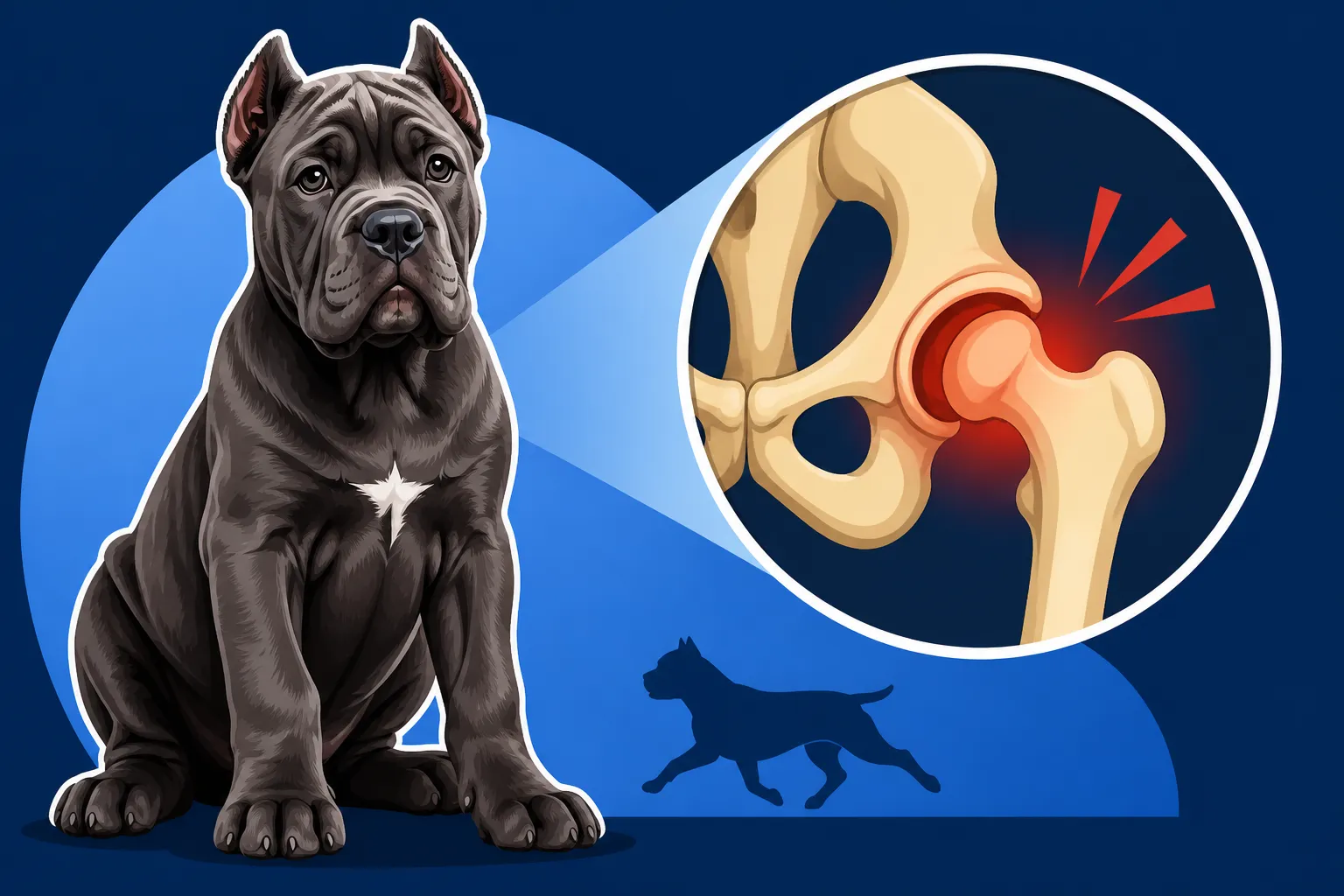
Hip dysplasia is a complex condition that many large and giant breed dogs, including our powerful Cane Corsos, can suffer from. It’s not just a simple ache; it’s a malformation of the hip joint itself, where the ball (femoral head) and socket (acetabulum) don't fit together snugly. Instead of gliding smoothly, they rub and grind, leading to painful wear and tear, inflammation, and eventually degenerative joint disease (osteoarthritis).
The Mechanics of a Dysplastic Hip Joint
Imagine a perfectly matched lock and key – that’s how a healthy hip joint functions. The femoral head, the top of the thigh bone, sits perfectly within the deep, cup-like acetabulum of the pelvis. This allows for fluid, painless motion. In a dysplastic hip, that fit is loose and unstable. The socket might be too shallow, or the femoral head might be flattened, or both. This laxity allows the joint to move improperly, causing the bone and cartilage to degrade over time. It's a progressive disease, meaning it tends to worsen as the dog ages and the joint experiences more stress. The constant abnormal friction leads to remodeling of the bone, formation of bone spurs, and loss of articular cartilage, all contributing to chronic pain and reduced mobility.
Genetic Predisposition and Environmental Factors
While it’s often said that hip dysplasia is genetic, that’s only part of the story, especially with a fast-growing breed like the Cane Corso. Genetics certainly lay the groundwork; certain lines and individual dogs are simply more predisposed due to the genes they inherit that dictate hip conformation. This is why reputable breeders prioritize parent dogs that have been thoroughly screened and cleared for hip health, often through certifications like OFA (Orthopedic Foundation for Animals) or PennHIP. However, genetics aren't destiny in every case. Environmental factors, particularly during the critical rapid growth phase of a Cane Corso puppy, play a monumental role in whether that genetic predisposition actually manifests into clinical hip dysplasia. Factors like diet, exercise, and overall weight management can either exacerbate a genetic weakness or help mitigate it. It’s a delicate balance, and understanding this interplay is crucial for every Cane Corso owner. For more information on what to look for in a puppy's lineage, consider reading about Hips and Elbows a Cane Corso Must Be Cleared On.
The Role of Rapid Growth in Cane Corso Hip Dysplasia
The sheer growth rate of a Cane Corso puppy is astonishing. They transform from small, cuddly bundles into powerful, hundred-pound adults in a relatively short period. While impressive, this rapid development is a double-edged sword when it comes to joint health. The bones, muscles, and ligaments are all growing and changing at an incredible pace, and any imbalance or excessive stress during this critical window can have lasting, detrimental effects on the developing hip joints.
Nutritional Impact on Bone Development
Feeding a fast-growing Cane Corso puppy is not as simple as just giving them more food. In fact, overfeeding, especially with diets high in calories and certain minerals, can be a major culprit in precipitating hip dysplasia. Giant breed puppies require a carefully balanced diet specifically formulated for their unique growth curve. Too much calcium, for instance, can interfere with normal bone development, leading to skeletal abnormalities. Conversely, nutrient deficiencies can also be problematic. The goal isn't to make them grow as fast as possible, but rather to support a slow, steady, and controlled growth rate that allows their bones and joints to mature properly without undue stress. This often means choosing a high-quality large or giant breed puppy food, and adhering strictly to feeding guidelines without overdoing it on supplements unless specifically advised by your vet.
Many owners face the dilemma of feeding their growing giants; it's a common concern that the wrong diet could push their pup towards problems. For a Cane Corso, the ideal diet aims for a lean physique and steady development, not breakneck growth. It’s about supporting healthy bone density and joint cartilage without creating excessive weight or imbalances in crucial nutrients. This often means opting for foods with controlled calcium-to-phosphorus ratios and moderate protein levels, designed to foster a more gradual maturation of their immense skeletal structure.
Over-Exercise and Joint Stress in Puppies
It’s tempting to want to exercise your Cane Corso puppy vigorously, especially given their high energy levels and impressive physique. However, too much high-impact exercise, particularly before their growth plates have closed (typically around 18-24 months), can place immense stress on their still-developing joints and significantly increase the risk of hip dysplasia. Activities like long-distance running, intense jumping, or repetitive stair climbing should be strictly limited or avoided entirely. Puppy playtime should be free-form, gentle, and self-regulated, allowing them to rest when they need to. The goal is appropriate, controlled exercise that builds muscle and coordination without damaging fragile growth plates or putting excessive torque on the hip joints.
Think of a young Cane Corso’s joints as wet clay – easily molded and damaged if too much pressure is applied. While exercise is vital for muscle development, which helps stabilize joints, it needs to be the right kind. Short, supervised play sessions on soft surfaces, gentle walks, and controlled leash training are far more beneficial than marathon runs or agility drills. Even seemingly innocuous activities like repeatedly jumping off furniture or scaling stairs can contribute to microtraumas that compound over time. Understanding Why Stairs Matter for a Cane Corso Puppy's Joints is a crucial part of preventing long-term damage.
Maintaining a Lean Body Condition
One of the most impactful things you can do to protect your Cane Corso's hips, both as a puppy and throughout adulthood, is to maintain a lean body condition. Extra weight, even a few pounds, significantly increases the load on the hip joints, accelerating the wear and tear associated with dysplasia. Every pound of excess weight translates to multiple pounds of pressure on joints during movement. It's a simple physics problem that can have devastating consequences for a breed prone to hip issues. Keeping your Cane Corso at a healthy, lean weight allows their joints to function with less stress, reduces inflammation, and can dramatically slow the progression of osteoarthritis. This means diligently monitoring their food intake, measuring meals accurately, and ensuring they get appropriate, controlled exercise. Regular body condition scoring, where you can easily feel their ribs without seeing them, is a good indicator. To learn more about how weight impacts joint health, check out What Extra Weight Does to a Cane Corso's Hips.
Recognizing the Early Signs of Hip Dysplasia
Detecting hip dysplasia early in a Cane Corso puppy or young adult can be challenging because the signs can be subtle, intermittent, or even attributed to "growing pains." However, being vigilant and knowing what to look for can make a huge difference in managing the condition and improving your dog's quality of life. Don't dismiss a slight limp or a change in gait as just part of puppy clumsiness.
Subtle Behavioral and Movement Indicators
Sometimes, the first signs of hip dysplasia aren't overt lameness but rather subtle shifts in behavior or movement. You might notice your Cane Corso puppy showing a reluctance to engage in activities they once enjoyed, like playing fetch or going for longer walks. They might seem stiff after resting, especially upon waking, and take a few minutes to "warm up." A classic, though not always present, sign is the "bunny hop" gait, where they move both hind legs simultaneously when running, almost like a rabbit. They might also shift their weight forward to alleviate pressure on their hips, leading to an exaggerated shoulder and chest development compared to their hindquarters. Pay close attention to how they get up from a lying position, how they climb stairs, or even how they interact with other dogs in play. Early detection is key, and understanding Signs a Cane Corso's Hips Are Starting to Go can empower owners to seek veterinary advice sooner.
Owners often report a general "slowness" or a decrease in their dog's usual enthusiasm. A young Cane Corso should be a powerhouse of energy, and any persistent reluctance to move or play should raise a red flag. They might sit or lie down in unusual positions to find comfort, or even hesitate before getting into a car or jumping onto a couch. These minor changes, when viewed cumulatively, can paint a clear picture of underlying discomfort.
Overt Lameness and Pain Responses
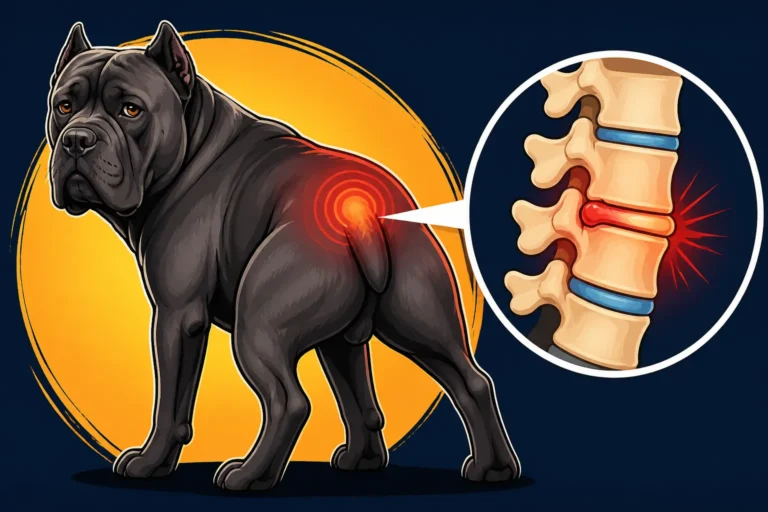
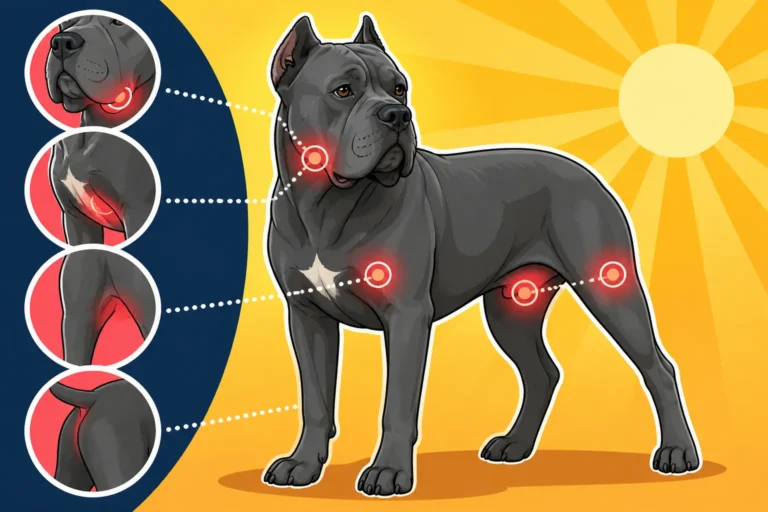
As hip dysplasia progresses, the signs tend to become more obvious. You might observe a clear lameness or limping, particularly in one of the hind legs, which can worsen after exercise or prolonged rest. Your Cane Corso might struggle to stand up, or exhibit pain when you touch their hip area. Some dogs will vocalize, whimper, or even snap if the pain is acute. They might also begin to lose muscle mass in their hindquarters due to disuse, making the problem even more apparent. This lameness might be more pronounced on one side if the dysplasia is more severe in one hip, or it could be bilateral, affecting both hips simultaneously.
In severe cases, the pain can become debilitating, affecting their entire demeanor. A previously happy and outgoing dog might become withdrawn, irritable, or even show aggression due to chronic discomfort. Watching a powerful dog like a Cane Corso struggle with basic movements is truly heart-wrenching. At this stage, seeking immediate veterinary attention is crucial for pain management and to explore treatment options. Remember, managing significant vet bills for conditions like hip dysplasia can be a concern, and having pet insurance, such as a plan from Healthy Paws, can provide significant peace of mind.
Prevention Strategies for Cane Corso Puppies
Preventing hip dysplasia in a Cane Corso puppy is a multi-faceted approach that involves careful breeding, precise nutrition, controlled exercise, and a mindful environment. While you can't change genetics once a puppy is born, you can heavily influence the environmental factors that contribute to or mitigate the expression of the disease.
Responsible Breeding and Genetic Screening
The single most important step in preventing hip dysplasia begins long before you even bring a puppy home: choosing a reputable breeder. A responsible Cane Corso breeder will perform extensive health screenings on both parent dogs, including hip and elbow evaluations, and will be transparent with their results. Certifications from organizations like the Orthopedic Foundation for Animals (OFA) or PennHIP are crucial. OFA assigns a hip rating (Excellent, Good, Fair) based on radiographic evaluations, while PennHIP uses a quantitative method to assess hip laxity, providing a Distraction Index (DI) score. Understanding these clearances is vital. For a deep dive into diagnostic methods, you can refer to PennHIP Against OFA for a Cane Corso's Hips. A breeder committed to healthy genetics will prioritize dogs with good to excellent hip scores and avoid breeding dogs with any signs of dysplasia.
Don't be shy about asking to see health clearances for both parents, even going back a generation or two if possible. A breeder should be proud to share this information and explain what it means. Avoiding breeders who dismiss health testing or offer excuses is paramount. This initial investment in a well-bred puppy is often the best preventative measure against a lifetime of potential vet bills and heartache. Reputable breeders typically won't allow a puppy to go home before certain health checks are completed, giving you a baseline of their current health.
Optimized Nutrition for Controlled Growth
As discussed earlier, proper nutrition is paramount for a fast-growing Cane Corso. The key is to support steady, moderate growth, not rapid bulk. This means feeding a high-quality large or giant breed specific puppy food. These diets are carefully formulated with appropriate protein levels, and most importantly, controlled calcium and phosphorus ratios to support healthy bone and joint development without over-mineralization or promoting too-rapid growth. Avoid puppy foods designed for all breeds, as they often contain higher calorie and mineral levels unsuitable for giant breeds.
It's also critical to avoid overfeeding. Measure your puppy's food precisely according to the manufacturer's guidelines for their current weight and age, adjusting as needed to keep them lean. Resist the urge to "free-feed" or to supplement excessively with treats or human food. Maintaining a lean body condition is the ultimate goal. A helpful article on this topic is Screening a Cane Corso Puppy's Hips Early, which often discusses the importance of growth control.
Controlled Exercise and Environmental Management
The type and intensity of exercise a Cane Corso puppy receives play a huge role in preventing hip dysplasia. Avoid high-impact activities like prolonged running on hard surfaces, jumping, extensive stair climbing, or rough play with much older, larger dogs until their growth plates have fully closed. Instead, focus on short, frequent walks on soft surfaces (like grass or dirt), gentle play sessions, and swimming (if safe and supervised) as excellent low-impact exercise.
Environmental factors also matter. Provide non-slip surfaces in your home, especially on slick floors where puppies can splay their legs, putting stress on their hips. Use ramps for cars or furniture if your puppy insists on jumping, though ideally, discourage jumping from heights altogether. A comfortable, orthopedic bed can also provide good joint support during rest. This mindful approach to their physical environment and activity levels helps protect their developing joints.
Diagnosis and Treatment Options for Dysplasia
If, despite your best preventative efforts, your Cane Corso shows signs of hip dysplasia, early and accurate diagnosis is critical. From there, your veterinarian can help you explore the best course of action, which typically involves a combination of conservative management or, in more severe cases, surgical intervention.
Veterinary Examination and Imaging
The diagnostic process usually begins with a thorough physical examination by your veterinarian. They will observe your dog's gait, manipulate their hips to check for pain, laxity, and range of motion, and assess for muscle atrophy in the hindquarters. If hip dysplasia is suspected, radiographs (X-rays) are the definitive diagnostic tool. These X-rays allow the vet to visualize the hip joints and assess the degree of malformation and arthritic changes. For breeding animals or definitive early diagnosis, specialized hip evaluations like OFA or PennHIP are often performed under sedation to ensure optimal positioning and accurate imaging. Typically, a Cane Corso can be hip scored around the age of two, but early screening is also possible. You can learn more about The Age a Cane Corso Can Be Hip Scored.
It's important to remember that X-rays alone only tell part of the story. A dog with severe radiographic evidence of dysplasia might show minimal clinical signs, while another with mild X-ray changes might be in significant pain. The correlation between radiographic findings and clinical signs can vary widely, emphasizing the need for a comprehensive veterinary assessment. Your vet will combine their physical findings with the imaging results to give you the clearest picture of your dog's condition.
Conservative Management Strategies
For many Cane Corsos with hip dysplasia, especially those with mild to moderate forms or those not ideal candidates for surgery, conservative management can be highly effective in controlling pain and maintaining a good quality of life. This approach focuses on several key areas:
- Weight Management: Absolutely crucial. Keeping your Cane Corso lean minimizes stress on the affected joints.
- Controlled Exercise: Low-impact activities like swimming, short leash walks, and gentle play are encouraged to build muscle mass that supports the joints, without causing further damage. Avoid high-impact or strenuous activities.
- Pain Relief and Anti-Inflammatories: Non-steroidal anti-inflammatory drugs (NSAIDs) like Rimadyl, Galliprant, or Metacam are commonly prescribed to reduce pain and inflammation. Other medications such as Gabapentin or Amantadine might be used for neuropathic pain or to enhance pain control.
- Joint Supplements: Glucosamine, chondroitin, MSM, and Omega-3 fatty acids are popular supplements that can help support joint cartilage and reduce inflammation. While not a cure, many owners report improvement in their dog's comfort levels. For more on this, consider reading Whether a Cane Corso Benefits From Joint Supplements.
- Physical Rehabilitation: Therapies like hydrotherapy (underwater treadmill), therapeutic exercises, massage, and cold laser therapy can greatly improve strength, flexibility, and comfort. These can be game-changers in improving a dog's mobility.
It's a comprehensive approach that requires dedication, but with consistent application, many dysplastic Cane Corsos can lead full and happy lives. Regularly consulting with your vet to adjust the management plan as your dog ages is vital.
Surgical Interventions
When conservative management isn't enough, or for severe cases, surgical options might be considered. The choice of surgery depends on the dog's age, size, the severity of the dysplasia, and the presence of osteoarthritis. Some common surgical procedures include:
- Triple Pelvic Osteotomy (TPO) or Double Pelvic Osteotomy (DPO): These procedures involve cutting and rotating segments of the pelvis to improve the fit of the femoral head into the acetabulum. They are typically performed on younger dogs (under 10-12 months) before significant arthritic changes have occurred.
- Femoral Head Ostectomy (FHO): This surgery involves removing the femoral head, allowing a "false joint" to form where scar tissue supports the hip. It’s usually reserved for smaller dogs or those where other surgeries are not feasible, as it relies heavily on muscle mass for function. A Cane Corso is a large dog, making FHO less ideal due to the weight it needs to support.
- Total Hip Replacement (THR): This is often considered the gold standard for severe, painful hip dysplasia, especially in mature dogs. It involves replacing the diseased hip joint with artificial implants. THR can provide excellent, pain-free function but is a major surgery with significant costs and a demanding recovery period. If you're exploring this route, it's worth learning about Hip Replacement Surgery on a Cane Corso.
Each surgical option has its own risks, benefits, recovery time, and cost. It's a significant decision that requires thorough discussion with your veterinary orthopedic specialist. Financial planning for such complex procedures is also crucial; many owners find that pet insurance providers like Healthy Paws can help significantly with these unexpected, high-cost medical treatments.
Living with a Dysplastic Cane Corso
Receiving a diagnosis of hip dysplasia can feel overwhelming, but it doesn't mean the end of a good life for your Cane Corso. With proper management and a dedicated owner, many dysplastic dogs can still enjoy a high quality of life. It requires patience, consistency, and a proactive approach to their care.
Long-Term Pain Management and Comfort
The cornerstone of living with a dysplastic Cane Corso is effective long-term pain management. This often involves a combination of prescription medications, supplements, and lifestyle adjustments. Regular check-ups with your veterinarian are essential to monitor your dog's pain levels and adjust their medication regimen as needed. NSAIDs are often a long-term staple, but your vet might also introduce other pain relievers or nutraceuticals. It's a delicate balance to manage pain effectively while minimizing potential side effects of medications.
Beyond medication, creating a comfortable environment is key. Provide orthopedic beds that cushion their joints, use rugs or mats on slippery floors to prevent falls, and consider ramps to help them access furniture or vehicles without straining their hips. Even simple things like raised food and water bowls can make meal times more comfortable by reducing strain on their neck and hips. Continual vigilance for signs of increasing pain or discomfort is essential, as the condition is progressive and may require changes in management over time. Many owners find it helpful to discuss long-term care plans, including cost considerations, with their vet or by reviewing their pet insurance policy, such as those from Healthy Paws, to understand what is covered.
Physical Therapy and Lifestyle Adjustments
Physical therapy plays a vital role in maintaining muscle mass, improving range of motion, and enhancing overall mobility for dysplastic Cane Corsos. Hydrotherapy (swimming or underwater treadmill) is particularly beneficial as it allows for exercise without weight-bearing stress on the joints. Other exercises, guided by a certified canine rehabilitation therapist, can strengthen core muscles, improve balance, and reduce stiffness. Consistency with these exercises at home is paramount to seeing lasting results.
Lifestyle adjustments extend beyond just exercise. It means understanding your dog's limitations and not pushing them beyond their comfort zone. While walks are still important, they might need to be shorter and more frequent, or adjusted based on how your dog is feeling that day. Avoid activities that exacerbate their pain, even if they used to love them. This might mean saying goodbye to certain types of rough play or long hikes, but it opens the door to new, pain-free ways to bond and keep them engaged. Remember, a happy Cane Corso is one that's comfortable and not constantly in pain. For guidance on ongoing care, look into articles like Managing Arthritis in a Hundred Pound Cane Corso.
Monitoring Progression and Quality of Life
Hip dysplasia is a progressive disease, meaning it will likely worsen over time. Therefore, continuous monitoring of your Cane Corso's condition is crucial. Keep a journal of their good days and bad days, note any changes in gait, appetite, mood, or mobility. Regular veterinary check-ups, potentially including follow-up X-rays, will help your vet assess the progression of the disease and adjust treatment protocols accordingly.
Ultimately, the goal is to maintain the best possible quality of life for your Cane Corso. This involves open communication with your vet, being an advocate for your dog's comfort, and making informed decisions about their care. There will be good days and challenging days, but with dedication and love, your dysplastic Cane Corso can continue to be a cherished member of your family for many years to come.
Comparative Table: Key Prevention & Management Strategies
To summarize some of the crucial strategies discussed, here's a table comparing different aspects of preventing and managing hip dysplasia in your Cane Corso:
| Strategy Category | Prevention (Puppy Stage) | Management (Any Age, Post-Diagnosis) |
|---|---|---|
| Breeding | Choose breeders with OFA/PennHIP cleared parents. | Not applicable, but emphasizes early screening for future breeding choices. |
| Nutrition | Giant breed specific puppy food, controlled calories/minerals, avoid overfeeding. | Maintain lean body condition, specific therapeutic diets if recommended. |
| Exercise | Controlled, low-impact (short walks, gentle play), avoid jumping/stairs. | Modified, low-impact (swimming, controlled leash walks), physical therapy. |
| Environment | Non-slip floors, ramps for elevated surfaces, orthopedic beds. | Same as prevention, plus easy access to resources (raised bowls). |
| Medication | Not typically needed for prevention. | NSAIDs, pain relievers, joint supplements (glucosamine, omega-3s). |
| Monitoring | Observe gait, energy levels; regular vet check-ups. | Regular vet check-ups, track pain/mobility, monitor for progression. |
| Surgical Options | TPO/DPO (for young, specific cases). | FHO, THR (for severe cases, often when conservative fails). |
| Financial Planning | Budget for high-quality food, potential early screenings. | Budget for long-term medications, therapy, potentially costly surgeries. Consider pet insurance like Healthy Paws. |
Disclaimer
The information provided in this article is for educational purposes only and is not intended to be a substitute for professional veterinary advice, diagnosis, or treatment. Always seek the advice of your veterinarian or other qualified animal health provider with any questions you may have regarding a medical condition. Never disregard professional veterinary advice or delay in seeking it because of something you have read in this article.