What Extra Weight Does to a Cane Corso’s Hips
It’s a heartbreaking reality that many Cane Corso owners face: watching their magnificent, powerful dog start to slow down, limp, or struggle with everyday movements long before their time. Often, this isn't due to some unavoidable genetic lottery, but rather a silent, insidious factor many of us unintentionally contribute to – carrying too much extra weight. This guide is here to shed light on precisely what that extra weight does to a Cane Corso’s hips and, more importantly, how we can protect these incredible dogs.
The Hidden Strain: How Excess Weight Taxes a Cane Corso's Joints
Cane Corsos are incredible athletes, built for power and endurance. Their skeletal structure, particularly their hips, is designed to support a substantial amount of lean muscle and bone. However, when we add unnecessary fat to that equation, we create a recipe for disaster. It's like putting a heavy backpack on a runner; eventually, something has to give.
Understanding a Cane Corso's Growth and Ideal Weight
From the moment they're tiny pups, Cane Corsos grow at an astonishing rate. They transform from small, clumsy puppies into impressive, powerful adults in a relatively short period. Because of this rapid development, it's absolutely crucial to manage their growth and weight from the start. We're talking about a breed that should appear lean and athletic, not stocky or chunky, especially in those formative months. Think of it this way: their bones and joints are still developing, and any extra burden during this critical time can set them up for lifelong issues.
For a Cane Corso puppy, controlled growth is paramount. You want them to grow steadily, not explosively. Giving them too much food, especially food with an incorrect calcium-to-phosphorus ratio, can lead to their bones and cartilage growing too quickly, making them weaker and more prone to issues. This is why discussions around topics like Why a Cane Corso Puppy Should Not Grow Too Fast are so vital for new owners. Their The Growth Curve a Cane Corso Follows to Nineteen Months is a serious journey, and we have a responsibility to support it correctly. An ideal Cane Corso should always have a visible waistline, and you should be able to easily feel their ribs without seeing them protruding sharply. This lean physique isn't about vanity; it's about health and longevity.
The Mechanics of Stress: How Added Pounds Affect Hips
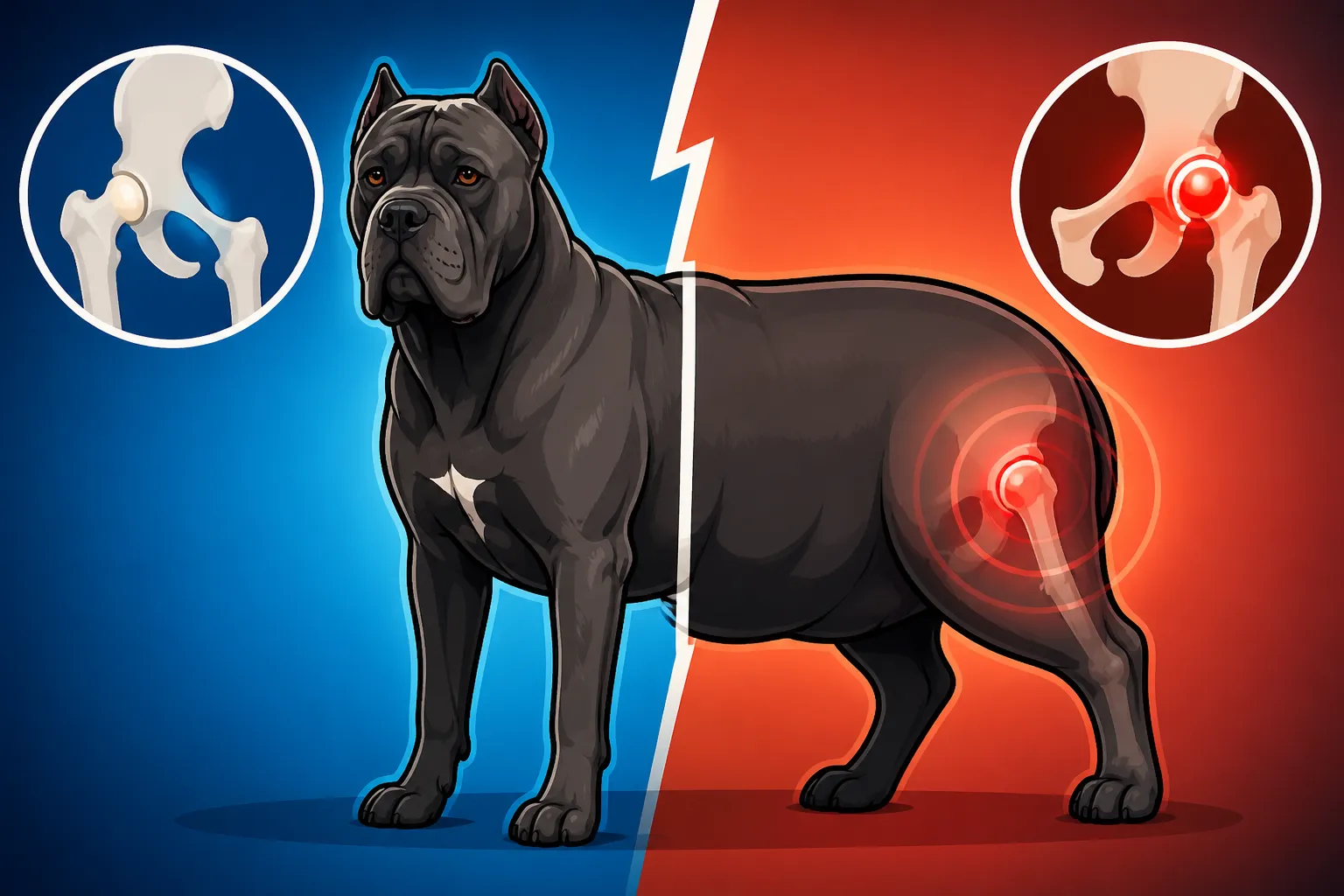
Imagine the hip joint as a ball and socket. In a healthy dog, the ball (femoral head) fits snugly and smoothly into the socket (acetabulum) of the pelvis. This connection is cushioned by cartilage and lubricated by synovial fluid, allowing for fluid, pain-free movement. Now, introduce extra weight. Every pound an overweight Cane Corso carries translates to exponentially more pressure on those delicate hip joints.
This increased pressure causes several detrimental effects. First, it accelerates the wear and tear on the articular cartilage, which is vital for shock absorption and smooth movement. This cartilage can thin, fray, and even erode, leading to bone-on-bone friction – a incredibly painful scenario. Second, the added strain can cause micro-traumas to the bone itself, leading to remodeling and the formation of osteophytes, or bone spurs, which further impede movement and cause pain. Over time, this constant stress weakens the supporting ligaments and muscles, destabilizing the entire joint. It's a progressive problem, and each additional pound contributes to a cycle of degeneration and inflammation that's incredibly difficult to reverse once established.
The Link Between Weight and Hip Dysplasia in Cane Corsos
Hip dysplasia is a notoriously common ailment in large breeds, and Cane Corsos are no exception. It's a condition where the hip joint doesn't form correctly, leading to looseness and eventual degenerative joint disease. While genetics play a significant role, your dog's weight can drastically influence whether, and how severely, they experience this debilitating condition.
Exacerbating Predispositions: Weight as a Catalyst
Many Cane Corsos carry the genetic predisposition for hip dysplasia, even if their parents were screened and cleared. This genetic component means that under certain environmental stressors, the condition can manifest. Extra weight is perhaps the most significant environmental stressor. A dog with mild, subclinical hip dysplasia might live a relatively comfortable life if kept lean and muscular. However, introduce an extra 10, 20, or even 30 pounds, and those weak joints are suddenly under immense, constant strain. This can quickly turn a latent genetic issue into a full-blown, painful problem, often much earlier in life than it might otherwise appear.
Moreover, excess fat isn't just passive weight; it's metabolically active tissue that produces inflammatory hormones. These hormones circulate throughout the body, exacerbating joint inflammation and pain, further accelerating the progression of degenerative joint disease. This means an overweight Cane Corso isn't just physically stressed; their entire system is working against their joint health. This understanding underscores why proper screening, as discussed in resources like Hips and Elbows a Cane Corso Must Be Cleared On and Reading a Cane Corso's Hip Grade Against the CHIC List, is so crucial from the start. But even with excellent genetics, weight management is paramount. Without it, you're looking at a higher risk of conditions like Hip Dysplasia in a Fast Growing Cane Corso, which can severely impact their early years.
Recognizing the Signs: When Weight-Related Issues Surface
The tricky thing about joint pain, especially in stoic breeds like the Cane Corso, is that it can start subtly. They might not cry out or overtly limp at first. Instead, you might notice small changes in their behavior that you could easily dismiss. Are they slower to get up after lying down? Do they hesitate before jumping into the car or onto the couch (if allowed)? Perhaps they're reluctant to go for walks, or they cut them short.
As the problem progresses, the signs become more apparent. You might observe a "bunny hopping" gait, where they move both hind legs together, especially when running. Stiffness after rest, a decreased range of motion in their hips, or even lameness in one or both hind legs are clear indicators. They might also become less playful, less enthusiastic about activities they once loved, or even show irritability when you touch their hindquarters. It's imperative not to ignore these early warnings. Early intervention, particularly weight loss, can significantly improve their comfort and slow the progression of joint damage. Paying attention to Signs a Cane Corso's Hips Are Starting to Go can make all the difference.
Strategies for Managing Weight and Protecting Your Cane Corso's Hips
The good news is that much of the damage caused by excess weight is reversible or, at the very least, manageable. Taking proactive steps to maintain your Cane Corso's ideal weight is one of the most powerful things you can do for their joint health and overall well-being.
Achieving and Maintaining an Optimal Body Condition
The cornerstone of joint health for a Cane Corso is maintaining a lean, athletic body condition. This means being diligent about their diet and ensuring they get appropriate exercise. For diet, it’s not just about what they eat, but how much. Even the highest quality food can lead to weight gain if overfed. Follow feeding guidelines on premium large-breed dog food bags, but always adjust based on your dog's individual activity level and metabolism. Many owners find success splitting their dog's daily ration into two meals to prevent overeating at once and aid digestion. Remember, Why a Lean Cane Corso Keeps Its Hips Longer isn't just a theory; it's backed by countless anecdotal and scientific observations. Even simple acts like Cutting a Cane Corso's Cups After Neutering can have a profound impact on preventing gradual weight gain as their metabolism shifts.
Exercise, of course, plays an equally vital role. Regular, moderate exercise helps burn calories, build lean muscle mass to support joints, and maintain mobility. For a Cane Corso, this might mean daily long walks, swimming, or mentally stimulating activities like scent work. Avoid high-impact activities like excessive jumping or intense, prolonged running on hard surfaces, especially with young dogs or those already showing signs of joint discomfort. Consult your vet to create a tailored exercise plan that suits your dog's age, health, and current fitness level. Consistent, appropriate activity is key – think marathon, not sprint.
Supportive Care and Preventative Measures
Beyond diet and exercise, there are several supportive measures you can implement to protect your Cane Corso's hips, especially if they are predisposed to issues or are getting older. Joint supplements containing ingredients like glucosamine, chondroitin, and MSM can help support cartilage health and reduce inflammation. Omega-3 fatty acids, found in fish oil, are also powerful natural anti-inflammatories. You might wonder Whether a Cane Corso Benefits From Joint Supplements, and for many, especially large breeds, the answer is a resounding yes, as a preventative or supportive measure.
For dogs already experiencing joint pain, physical therapy, hydrotherapy (swimming in a controlled environment), or even acupuncture can provide significant relief and improve mobility. These therapies help strengthen surrounding muscles without putting excessive strain on the joints. Regular veterinary check-ups are also non-negotiable. Your vet can monitor your dog's weight, assess their joint health, and recommend appropriate interventions. Investing in pet insurance, such as a plan from Healthy Paws, can be a wise decision. Knowing that potential diagnostics like X-rays or even future therapies might be covered can significantly ease the financial burden if your Cane Corso develops hip issues, allowing you to prioritize their health without as much stress. This type of proactive planning is what sets dedicated Cane Corso owners apart. If you find yourself needing to explore options for Managing Arthritis in a Hundred Pound Cane Corso, early intervention and financial preparedness will be your best allies.
Impact of Weight on Cane Corso Hips: A Comparison
To truly underscore the difference, let's look at how even a few extra pounds can shift the balance from healthy mobility to painful deterioration.
| Characteristic | Ideal Weight Cane Corso | Overweight Cane Corso |
|---|---|---|
| Ribs & Waist | Ribs easily felt, distinct waist visible. | Ribs hard to feel, no visible waist, "barrel" shaped. |
| Energy Level | Energetic, eager for walks and play. | Lethargic, less interested in activity, tires quickly. |
| Mobility | Smooth, fluid gait; easy movement; no hesitation. | Stiff, slow to rise; may "bunny hop" or limp; struggles with stairs. |
| Cartilage Health | Maintained well, minimal wear and tear. | Accelerated deterioration, thinning, and erosion. |
| Inflammation | Low systemic inflammation. | Increased systemic inflammation, exacerbating joint pain. |
| Dysplasia Risk | Genetic predisposition less likely to manifest severely. | Genetic predisposition much more likely to manifest earlier and severely. |
| Pain Level | Generally pain-free in joints. | Chronic, low-level to severe joint pain. |
| Lifespan Impact | Supports a longer, more comfortable life. | Significantly reduces comfort and can shorten active lifespan. |
Long-Term Outlook: The Benefits of a Healthy Weight
Taking the necessary steps to manage your Cane Corso's weight isn't just about preventing problems; it's about investing in their future quality of life. The payoff is immense.
Enhancing Quality of Life and Longevity
A Cane Corso maintained at a healthy, lean weight is a happier, more comfortable dog. They can enjoy their walks, play with enthusiasm, and move without constant discomfort. This isn't just about physical health; it profoundly impacts their mental and emotional well-being. A dog free from chronic pain is more engaged, more sociable, and generally more joyful. You'll see them bounding through the yard, eager for adventures, and truly embodying the powerful, agile spirit of their breed.
Furthermore, a healthy weight can directly contribute to their longevity. Every year gained without debilitating joint pain is a gift. While factors like genetics still play a role, ensuring your Cane Corso isn't burdened by excess weight can help them reach and even exceed the average lifespan for the breed, truly allowing you to maximize The Nine Year Median Behind a Cane Corso's Lifespan. You’re not just managing a condition; you’re enabling a richer, fuller life for your beloved companion.
The Financial and Emotional Investment
Let's be real: owning a Cane Corso is a significant financial commitment, and that's especially true when health issues arise. Preventative care, including rigorous weight management, can significantly reduce the likelihood of costly veterinary interventions down the line. Treating severe hip dysplasia or chronic arthritis through medications, advanced diagnostics, or even surgery can run into thousands of dollars. By keeping your dog at a healthy weight, you're potentially saving a substantial amount of money that can instead be used for quality food, training, or other enriching experiences.
Beyond the financial aspect, there's the emotional toll. Watching your powerful, majestic Cane Corso struggle with pain and reduced mobility is incredibly difficult. The stress of managing chronic conditions, administering daily medications, and limiting their favorite activities can be heartbreaking. Proactive weight management is an emotional investment, too – one that allows you to enjoy more years of active, happy companionship with your dog, free from the guilt and worry that often accompanies preventable health issues. This is where a robust pet insurance plan, like those offered by Healthy Paws, can be a lifeline. It provides peace of mind, knowing that if unforeseen issues, or even chronic conditions related to aging, do occur despite your best efforts, you have financial support to provide the best possible care for your Cane Corso.
Disclaimer
This article is intended for informational purposes only and is not a substitute for professional veterinary advice. Always consult with a qualified veterinarian regarding your Cane Corso's health, diet, and exercise regimen, especially if you have concerns about their weight or joint health.