Cutting a Cane Corso’s Cups After Neutering
One of the most common worries Cane Corso owners face after their powerful, beloved companion is neutered is the almost inevitable shift in their dog's metabolism. Suddenly, your once lean and active dog seems to be packing on the pounds faster than you can say "treat," leading to frustration and concern about their long-term health. This guide is here to walk you through exactly why this happens and, more importantly, how to proactively adjust your Cane Corso's diet and lifestyle to keep them healthy, fit, and happy for years to come.
The Hormonal Shift After Neutering and Its Impact on Metabolism
It's a big decision to neuter your Cane Corso, and while it comes with many benefits, it also brings about significant physiological changes that every owner needs to understand. These aren't just minor tweaks; we're talking about fundamental shifts in how your dog's body processes energy and regulates appetite.
Understanding Metabolic Slowdown
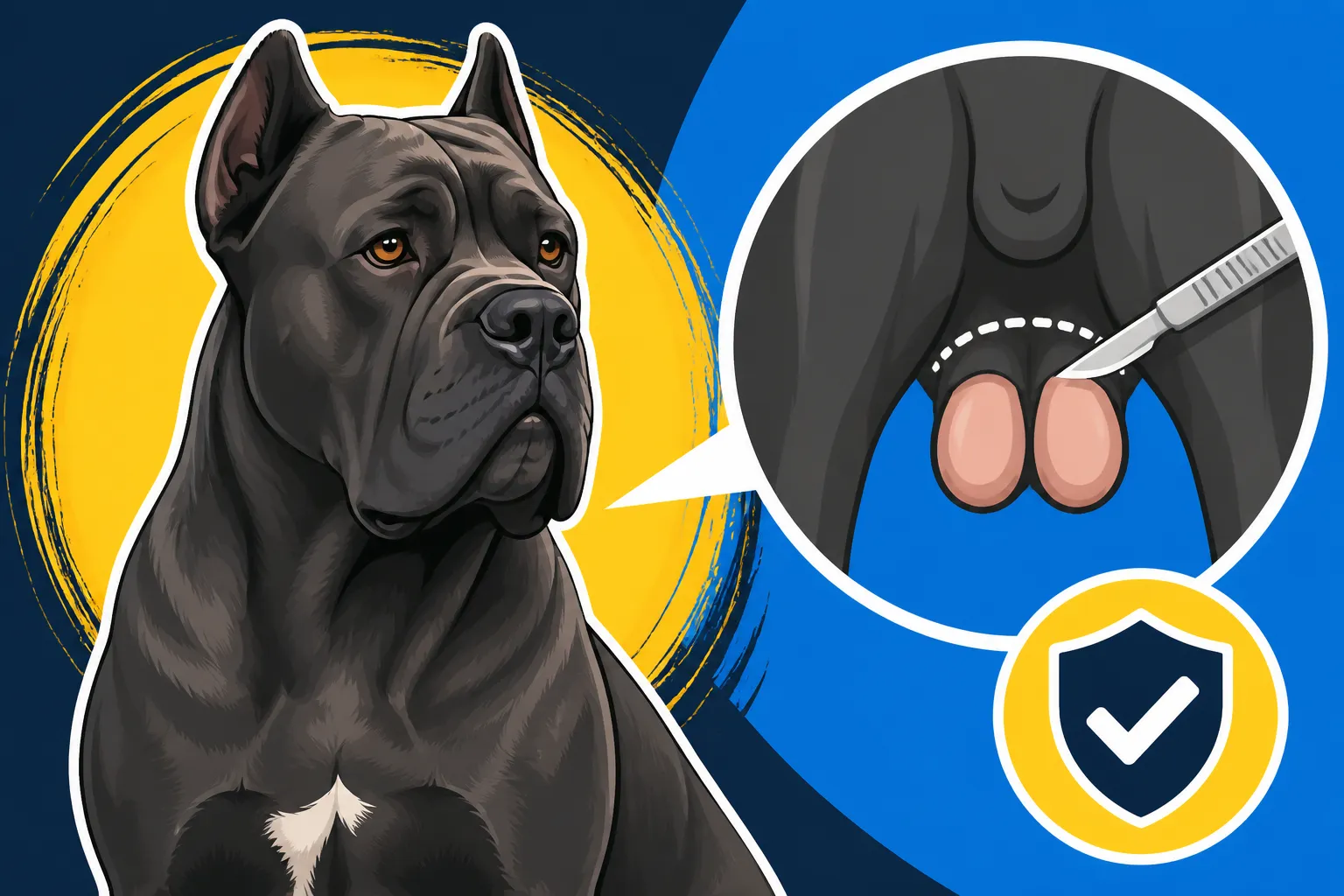
When a male Cane Corso is neutered, his testicles are removed, which means a dramatic drop in testosterone production. For females, spaying removes the ovaries and uterus, leading to a significant reduction in estrogen. These hormones play a crucial role in metabolism. Testosterone, for instance, helps maintain muscle mass and a higher metabolic rate. Estrogen also influences metabolism and satiety cues. Without these hormones at their previous levels, your Cane Corso's body simply doesn't burn calories as efficiently as it used to. It's like switching from a high-performance sports car to a more fuel-efficient sedan – the engine still runs, but it doesn't guzzle gas in the same way.
This metabolic slowdown means that if you continue to feed your Cane Corso the exact same amount of food they were eating before the surgery, they are almost certainly going to gain weight. Their body just doesn't need as much fuel anymore. For a breed as large and prone to joint issues as the Cane Corso, even a few extra pounds can put undue stress on their developing or aging joints, impacting their mobility and overall quality of life. It’s a silent, insidious change that often creeps up on owners, making proactive adjustment absolutely vital.
Increased Appetite and Reduced Energy
Adding to the challenge, many dogs experience an increase in appetite after neutering. It’s not fully understood why this happens, but it's a common observation among veterinarians and owners alike. Your Cane Corso might start acting hungrier, begging more frequently, or seeming unsatisfied after meals, even though their caloric needs have decreased. This can be a real test of willpower for any owner, especially when your big, soulful-eyed Cane Corso is looking at you with that "I'm starving!" expression.
Compounding this, many Cane Corsos naturally become a bit less energetic post-neutering. They might still enjoy their walks and playtime, but the intense drive or boundless energy they once had can mellow. This isn't necessarily a bad thing, especially if you were struggling with a particularly high-strung adolescent, but it means fewer calories are being burned through sheer activity. When you combine a slower metabolism, a potentially increased appetite, and reduced energy levels, you have a perfect storm for weight gain. It's why cutting a Cane Corso's cups after neutering isn't just a recommendation; it's a critical step in preventing future health problems. This hormonal shift is something to be acutely aware of, especially as you consider Whether Neutering Changes a Cane Corso's Lifespan.
Recognizing the Signs of Post-Neutering Weight Gain
Catching weight gain early is paramount for a breed like the Cane Corso. Their large frame can mask a few extra pounds, making it easy to miss the subtle signs until they've accumulated into a more significant problem. Being vigilant and knowing what to look for will help you intervene before it impacts their health.
Visual Cues
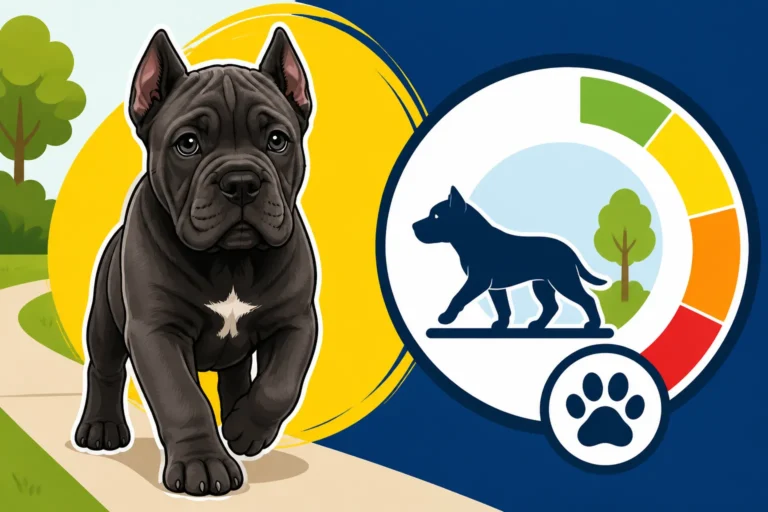
The most straightforward way to detect weight gain is through visual assessment and touch. You want your Cane Corso to have a defined waist, visible when viewed from above, and a slight tuck in their abdomen when seen from the side. You should also be able to easily feel their ribs when running your hands along their side, without pressing hard, but you shouldn't see them prominently. If you start to notice these characteristics disappearing, it's a red flag. Perhaps their waistline is less pronounced, or their belly seems to sag a little more. You might also notice their collar or harness fitting more snugly than before.
Pay attention to their overall body shape. A healthy Cane Corso should be powerful and muscular, but still lean. If their back starts to broaden or flatten, or if you see fat deposits forming at the base of their tail or over their hips, these are clear indicators. It's all about checking for Checking a Cane Corso's Ribs With Your Hands and maintaining that ideal athletic build. Don't fall into the trap of thinking a "big" dog should be chunky; a fit Cane Corso is a healthy Cane Corso.
Behavioral Changes
Beyond the visual, behavioral changes can also signal that your Cane Corso is gaining weight or becoming less fit. One of the most obvious is a general decrease in enthusiasm for activity. They might be less keen on long walks, prefer to nap more often, or show less interest in playing fetch or tug-of-war. If your once energetic dog is now content to lounge around more than usual, it's worth investigating. They might be struggling to keep up with their old routines due to extra weight.
You might also notice them struggling with movements they once found easy. Perhaps they hesitate before jumping into the car, or they seem stiffer after lying down. While some of this can be attributed to natural aging, if it happens shortly after neutering, it's more likely related to carrying extra weight, which puts added strain on their joints. This is particularly concerning given the predisposition of Cane Corsos to conditions like hip and elbow dysplasia. An increase in snoring or more labored breathing, especially after minimal exertion, can also be a sign that they are carrying excess weight.
Here’s a simple table to help you assess your Cane Corso's body condition:
| Body Condition Score (BCS) | Description | What You See/Feel | Action |
|---|---|---|---|
| 1-3 (Underweight) | Ribs, spine, pelvic bones easily visible from a distance. No fat palpable. Severe abdominal tuck. | Very prominent bones, minimal muscle mass. | Increase food, consult vet. |
| 4-5 (Ideal) | Ribs easily palpable without excess fat. Waist easily noted when viewed from above. Abdominal tuck apparent. | Ribs felt easily, waist visible, good muscle tone. | Maintain current diet/exercise. |
| 6-7 (Overweight) | Ribs palpable with slight excess fat covering. Waist discernible but not prominent. Abdominal tuck minimal. | Ribs harder to feel, waist less obvious, slight fat over hips. | Reduce food by 10-15%, increase exercise. |
| 8-9 (Obese) | Ribs difficult to palpate under heavy fat cover. No waist. Abdomen obviously distended. | Ribs very hard to find, no waist, heavy fat deposits. | Significant diet reduction, vet consultation essential. |
Adjusting Your Cane Corso's Food Intake
Once you've identified that your Cane Corso's metabolism has shifted post-neutering, the next crucial step is to adjust their food intake. This isn't about starving your dog; it's about providing the right amount of fuel for their new metabolic reality. Remember, consistency is key, and any changes should be made gradually.
The Initial Reduction
A good starting point for most neutered dogs is to reduce their caloric intake by about 20-25% from what they were receiving before surgery. However, for a powerful breed like the Cane Corso, this might need to be refined. Instead of just scooping out less, refer to the feeding guidelines on your dog's food bag, but then adjust downward. If your dog was previously on a formula designed for highly active, intact dogs, consider transitioning to a "light" or "weight management" formula, or simply feed less of their current high-quality food. You'll want to carefully calculate The Daily Ration an Adult Cane Corso Actually Needs based on their ideal weight, not their current weight if they've already gained.
A practical way to begin is to reduce their current portion by a quarter cup at each meal and monitor their weight and body condition over the next few weeks. For example, if your Cane Corso was eating How Many Cups a Ninety Pound Cane Corso Gets, you might start by reducing that total daily amount. It’s better to make small, consistent cuts and assess rather than drastic changes that could leave your dog feeling hungry or lead to nutritional deficiencies. Always divide their daily ration into two meals to help manage hunger and reduce the risk of bloat, a serious concern for deep-chested breeds. Why a Cane Corso's Ration Is Split in Two is not just about hunger management, but vital for overall digestive health.
Quality Over Quantity
When you're cutting calories, it becomes even more important to ensure that the calories you are feeding are nutrient-dense and high-quality. This isn't the time to switch to a cheap, filler-filled kibble. Your Cane Corso still needs excellent protein, healthy fats, and a balanced array of vitamins and minerals to support their large, muscular frame and immune system.
Consider the type of food you're offering. Many owners find success with high-quality kibbles available from retailers like Chewy, focusing on formulas specifically designed for large breeds or weight management. If you're open to other options, some owners explore fresh food diets, like those offered by Ollie, which can sometimes provide higher satiety with fewer calories, depending on the specific ingredients. Always read labels carefully. Look for whole meat as the first ingredient, and avoid excessive fillers, artificial colors, or preservatives. The goal is to provide maximum nutrition in a smaller package, ensuring your Cane Corso feels full and satisfied without overeating. Remember, Whether a Cane Corso Needs a Large Breed Formula for Life is a question many ponder, and even on these formulas, careful portion control is crucial post-neuter.
Exercise and Activity Levels Post-Neutering
Dietary adjustments are only half the battle when it comes to managing a neutered Cane Corso's weight. Exercise remains an absolutely critical component, not just for burning calories, but for maintaining muscle mass, joint health, and mental well-being.
Maintaining an Active Lifestyle
Just because your Cane Corso might naturally have a bit less energy after neutering doesn't mean their need for structured exercise disappears. In fact, it often becomes even more important. Regular, consistent activity helps to counteract the metabolic slowdown and keeps their muscles strong. For an adult Cane Corso, this typically means a minimum of 60-90 minutes of moderate exercise spread across the day. This could involve brisk walks, controlled jogging (once they are fully mature and cleared by a vet for high-impact activity), or active playtime in a securely fenced yard.
Consider diversifying their exercise routine to keep them engaged and prevent boredom. Scent work, puzzle toys, and obedience training sessions can provide mental stimulation that also burns energy. Swimming, if accessible and safe, is an excellent low-impact exercise for Cane Corsos, especially beneficial for their joints. Remember that How Much Walking a Cane Corso Puppy Should Do differs significantly from an adult, but the principle of appropriate, consistent activity remains. The key is to find activities your individual Cane Corso enjoys and that you can consistently provide, rain or shine.
Joint Health and Appropriate Exercise
For a large, powerful breed like the Cane Corso, joint health is a lifelong concern. Carrying excess weight puts immense strain on their hips, elbows, and other joints, exacerbating conditions like dysplasia and increasing the risk of arthritis later in life. This is why managing their weight through diet and appropriate exercise is perhaps the single most important thing you can do for their long-term comfort and mobility. What Extra Weight Does to a Cane Corso's Hips is a stark reminder of this reality.
Ensure that the exercise you provide is appropriate for their age and physical condition. While a young, healthy Cane Corso can handle more vigorous activity, older or arthritic dogs will benefit from gentler exercises like controlled walks on soft surfaces, swimming, or hydrotherapy. Avoid high-impact activities like jumping from heights or excessive running on hard pavement, especially with young, still-developing dogs. It’s important to understand The Age a Cane Corso Can Start Real Exercise to prevent injury during growth. If your Cane Corso shows any signs of lameness or discomfort during or after exercise, it's crucial to consult your veterinarian promptly. Maintaining strong muscles around the joints through regular, moderate exercise acts as natural support, helping to protect them from the impact of daily life.
Monitoring Progress and Making Further Adjustments
Making changes to your Cane Corso's diet and exercise routine is just the beginning. The real work comes in consistently monitoring their progress and being willing to make ongoing adjustments. This isn't a one-and-done situation; it's a dynamic process that requires your attentive participation.
Regular Weight Checks and Body Condition Scoring
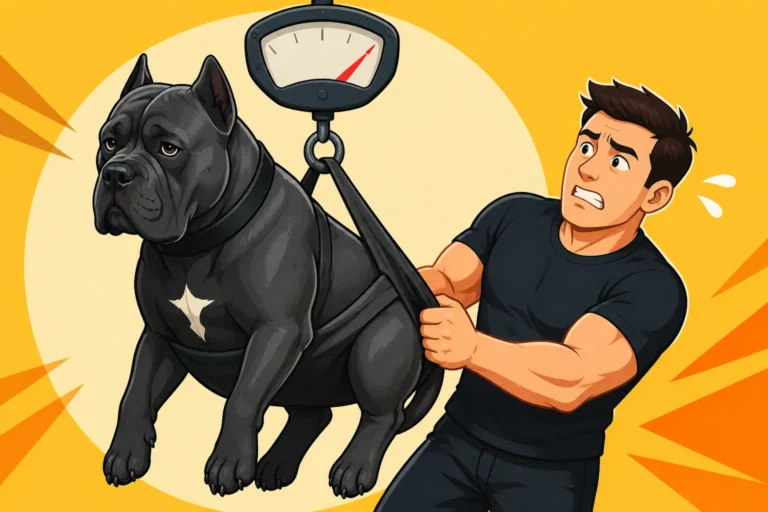
Once you've implemented your initial dietary and exercise changes, it's vital to regularly check your Cane Corso's weight and body condition. Aim for weekly or bi-weekly weight checks, especially in the first few months after neutering. While you might not be able to easily lift a hundred-pound Cane Corso onto a bathroom scale, you can use a few methods: weigh yourself, then weigh yourself holding your dog, and subtract the difference. Many veterinary offices also allow you to pop in for free weight checks on their large scales.
Beyond the number on the scale, regularly perform a body condition score check using the guide mentioned earlier. Feel their ribs, check for a waist, and assess their abdominal tuck. Take photos from the side and above every few weeks; sometimes, subtle changes are easier to spot when comparing images over time. Consistency here is key. If you notice they are still gaining weight or not losing it, it's time to re-evaluate their food intake and exercise levels. Remember that Slimming an Overweight Cane Corso Safely requires patience and consistent effort, avoiding rapid weight loss which can be unhealthy.
The Role of Your Veterinarian
Your veterinarian is your most valuable partner in this journey. Don't hesitate to consult them after your Cane Corso is neutered to discuss appropriate feeding guidelines and exercise plans specific to your dog's age, weight, and overall health. They can help you determine an ideal weight range and guide you on calorie reduction. If you've been diligently adjusting food and exercise but your Cane Corso is still struggling with weight gain, your vet can rule out any underlying medical conditions, such as hypothyroidism, that might be contributing to the issue.
They can also provide guidance on supplements that might benefit your Cane Corso's joint health, especially if they are carrying extra weight. During routine check-ups, like Yearly Bloodwork on an Adult Cane Corso, your vet can monitor for any changes that might signal issues related to weight or metabolism. A strong partnership with your vet ensures that your Cane Corso receives tailored advice and professional support, helping them navigate the post-neutering changes smoothly and maintain optimal health.
Common Pitfalls and How to Avoid Them
Even with the best intentions, it's easy to fall into common traps that can derail your Cane Corso's weight management efforts after neutering. Being aware of these pitfalls can help you steer clear of them and keep your dog on a healthy path.
Over-Treating and Table Scraps
This is perhaps the biggest hidden culprit behind post-neutering weight gain. Those small, seemingly innocent treats, bits of cheese, or spoonfuls of table scraps add up incredibly quickly. For a large dog like a Cane Corso, a few extra high-calorie treats can easily negate the careful portion control you've implemented with their meals. It's often difficult for family members, especially children, to resist those big, pleading eyes.
To avoid this pitfall, make a conscious effort to eliminate or drastically reduce high-calorie treats and table scraps. If you use treats for training, switch to low-calorie options like small pieces of carrot, green bean, or air-popped plain popcorn. You can also reserve a portion of your Cane Corso's daily kibble ration to use as treats throughout the day. Educate all family members about the importance of not feeding extras, and ensure everyone is on the same page. Remember, every single calorie counts for a dog with a slower metabolism. If you're buying treats, check the nutritional information – many excellent low-calorie options are available on platforms like Amazon.
Ignoring Subtle Changes
Another common mistake is waiting too long to address weight gain. It’s easy to dismiss a slight increase in their waistline or a bit less energy as just a normal part of getting older or settling down after neutering. However, for a breed as prone to musculoskeletal issues as the Cane Corso, even a few extra pounds can have significant long-term consequences. What starts as a "subtle change" can quickly snowball into a much larger problem, making it harder and more time-consuming to reverse.
Be proactive. Don't wait until your Cane Corso is visibly overweight or struggling with mobility before you adjust their diet and exercise. Start making those adjustments immediately after neutering, even if they haven't gained any weight yet, because prevention is always easier than correction. Regularly assessing their body condition, as discussed earlier, and taking prompt action at the first sign of creeping weight gain will save you and your Cane Corso a lot of trouble down the road. Embrace the long-term commitment to their health, knowing that consistent, small adjustments make all the difference.
Disclaimer
This article is for general informational purposes only and does not constitute professional advice. Laws, prices and regulations vary by location and change over time. Consult a qualified professional for guidance on your specific situation.