How Much Walking a Cane Corso Puppy Should Do
Bringing home a Cane Corso puppy is an incredibly exciting time, but it also comes with a lot of questions, especially when it comes to exercise. You've got this huge, energetic bundle of fluff, and your natural instinct might be to wear them out to ensure they're tired and well-behaved. However, knowing how much walking and activity is truly appropriate for a rapidly growing Cane Corso puppy is absolutely critical for their long-term health and joint integrity, and getting it wrong can have heartbreaking consequences. This guide will walk you through safe and effective exercise strategies for your young Cane Corso.
Understanding the Delicate Balance of Puppy Exercise
When you look at a Cane Corso puppy, you see a future giant, and it's easy to assume they need a lot of rigorous exercise to match their size. But the truth is, their immense size and rapid growth rate make them particularly vulnerable during their puppyhood. Their bones, joints, and ligaments are still developing and are far more fragile than they appear. Over-exercising at this crucial stage can lead to irreversible damage, setting them up for a lifetime of pain and expensive veterinary care.
Why Over-Exercising a Cane Corso Puppy is Dangerous
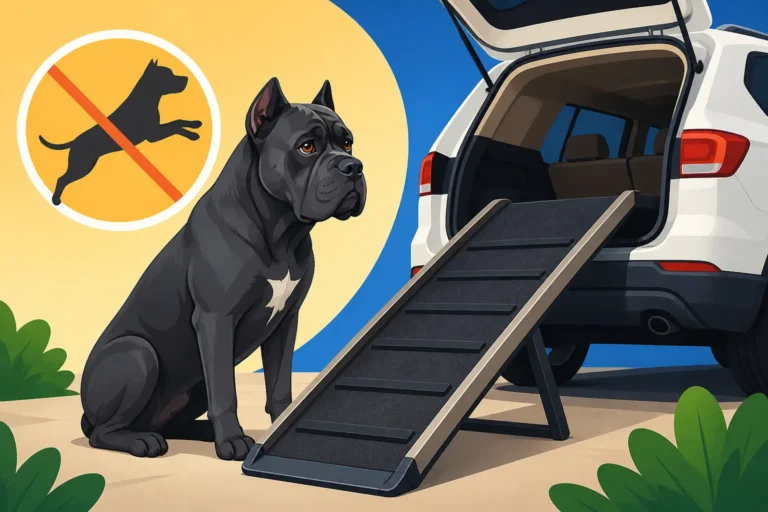
Imagine a building under construction. You wouldn't put heavy loads on the foundation before the concrete is fully cured, right? It's the same principle with your Cane Corso puppy's skeletal system. Their growth plates, which are areas of cartilage at the end of long bones, are still open and actively growing. These plates are soft and easily damaged by excessive impact, repetitive motions, or too much stress. If a growth plate is injured, it can close prematurely or grow unevenly, leading to bone deformities, limping, and painful arthritis down the road. This is why things like jumping off furniture, leaping from trucks, or running long distances on hard surfaces are strongly discouraged. Think about how much force that growing body absorbs with every hard landing or long stride. You might also want to look into Why Stairs Matter for a Cane Corso Puppy's Joints as even simple things can have an impact.
The temptation to exhaust an energetic puppy is real. You've got a whirlwind in your house, and sometimes, a long walk seems like the only solution. But forced, sustained exercise often just taps into their adrenaline, creating a cycle where they become more wired, not less. Instead of burning off steam effectively, they're pushing their bodies past what's safe, and you might not see the damage until much later. It's a silent threat that can undermine all your good intentions.
The "Five-Minute Rule" and What It Really Means
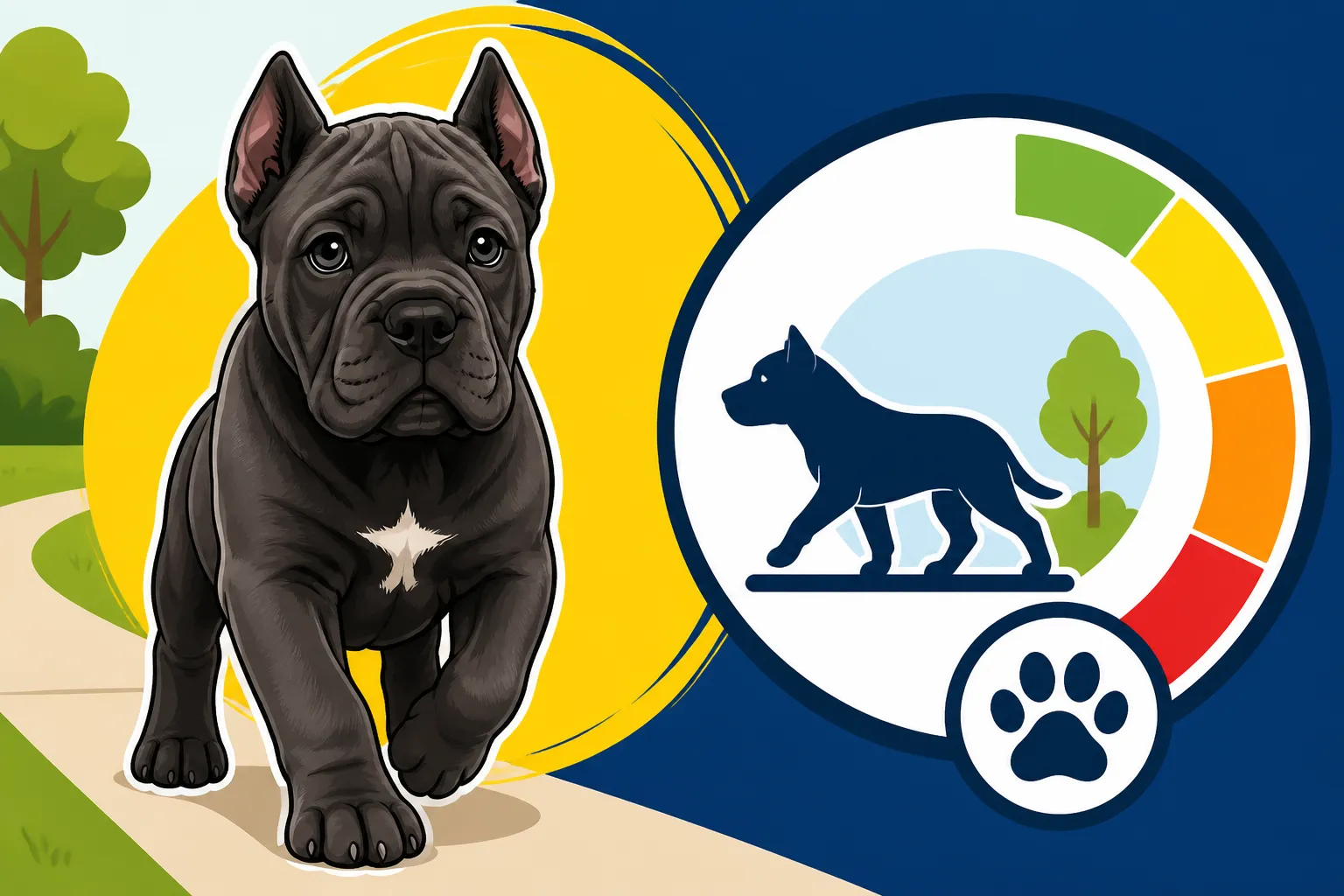
One of the most widely cited guidelines for puppy exercise is the "five-minute rule." This rule suggests that a puppy should receive five minutes of structured exercise, like a leash walk, per month of age, twice a day. So, a three-month-old puppy would get 15 minutes, twice a day, and a six-month-old would get 30 minutes, twice a day. While this is a good starting point, it's essential to understand that it's a guideline and not a rigid law, and it primarily applies to forced, structured activity.
What does "structured exercise" mean? It's when you're dictating the pace and duration, such as a walk on a leash or a game of fetch you initiate. It doesn't include their natural, self-initiated bursts of play in the living room or short potty trips in the yard. The key is to distinguish between your puppy choosing to play for a few minutes and then resting, versus you asking them to keep going for an extended period. Natural puppy play, with frequent breaks, is generally safer because they'll stop when they're tired. The moment you introduce a leash and a destination, you're controlling their activity level, and that's where the five-minute rule becomes invaluable.
It's also crucial to consider the intensity of the activity. A slow wander around the block is very different from a brisk jog, even if both last 15 minutes. For Cane Corso puppies, low-impact activities are always preferred. Avoid anything that involves repetitive jumping, sharp turns, or running at top speed for prolonged periods. Instead, focus on controlled, gentle movements that allow them to explore their environment and build muscle gradually without stressing their still-developing skeletal system.
Recommended Daily Walking Guidelines by Age
Every Cane Corso puppy is an individual, but there are general age-based recommendations that can help you gauge appropriate activity levels. Remember, these are starting points, and you should always observe your puppy for signs of fatigue or discomfort.
Early Weeks: 8-12 Weeks Old
When your Cane Corso puppy first comes home, usually around 8 weeks old, their world is a brand new adventure. At this stage, formal "walks" aren't really the priority. Their main needs are short bursts of exploration, potty training, and crucial socialization. Think of it as exposure therapy rather than exercise. Your puppy needs to learn about different sights, sounds, and textures in a gentle, non-overwhelming way.
For an 8-12 week old Cane Corso, short, frequent outings to the backyard for potty breaks are sufficient. When you do venture out, keep it very brief – perhaps 5-10 minutes a few times a day, always on a leash. The goal isn't endurance, but exposure to new smells and gentle introduction to the sensation of a collar and leash. Allow them to sniff around, observe, and engage with their environment at their own pace. This is also a critical time for Socializing a Cane Corso Puppy Before Its Shots Finish in safe, controlled ways, like carrying them in a sling or wagon, rather than letting them walk extensively in public spaces. The focus should be on building confidence and positive associations with the outside world, not on logging miles.
Growing Pains: 3-6 Months Old
As your Cane Corso puppy grows from 3 to 6 months old, they'll start to have more energy, and their curiosity will expand. This is where the five-minute rule really comes into play. For a three-month-old, you're looking at about 15 minutes of structured walking, twice a day. By six months, this could extend to around 30 minutes, twice a day. These walks should still be at a leisurely pace, allowing plenty of time for sniffing and investigation.
Vary the walking surfaces when possible – soft grass, dirt paths, and even some pavement are fine, but avoid long stretches on hard concrete or asphalt. This period is also perfect for introducing them to a wider range of environments, always with positive reinforcement. Take them to quiet parks, around the neighborhood, or to pet-friendly stores where they can experience new sights and sounds from the safety of their leash. You can find more ideas on Where to Take a Cane Corso Puppy Every Week to ensure they get varied, safe exposure. The goal is consistent, gentle activity that builds strength and confidence without overtaxing their joints. Avoid letting them get overtired; if they start lagging behind, panting excessively, or seem less enthusiastic, it’s time to head home.
Adolescent Energy: 6-12 Months Old
The 6 to 12-month mark is when your Cane Corso puppy truly starts to look like a formidable dog, but don't be fooled by their size. They are still very much a puppy, and their growth plates are likely still open. While they'll have considerably more stamina, caution is still paramount. The five-minute rule might now suggest walks of 30-60 minutes, twice a day, as they approach their first birthday.
You can start to introduce slightly longer walks, but maintain a moderate pace. Think of it as an enjoyable stroll, not a forced march. This is an excellent time to really solidify their leash manners, as a Cane Corso at this age can already be a powerhouse on the end of a lead. Work on Loose Leash Walking a Cane Corso Puppy consistently, making walks a pleasant experience for both of you. While they might want to run and play with other dogs, be selective about the types of play. Avoid rough-and-tumble wrestling with much larger or smaller dogs, and don't allow them to engage in endless, high-impact games of fetch or chase that put stress on their joints. Controlled, supervised play with appropriate playmates is fine, but always prioritize their joint health. They may seem indestructible, but their rapidly developing bodies are still quite vulnerable to injury.
Here's a quick reference table for general walking guidelines:
| Age of Cane Corso Puppy | Recommended Structured Walking (Per Session) | Frequency Per Day | Focus |
|---|---|---|---|
| 8-12 Weeks | 5-10 minutes | 2-3 times | Potty breaks, backyard exploration, leash introduction. |
| 3 Months | 15 minutes | 2 times | Gentle walks, varied surfaces, early socialization. |
| 4 Months | 20 minutes | 2 times | Exploring new, quiet environments, mental stimulation. |
| 5 Months | 25 minutes | 2 times | Steady pace, consistent leash manners. |
| 6 Months | 30 minutes | 2 times | Building stamina gradually, continuing exposure. |
| 7-12 Months | 35-60 minutes (gradual increase) | 2 times | Moderate walks, reinforce training, avoid high-impact. |
| 12-18 Months | 60-90 minutes (gradual increase) | 2 times | Continue gentle increase, monitor joint health. |
| 18+ Months | As appropriate for individual dog | 2 times+ | Full maturity, can explore more vigorous activities. |
Note: This table is a guideline. Always observe your puppy's individual energy levels and comfort.
Beyond Walks: Other Forms of Puppy Exercise and Mental Stimulation
While structured walks are important, they're just one piece of the exercise puzzle for a Cane Corso puppy. A truly well-exercised puppy is one whose mind has been engaged as much as their body. For a breed as intelligent and driven as the Cane Corso, mental stimulation is absolutely vital to preventing boredom and destructive behaviors.
Controlled Play and Backyard Exploration
Supervised free play in a secure, fenced yard is an excellent way for your Cane Corso puppy to burn off energy naturally. This means letting them choose their own pace, whether it's a short sprint, a sniff-a-thon, or a wrestle with a favorite toy. The key word here is "supervised." You want to ensure they aren't engaging in overly rough play, repetitive jumping, or chasing endlessly at top speed, especially during their growth phases. Short games of fetch on soft ground are fine, but stop before they become overtired or obsessed.
Instead of constant physical exertion, integrate activities like scent games into their backyard time. Hide treats or their favorite toy and encourage them to use their nose to find them. This engages their powerful sense of smell and their problem-solving skills, providing mental enrichment that's far less impactful on their joints than sustained running. Think about turning your yard into an adventure zone, rather than just a race track. This kind of self-directed exploration and play is invaluable for developing a confident, well-adjusted dog.
Mental Stimulation: The Tired Puppy Trick
One of the best-kept secrets of raising a well-behaved Cane Corso is understanding that a mentally tired puppy is often more settled than a physically exhausted one. Training sessions, puzzle toys, and interactive games can drain a puppy's energy just as effectively, if not more so, than a long walk, and with far less risk to their developing joints. Remember, a Cane Corso is bred to be intelligent and to work alongside people; their minds crave a challenge.
Dedicate several short sessions (5-10 minutes) throughout the day to positive reinforcement training. Work on basic commands like "sit," "stay," "down," and recall. Introduce fun tricks. Use food puzzle toys from brands like Chewy or Amazon, where they have to figure out how to get their kibble or treats. Even a simple stuffed Kong can keep them occupied and thinking for a good chunk of time. These activities build their bond with you, increase their focus, and provide crucial mental exercise. You'll be amazed at how quickly they tire out after a focused training session. This breed has a remarkable capacity for learning, but their attention span as a puppy is still limited, so keep sessions short and sweet. You can read more about The Length of a Cane Corso's Attention Span to help tailor your training.
Avoiding High-Impact Activities Until Maturity
This is perhaps the most critical takeaway for Cane Corso owners: avoid high-impact, repetitive activities until your dog is fully mature, which for a giant breed like a Cane Corso, is generally not until 18-24 months of age. This means no long-distance running, no jumping off high places, no aggressive dog park wrestling, and no agility training with hard landings. While your puppy might have the energy and desire to participate in these activities, their joints simply aren't ready.
Pushing them too hard, too soon, is a common mistake that can lead to developmental orthopedic diseases like hip and elbow dysplasia, patellar luxation, and osteochondrosis dissecans (OCD). These conditions are painful, expensive to treat, and often lifelong. Be patient. There will be plenty of time for more vigorous activities once your Cane Corso's skeletal system has fully ossified and strengthened. Until then, gentle walks, controlled play, and plenty of mental enrichment are your best friends. It's truly a marathon, not a sprint, when it comes to a Cane Corso's physical development. Understanding Why a Cane Corso Puppy Should Not Grow Too Fast is directly related to this careful approach to exercise.
Listening to Your Cane Corso Puppy's Body
No guideline or rule can replace your direct observation and understanding of your individual Cane Corso puppy. They can't tell you in words if they're hurting or tired, so it's up to you to learn their body language and signs of over-exertion.
Signs of Over-Exertion
Your Cane Corso puppy will often try to keep up with you, even if they're past their limit. This is why you need to be proactive in monitoring them. Watch for these red flags during or after activity:
- Excessive Panting or Drooling: More than usual for the weather or activity level.
- Lagging Behind: If they slow down, want to stop, or seem reluctant to move forward.
- Stiffness or Lameness: Any limping, favoritism of a leg, or difficulty getting up after rest. This is a serious sign and warrants immediate attention.
- Reluctance to Play: If they're normally eager to play but suddenly seem uninterested.
- Hunching or Shifting Weight: A subtle change in posture could indicate discomfort.
- Excessive Napping: While puppies sleep a lot, crashing hard after a short walk could mean they've overdone it.
- Behavioral Changes: Irritability or unusual clinginess might signal discomfort.
If you observe any of these signs, immediately stop the activity and allow your puppy to rest. If stiffness or limping persists, or if you have any concerns, don't hesitate to contact your veterinarian. It's always better to be safe than sorry when it comes to their developing joints.
The Importance of a Good Vet
Your veterinarian is your most valuable partner in raising a healthy Cane Corso. Regular check-ups are essential, not just for vaccinations, but also for monitoring their growth and discussing appropriate exercise levels. Your vet can assess your puppy's gait, palpate their joints, and help you understand their individual development.
Be open with your vet about your puppy's activity levels and any concerns you have. They can provide tailored advice based on your puppy's specific needs and health status. Some breeders will recommend early screening for joint issues, which your vet can discuss. Looking into Screening a Cane Corso Puppy's Hips Early can give you an idea of what to expect from these conversations. Don't be afraid to ask questions about diet, supplements, or anything else that might impact their bone and joint health. Knowing what a Cane Corso puppy should weigh at six months is also a good benchmark for discussing healthy growth with your vet, ensuring they aren't growing too quickly or carrying too much weight. Sometimes, even dietary components like The Protein a Growing Cane Corso Should Not Exceed can play a role in healthy development, so discuss all aspects of their care with your trusted vet.
Gear for Safe Puppy Walks
Having the right gear makes a huge difference in ensuring safe and comfortable walks for your growing Cane Corso. For puppies, a well-fitting, comfortable harness is often preferable to a collar, especially one that clips in the front. A harness distributes pressure evenly across their chest and shoulders, rather than putting strain on their delicate neck and trachea, which can be easily damaged if they pull hard. Brands widely available on Chewy or Amazon offer a variety of harnesses designed for large breeds.
Choose a leash that is sturdy and a comfortable length – typically 6 feet is ideal for training and allowing some exploration without too much slack. Look for quality materials that can stand up to a strong puppy. Always carry fresh water, especially on warmer days, and offer it frequently. A portable water bowl that collapses easily is a great investment. Remember, your Cane Corso will grow fast, so you might go through a few sets of collars and harnesses before they reach their adult size. You can find more specific advice on Crates, Collars and Leads Sized for a Cane Corso when choosing gear that grows with your pup. Investing in good quality, appropriate gear is part of being a responsible Cane Corso owner, ensuring their comfort and safety from day one.
Disclaimer
This article is for general informational purposes only and does not constitute professional advice. Laws, prices and regulations vary by location and change over time. Consult a qualified professional for guidance on your specific situation.