Spotting Weight Gain on a Cane Corso Month to Month
It’s a common scenario: you’re looking at your magnificent Cane Corso every day, and because they grow so quickly and are naturally substantial dogs, it can be incredibly difficult to spot those subtle changes that signal unwanted weight gain. One month they seem perfectly lean, and the next, you might notice a slight roundness you can’t quite place. This guide is here to help you develop a keen eye for those incremental shifts, making it easier to monitor your Cane Corso's body condition accurately, month to month, and keep them in optimal health.
Why Early Detection of Weight Gain in a Cane Corso is Crucial
For a breed as large and powerful as the Cane Corso, even a small amount of extra weight can have significant repercussions. We're talking about dogs that can easily tip the scales at over 100 pounds, so what might seem like "just a few extra" on a smaller dog can quickly become a serious burden on a Cane Corso's developing or aging body. Catching weight gain early isn't just about aesthetics; it's about safeguarding their long-term health and mobility.
The Hidden Dangers of Extra Pounds on a Growing Cane Corso
Imagine carrying an extra twenty-pound backpack all day, every day. Now imagine doing that as your skeletal system is still forming and trying to bear your own immense weight. That's essentially what we ask of a Cane Corso puppy or adolescent who carries too much weight. Their growth plates are still open, their joints are still developing, and adding undue stress at this critical stage can set them up for a lifetime of orthopedic issues. We often talk about Hip Dysplasia in a Fast Growing Cane Corso and Elbow Dysplasia and a Cane Corso's Front End, but excessive weight can exacerbate these genetic predispositions. It puts immense pressure on their hips, elbows, and even their spine, accelerating the onset of arthritis and making conditions like panosteitis, or "growing pains," more severe. A chunky Cane Corso puppy might look cute, but it’s a red flag for their future joint health, completely undermining all the careful work a responsible breeder has done. Why a Cane Corso Puppy Should Not Grow Too Fast is a topic close to every good owner's heart, and keeping them lean is a huge part of that.
How a Cane Corso's Physique Can Mask Weight Gain
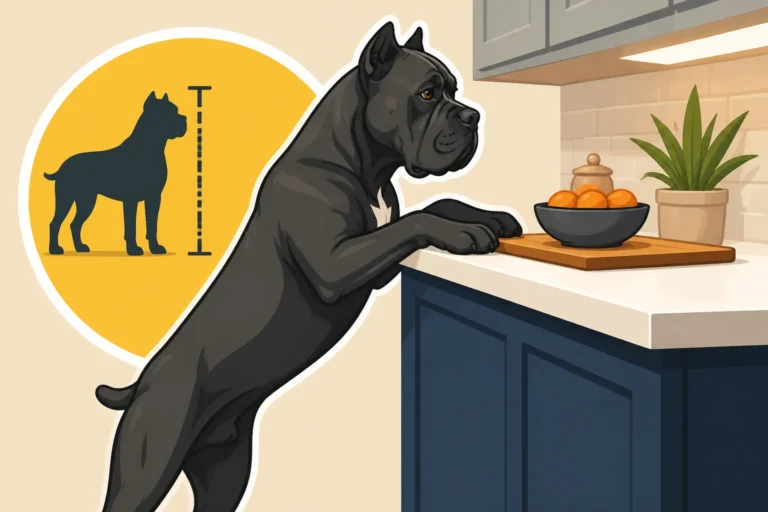
Cane Corsos are built like ancient Roman statues: broad-chested, heavily muscled, and incredibly powerful. This impressive physique, while magnificent, can actually be a disadvantage when it comes to spotting weight gain. Their dense musculature and thick skin can hide layers of fat that might be immediately obvious on a leaner, less robust breed. An owner might look at their "big-boned" or "bulky" Cane Corso and think they’re perfectly healthy, when in reality, they’re carrying more fat than is ideal. This makes a purely visual assessment tricky, especially since their natural build already gives them a commanding presence. What looks like healthy bulk could actually be the beginnings of obesity, putting them at risk without you even realizing it. You need to get your hands on them regularly to truly know.
Your Monthly Body Condition Check: A Hands-On Approach
Since visual cues can be misleading with a Cane Corso, a hands-on approach to body condition scoring is absolutely essential. This isn't just a "once-in-a-while" check; it should be a regular, monthly routine, especially during their rapid growth phases and as they transition into adulthood. Getting familiar with what a healthy Cane Corso feels like under your fingertips will empower you to make informed decisions about their diet and exercise.
The Rib Test: Feeling for the Sweet Spot
This is perhaps the most critical part of your monthly check. Stand beside your Cane Corso and gently run your hands along their sides, feeling for their ribs. You should be able to feel each individual rib with mild pressure, almost like feeling the knuckles on your hand if you slightly cup it. You shouldn't have to press hard to locate them, but you also shouldn't be able to see them protruding without feeling first. If you can clearly see the outline of their ribs, they're likely too thin, which can also be a health concern, possibly indicating nutritional deficiencies or an underlying issue. On the flip side, if you have to push firmly to even vaguely feel their ribs, or if you feel a soft, squishy layer over them, your Cane Corso is carrying too much weight. This is often the first subtle sign that food portions need to be adjusted or exercise increased. Checking a Cane Corso's Ribs With Your Hands is a skill every owner should master.
The Waistline and Tummy Tuck: Visual Cues
While we said visuals can be deceiving, once you've felt for the ribs, you can use visual cues to confirm your findings. Look at your Cane Corso from above. Just behind their rib cage, where their abdomen begins, you should see a noticeable "waist" — a gentle indentation before their powerful hindquarters. If they look like a straight, solid block from shoulders to tail, they're likely overweight. Now, look at them from the side. You should see an abdominal tuck-up, where their belly rises slightly from their chest to their groin, rather than hanging low or being parallel to the ground. A lack of this tuck-up, or a sagging belly, is a strong indicator of excess abdominal fat. This is particularly important as they transition from the gangly puppy stage to a more filled-out adolescent, as the "waist" might naturally become less dramatic but should never disappear entirely.
Muscle Definition: More Than Just Size
A healthy Cane Corso should be a powerhouse of muscle. When you run your hands over their shoulders, back, and hindquarters, you should feel firm, well-defined musculature. You should be able to make out the shape of their powerful shoulder blades and the solid mass of their thigh muscles. As they gain excess fat, this definition starts to soften. Instead of feeling hard, well-sculpted areas, you might feel a more uniform, padded layer. What might look like impressive size to the untrained eye could actually be a combination of muscle and fat, with the fat obscuring the true athletic build underneath. It’s important to remember that the goal isn't just a big dog, but a fit and athletic big dog. Regular exercise helps maintain this definition, but if you're consistently feeling softness instead of firm muscle, it's time to re-evaluate their diet and activity.
Beyond the Scale: Monitoring Growth and Diet Month to Month
While the scale gives you a number, it doesn't tell the whole story, especially with a breed like the Cane Corso that undergoes such dramatic development. What matters most is that their weight is appropriate for their age, height, and body condition. Focusing solely on a number can be misleading if you're not also assessing their overall physical development.
Tracking Your Cane Corso's Growth Curve
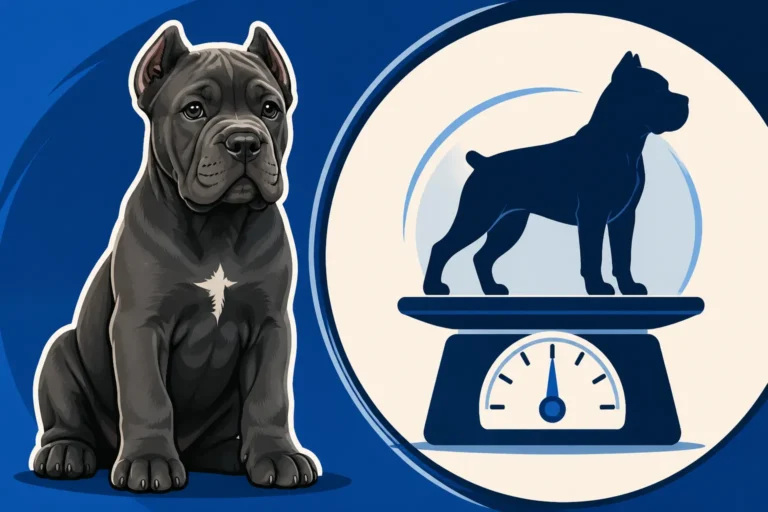
Cane Corso puppies grow at an astonishing rate, sometimes gaining several pounds a week. They typically reach their full height by around 12-18 months, but they continue to "fill out" and add muscle mass until they are closer to two or even three years old. Understanding The Growth Curve a Cane Corso Follows to Nineteen Months is vital. It's not just about how much they weigh, but how they're gaining that weight. Are they growing steadily and staying lean, or are they putting on weight disproportionately, looking rounder than they should? Overfeeding a puppy in an attempt to make them bigger faster is a recipe for orthopedic disaster. Instead, aim for slow, steady growth and a lean physique. If you're weighing your puppy monthly, compare their weight to the average ranges for their age, but always cross-reference with your body condition checks. Remember, a growth spurt should make them taller and longer, not necessarily fatter.
Adjusting Rations as Your Cane Corso Matures
The nutritional needs of a Cane Corso change dramatically from puppyhood through adulthood and into their senior years. A young, rapidly growing puppy needs a specific balance of nutrients, particularly calcium and phosphorus, to support healthy bone development. We know that The Calcium Ratio in a Cane Corso Puppy's Bowl is critical. As they mature and their growth rate slows, their caloric needs decrease. This is where many owners unintentionally start to see weight creep up. You might be feeding the same amount of food you did when they were 9 months old, but now, at 18 months, their body isn't burning as many calories for growth.
This is a key time to start meticulously adjusting food portions. Transitioning from a high-calorie large breed puppy food to an adult formula around 12-18 months is a common practice. When choosing food, look for high-quality options tailored for large breeds. Brands found on platforms like Chewy offer a wide variety of formulas, or if you're exploring fresh food options, companies like Ollie deliver directly. Always refer to the feeding guidelines on your chosen food, but treat them as a starting point. Your dog's individual metabolism, activity level, and environmental factors will dictate their actual needs. You might find you need to feed slightly less or more than the bag recommends to maintain an ideal body condition. And don't forget, if you choose to spay or neuter your Cane Corso, their metabolism will likely slow down further, making Cutting a Cane Corso's Cups After Neutering a necessary adjustment to prevent unwanted weight gain.
Exercise and Enrichment: Key to a Healthy Weight
Diet is one side of the coin; exercise and mental stimulation are the other. A Cane Corso is a working breed with significant energy needs, especially in their younger years. Regular, appropriate exercise is crucial not only for burning calories but also for building and maintaining strong muscle mass. Aim for consistent daily walks, playtime in a secure yard, or engaging in activities like obedience training or scent work. However, always be mindful of their developing joints; How Much Walking a Cane Corso Puppy Should Do and The Age a Cane Corso Can Start Real Exercise are important considerations. High-impact activities or long runs on hard surfaces should be delayed until they are fully grown, typically around 18-24 months.
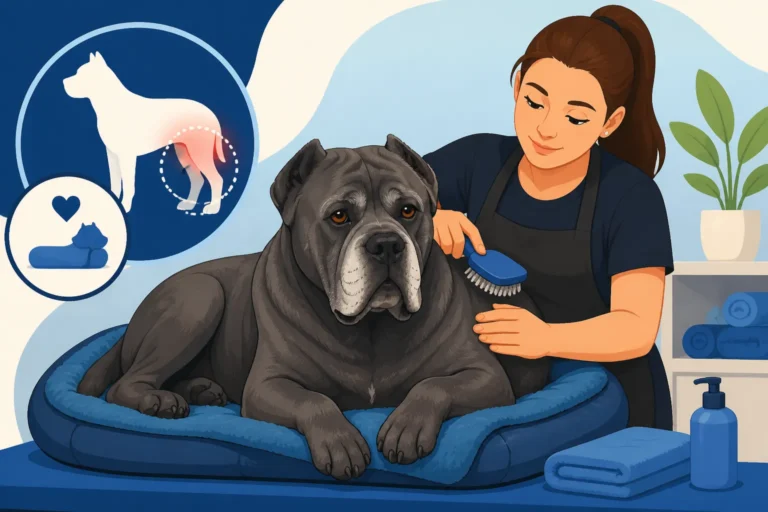
Mental enrichment is just as important as physical exercise. A bored Cane Corso can quickly become a destructive Cane Corso, and sometimes, boredom can lead to overeating or constant begging for treats. Puzzle toys, training sessions, and interactive games can help keep their minds engaged and reduce the chances of them just lying around burning minimal calories. Lack of sufficient exercise and mental stimulation contributes significantly to weight gain, which then creates a vicious cycle where they're less inclined to move due to discomfort. Remember, What Extra Weight Does to a Cane Corso's Hips can be devastating, so maintaining an active lifestyle is paramount for their joint longevity and overall well-being.
When to Seek Professional Guidance
Even with diligent monitoring, there might be times when you need to bring in the professionals. Veterinary guidance is invaluable for maintaining your Cane Corso's health, and it's always better to err on the side of caution when it comes to weight management.
Persistent Weight Gain Despite Best Efforts
If you’ve been consistently checking your Cane Corso’s body condition, carefully adjusting their food portions, and providing regular exercise, but they are still gaining weight or struggling to lose it, it's time for a visit to your veterinarian. There could be underlying medical conditions contributing to the weight gain that go beyond simple calories in, calories out. For instance, Hypothyroidism in a Middle Aged Cane Corso can cause unexplained weight gain, lethargy, and changes in coat quality. A vet can perform diagnostic tests, such as blood work, to rule out these possibilities. They can also offer expert advice on a more tailored diet plan or suggest specific exercises that are safe and effective for your dog's current condition and age. Don't feel like you've failed if you need to ask for help; you're being a responsible owner by recognizing when professional intervention is necessary.
Understanding Your Cane Corso's Ideal Weight Range
While body condition scoring is generally more accurate than a number on the scale, it's still helpful to have a general idea of the healthy weight range for a Cane Corso. However, this range can be quite broad due to genetic variations, sex, and individual build. A lean, athletic female might comfortably weigh 90 pounds, while a heavily boned male could be a healthy 130 pounds. Trying to force your Cane Corso into a generic "ideal weight" can be counterproductive.
Your vet can help you determine a realistic and healthy weight goal based on your dog's specific build and frame. They can also perform a professional body condition score, which is a standardized method that assigns a numerical value to your dog's body fat percentage. This objective assessment, combined with your hands-on checks, gives you the most accurate picture. Discuss with your vet what The Weight a Female Cane Corso Settles At or How Much a Grown Male Cane Corso Weighs should ideally be for your particular dog. Keep in mind that as they age, their metabolism might slow down, and their activity level could decrease, requiring further adjustments to their diet, sometimes even including specific senior formulas available from retailers like Amazon, to maintain a healthy weight and support their changing needs. Feeding an Old Cane Corso That Has Slowed Down requires thoughtful planning and often less food than their younger years.
| Age | Growth Stage | Body Condition Goal (Feel for Ribs) | Waistline/Tuck-Up | Exercise Focus | Dietary Considerations |
|---|---|---|---|---|---|
| 0-12 Months | Rapid Growth, Puppy | Easily felt, not seen; very lean | Prominent | Short, frequent walks; gentle play; no forced running or jumping | Large breed puppy food; correct calcium ratio; 3-4 meals/day; avoid overfeeding. |
| 12-24 Months | Adolescent, Filling Out | Easily felt, not seen; lean | Visible indentation | Moderate walks; increasing structured exercise | Transition to adult food; adjust portions as growth slows; 2 meals/day. |
| 2-7 Years | Adult, Peak Condition | Easily felt, not seen; muscular | Clear indentation | Consistent daily exercise; mental stimulation | High-quality adult food; adjust based on activity; monitor treats. |
| 7+ Years | Senior | Easily felt, not seen; maintain muscle | Less dramatic, still present | Shorter, gentler walks; swimming; light play | Senior formula food; monitor for muscle loss; adjust calories to prevent weight gain. |
Disclaimer: This article is for general informational purposes only and does not constitute professional advice. Laws, prices and regulations vary by location and change over time. Consult a qualified professional for guidance on your specific situation.