Grooming an Old Cane Corso That Cannot Stand Long
Bringing your beloved Cane Corso into their golden years is a true testament to the bond you share, but it also comes with its own unique set of challenges, especially when it comes to routine care. If you've found yourself wrestling with a hundred-pound senior dog who struggles to stand for even a few minutes, you know the frustration and heartbreak of wanting to keep them comfortable and clean while not causing them pain. This comprehensive guide is here to offer practical, empathetic strategies for grooming an old Cane Corso that can no longer stand for extended periods, ensuring their comfort and dignity throughout the process.
Understanding the Challenges of Senior Cane Corso Grooming
It’s easy to think of grooming as a simple task, but for an aging Cane Corso, it can become a significant hurdle. Their large size, coupled with the inevitable aches and pains of age, means that even a quick brush or nail trim can turn into a monumental effort for both of you. Recognizing these underlying issues is the first step toward finding solutions that work.
The Physical Limitations They Face
As our magnificent Cane Corsos age, their bodies undergo a lot of changes. Arthritis, hip and elbow dysplasia that might have been manageable in younger years can become debilitating. Managing Arthritis in a Hundred Pound Cane Corso is a reality many owners face. Standing for long periods, bending, or even shifting their weight can be painful. You might notice them favoring a leg, trembling, or simply refusing to get up when it's time for a brush. Their joints might be stiff, their muscles weaker, and their balance less reliable. What was once a quick stand for a belly brush now involves a slow, careful maneuver to prevent them from slipping or falling. They might also develop conditions like Wobbler Syndrome in a Cane Corso's Neck or Ruptured Discs in a Heavy Cane Corso, making certain positions impossible.
Beyond skeletal issues, older dogs can suffer from reduced stamina and general fatigue. A once vibrant, energetic dog might now tire easily, making even short grooming sessions exhausting. Their circulation might not be as efficient, and their skin can become more fragile, prone to tears or bruising. This fragility means you have to be extra gentle and aware of every touch, ensuring you don't inadvertently cause discomfort. Their vision and hearing might also decline, making them more easily startled or less responsive to your usual cues, adding another layer of complexity to the grooming routine.
Emotional and Stress Factors
It’s not just physical pain; our senior Cane Corsos also experience emotional and psychological stress during grooming. They pick up on our anxiety, and if they associate grooming with discomfort, they'll naturally resist. A dog that was once happy to be bathed might now dread the process, whimpering or trying to escape. This resistance isn't naughtiness; it's often a direct result of pain or fear. They may feel vulnerable when they can't stand steadily, and being manipulated or having their sensitive areas touched can heighten their stress.
The loss of control over their own bodies can be incredibly frustrating for a dog that was once so powerful and capable. This can manifest as grumpiness or a desire to be left alone, which can be misconstrued as aggression. It’s crucial to approach every grooming session with immense patience and empathy, understanding that their reactions stem from genuine distress. Building trust is paramount; if they feel safe and understood, even if they can't stand, they'll be more cooperative. We need to respect their cues and ensure that every interaction is as positive and reassuring as possible, reinforcing that we are there to help, not hurt.
Creating a Comfortable Grooming Environment
The key to successful grooming for an elderly Cane Corso is all about preparation. You can’t just grab the brush and expect them to comply like they did in their prime. You need to design an environment that caters to their specific needs, minimizing discomfort and maximizing their sense of security. What Changes in a Cane Corso's Care After Eight is a good thing to review as they enter their senior years.
Choosing the Right Location and Setup
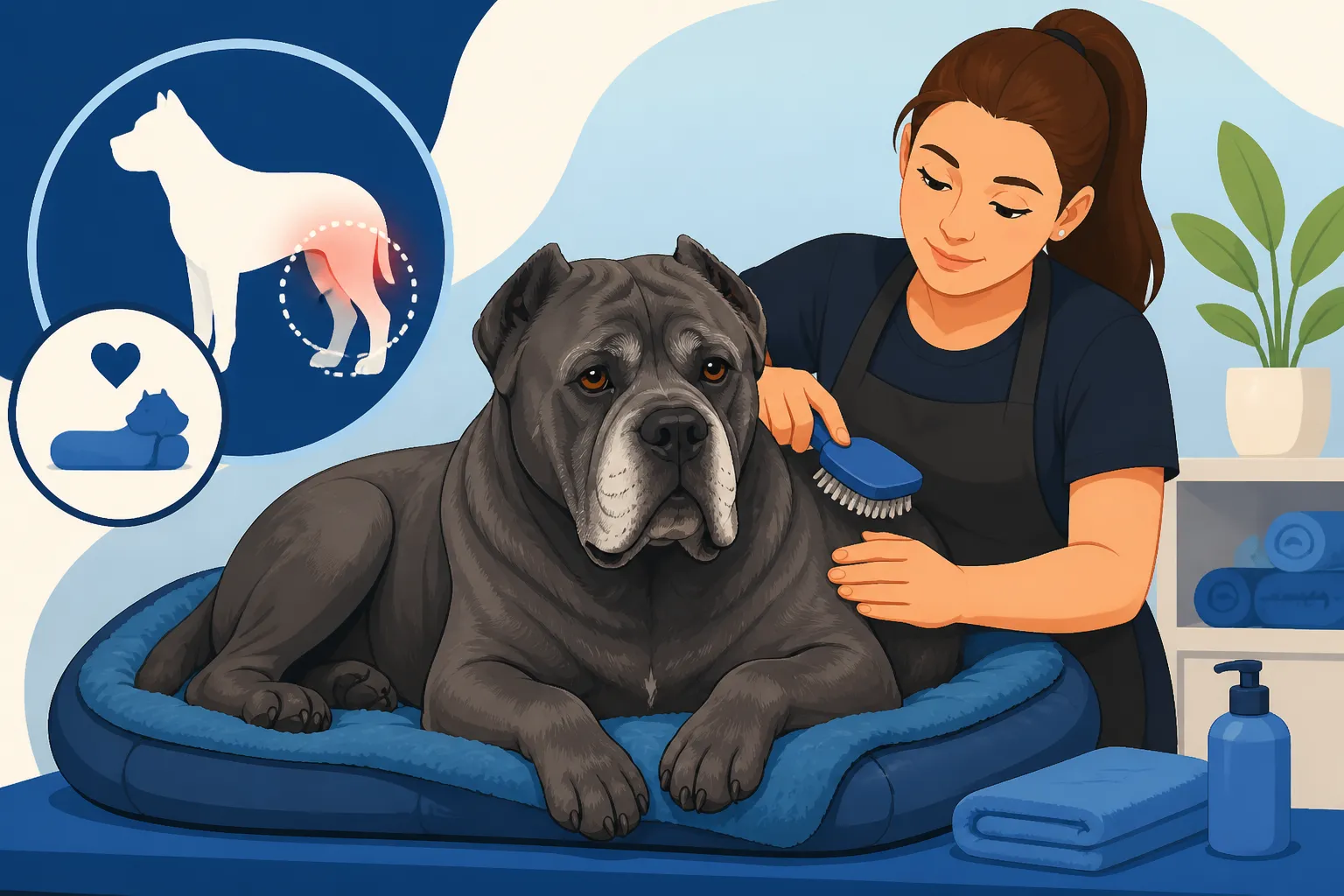
First, think about where you'll do the grooming. A slippery bathroom floor is out of the question. You need a stable, non-slip surface. A large, carpeted area or a room with thick rugs can be ideal. If you have a Orthopedic Beds Rated for a Cane Corso's Weight, that can be a fantastic base. You want them to be able to lie down comfortably, preferably on their side, allowing you access to most of their body without requiring them to shift too much.
Consider using a raised platform if you can find one that's wide and sturdy enough for your Cane Corso to lie on, and low enough for them to step onto easily, or with a ramp. This can save your back and make it easier to reach all parts of them without bending awkwardly. Make sure it's absolutely stable and doesn't wobble. Having good lighting is also crucial, so you can clearly see what you're doing and avoid accidental nicks, especially when dealing with delicate areas or overgrown nails. A calm, quiet space away from household bustle will also help reduce stress.
Essential Tools and Aids for Gentle Grooming
Having the right tools is half the battle. For brushing, instead of stiff wire brushes, opt for soft bristle brushes or rubber grooming mitts, which are gentle on fragile skin. A de-shedding tool can still be useful for their dense coat, but use it sparingly and with very light pressure. You can find many options on sites like Chewy that are designed for sensitive skin. For nails, a Dremel-style grinder is often less stressful and safer than clippers, as it reduces the risk of cutting the quick, especially if your dog pulls their paw away. Nails, Teeth and Feet on a Hundred Pound Cane Corso are all areas that require special attention in older dogs.
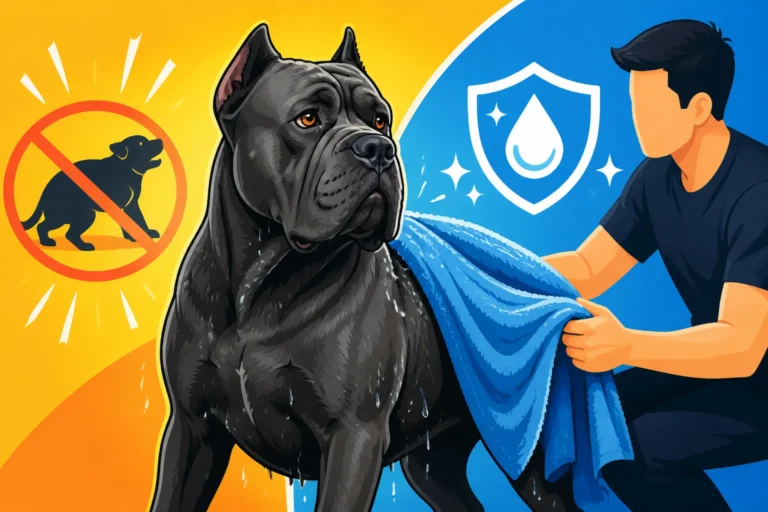
For bathing, a non-slip bath mat is essential. A handheld shower sprayer makes rinsing easier, so you don’t have to drench them with a bucket. Look for shampoos specifically formulated for senior dogs or those with sensitive skin, often available on Amazon. These are typically milder and won't strip their natural oils. If standing in a tub is impossible, consider a dry shampoo or waterless shampoo for quick clean-ups, or explore a professional groomer who offers mobile services or specialized setups for senior dogs. Towels should be soft and absorbent, and you might even invest in a doggy bathrobe to help them dry off faster without getting chilled.
Specific Grooming Tasks and Adaptations
Once your environment is set up, you can tackle the individual grooming tasks. Each one will require a thoughtful, gentle approach tailored to your Cane Corso's limitations.
Gentle Brushing and Coat Care
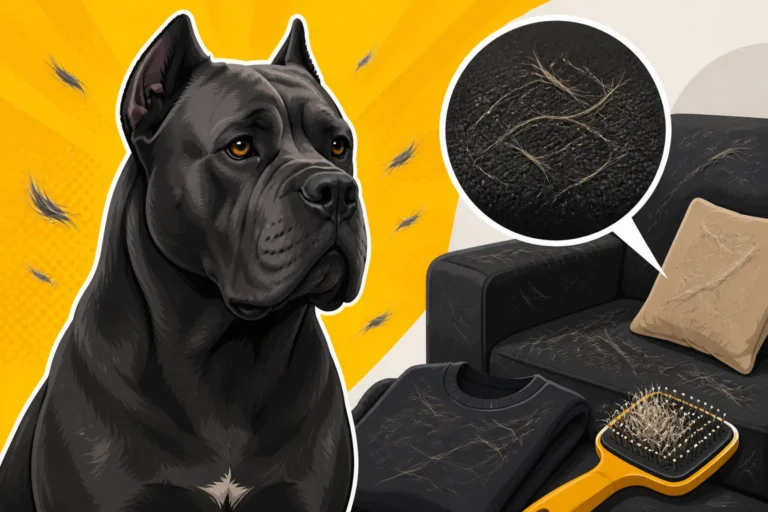
Your Cane Corso's short, dense coat still needs regular attention, even in old age. The Cane Corso Coat That Sheds More Than You Expect means brushing is still vital to remove loose hair and stimulate blood circulation, which is good for their skin. Start with them lying down comfortably on their side. Begin with slow, soft strokes, working from their head down their body. Pay close attention to their reactions; if they flinch or show discomfort in a particular area, move on and try again later or approach it from a different angle.
For areas that are hard to reach when they're lying down, you might gently encourage them to shift position, using treats and praise. If they can roll onto their other side, great. If not, you may need to carefully support them as they try to stand for a moment, or work around their position as best as you can. A rubber curry brush or grooming glove can be particularly effective and pleasant for them, as it’s more like a massage. Always check for mats, especially behind the ears, in the armpits, or on the flanks, and gently tease them out with your fingers or a wide-toothed comb rather than pulling. Remember, short, frequent sessions are far better than one long, exhausting one.
Nail Trimming and Paw Health
This is often one of the most challenging tasks, especially for a large dog who might be sensitive about their feet or have arthritic paws. Long nails can exacerbate joint pain and make walking even more difficult. If your Cane Corso can lie on their side, you can gently extend each paw and trim the nails one by one. As mentioned, a Dremel-style grinder is often preferred for senior dogs. It's less jarring than clippers, and you can gradually wear the nail down without risking a quick. Make sure the Dremel is charged and ready, and introduce it slowly, letting them hear the sound and feel the vibration before you touch their nails. Offer high-value treats throughout.
Beyond trimming, pay close attention to their paw pads. Older dogs can develop cracked pads or growths. Keep the hair between their paw pads trimmed short to prevent matting and improve traction. Gently massage their paw pads with a pet-safe balm to keep them moisturized. If you notice any redness, swelling, or unusual odors, it’s time for a vet check, as these could indicate infections or other issues that need medical attention. Remember to work quickly and efficiently, giving them breaks and plenty of praise.
Eye, Ear, and Dental Hygiene
These areas also need regular attention. For their eyes, especially if your Cane Corso has loose eyelids, gently wipe away any discharge with a soft, damp cloth or a pet-specific eye wipe. The Loose Eyelids Nearly Every Cane Corso Owner Meets often mean daily cleaning is necessary to prevent irritation and infection. Always wipe away from the eye, using a fresh part of the cloth for each eye to prevent cross-contamination.
For their ears, check for redness, odor, or excessive wax buildup. If your Cane Corso has natural ears, they can be more prone to infections. Gently clean the visible part of the ear with a cotton ball dampened with a vet-approved ear cleaner. Never stick anything down into the ear canal. If you suspect an infection or see dark, crusty discharge, consult your vet immediately.
Dental hygiene is crucial but often overlooked in older dogs. Plaque and tartar buildup can lead to painful gum disease and even affect their overall health. If your Cane Corso tolerates it, try to brush their teeth daily with a dog-specific toothbrush and toothpaste. If not, dental wipes or water additives can help. You can also explore dental chews, but choose softer ones for senior dogs whose teeth might be more fragile. What Senior Bloodwork Shows on a Cane Corso often includes indicators of organ health, which can be impacted by severe dental disease. Maintaining good oral hygiene can help prevent more serious health problems down the road.
Minimizing Stress and Maximizing Cooperation
Grooming shouldn't be a battle. For an older dog who is already dealing with discomfort, stress can make everything worse. Your goal is to make grooming as pleasant and stress-free as possible, transforming it into a positive bonding experience.
Short Sessions and Positive Reinforcement
The golden rule for senior dog grooming is short, frequent sessions. Instead of trying to do everything at once, break it down. Maybe one day is for brushing, another for nails, and a third for eyes and ears. Even a five-minute session of gentle brushing, followed by praise and a special treat, is more beneficial than a thirty-minute struggle. Your Cane Corso's attention span and physical endurance are likely much shorter now.
Positive reinforcement is your best friend. Use a calm, reassuring voice. Offer high-value treats constantly throughout the session – bits of cooked chicken, cheese, or their favorite soft treat. Make it a treat party! If they tolerate a particular grooming step, even for a second, praise them effusively. If they show signs of stress or pain, stop immediately. Respect their boundaries. You can try again later or the next day. The goal is to build a positive association with grooming, so they don’t dread it. Consider using a lick mat spread with peanut butter or pureed pumpkin during grooming to keep them distracted and happy. These simple strategies, combined with consistency, can make a huge difference in their cooperation.
When to Seek Professional Help
There comes a point when, despite your best efforts, certain grooming tasks become too difficult or painful for your senior Cane Corso, or too physically demanding for you. This is where professional help can be invaluable. Many groomers specialize in senior or special-needs dogs. They often have hydraulic grooming tables that can be lowered to the ground for easy access, and they are experienced in handling anxious or pain-averse dogs gently and efficiently.
Some mobile groomers will even come to your home, which can significantly reduce the stress of travel for your older dog. Discuss your Cane Corso’s specific needs and limitations with the groomer beforehand. Explain their arthritis, any sore spots, or areas they are particularly sensitive about. They can often provide services like bathing, thorough brushing, and nail trims, allowing you to focus on the daily maintenance you can manage. For tasks like Trimming an Old Cane Corso's Overgrown Nails which can be very difficult on black nails, a professional may have better tools and experience. Don’t view seeking professional help as a failure; it’s a loving choice that prioritizes your dog's comfort and well-being.
Diet and Supplements Supporting Senior Skin and Coat Health
Grooming isn't just about what you do on the outside; it's also about what you provide on the inside. A healthy diet and appropriate supplements can significantly impact your senior Cane Corso's skin, coat, and overall mobility, making grooming easier and more pleasant. Feeding an Old Cane Corso That Has Slowed Down is important for their internal health and external appearance.
Nutritional Needs for Aging Skin
As Cane Corsos age, their skin can become drier, less elastic, and more prone to issues. A high-quality diet specifically formulated for senior large breeds can make a world of difference. Look for foods rich in omega-3 and omega-6 fatty acids, such as those found in fish oil. These essential fatty acids are vital for maintaining skin hydration, reducing inflammation, and promoting a healthy, shiny coat. Many reputable dog food brands, including those found on Chewy or Ollie, offer senior formulas that focus on these nutritional benefits.
Beyond fatty acids, ensuring adequate protein intake is crucial for muscle mass and skin repair, but it needs to be easily digestible for an older digestive system. Antioxidants from fruits and vegetables can also help protect skin cells from damage. Sometimes, adding a fresh food component, like cooked lean meats or certain vegetables, can boost their nutrient intake and improve coat luster. Always discuss any significant dietary changes with your vet to ensure they meet your individual Cane Corso's needs, especially if they have underlying health conditions.
Supplements for Mobility and Overall Well-being
Supplements can play a supportive role in making your senior Cane Corso more comfortable, which in turn makes grooming less painful. Glucosamine and chondroitin are widely recognized for their joint-supporting properties, helping to maintain cartilage and reduce pain associated with arthritis. Whether a Cane Corso Benefits From Joint Supplements is a common question, and for seniors, the answer is often yes. Omega-3 fatty acids, often in the form of fish oil, not only benefit skin and coat but also have anti-inflammatory properties that can ease joint discomfort. Brands like Zesty Paws or Nordic Naturals, often available on Amazon, are popular choices.
Other supplements to consider, after consulting with your vet, might include turmeric for its anti-inflammatory effects, or CBD oil for pain relief and anxiety reduction. Some vets also recommend probiotics to support gut health, which can indirectly impact skin health and overall immunity. The goal of these supplements is to reduce pain and increase mobility, even slightly, so that your Cane Corso can tolerate being handled and shifting positions during grooming with greater ease. Keeping an Old Cane Corso's Muscle On is also vital, and supplements can aid this alongside gentle exercise. Always remember that supplements are not a substitute for veterinary care but can be a valuable addition to their senior care regimen.
| Grooming Task | Challenge in Senior Cane Corso | Recommended Adaptation | Essential Tools / Aids |
|---|---|---|---|
| Brushing | Pain from standing, sensitive skin, mats | Short, frequent sessions (5-10 min); dog lying down; gentle strokes; observe discomfort | Soft bristle brush, rubber curry, grooming mitt, de-shedding tool (light use) |
| Nail Trimming | Joint pain, fear of quicking, easily startled, shaky balance | Use grinder vs. clippers; work quickly; constant positive reinforcement; comfortable lying position | Dremel-style grinder, non-slip mat, high-value treats |
| Bathing | Inability to stand, slipping, chilling | Waterless shampoo, professional groomer with lift table, bath on orthopedic bed; warm water, quick dry | Non-slip mat, handheld sprayer, senior-friendly shampoo, soft towels |
| Eye Care | Discharge, irritation from loose lids, poor vision | Daily gentle wiping; approach slowly from front; check for redness/swelling | Soft damp cloth, pet eye wipes |
| Ear Care | Infection, wax buildup, discomfort | Weekly visual check; gentle cleaning of outer ear; don't probe deep | Cotton balls, vet-approved ear cleaner |
| Dental Care | Tartar buildup, gum disease, fragile teeth, pain | Dog-specific toothbrush/toothpaste, dental wipes, water additives, soft dental chews | Dog toothbrush, dog toothpaste, dental wipes |
Disclaimer
This article is for general informational purposes only and does not constitute professional advice. Laws, prices and regulations vary by location and change over time. Consult a qualified professional for guidance on your specific situation.