Nails, Teeth and Feet on a Hundred Pound Cane Corso
Living with a hundred-pound Cane Corso means you’re not just sharing your home with a pet; you’re cohabiting with a powerful, magnificent creature whose sheer size impacts nearly every aspect of their care. When it comes to something as seemingly simple as nails, teeth, and feet, the reality hits hard: what might be a quick trim for a smaller dog becomes a monumental task, and dental hygiene or paw health can quickly escalate into serious issues if neglected. This comprehensive guide will walk you through the practical, sometimes daunting, realities of keeping your giant companion’s nails, teeth, and feet in top shape, focusing on realistic strategies and proactive prevention.
Understanding the Unique Challenges of Grooming a Giant Breed
Taking on a Cane Corso means accepting the unique set of challenges that come with a large, strong, and intelligent guardian breed. What might be an inconvenience for a smaller dog owner can become a serious hurdle when your dog weighs as much as an adult human. This applies directly to the hands-on care needed for their nails, teeth, and feet.
The Sheer Size and Strength of a Cane Corso
Picture this: you're trying to trim the nails of a hundred-pound Cane Corso who decides, for whatever reason, that today is not the day for nail trims. This isn't like wrestling a chihuahua; this is a powerful animal capable of moving with incredible force and speed. Even a gentle protest can send you tumbling or leave you with scratches if you're not prepared. Their muscle mass and sheer body weight make handling them a physical endeavor, especially if they are not entirely cooperative. This isn't to say they're inherently difficult, but their physical presence demands respect and a well-thought-out approach to any grooming task.
Consider the ergonomics of getting down to their feet. For many owners, it means bending, kneeling, or finding a way to safely elevate them if they're small enough for a grooming table—which most adult Cane Corsos quickly outgrow. The scale of their mouth, teeth, and paws means specialized tools are often necessary, not just scaled-up versions of what you'd use for a beagle. Everything from the size of their toothbrush to the strength of your clippers needs to match the formidable build of your Cane Corso.
The Importance of Early Acclimation and Training
The single most crucial factor in successfully managing your Cane Corso's grooming needs is starting early and being consistent. From the moment your Cane Corso puppy arrives, you should be handling their paws, gently touching their teeth, and simulating nail trims. This isn't just about getting them used to the sensation; it's about building a foundation of trust and compliance. Imagine trying to introduce regular teeth brushing to a five-year-old Cane Corso who has never had a toothbrush in their mouth. It's an uphill battle, often met with confusion, resistance, and potentially fear.
Think of it as setting expectations. Every time you touch their feet, offer a high-value treat. Every time you lift their lip, reward them. Make these sessions short, positive, and frequent. Even if you're not actually trimming nails, practice holding their paw, extending their toes, and touching the clippers to their nails. This desensitization is paramount for a breed that can be naturally wary of unfamiliar handling. Consistency turns potentially stressful events into routine, expected parts of their day. This early work truly pays dividends when you're dealing with an adult dog who outweighs you.
Overcoming Fear and Resistance in a Large Dog
Even with the best early training, some Cane Corsos will develop anxieties or resistances to certain grooming procedures. Perhaps a nail was cut too short once, or a dental procedure left them feeling vulnerable. For a large dog, fear can manifest as avoidance, struggling, or even a snap if they feel cornered. Force is rarely the answer and can quickly erode trust, making future attempts even harder. Instead, a patient, force-free approach using positive reinforcement is key.
If your Cane Corso is struggling, break the task down into tiny, manageable steps. Can they tolerate you just touching their paw? Great, reward that. Can they allow you to hold their paw for a second longer? Excellent, more rewards. Work slowly, never pushing past their comfort level, and always end on a positive note, even if you only accomplished a small part of the task. Sometimes, a change in environment can help, or enlisting the help of a second person to distract with treats. For truly resistant dogs, or those showing signs of fear aggression, seeking guidance from a professional dog trainer experienced with large breeds is invaluable. They can offer tailored strategies and help you build confidence in both yourself and your Cane Corso.
Mastering Cane Corso Nail Care
Long nails on any dog are a problem, but on a powerful, heavy breed like the Cane Corso, they can lead to significant discomfort, structural issues, and even serious injury. Understanding how to manage their formidable nails is a non-negotiable part of responsible ownership.
The Dangers of Overgrown Nails and Their Impact on Gait
When a Cane Corso's nails get too long, they hit the ground before the paw pads do, creating a constant pushing force back into the toe joints. Imagine walking in shoes that are too small, forcing your toes back with every step. Over time, this can lead to splayed feet, arthritis, and structural changes in the foot and leg. Their natural gait, designed for powerful movement and stability, is compromised. This can manifest as an awkward walk, reluctance to move, or even lameness. Signs a Cane Corso's Hips Are Starting to Go can be exacerbated by poor nail care, as compensatory movements to avoid painful feet can strain other joints.
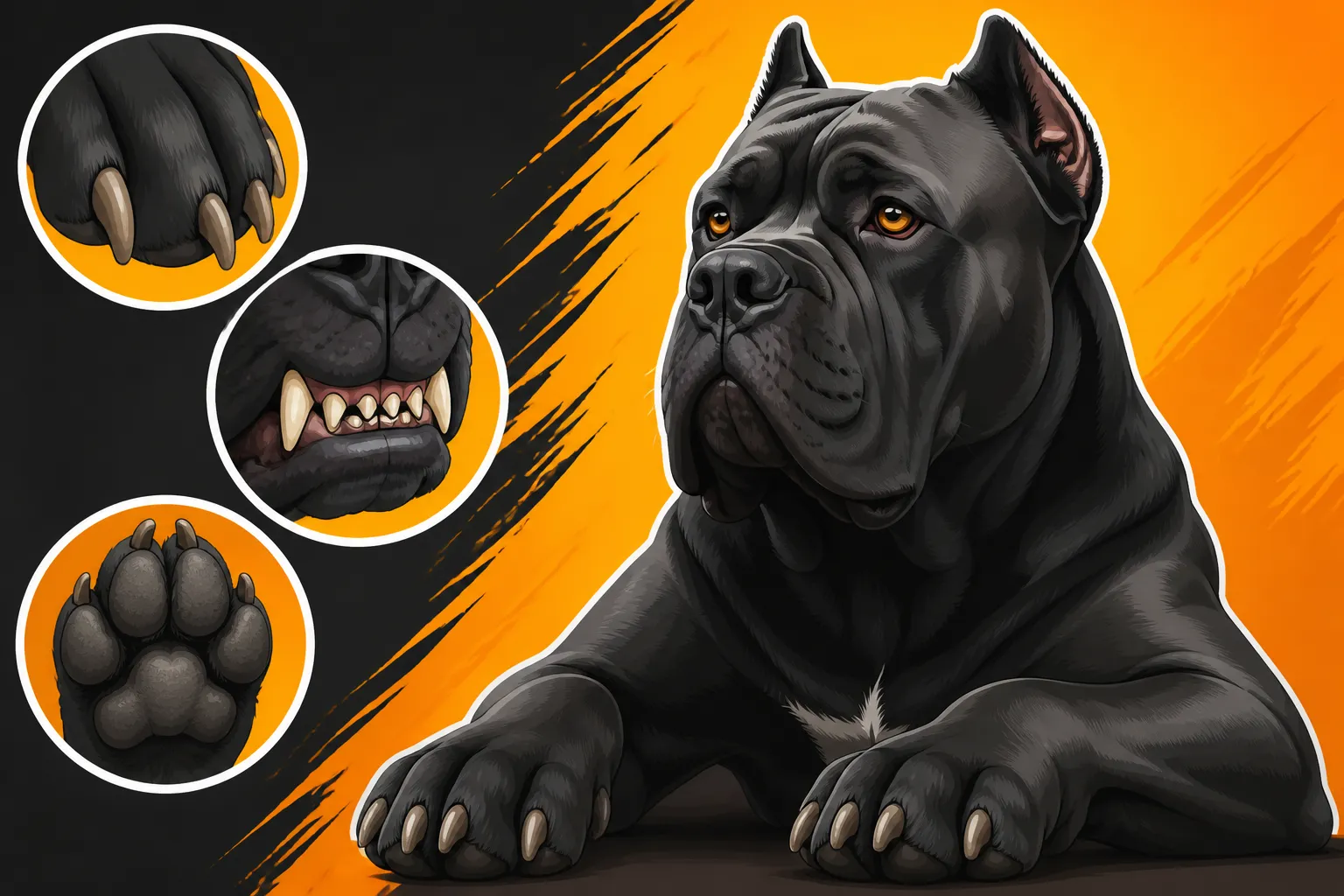
Beyond structural issues, overgrown nails are prone to snagging and tearing, which can be incredibly painful and often require veterinary intervention. A torn nail can bleed profusely, be susceptible to infection, and require sedated removal. Furthermore, long nails reduce traction on slippery surfaces, making your Cane Corso more prone to falls and injuries. The goal is to keep their nails short enough so that they don't touch the ground when your Corso is standing naturally on a flat surface. You shouldn't hear that tell-tale clicking sound as they walk across your kitchen floor.
Choosing the Right Tools: Clippers, Grinders, and Their Use
For a Cane Corso, you need heavy-duty tools. Small, flimsy clippers designed for toy breeds simply won't cut it. There are generally two main types of nail trimming tools: clippers and grinders.
Clippers:
- Scissor-style clippers: These resemble a pair of pliers with sharp, curved blades. They provide a quick, clean cut if used correctly. For a large breed like a Cane Corso, ensure you buy large, sturdy clippers from a reputable brand.
- Guillotine-style clippers: These have a small hole where the nail is inserted, and a blade slides across to make the cut. While popular for some breeds, they can sometimes crush the nail if dull or not used with enough force, and might not be robust enough for the thick nails of a large Corso.
No matter the style, ensure the blades are sharp. Dull clippers can crush the nail, causing pain and making the experience unpleasant for your dog. You can often find heavy-duty clippers on sites like Chewy or Amazon.
Grinders:
Nail grinders use a rotating abrasive stone or sandpaper band to gradually file down the nail. Many owners find grinders less intimidating than clippers, especially if they are nervous about cutting the quick. Grinders also allow for smoother, more precise shaping, which can be beneficial for getting the nails very short. However, grinders can create vibrations and heat, and the noise can be off-putting to some dogs. Introduce them slowly, starting with just turning the grinder on and rewarding your dog for calm behavior, gradually moving to touching their nail. Many modern grinders are quieter and cordless, making the process a bit easier.
Tackling the Quick and Black Nails Safely
The "quick" is the sensitive part of the nail that contains blood vessels and nerves. Cutting into the quick is painful, causes bleeding, and can make your Cane Corso extremely fearful of future nail trims. This is particularly challenging with black nails, which are common in many Cane Corsos, as the quick is not visible through the dark keratin.
Here’s how to approach it:
- Small Cuts: When cutting, take off only tiny slivers of the nail at a time. After each cut, look at the cut surface. You'll see a small, darker circle in the center. As you get closer to the quick, this circle will become larger and more oval, and the center will appear pinkish or grayish. Stop when you see this, or if you're unsure, stop well before.
- Angle: Cut the nail at an angle that mimics how the paw would naturally wear it down—often slightly upward from the underside of the paw.
- Grinding Technique: If using a grinder, touch it to the nail for only a second or two at a time, moving quickly from nail to nail. This prevents heat buildup and allows you to constantly check your progress. You'll also see that dark center appear as you get closer to the quick.
- Styptic Powder: Always have styptic powder (like Kwik Stop) on hand. This is a blood-clotting agent that will quickly stop bleeding if you accidentally cut the quick. A little pressure with the powder applied to the bleeding nail tip usually does the trick. Don't panic if it happens; it's a common mistake, even for experienced groomers.
Consistency is your ally here. Frequent, small trims are better than infrequent, drastic cuts. Aim for weekly or bi-weekly trims to keep the quick naturally receding with the nail, making it easier to maintain shorter nails over time. If your Corso has very long quicks due to past neglect, you might need to do very small trims every few days for a while to encourage the quick to recede. How Fast a Cane Corso's Nails Grow Back Between Trims can vary, but regular attention is always best.
Prioritizing Healthy Paws and Feet
A Cane Corso's feet are their foundation, bearing the brunt of their massive weight and powerful movements. Neglecting their paw health can lead to discomfort, lameness, and a diminished quality of life. Regular checks and proactive care are essential.
Examining and Protecting Your Cane Corso's Paw Pads
Your Cane Corso's paw pads are tough, but they're not invincible. They are exposed to all sorts of surfaces, from hot pavement in summer to icy sidewalks in winter, rough gravel, and sharp debris. Regularly inspect your dog's paw pads for any signs of trouble:
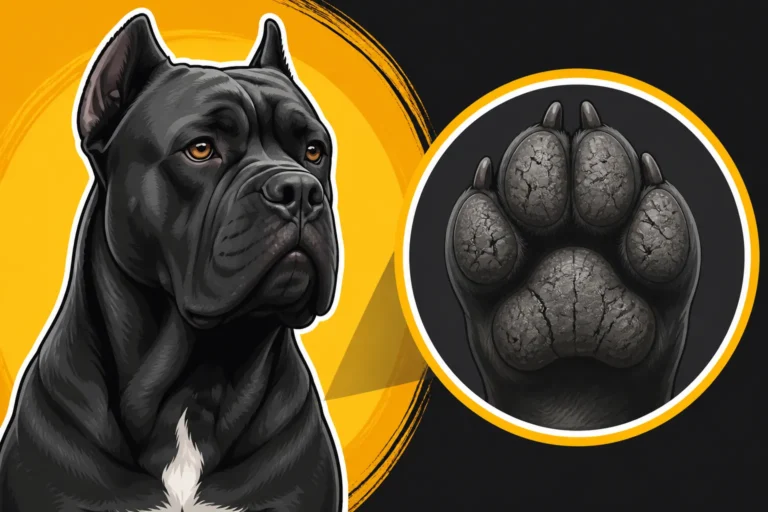
- Cracks or Dryness: Just like human skin, paw pads can become dry and cracked, especially in harsh weather conditions. This can be painful and lead to infections. Cracked Pads on a Working Cane Corso are a common complaint.
- Cuts, Scrapes, or Punctures: Even a small piece of glass or a thorn can cause a significant injury that might go unnoticed until lameness sets in.
- Foreign Objects: Check between the pads for pebbles, burrs, or bits of embedded debris that can cause irritation or infection.
- Blisters: Over-exercise on rough terrain or hot surfaces can lead to blisters.
To protect their pads, consider using paw balms or waxes, especially before walks in extreme weather. These create a protective barrier against harsh elements. Products like Musher's Secret or paw wax can be found readily on Amazon. In very hot weather, avoid walking your Cane Corso on asphalt or concrete during peak sun hours. If it's too hot for your bare hand, it's too hot for their paws. Similarly, in winter, be mindful of de-icing salts and chemicals, which can irritate and dry out pads; consider wiping their paws after walks or using protective booties.
The Often-Forgotten Dewclaws and Their Potential Issues
Dewclaws are essentially thumbs located higher up on the inside of the leg. Some Cane Corsos have dewclaws only on the front legs, while others may have them on all four, or even double dewclaws. While some breeds historically had their dewclaws removed, many Cane Corsos retain them, particularly on the front legs. The key thing about dewclaws is that they often don't make contact with the ground and thus don't wear down naturally like other nails.
This lack of natural wear makes them highly susceptible to becoming overgrown and curling inward, potentially growing into the paw pad itself. This is incredibly painful and can lead to severe infection. Regular inspection and trimming of dewclaws are paramount. Because they are often overlooked, they can grow quite long before an owner notices. Include dewclaw checks in your regular grooming routine. If your Cane Corso has double dewclaws or particularly prominent ones, ask your vet or groomer for guidance on the best way to keep them trimmed. Some owners opt for surgical removal if they are repeatedly getting caught or injured, but this is a decision best made with veterinary advice.
Addressing Common Foot Problems: Cracks, Infections, and Injuries
Foot problems can quickly escalate given a Cane Corso's weight and activity level. Catching issues early is critical.
- Infections: Bacteria or fungi can thrive in warm, moist environments, especially between the toes or in nail beds. Watch for redness, swelling, discharge, unpleasant odors, or excessive licking of the paws. If you notice any of these signs, a vet visit is warranted.
- Interdigital Cysts: These are painful lumps that form between the toes, often caused by embedded hairs or foreign bodies, leading to inflammation and infection. They can be challenging to treat and sometimes require surgery.
- Yeast Infections: A common culprit behind that yeasty, Frito-like smell on paws. These often accompany allergies and can cause itching and redness. The Yeast Smell on a Cane Corso's Skin Folds is a clear indicator that something might be amiss.
- Injuries: Beyond cuts and scrapes, Cane Corsos can suffer sprains or strains in their feet or toes from jumping, running, or missteps. A sudden lameness or refusal to put weight on a paw demands immediate attention.
Regularly cleaning your Cane Corso's feet, especially after muddy walks, can help prevent many of these issues. Use a soft cloth and warm water, paying close attention to the spaces between the toes and around the nail beds. Always ensure their feet are thoroughly dry afterward to discourage bacterial or yeast growth. If you suspect an injury or infection, don't try to self-diagnose or treat with home remedies; consult your veterinarian immediately.
Comprehensive Dental Care for Your Cane Corso
Dental health is often one of the most overlooked aspects of dog care, yet it's profoundly linked to overall health. For a breed as large and long-lived as the Cane Corso, neglecting their teeth can lead to serious, painful, and expensive problems.
The Silent Threat of Canine Periodontal Disease
Periodontal disease is the most common clinical condition in adult dogs, and Cane Corsos are no exception. It starts subtly with plaque, a sticky film of bacteria, food particles, and saliva, which quickly hardens into tartar (calculus). Tartar adheres to the teeth and irritates the gums, leading to gingivitis – inflammation of the gums. If left untreated, gingivitis progresses to periodontitis, where the infection spreads below the gumline, attacking the supporting structures of the teeth.
The consequences are severe:
- Pain: Infected gums and teeth are incredibly painful, leading to difficulty eating, reluctance to chew, or changes in behavior.
- Tooth Loss: As the bone and ligaments supporting the teeth are destroyed, teeth become loose and eventually fall out.
- Systemic Illness: Bacteria from the mouth can enter the bloodstream, traveling to major organs like the heart, kidneys, and liver, causing secondary infections and serious health issues. The Heart Muscle Disease Behind a Cane Corso's Cardiac Test can be influenced by chronic infection elsewhere in the body, including the mouth.
What makes it a "silent threat" is that dogs are incredibly stoic. They often hide pain until the disease is very advanced. You might not notice your Cane Corso is suffering until there are obvious signs like bad breath, drooling, or a reluctance to eat.
Effective Home Dental Routines: Brushing, Chews, and Water Additives
The cornerstone of good dental hygiene for your Cane Corso is regular brushing. Yes, it sounds daunting with a dog of their size, but it's the most effective way to remove plaque before it hardens into tartar.
- Brushing: Aim for daily brushing, or at least several times a week. Use a dog-specific toothbrush (some come with larger heads for bigger mouths) or a finger brush, and always use dog-specific toothpaste (human toothpaste contains fluoride and xylitol, both toxic to dogs). Introduce it slowly, letting them lick the toothpaste off your finger first, then gradually introducing the brush. Focus on the outside surfaces of the teeth, particularly the molars and canines, as these accumulate the most plaque. Teaching a Cane Corso to Accept a Toothbrush Early is crucial for long-term success.
- Dental Chews: High-quality dental chews can help reduce plaque and tartar buildup through mechanical abrasion. Look for VOHC (Veterinary Oral Health Council) approved products, as these have been scientifically proven to be effective. Be mindful of the size and hardness of chews for a powerful chewer like a Cane Corso; too hard can fracture teeth, too soft can be ineffective. Brands like Greenies or dental sticks from Chewy can be good options, but always supervise your dog with any chew.
- Water Additives: Some veterinarians recommend water additives that contain enzymes or other ingredients to help reduce bacteria in the mouth. These can be a supplementary tool, but they are not a substitute for brushing.
- Raw Bones (with caution): Some owners advocate for raw, recreational bones. While they can help clean teeth, they come with significant risks, including fractured teeth, choking, and gastrointestinal upset. Always discuss this with your vet before introducing raw bones.
Combining these methods provides the best defense against periodontal disease. Remember, consistency is far more important than intensity when it comes to daily dental care.
Understanding Professional Dental Cleanings and Anesthesia Risks
Despite the best home care, most Cane Corsos will eventually need professional dental cleaning, which is performed under general anesthesia. This allows the veterinarian to thoroughly examine the entire oral cavity, take X-rays to assess the health of the tooth roots and jawbone, scale away tartar above and below the gumline, and polish the teeth. If advanced disease is present, extractions or other procedures may be necessary.
It's natural to be concerned about anesthesia, especially for a large breed. However, modern veterinary anesthesia is much safer than it used to be. Your vet will perform pre-anesthetic blood work to check organ function and may recommend other diagnostics like an ECG, especially for a deep-chested breed like the Cane Corso who can be prone to certain cardiac issues. Anesthesia Risk in a Deep Chested Cane Corso is a legitimate concern, but your vet will take every precaution to mitigate these risks. They will monitor your dog's vital signs closely throughout the procedure.
The decision to proceed with a dental cleaning is a balance of risks versus benefits. The risks of untreated dental disease, including pain, tooth loss, and systemic illness, often far outweigh the carefully managed risks of anesthesia. Regular annual dental check-ups, even if a full cleaning isn't needed every year, are crucial for monitoring your Cane Corso's oral health and deciding when professional intervention is necessary. Don't wait until your dog is suffering from severe dental problems; proactive care can save them pain and save you significant vet bills down the line.
Essential Tools and Products for Canine Grooming
Having the right tools for grooming your Cane Corso isn't just about efficiency; it's about safety and effectiveness. Skimping on quality or using inappropriate tools can make tasks harder, less pleasant, and even dangerous for both you and your dog.
Must-Have Gear for Nails and Paws
For nails, you'll want to invest in robust, high-quality equipment.
- Heavy-Duty Nail Clippers: As discussed, a sturdy scissor-style clipper designed for large breeds is essential. Look for brands known for durable construction and sharp blades. Many owners swear by stainless steel models that stay sharp longer. Remember to replace them periodically, as even the best blades dull over time.
- Nail Grinder: If you or your Cane Corso prefers grinding, a powerful yet quiet cordless model is ideal. A grinder with multiple speed settings allows for more control. Some popular choices can be found on Chewy or Amazon, offering good battery life and effective grinding surfaces.
- Styptic Powder: This is a non-negotiable item for any nail-trimming kit. Having it within reach eliminates panic if you accidentally nick the quick.
- Paw Balm/Wax: A good quality paw balm protects against environmental stressors and keeps pads moisturized. Look for natural ingredients, especially since dogs tend to lick their paws.
- Soft Brush or Cloth: For cleaning paws after walks, a soft brush or microfibre cloth is handy for removing dirt and debris, especially from between toes. This helps prevent irritation and infection.
| Tool Type | Pros | Cons | Best For |
|---|---|---|---|
| Scissor Clippers | Quick, clean cut; relatively inexpensive | Risk of cutting quick; can be intimidating | Confident owners, dogs tolerant of quick trims |
| Nail Grinder | Safer for quick; smoother finish; less intimidating | Noise/vibration; generates heat; takes longer | Nervous owners, dogs with black nails |
| Styptic Powder | Stops bleeding instantly | Can sting; not a preventative measure | Emergency use during trims |
| Paw Balm | Protects pads; moisturizes | Can be greasy; needs regular application | All dogs, especially in harsh weather |
Dental Health Products That Actually Work
Beyond the basic toothbrush and toothpaste, there are several products that can aid your Cane Corso's oral hygiene routine:
- Dog Toothpaste: Flavored toothpastes (poultry, beef, peanut butter) make the experience more palatable for your dog. Enzymes in some toothpastes also help break down plaque.
- Dental Chews (VOHC-Approved): These are specifically formulated to help reduce plaque and tartar. Remember, choose the appropriate size for your Cane Corso to ensure effectiveness and safety. Brands like Virbac C.E.T. VeggieDent or Greenies are often recommended by vets.
- Water Additives: Products like Oxyfresh or Healthymouth can help reduce oral bacteria. They are often flavorless and simply added to your dog's drinking water. While they offer a layer of protection, they are not a replacement for brushing.
- Oral Gels/Sprays: Some products can be applied directly to the gums or teeth to help reduce bacteria and freshen breath. These can be useful for dogs that are resistant to brushing.
- Chew Toys: While not a direct dental tool, durable chew toys can contribute to dental health by providing mechanical abrasion as your Cane Corso chews. Look for toys made from tough rubber or nylon. Chew Prices for a Cane Corso That Destroys Everything can add up, so choose wisely.
When selecting dental products, always prioritize those recommended by your veterinarian or bearing the VOHC seal of acceptance. This ensures you're investing in products that have been proven effective.
Where to Find Quality Grooming Supplies
The good news is that access to quality grooming supplies for your Cane Corso is easier than ever.
- Online Retailers: Websites like Chewy and Amazon are fantastic resources. They offer a vast selection of clippers, grinders, toothpastes, brushes, paw balms, and dental chews, often at competitive prices. You can read reviews from other large dog owners, which can be invaluable when making purchasing decisions. They often have bulk options for items like dental chews, which can be cost-effective for a large breed.
- Specialty Pet Stores: Larger pet store chains often carry a good range of grooming tools for giant breeds. The advantage here is that you can physically handle the products, assess their size and sturdiness, and get advice from store associates.
- Veterinary Clinics: Your vet clinic will likely carry a selection of professional-grade dental products, including specific toothpastes, oral gels, and VOHC-approved chews. They can also provide guidance on which products are best suited for your Cane Corso's individual needs.
- Online Raw/Fresh Food Providers: Some fresh food delivery services, like Ollie, might also offer supplemental products or natural chews that support dental health as part of their broader pet care offerings. While their primary focus is nutrition, they often curate complementary items. Whether Fresh Food Is Affordable for a Cane Corso is a consideration, but some owners combine these with other dental care for a holistic approach.
Always research products thoroughly, read reviews, and when in doubt, consult your veterinarian for their recommendations. Investing in the right tools will make these essential grooming tasks much more manageable and effective.
When to Call in the Professionals
While a lot of your Cane Corso's routine care for nails, teeth, and feet can and should be done at home, there are certainly times when professional help is not just convenient, but absolutely necessary. Knowing when to step back and seek expert assistance can save you stress, prevent injuries, and ensure your Corso gets the best possible care.
Recognizing When DIY is No Longer Enough
There are several clear signals that you might need to bring in a professional groomer or veterinarian:
- Extreme Fear or Aggression: If your Cane Corso develops severe fear, anxiety, or aggression surrounding nail trims or dental checks, to the point where you cannot safely or effectively perform the task, it’s time to call in the pros. Pushing too hard can damage your relationship with your dog or result in injury to either of you. A professional groomer or vet tech often has specialized equipment, handling techniques, and a neutral environment that can make a difference.
- Overgrown, Difficult Nails: If your Corso’s nails have become severely overgrown, potentially curling into the pads, or if their quicks are very long and you’re too nervous to trim them back yourself, a professional can often tackle this more effectively and safely. They might use a stronger grinder, or if necessary, a vet might even sedate the dog for a stress-free, thorough trim. Managing Arthritis in a Hundred Pound Cane Corso means keeping nails short is vital; if you can't, a pro can help.
- Persistent Foot Issues: If your Cane Corso is repeatedly getting Cracked Pads on a Working Cane Corso, developing recurrent infections between their toes, or showing persistent lameness that you can’t resolve with basic care, a veterinarian needs to investigate. These issues can indicate underlying problems that require medical diagnosis and treatment.
- Advanced Dental Disease: If you notice heavy tartar buildup, inflamed or bleeding gums, persistent bad breath, or loose teeth, home care alone is not enough. Your Cane Corso needs a professional dental cleaning under anesthesia by a veterinarian to address the existing disease and prevent further complications.
Don’t view seeking professional help as a failure; it’s a responsible decision that prioritizes your dog’s well-being and your safety.
Finding a Groomer Experienced with Giant Breeds
Not all groomers are created equal, especially when it comes to handling a Cane Corso. The size and strength of these dogs require a specific skill set and often, specialized facilities. When looking for a professional groomer:
- Ask About Experience: Specifically inquire about their experience with giant breeds and, ideally, with Cane Corsos or similar Molosser types. Ask how they handle dogs that are resistant or anxious.
- Visit the Facility: Observe the grooming salon. Is it clean? Do they have large, sturdy grooming tables and appropriate restraints? Do the groomers seem calm and confident around larger dogs?
- Discuss Handling Techniques: Ask what methods they use for nail trims and other procedures. Do they use positive reinforcement? Are they force-free? A groomer who understands canine body language and employs gentle handling will make the experience much less stressful for your Cane Corso.
- Check Reviews: Look for online reviews, specifically mentioning large dog care. Personal recommendations from other Cane Corso owners in your area can also be invaluable.
- Trial Run: For a first visit, consider booking a short, low-stress appointment, like just a nail trim, to see how your Cane Corso reacts to the groomer and the environment before committing to a full session.
A good groomer can be a valuable partner in keeping your Cane Corso healthy and comfortable. They often have tricks and tools that make these challenging tasks much easier.
Partnering with Your Veterinarian for Ongoing Health
Your veterinarian is your primary partner in your Cane Corso’s overall health, including their nails, teeth, and feet. Regular vet check-ups are essential for catching issues early.
- Routine Exams: During annual wellness exams, your vet will perform a basic check of your Cane Corso's paws and mouth. This is a great time to discuss any concerns you have, whether it’s a strange odor from their paws or a chipped tooth you noticed.
- Dental Assessments: Your vet will assess your Cane Corso's dental health and advise when a professional cleaning might be necessary. They can also provide recommendations for home dental care products. Yearly Bloodwork on an Adult Cane Corso often precedes dental cleanings to ensure they are healthy enough for anesthesia.
- Addressing Injuries and Infections: For any significant injury, infection, or persistent lameness of the feet, your vet is the one to diagnose and treat the problem. This could involve antibiotics for an infection, X-rays for a suspected fracture, or even minor surgery for embedded foreign objects or stubborn interdigital cysts.
- Specialized Care: If your Cane Corso has complex issues, your vet might refer you to a specialist, such as a veterinary dermatologist for severe paw allergies or a veterinary dentist for advanced periodontal disease or oral surgery.
Maintaining open communication with your vet and being proactive with regular care will ensure your hundred-pound Cane Corso enjoys healthy, comfortable nails, teeth, and feet throughout their powerful lifespan.
Disclaimer
This article is for general informational purposes only and does not constitute professional advice. Laws, prices and regulations vary by location and change over time. Consult a qualified professional for guidance on your specific situation.