Cracked Pads on a Working Cane Corso
It's incredibly frustrating when your big, powerful Cane Corso, built for working and guarding, starts to show signs of discomfort, especially something as fundamental as sore feet. For a working dog, whether they're patrolling the perimeter, hitting the trails with you, or even just being an active family companion, cracked paw pads can truly hobble them, leaving you wondering how to keep their crucial "equipment" in top condition. This guide will walk you through understanding why your working Cane Corso might develop cracked paw pads, how to spot the signs early, and the best ways to prevent and treat this painful condition so your magnificent dog can get back to doing what they love.
Why Working Cane Corsos Are Prone to Cracked Pads
Let's be real, a Cane Corso isn't a delicate lapdog. They are robust, muscular animals bred for demanding work. Their very nature and the environments they often navigate put significant stress on their paw pads, making them more susceptible to cracks and injuries than many other breeds.
The Nature of Their Work and Environment
Think about what your Cane Corso does. Are they out on long hikes over varied terrain? Are they part of a protection sport program, training on asphalt or gravel fields? Do they spend their days patrolling a large property, encountering everything from concrete to rough, unpaved ground? All of these activities, while natural for the breed's drive and athleticism, take a toll.
Hot pavement in the summer, for instance, can quickly burn and dry out pads, leading to micro-fissures that deepen over time. Icy conditions and frozen ground in winter can cause pads to become brittle and prone to cracking, almost like chapped hands. Even constant friction on abrasive surfaces like concrete or rough dirt can slowly wear down the protective layers of the pads. Every powerful stride, every sudden stop or turn from a ninety-plus-pound dog exerts immense pressure on those paws. A Cane Corso's substantial weight means more impact force on each step, accelerating wear and tear compared to a lighter, less active dog. It's a testament to their strength that they endure so much, but it also means we, as their owners, need to be hyper-vigilant about their foot health.
The Anatomy of a Cane Corso's Paw Pads
A Cane Corso's paw pads are marvels of natural engineering. They're typically thick, leathery, and pigmented, designed to absorb shock, provide traction, and protect against a range of surfaces. These pads are composed of a tough, keratinized outer layer of skin, cushioned by fatty tissue and elastic fibers underneath. This structure allows them to grip and absorb impact, making them ideal for their historical roles as farm guardians and hunters.
However, even with their impressive durability, these pads aren't invincible. When exposed to extreme or prolonged stress – be it excessive heat, cold, dryness, or friction – the outer layer can lose its natural moisture and flexibility. Imagine your own skin becoming dry and chapped in harsh weather; the same principle applies. Small cracks can form, starting as superficial dryness and flaking, then progressing to deeper fissures that can become quite painful. These deeper cracks can expose sensitive underlying tissues, leading to bleeding, infection, and significant lameness. It's a vicious cycle where a small crack can quickly worsen if not addressed promptly, especially in a breed that constantly wants to be active. You might even find your Cane Corso start to show signs of discomfort that mimic Signs a Cane Corso's Hips Are Starting to Go if they're compensating for paw pain.
Recognizing and Preventing Cracked Pads
Catching cracked pads early can save your Cane Corso a lot of pain and prevent more serious issues. Prevention is truly the best medicine here, especially for such an active and heavy breed.
Early Signs and Symptoms to Watch For
The first step is knowing what to look for. After every walk, training session, or extended time outdoors, make it a habit to check your Cane Corso's paws. You're looking for visible changes and subtle behavioral cues.
Visible Signs:
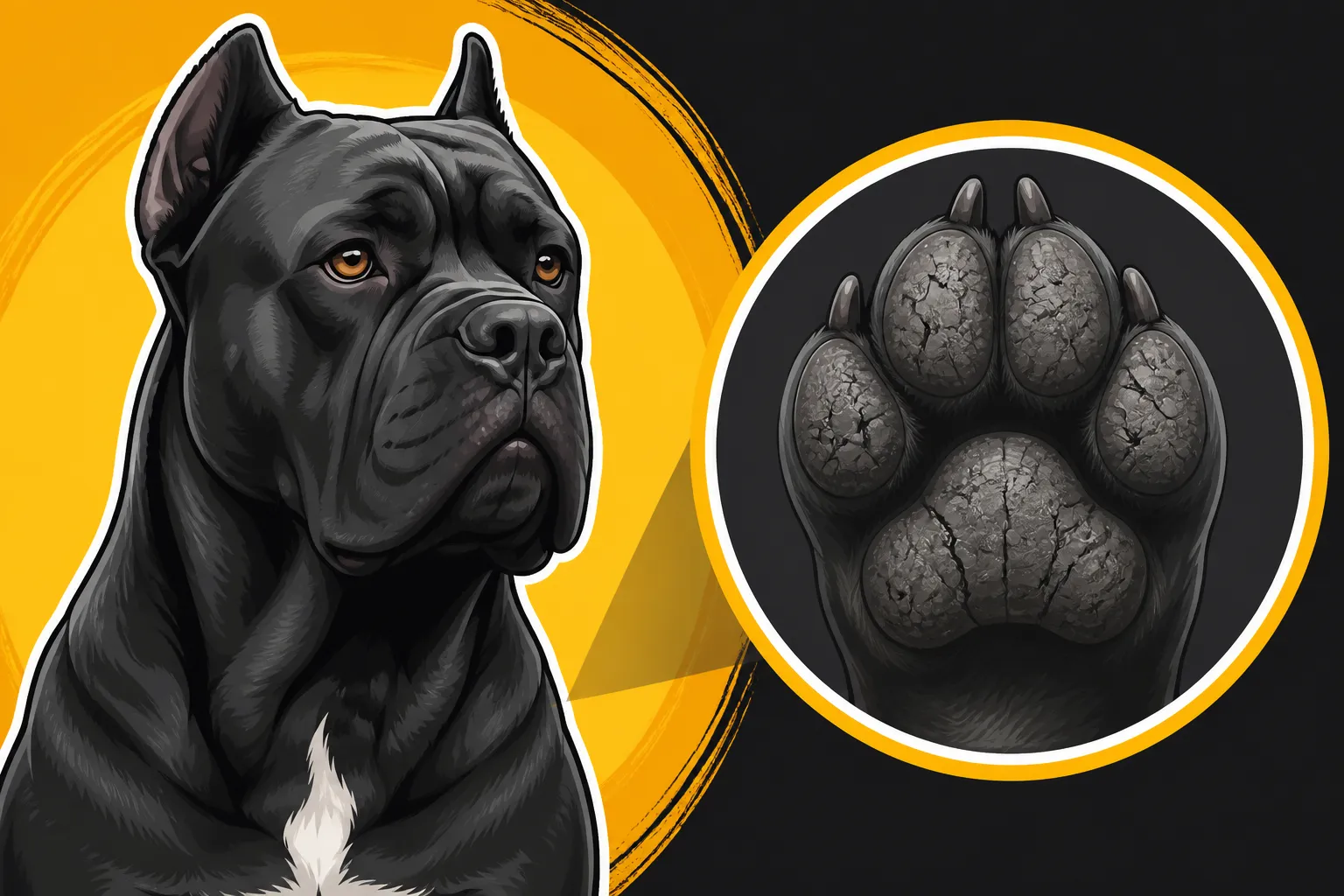
- Dryness and Flaking: The pads might look dull, chalky, or have small flakes of skin coming off. This is often the very first sign before deeper cracks form.
- Redness or Inflammation: The skin around the pads, or even the pads themselves, might appear redder than usual, indicating irritation.
- Small Cuts or Abrasions: Even tiny nicks from sharp debris can be entry points for bacteria if the pad is already compromised.
- Discoloration: While many Cane Corsos have naturally dark pads, any unusual pale spots or dark scabs should be investigated.
- Cracks or Fissures: These can range from fine lines to deep, gaping splits, sometimes even bleeding. Don't forget to check between the toes, where moisture and friction can also cause problems.
Behavioral Cues:
- Excessive Licking or Chewing: If your Cane Corso is constantly licking or gnawing at their paws, it's a clear sign of discomfort or irritation.
- Lameness or Limping: They might favor a paw, walk gingerly, or even refuse to put weight on it. This is a big red flag for pain.
- Reluctance to Walk or Play: A working Cane Corso who suddenly doesn't want to go for their usual walk or engage in play is telling you something is wrong.
- Sensitivity to Touch: They might pull their paw away or yelp when you try to examine it.
Making paw checks a routine, perhaps while they're relaxing after dinner, helps them get used to it and allows you to spot issues before they escalate. Consistent care, including attention to details like Nails, Teeth and Feet on a Hundred Pound Cane Corso, ensures overall paw health.
Proactive Care for Tougher Paw Pads
Building resilient paw pads is a continuous effort, combining good nutrition, conditioning, and protective measures.
Hydration and Nutrition
What goes into your Cane Corso’s body absolutely impacts their skin and paw health. Ensuring they have access to fresh water at all times is fundamental; just like our skin, their pads benefit from internal hydration. A high-quality diet, rich in essential fatty acids (like Omega-3s from fish oil), can significantly improve skin elasticity and moisture. Many owners choose to add a fish oil supplement to their dog’s food for this very reason. You can often find a good range of these supplements on Chewy or Amazon. Remember, keeping a Cane Corso at a healthy weight is also vital, as excess weight puts more strain on their paws.
Regular Conditioning
You wouldn't run a marathon without training, and your Cane Corso's paws need similar conditioning. Gradually exposing them to different textures and surfaces, starting from a young age, can help toughen their pads naturally. If your Cane Corso is primarily used to soft grass, don't suddenly take them on a five-mile hike over rocky terrain. Build up their tolerance slowly, allowing their pads to adapt and thicken. This ties into how you should manage How Much Walking a Cane Corso Puppy Should Do as they grow.
Paw Protection
Sometimes, even with the best conditioning, you need an extra layer of defense.
- Paw Balms and Waxes: These are your secret weapon. Products specifically designed for dog paws create a protective barrier against harsh elements while also moisturizing and healing minor dryness. Apply a good paw balm before going out on hot pavement or icy sidewalks, and again before bed. Brands like Musher's Secret or various organic balms are popular choices, readily available on Amazon. They act like a good hand cream, preventing chapping and keeping pads supple.
- Boots and Shoes: For extreme conditions or if your Cane Corso has an existing injury, dog boots are invaluable. They protect against scorching asphalt, freezing snow, road salt, sharp rocks, and chemicals. It's crucial to get boots that fit properly – too loose and they'll chafe, too tight and they'll restrict blood flow. You'll find a wide variety of durable boots, suitable for a large breed like a Cane Corso, on Chewy. While it might take some patience to get your dog used to wearing them, the protection they offer is often worth the effort.
Environmental Management
Be mindful of the surfaces your Cane Corso walks on. During summer, avoid walking during the hottest parts of the day when asphalt can reach dangerously high temperatures. Early mornings or late evenings are much safer. Similarly, in winter, be aware of de-icing salts and chemicals that can irritate and dry out paw pads; rinse their paws thoroughly after walks if you suspect exposure. Always prioritize your dog's comfort and safety, even if it means altering your routine slightly. Understanding The Temperature a Black Cane Corso Should Not Walk In can save their paws and prevent heatstroke.
Treating and Managing Cracked Pads Effectively
When prevention isn't enough, or you spot a crack, knowing how to treat it promptly and when to get professional help is crucial.
First Aid for Minor Cracks and Abrasions
For small cracks, dryness, or minor abrasions that aren't bleeding profusely or showing signs of deep infection, you can often start with at-home first aid.
- Clean the Area: Gently clean the paw pad with lukewarm water and a mild, pet-safe antiseptic soap. You want to remove any dirt, debris, or irritants. Pat it dry thoroughly with a clean towel.
- Apply Antiseptic: If there's a small cut or open crack, apply a veterinarian-approved antiseptic solution or spray to prevent infection. Avoid human-grade products unless specifically advised by your vet, as some can be toxic if licked.
- Moisturize and Protect: Once clean and dry, apply a generous amount of a high-quality paw balm or wax. These products are formulated to soothe, moisturize, and promote healing. Reapply several times a day, especially before and after outdoor excursions. Look for balms with natural ingredients on Amazon that don't contain harsh chemicals.
- Bandaging (If Needed): For deeper, non-infected cracks, a light, breathable bandage can help keep the area clean and protected during healing, especially if your Cane Corso is prone to licking. Ensure the bandage isn't too tight and change it daily to check the wound and allow air circulation. If the bandage gets wet, change it immediately.
- Prevent Licking: Dogs have an instinct to lick wounds, but excessive licking can introduce bacteria and hinder healing. If your Cane Corso can't leave the paw alone, an Elizabethan collar (E-collar) may be necessary to allow the pad to heal undisturbed.
Remember, even minor issues can become serious if ignored, so consistent care is key.
When to Seek Veterinary Intervention
While many minor paw pad issues can be managed at home, there are definite signs that warrant a trip to the vet. Don't hesitate if you observe any of the following:
- Deep Fissures or Bleeding: Cracks that are deep, open, or actively bleeding need professional assessment. These are painful and highly susceptible to infection.
- Signs of Infection: Swelling, redness spreading beyond the crack, pus, a foul odor, or persistent pain indicate an infection that likely requires antibiotics or other medical treatment.
- Severe Lameness: If your Cane Corso can barely put weight on their paw, is unwilling to move, or appears to be in severe pain, a vet visit is essential. This could indicate a deeper injury or infection.
- Cracks Not Healing: If, despite your best home care efforts, the cracks don't show improvement within a few days or seem to be worsening, it's time for professional guidance.
- Underlying Conditions: Sometimes, cracked pads aren't just from environmental wear and tear. They can be a symptom of underlying health issues like autoimmune diseases (e.g., pemphigus), zinc deficiency, or hereditary hyperkeratosis (excessive thickening and hardening of the pads). A vet can run tests to rule these out.
Your vet might prescribe stronger topical medications, oral antibiotics, pain relief, or even special therapeutic paw soaks. In rare, severe cases, surgical intervention might be considered for very deep, persistent fissures. Addressing issues like The First Sign a Cane Corso Is Bloating with immediate veterinary care shows the same urgency as deeply cracked pads.
Long-Term Maintenance and Recovery
Once a crack develops, the recovery period needs careful management to ensure proper healing and prevent recurrence.
- Restricted Activity: This is crucial. Your Cane Corso needs time for their pads to heal without constant pressure or friction. This might mean shorter, slower walks on soft surfaces, or even complete rest for a few days, depending on the severity. It can be tough to keep an active Cane Corso quiet, but it's essential.
- Consistent Paw Care Routine: Continue with daily cleaning, moisturizing, and checking the healing progress. This isn't a "one and done" situation. Incorporate paw balm application into your daily routine, much like you would brush their teeth or clean their ears.
- Reassess Work and Environment: Take an honest look at what might have caused the cracks. Can you adjust their working environment? Are you pushing them too hard on abrasive surfaces? Consider modifying their training schedule or investing in better protective gear for future outings.
- Dietary Support: Re-evaluate their diet with your vet. Ensuring they are getting adequate nutrition, potentially with supplements that support skin and coat health, can help prevent future issues. Some owners explore fresh food options, like those offered by Ollie, to ensure a highly nutritious and species-appropriate diet that supports overall health, including resilient paws.
- Patience is a Virtue: Paw pads can be slow to heal because they are constantly in use. Be patient, consistent, and celebrate small improvements. The goal is to return your Cane Corso to full health and comfort, allowing them to continue their active life, whether it's working the farm or just enjoying a long walk in the park. Ensuring their joints are healthy, as discussed in Whether a Cane Corso Benefits From Joint Supplements, goes hand-in-hand with good paw care.
| Paw Protection Method | Best For | Pros | Cons | Application Tips |
|---|---|---|---|---|
| Paw Balms/Waxes | Dry, chapped pads; minor abrasions; daily prevention | Moisturizes, creates protective barrier, easy to apply, often natural ingredients | Can wear off quickly, doesn't protect from sharp objects or extreme heat/cold | Apply before and after walks; rub in well, especially before bed. Keep a tin handy for quick touch-ups. |
| Dog Boots | Extreme weather (hot/cold), rough terrain, existing injuries | Excellent protection from elements, sharp objects, and chemicals; supports healing | Can be expensive, takes time for dog to adapt, may rub if ill-fitting | Measure paws carefully for fit. Introduce gradually with short wear times indoors before long outings. |
| Paw Socks | Indoor protection, minor irritation, light bandaging | Lightweight, comfortable, prevents licking indoors, good for allergies | Limited outdoor protection, not durable for heavy activity, can slip off | Use for resting indoors or very gentle, short outdoor excursions on soft ground. |
Caring for a working Cane Corso means understanding their needs from head to tail, and certainly from their robust bodies down to their incredibly hard-working paw pads. By being proactive and attentive, you can ensure their foundations remain strong and healthy for years of loyal companionship and impressive work.
Disclaimer
This article is for general informational purposes only and does not constitute professional advice. Laws, prices and regulations vary by location and change over time. Consult a qualified professional for guidance on your specific situation.