Whether a Cane Corso’s Dewclaws Need Attention
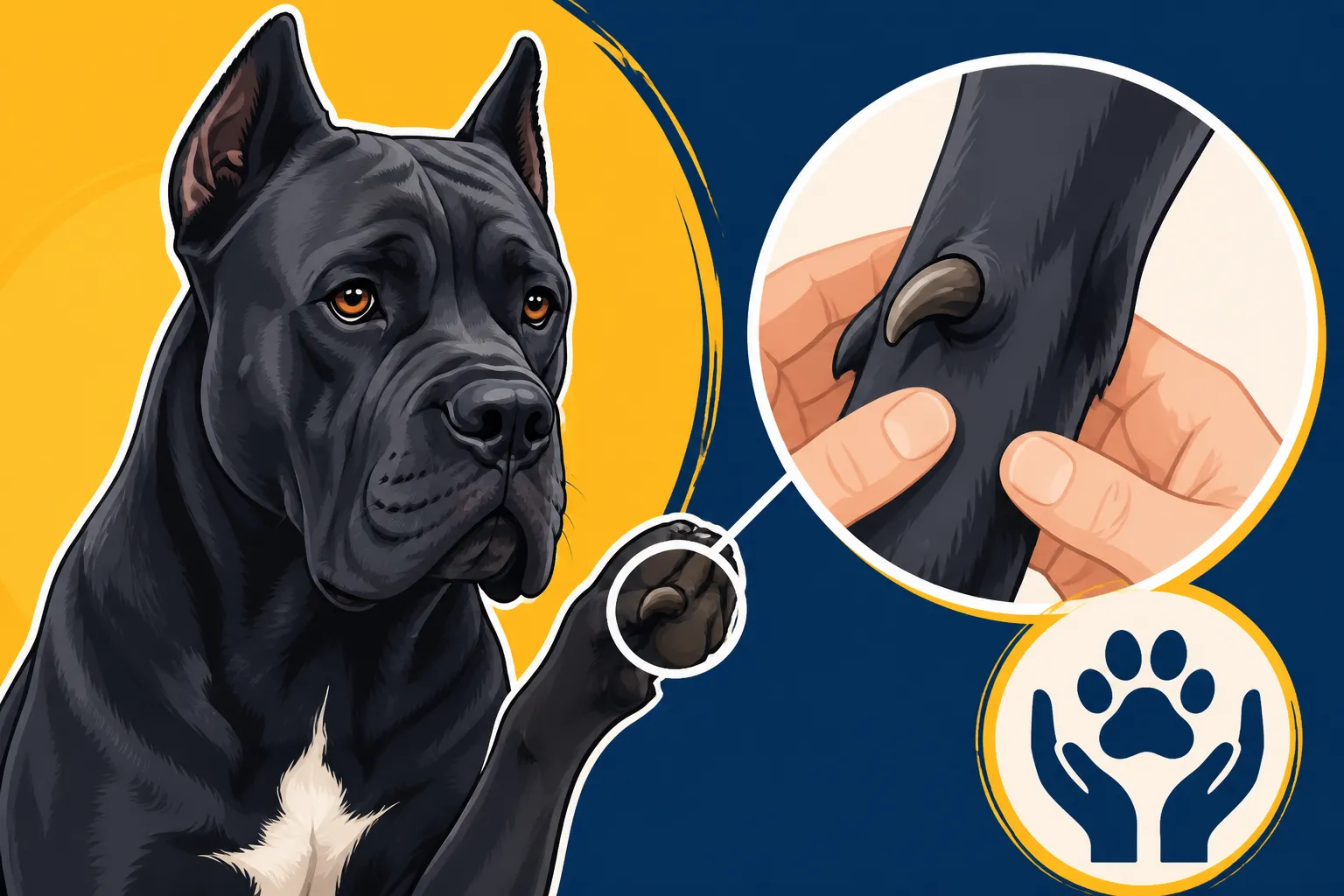
It’s a common moment for Cane Corso owners: you’re petting your majestic giant, running your hand down their sturdy leg, and then you feel it – that extra little nail, sometimes hanging loosely, sometimes tucked tightly against the leg. This is the dewclaw, and while it might seem like a minor detail on such a powerful dog, neglecting it can lead to surprising pain, serious injuries, and even chronic problems for your beloved companion. This guide will walk you through everything you need to know about your Cane Corso’s dewclaws, why they matter, and how to keep them healthy and happy.
Understanding Cane Corso Dewclaws: What They Are and Why They're Important
Those little "extra" nails on your Cane Corso’s legs, known as dewclaws, are often misunderstood. Many people assume they're vestigial, completely useless, and always a problem waiting to happen. While it's true they can be prone to injury, the reality is a bit more nuanced, especially depending on where they're located and how they're attached. For such a large and active breed, understanding these unique digits is a crucial part of responsible ownership.
Front Dewclaws vs. Rear Dewclaws: A Crucial Distinction
When we talk about dewclaws, it's important to differentiate between those on the front legs and those on the rear. This isn't just a minor anatomical point; it affects how functional they are and how much attention they require.
Front dewclaws are found on the inside of your Cane Corso's front legs, usually just above the paw. These are almost always attached to the bone of the leg, essentially functioning as a fifth toe. Think of them like your thumb – while not used for walking, they can provide a surprising amount of grip and stability. When your Cane Corso runs at full tilt, turns sharply, or navigates uneven terrain, these front dewclaws can actually engage with the ground, providing extra traction and helping to stabilize the wrist joint. Some experts even suggest they help prevent torque and injury to the carpal joint (the wrist) when a large, powerful dog like a Cane Corso is performing high-impact activities. For this reason, many breeders and veterinarians advocate for leaving well-attached front dewclaws intact.
Rear dewclaws, however, are a different story entirely. These are located on the inside of the back legs, again, just above the paw. The key difference here is that rear dewclaws are often not attached to the bone. Instead, they might be loosely connected by only skin and connective tissue. Sometimes a Cane Corso will have single rear dewclaws, other times they might even have doubled dewclaws, making for quite a floppy spectacle. Because they lack bony support, these rear dewclaws tend to dangle, making them highly susceptible to snagging, tearing, and injury. They don't offer the same functional benefits as their front counterparts and are, for the most part, simply extra digits. This is why you often hear more discussion and concern about rear dewclaws than front ones.
The Function (or Lack Thereof) of Dewclaws in Cane Corsos
While we've touched on it, let's dive a bit deeper into what these dewclaws actually do for a Cane Corso. For the front dewclaws, imagine your Cane Corso digging furiously, trying to get to a buried treat, or perhaps scrambling up a steep bank. That extra digit can provide leverage, acting almost like a thumb to grip and stabilize. In certain canine sports, or even just during vigorous play, these front dewclaws can be surprisingly active, assisting with quick turns and maintaining balance. They are part of the complex biomechanics of a dog's leg and can contribute to overall structural integrity, especially in a breed known for its power and athleticism.
Rear dewclaws, on the other hand, truly have little to no functional purpose for most Cane Corsos. Since they are often only attached by skin, they simply flop around. They don't aid in traction, balance, or grip. Their primary "function" seems to be existing as a potential snag hazard. If your Cane Corso has these unattached rear dewclaws, they are essentially a cosmetic feature that requires diligent maintenance to prevent injury. Knowing this distinction helps you understand why some owners choose to remove rear dewclaws while opting to keep the front ones.
Common Misconceptions About Dewclaws
There are a lot of old wives' tales and misinformation floating around about dewclaws. Let's clear up a few common misconceptions that can lead to confusion or improper care for your Cane Corso.
One major myth is that "all dewclaws are useless and should be removed." As we've discussed, front dewclaws, when properly attached, can indeed have a functional role. Removing them could potentially alter your Cane Corso's gait or put additional stress on their wrist joints over time. While the scientific consensus on the precise extent of their function is still debated, it's certainly not accurate to label all dewclaws as entirely useless.
Another misconception is that "dewclaws don't hurt if they tear or get injured." This is simply not true. A torn dewclaw can be incredibly painful, often bleeding profusely and exposing the quick (the sensitive nerve and blood vessel supply within the nail). Imagine tearing your own fingernail or toenail right down to the quick – it's excruciating. For a powerful dog like a Cane Corso, who might continue to run or move on an injured paw, the pain can be amplified and lead to further damage. Owners who have experienced a torn dewclaw incident with their dog will tell you it's a traumatic event for both the dog and the human.
Lastly, some people believe that "dewclaw care is the same as regular nail care." While both require trimming, dewclaws often need more frequent attention. Because they don't typically make contact with the ground when your Cane Corso walks, they don't wear down naturally like the other nails do. This means they can grow unchecked and curl back into the paw pad, creating a whole host of problems we'll delve into next. Understanding these distinctions is key to providing appropriate care.
The Risks and Realities of Neglecting Cane Corso Dewclaws
For a Cane Corso, an unattended dewclaw isn't just an aesthetic issue; it's a significant health and safety concern that can lead to acute pain and long-term problems. Given their large size and active nature, any issue with their paws or legs can profoundly impact their quality of life. Owners often don't realize the extent of the trouble these small digits can cause until it's too late.
Overgrown Dewclaws: A Painful Problem
This is by far the most common issue associated with neglected dewclaws, especially the rear ones or any dewclaw that doesn't make ground contact. Because these nails don't get natural wear from walking on various surfaces, they grow continuously, just like all other nails. However, unlike the main paw nails, dewclaws tend to curl inward.
Imagine a large, thick nail slowly, inexorably growing in a tight circle. Eventually, the tip of that nail will pierce the delicate skin of your Cane Corso's paw pad or the fleshy part of their leg, creating a self-inflicted wound. This isn't just a minor poke; it's like having a sharp, ingrown toenail, but much worse. The continuous pressure and penetration can cause intense pain with every step, leading to limping, reluctance to walk, and behavioral changes due to discomfort. The wound created by the ingrown nail is also a perfect entry point for bacteria, leading to painful infections, swelling, and pus.
A Cane Corso suffering from an ingrown dewclaw might try to chew at their paw constantly, further irritating the area. If left untreated, the infection can spread, requiring veterinary intervention that could include antibiotics, pain medication, and potentially even minor surgery to address the embedded nail and clear up the infection. This whole ordeal is entirely preventable with regular, consistent trimming. You can learn more about general nail health for your large companion in Nails, Teeth and Feet on a Hundred Pound Cane Corso, and understanding How Fast a Cane Corso's Nails Grow Back Between Trims is crucial for proactive care.
Snagging and Tearing: Acute Injuries
Beyond the slow, creeping agony of an ingrown nail, dewclaws are also highly prone to acute injuries, particularly snagging and tearing. This is especially true for the loosely attached rear dewclaws that have no bony support. Picture your powerful Cane Corso sprinting across the yard, playing fetch, or wrestling with another dog. Their dewclaws can easily catch on all sorts of common obstacles: thick grass, roots, uneven pavement, branches, carpeting, even bedding or crate wires.
When a dewclaw snags, the force of your Cane Corso's movement can rip it partially or completely off the leg. This type of injury is incredibly traumatic. It often results in profuse bleeding, as the quick – the living tissue inside the nail containing nerves and blood vessels – is exposed and damaged. The pain is immediate and intense, and your dog will likely hold their paw up, limp, or cry out. The site of the injury will be raw and tender, making examination difficult without proper restraint and care.
A torn dewclaw nearly always warrants an emergency vet visit. The vet will need to assess the damage, often sedate your Cane Corso to thoroughly clean the wound, trim any remaining ragged nail, and bandage the paw. They'll likely prescribe pain medication and antibiotics to prevent infection. The recovery can take weeks, during which your Cane Corso might need to wear an Elizabethan collar to prevent them from licking the wound, and their activity will be restricted. This acute injury is not only distressing for your dog but can also lead to significant unexpected veterinary bills, turning a playful afternoon into a costly emergency.
Infection and Chronic Issues
Any injury to a dewclaw, whether an ingrown nail or a tear, creates an open wound, making your Cane Corso susceptible to infection. The paws are constantly exposed to dirt, bacteria, and moisture, making them prime environments for pathogens to thrive if there's a break in the skin barrier.
If an ingrown dewclaw has pierced the skin, bacteria from the paw surface can easily enter, leading to cellulitis (a skin infection), abscess formation, and severe swelling. Similarly, a torn dewclaw, if not promptly and properly cleaned, can quickly become infected. Signs of infection include redness, swelling, heat, pus, a foul odor, and persistent licking or chewing at the paw. Your Cane Corso might also run a fever or become lethargic.
Beyond acute infections, repeated dewclaw injuries or chronic neglect can lead to more insidious, long-term problems. A Cane Corso who is constantly experiencing pain or discomfort from their dewclaws might develop a persistent limp or alter their gait, which can put undue stress on other joints, potentially exacerbating or even contributing to conditions like arthritis or joint pain, especially in a breed already prone to orthopedic issues. Chronic pain can also affect their temperament, making them more irritable, withdrawn, or even prone to snapping if their paw is touched. No one wants their powerful, loyal Cane Corso to live with a perpetually sore paw, which is why proactive dewclaw care is paramount.
Essential Dewclaw Care for Your Cane Corso
Taking care of your Cane Corso's dewclaws is a straightforward but absolutely vital part of their overall grooming and health routine. It prevents pain, injury, and costly veterinary visits, ensuring your big dog stays comfortable and active. The good news is that with a little consistency and the right approach, it's something most owners can manage right at home.
Regular Trimming: The Cornerstone of Prevention
The single most important thing you can do for your Cane Corso's dewclaws is to trim them regularly. Because these nails typically don't touch the ground, they don't wear down naturally like the other nails. This means they'll grow unchecked and are much more likely to curl around and pierce the paw pad or skin of the leg.
How often is "regularly"? It really depends on your individual Cane Corso and how fast their nails grow, but for dewclaws, it's often more frequent than you might think. Many owners find that once every two weeks is ideal, sometimes even weekly for particularly fast-growing nails. The key is to keep them short enough that they never come close to curving back toward the skin.
Here’s how to approach it safely:
- Gather Your Tools: You'll need sharp, heavy-duty nail clippers designed for large dogs or a Dremel-style nail grinder. I personally recommend the scissor-style clippers for the leverage they offer on thick Cane Corso nails. You can pick up a quality pair of large dog nail clippers or a reliable Dremel-style grinder from online retailers like Amazon or Chewy. Always keep styptic powder, like Kwik Stop, on hand – easily found at your local pet store or on Chewy – for those inevitable nicks (and trust me, even the pros have them occasionally!).
- Find a Calm Moment: Choose a time when your Cane Corso is relaxed, perhaps after a long walk or a play session. A calm dog is much easier to work with.
- Position Your Dog: For a large dog like a Cane Corso, you might need to have them lie down on their side, or stand while you support their weight and lift their leg. If your Cane Corso is a wiggle worm, you might need a second person to help gently hold them still. If you're struggling, check out Restraining a Cane Corso That Fights Nail Trims for some helpful tips.
- Identify the Quick: The quick is the sensitive part of the nail that contains blood vessels and nerves. On lighter colored nails, it's a pinkish area. On dark nails (which most Cane Corsos have), it's much harder to see. Your goal is to trim only the tip, just before the quick. For dark nails, take very small, conservative clips, looking at the cross-section of the nail. When you start to see a small greyish or blackish dot in the center, you're getting close to the quick – stop there! For a deeper dive, read Cutting the Quick on a Cane Corso's Black Nail.
- Clip or Grind:
- Clippers: Hold the paw firmly, isolate the dewclaw. Make a quick, clean cut at a 45-degree angle, removing only the sharp, curved tip.
- Grinder: If using a grinder, turn it on before touching the nail so your dog gets used to the sound. Gently touch the rotating head to the tip of the dewclaw, grinding it down in short bursts to avoid heat buildup. This method gives you more control and is less likely to cause quicking.
- Praise and Reward: Make every session positive with lots of praise and high-value treats. You want your Cane Corso to associate nail trims with good things. Start handling their paws and dewclaws from puppyhood, even before their shots are finished, just to get them accustomed to the sensation. This early exposure, detailed in posts like The Shot Schedule Before a Cane Corso Puppy Goes Out, can make a world of difference.
Consistency is key. Regular, brief sessions are far better than infrequent, stressful struggles.
What to Do If a Dewclaw Is Injured
Despite your best efforts, accidents can happen. If your Cane Corso's dewclaw gets snagged or torn, it can be a frightening experience for both of you. Knowing what to do can help manage the situation and minimize further distress.
- Stay Calm: Your Cane Corso will pick up on your anxiety. Take a deep breath and speak in a soothing voice.
- Assess the Bleeding: Dewclaws bleed a lot when torn. Apply firm, direct pressure to the wound with a clean cloth or gauze. If you have styptic powder, press it onto the bleeding area. Hold the pressure for several minutes. Do not peek too often, as this can dislodge the clot.
- Clean the Area (Gently): Once the bleeding is somewhat controlled, you can gently clean around the wound with mild soap and water or an antiseptic solution safe for dogs (like dilute povidone-iodine). Do not scrub or try to remove any embedded debris if it's deeply torn; that's a job for the vet.
- Bandage Lightly: If possible, place a light, non-stick bandage over the wound to keep it clean and protect it until you can get to the vet. Be careful not to wrap it too tightly, which can cut off circulation.
- Contact Your Veterinarian: For any significant tear, excessive bleeding that won't stop, or if your Cane Corso is in obvious severe pain, a vet visit is absolutely necessary. They might need sedation to properly clean, trim, and potentially stitch the wound. They'll also provide pain management and antibiotics to prevent infection. Even if it seems minor, a quick call to your vet for advice is always a good idea.
Professional Help and When to Seek It
While at-home dewclaw care is manageable for many, there are times when seeking professional help is the wisest course of action.
- Fearful or Aggressive Dogs: If your Cane Corso becomes overly stressed, fearful, or even aggressive during nail trims, it's better to enlist professional help than to force the issue and potentially damage your bond or injure yourself. Your veterinarian or a certified professional groomer has the experience and tools to handle difficult cases safely and humanely. They can also provide guidance on desensitization and counter-conditioning techniques to make future trims easier. Remember, a struggle with a hundred-pound Cane Corso is not a battle you want to lose.
- Deeply Ingrown Nails: If a dewclaw has already grown deeply into the paw pad, attempting to remove it yourself can be incredibly painful and risky, potentially causing further infection or trauma. A vet can safely extract the embedded nail, clean the wound, and treat any infection, often under sedation.
- Recurring Injuries or Infections: If your Cane Corso is repeatedly injuring their dewclaws or developing recurrent infections, it's a clear sign that your current care routine isn't sufficient, or there might be an underlying issue that needs veterinary attention. A professional can help identify the root cause and recommend solutions, which might even include discussing dewclaw removal in certain severe cases.
- Lack of Confidence: If you simply aren't confident in trimming your Cane Corso's nails, especially the dewclaws, don't feel ashamed to ask for help. Many vet clinics offer "nail trim appointments" with vet techs who are skilled and efficient. It's a small cost to pay for peace of mind and your dog's comfort.
Making Informed Decisions About Dewclaws: Myths and Realities
Understanding the care needs of your Cane Corso's dewclaws naturally leads to bigger questions. Should they even be there? What if my dog just won't tolerate trimming? There's a lot of debate and personal preference involved, but making informed decisions is always best for your companion's health and your own sanity.
To Remove or Not to Remove: The Controversial Debate
The decision of whether to remove dewclaws is a personal one, often made in consultation with a veterinarian, and it can be quite controversial among dog owners and professionals alike.
Reasons for Removal:
The primary reason owners opt for dewclaw removal is to prevent future injuries, especially for those loosely attached rear dewclaws that are purely cosmetic. If your Cane Corso is extremely active, navigating rough terrain, or involved in demanding sports, the risk of snagging and tearing can be significant. Removing them eliminates this risk entirely and reduces the need for constant trimming of a potentially troublesome nail. For some breeds (though generally not the Cane Corso in most standards), dewclaw removal is part of the breed standard. The procedure is typically done when a puppy is just a few days old, or later in life, often concurrently with a spay or neuter to minimize the need for additional anesthesia.
Reasons Against Removal:
Conversely, many argue against removal, particularly for front dewclaws. They highlight the potential functional benefits of bone-attached front dewclaws, suggesting they play a role in carpal stability and grip. Removing them could, theoretically, predispose the dog to wrist injuries or alter their natural gait. Furthermore, removal is a surgical procedure, whether done on a newborn puppy or an adult dog. It involves pain, recovery time, and the inherent risks of anesthesia, especially in a deep-chested breed like the Cane Corso where Anesthesia Risk in a Deep Chested Cane Corso is a valid concern. Ethical considerations also come into play, with some believing it to be an unnecessary cosmetic alteration.
Making Your Decision:
If you're considering removal for your Cane Corso, especially older puppies or adults, discuss the pros and cons thoroughly with your veterinarian. They can assess your individual dog's dewclaws (are they attached by bone? are they problematic?), lifestyle, and overall health to help you make an educated choice. Remember, the decision should always prioritize your Cane Corso's well-being and long-term comfort.
Here's a quick comparison to help you weigh the options:
| Aspect | Pros of Removal | Cons of Removal |
|---|---|---|
| Injury Risk | Eliminates risk of snagging/tearing, especially for loosely attached rear dewclaws. | Removes a potentially functional digit (front dewclaws). |
| Maintenance | Reduces the need for frequent trimming of a sometimes difficult-to-reach nail. | Still need to maintain other nails. |
| Surgery & Cost | One-time procedure (often with spay/neuter) to prevent future issues. | Painful surgical procedure, recovery period, and associated vet bills. |
| Functionality | No loss of function for non-attached rear dewclaws. | Loss of potential grip/stabilization for bone-attached front dewclaws. |
| Aesthetics | Some owners prefer the cleaner look. | Can be seen as unnecessary mutilation by others, ethical considerations. |
Training Your Cane Corso for Dewclaw Trims
Whether you choose to keep your Cane Corso's dewclaws or not, fostering a positive relationship with paw handling and nail trims is essential for their overall well-being. A Cane Corso who tolerates or even enjoys having their paws touched will make routine care, vet visits, and injury management infinitely easier.
The absolute best time to start this training is when your Cane Corso is a puppy. From the moment they come home, regularly handle their paws, touch their nails, and gently manipulate their toes. Do this for short periods, pairing the interaction with high-value treats and calm praise. The goal is to create a positive association, not just tolerate it. Even if it's just for a few seconds initially, make it a happy experience. This early socialization extends beyond just paws; the more your puppy is exposed to gentle handling and various sensations, the more resilient they will be to future challenges. Think of it as part of their The Shot Schedule Before a Cane Corso Puppy Goes Out preparation – early exposure to new things, even seemingly small ones, builds confidence.
As they grow, introduce the actual tools gradually. Let them see and sniff the clippers or grinder. Turn the grinder on briefly away from them, rewarding calm behavior. Slowly progress to touching the tools to their paws, then briefly touching a nail, always rewarding and never forcing. If your Cane Corso is older and already has a negative association, you'll need to go back to basics with desensitization and counter-conditioning. This means starting very small, perhaps just touching their leg, rewarding, and gradually working your way up to touching their paw, then a nail, and so on. This process requires patience and consistency, but it's worth it. You don't want a situation where your The Cane Corso That Knocks Small Children Over is also knocking you over during a nail trim.
Products and Tools for At-Home Dewclaw Care
Having the right tools makes a world of difference when it comes to dewclaw care. Investing in quality items will make the process safer and more comfortable for both you and your Cane Corso.
- Nail Clippers: For a Cane Corso, you need sturdy, sharp clippers. There are two main types:
- Scissor-style: These resemble a pair of pliers and are often preferred for very thick nails, offering good leverage. Brands like Millers Forge or Safari make excellent large dog clippers.
- Guillotine-style: Less common for very large breeds, these work by inserting the nail into a hole and squeezing the handle to cut. They might not be strong enough for a Cane Corso's dense nails.
- Regardless of style, ensure they are sharp to make a clean cut and prevent splintering the nail.
- Nail Grinder: A rotary tool, often referred to as a Dremel-style grinder, can be a fantastic alternative or complement to clippers. Many dogs tolerate grinding better than clipping, as it's less sudden and you can remove tiny bits of nail at a time, minimizing the risk of hitting the quick. Look for models with adjustable speeds and quiet motors. Some popular options are available through online retailers like Amazon. If you're weighing the options, exploring Whether a Grinder Beats Clippers on a Cane Corso might help you decide.
- Styptic Powder: This is a non-negotiable item to have on hand. Products like Kwik Stop contain an agent that helps stop bleeding quickly if you accidentally cut into the quick. Just apply a pinch to the bleeding nail and apply gentle pressure. It provides immediate relief and reassurance. You can easily find this at any well-stocked pet store or online.
- High-Value Treats: As mentioned, positive reinforcement is key. Have a stash of your Cane Corso's absolute favorite treats ready during and immediately after nail trims. This helps build and maintain positive associations, making future sessions much smoother. While Ollie focuses on delivering fresh, nutritious food, ensuring your Cane Corso has a balanced diet contributes to overall health, including strong nails that are less prone to breaking or splitting during trimming.
By being prepared with the right knowledge, tools, and a consistent, positive approach, you can ensure your Cane Corso's dewclaws remain healthy, preventing unnecessary pain and keeping your noble companion happy and sound.
Disclaimer
This article is for general informational purposes only and does not constitute professional advice. Laws, prices and regulations vary by location and change over time. Consult a qualified professional for guidance on your specific situation.