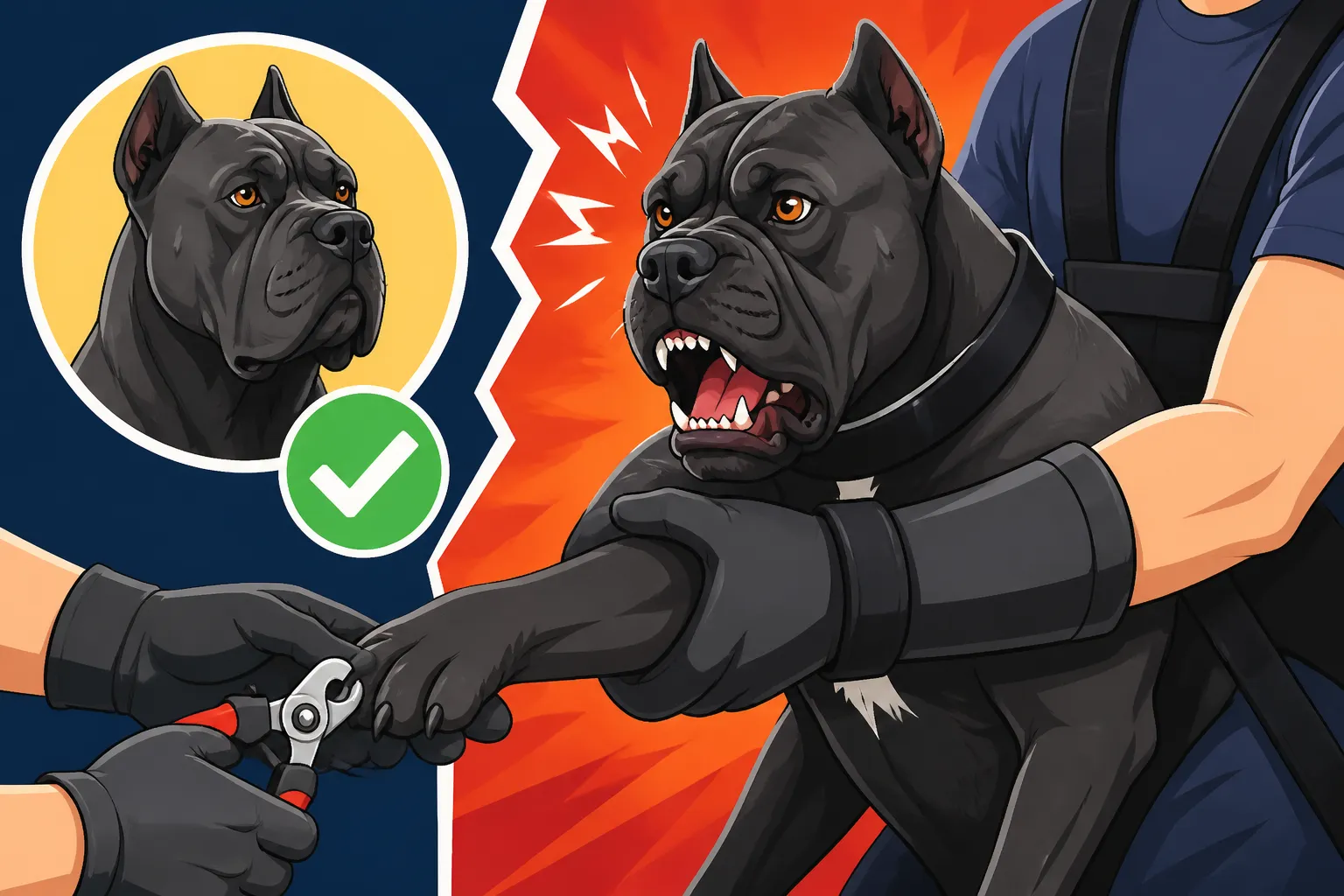
Restraining a Cane Corso That Fights Nail Trims
Dealing with a massive, powerful Cane Corso who decides nail trims are their absolute worst enemy can feel like an impossible battle. You’re not just holding a wriggling puppy; you're trying to manage a hundred-plus pounds of pure, muscular dog who is actively resisting, and frankly, it can be intimidating and even dangerous. This guide is here to walk you through understanding why your majestic companion might be fighting you so hard and offer practical, empathetic strategies to make nail care a less stressful, and hopefully, a more cooperative experience for both of you.
Understanding Why Your Cane Corso Fights Nail Trims
It’s easy to feel frustrated when your gentle giant turns into a squirming, growling, or even snapping beast at the mere sight of nail clippers. But before we dive into solutions, it’s crucial to understand why this happens. Your Cane Corso isn't trying to be difficult; they're reacting to something very real to them. Their size alone means they have incredible leverage, and when they don't want to do something, you feel every ounce of that conviction.
The Root of the Fear: Past Trauma or Lack of Early Socialization
Many of our beloved Cane Corsos, especially those adopted later in life, carry baggage from previous experiences. Perhaps they had a painful quicking incident, where the nail was cut too short, causing bleeding and discomfort. This can create a lasting negative association, making them brace for pain every time the clippers come out. Think about it from their perspective: one bad experience can deeply engrain fear. This isn't just about pain; it's about a perceived threat to their body integrity.
Beyond direct trauma, a lack of proper socialization during puppyhood plays a huge role. Puppies need to be exposed to all sorts of handling, sights, sounds, and sensations in a positive way. If a Cane Corso puppy wasn't consistently handled, had their paws touched, and heard the sound of clippers or grinders from a young age, these new sensations can be frightening as an adult. They might associate the novel feeling of a foot being held, or the strange sound of a tool, with something dangerous. This is why early, positive exposure to handling and grooming tools is absolutely vital. Imagine trying to explain to a full-grown dog that this strange metal object isn't going to hurt them when they've had no prior context. It’s a huge ask.
Physical Discomfort and Sensitivity
Sometimes, the issue isn't just fear of the clippers, but genuine discomfort. Cane Corsos have sensitive paws, and forcing them into unnatural positions can be painful. Arthritis or other joint issues, especially in older dogs, can make holding a paw still or extending a leg incredibly uncomfortable. What looks like resistance might actually be a physical protest against pain. A quick check of their paw pads and between their toes might reveal hidden thorns, small cuts, or even an ingrown nail that's causing chronic irritation.
Moreover, some Cane Corsos are simply more sensitive to touch. They might not enjoy having their feet manipulated, even gently. The feeling of pressure on their pads or the vibrations from a Dremel tool can be overwhelming. Their nails are also filled with nerve endings and blood vessels (the quick), and any slight pressure or incorrect angle can feel intrusive or even painful before a cut is even made. For a dog that might already be wary, this heightened physical sensitivity can escalate their fear response quickly.
Control and Dominance: A Cane Corso's Natural Tendency
Cane Corsos are intelligent, powerful, and often possess a strong will. They are historically guardian dogs, accustomed to having a certain amount of agency. If they perceive that you are trying to force them into something they don't want to do, they might resist as a matter of principle, or because they feel their control over their own body is being challenged. This isn't necessarily about outright aggression, but about a dog who is simply saying "no" in the loudest, most physical way they know how.
In some cases, especially with an adolescent Cane Corso, this resistance can also be a test of boundaries. If they learn that fighting hard enough makes you give up, they've just reinforced their behavior. This can be a tricky line to walk because you don't want to use force, but you also need to establish that nail care is a non-negotiable part of their routine. It requires patience and consistency, ensuring that while you're empathetic to their fear, you're not allowing them to completely dictate the situation. The Handler a Cane Corso Respects is one who can gently but firmly guide them through necessary care, even when it's unpopular.
Essential Preparations for a Less Stressful Trim
Before you even think about picking up those clippers or the Dremel, a significant amount of preparation can transform the nail trimming experience. It's about setting the stage for success, reducing anxiety, and building positive associations.
Choosing the Right Tools and Environment
The tools you use can make a huge difference in your Cane Corso's comfort level. For large, strong nails, cheap, dull clippers are a recipe for disaster and pain. Invest in high-quality, sharp clippers designed for large breeds, or a powerful Dremel-style rotary tool. Many owners find a Dremel less intimidating for their dogs, as it grinds the nail down slowly rather than snipping, reducing the risk of quicking. When considering clippers, look for scissor-style ones, as guillotine clippers can sometimes crush the nail on thicker Cane Corso nails. You might find a good selection of both clippers and grinders on platforms like Chewy or Amazon, allowing you to compare options and read reviews from other large-breed owners.
The environment is equally important. Choose a quiet, low-traffic area where your Cane Corso feels safe and relaxed. Avoid places with loud noises, distractions, or where other pets might interrupt. Lay down a non-slip mat or rug so they feel secure on their feet and won't be scrambling for purchase. Ensure good lighting so you can clearly see the nail and the quick. Having a designated "spa zone" for grooming can help create a predictable, calming routine. Think about where you usually give them their favorite treat or where they chill out – that's a good starting point.
Building Positive Associations with Nail Care
This is where the magic really happens, but it takes time and consistency. The goal is to make your Cane Corso associate nail care tools with good things, like their absolute favorite high-value treats. Start small. Simply bring out the clippers or Dremel, show it to them, and immediately give a treat. Don't do anything with their paws yet. Just the sight of the tool, treat. Repeat this several times a day for a few days. Then, progress to touching the tool to their paw, without doing anything else, followed by a treat. The Reward a Cane Corso Actually Values will be your secret weapon here.
Next, touch the tool to one nail, again, no trimming or grinding, then a treat. Build up very slowly. The sound of a Dremel can be particularly frightening, so turn it on away from them, give a treat, then turn it off. Gradually move it closer, turning it on and off, always followed by a reward. This process is called counter-conditioning – changing a negative emotional response into a positive one. You're literally reprogramming their brain. It’s a marathon, not a sprint, but the payoff of a calm dog is worth every treat.
Desensitization and Counter-Conditioning Techniques
Desensitization involves gradually exposing your Cane Corso to the triggers (the clippers, the Dremel, paw handling) at a level where they don't react negatively, and then slowly increasing the intensity. This works hand-in-hand with counter-conditioning. For example, if your dog freaks out when you just pick up their paw, start by simply stroking their leg, working your way down to the paw. Gently hold it for a split second, release, and reward. Gradually increase the duration of the hold. This builds their tolerance for having their feet handled. Think of it as baby steps.
Once they tolerate paw handling, introduce the clippers or Dremel again, but always pairing it with a reward. Try gently touching the side of a nail with the clippers without squeezing. Reward. Touch the Dremel to a nail (turned off). Reward. Then, with the Dremel on, just graze a nail for less than a second. Reward. Keep sessions very short – 2-5 minutes maximum – and always end on a positive note, even if you only managed one tiny clip or grind. The goal is positive repetition, not perfection in one sitting. For some dogs, having a professional groomer or vet do one nail a day for a week can be a good way to start. Consistency is key; The Length of a Cane Corso's Attention Span will be short, so keep it quick and impactful.
Safe and Effective Restraint Techniques for a Large Cane Corso
When your Cane Corso is truly fighting nail trims, gentle desensitization alone might not be enough in the short term, especially if their nails are overgrown and causing discomfort. You might need to employ safe and effective restraint methods to get the job done, but these should always be used in conjunction with ongoing positive reinforcement and training. The goal isn't to scare them, but to safely perform a necessary task while minimizing stress.
The Importance of a Two-Person Approach
For a large, powerful breed like a Cane Corso, a two-person approach is often the safest and most effective strategy. One person is dedicated solely to gentle, secure restraint and distraction, while the other handles the actual nail trimming. The person restraining should focus on keeping the dog calm, offering soothing words, and providing a constant stream of high-value treats or a lick mat smeared with peanut butter or wet food (ensure it's dog-safe!). This keeps their mouth busy and their mind (hopefully) focused on something other than the clippers.
The person restraining should position themselves to prevent the dog from biting or struggling excessively. Often, sitting on the floor with the Cane Corso between your legs, or having them lie down with one person gently but firmly draped over them, can work. The key is to use minimal force, but enough to prevent injury to the dog or the humans. Avoid pinning them down in a way that makes them feel trapped or panicky. The restraint should be about control and safety, not dominance. For some dogs, having the person holding them facing away from the trimmers can help reduce their focus on the "threat."
Using Muzzles and Calming Aids Responsibly
If your Cane Corso has a history of snapping, biting, or is simply too stressed to be handled safely, a muzzle is not a punishment; it's a crucial safety tool. A well-fitted basket muzzle allows the dog to pant, drink water, and take treats, while preventing bites. Introduce the muzzle positively, just like you did with the clippers. Put treats inside it, let them poke their nose in, and build up the duration they wear it. Why Every Cane Corso Should Be Muzzle Trained Early is a topic I can't stress enough, not just for grooming, but for vet visits and emergency situations. Learning Fitting a Basket Muzzle on a Cane Corso correctly is vital to ensure their comfort and safety.
Beyond muzzles, there are various calming aids that can take the edge off a particularly anxious Cane Corso. These include pheromone sprays or diffusers (like Adaptil), calming chews, or even thunder shirts, which provide a gentle, comforting pressure. For extreme anxiety or aggression, your veterinarian might recommend a prescribed sedative. This should always be a last resort and used under veterinary guidance, but it can be invaluable for breaking the cycle of fear and getting a necessary trim done safely. If you do use sedatives, remember they don't "fix" the problem; they just allow you to get through a session while you work on long-term behavioral changes.
Creative Positioning and Gentle Holds
Sometimes, changing your approach angle can make all the difference. Instead of trying to trim standing up, try having your Cane Corso lie down on their side. One person can gently hold their head, offering treats, while the other works on the nails closest to them. For the other side, you might need to carefully roll them over or switch positions. Some dogs are more comfortable if they can lean against a wall or be in a corner, giving them a sense of security.
Another technique involves trimming nails when your dog is already relaxed or even asleep. If your Cane Corso is a heavy sleeper, you might be able to get a few nails done before they fully wake up. This isn't a long-term solution, but it can help get things under control if nails are severely overgrown. When holding a paw, support it fully and avoid yanking or twisting. Use a firm, confident grip, but be gentle. Focus on one paw, or even just one nail, at a time. The less time they spend feeling uncomfortable, the better. Consider a ramp to help an older dog get onto a grooming table if they have joint issues, as lifting them or bending in awkward ways could be painful. Helping an Old Cane Corso Off the Floor is a concern for many owners as their dogs age.
Training and Long-Term Solutions for Cooperative Nail Care
While immediate restraint techniques can help in a pinch, the ultimate goal is to foster a Cane Corso who cooperates willingly with nail trims. This requires consistent training, patience, and sometimes, professional intervention.
Consistent Practice and Short, Positive Sessions
The key to long-term success is embedding nail care into your Cane Corso's routine so it becomes a normal, non-threatening part of their life. This means frequent, short, and overwhelmingly positive sessions. Instead of waiting until nails are long and making it a big, stressful event once a month, aim for two to three very brief sessions per week. During these sessions, you might only clip or grind one or two nails, or even just practice handling their paws and rewarding them heavily.
The consistency helps to reinforce the positive associations you're building. Every time they experience a positive interaction around nail care, it overrides the old fear response. Always end on a high note, even if it means you only managed a single successful clip before calling it quits for the day. This leaves them with a positive memory and makes them more likely to cooperate next time. Remember that Teaching a Cane Corso to Accept a Toothbrush Early is similar; routine and positive reinforcement are critical for all grooming tasks.
Seeking Professional Help: Vets and Trainers
If you've tried everything and your Cane Corso is still a safety risk or is simply too stressed for home nail trims, don't hesitate to seek professional help. Your veterinarian can offer guidance on calming medications or sedatives, as well as perform trims if necessary. They can also rule out any underlying pain or medical conditions that might be contributing to your dog's resistance. A vet visit for a general check-up could include a nail trim, integrating it into another necessary activity. Many vets also have vet techs who are incredibly skilled at handling large, difficult dogs for procedures like nail trims, thanks to their specialized training and tools.
A certified professional dog trainer or behaviorist, especially one experienced with large, strong-willed breeds like Cane Corsos, can provide invaluable hands-on guidance. They can assess your dog's specific triggers and reactions, and then develop a tailored desensitization and counter-conditioning plan. They can teach you effective, low-stress handling techniques and help you build your confidence. This isn't just about training your dog; it's about training you to be a more effective and less anxious handler. Don't feel like a failure if you need to call in the pros; sometimes, an outside perspective and expert touch are exactly what's needed. What to Look For in a Cane Corso Trainer is something to research carefully to ensure they align with positive, force-free methods.
Maintaining Nail Health Between Trims
Between formal trimming sessions, there are several things you can do to help maintain your Cane Corso's nail health and reduce the need for aggressive trimming. Regular walks on abrasive surfaces like pavement, concrete, or rocky trails can naturally wear down their nails. However, be mindful of their paw pads and avoid excessive walking on very hot surfaces. Walking a Cane Corso on Hot Pavement is something to be cautious about in warmer months. Always check their paws for cracks or injuries after such walks.
You can also incorporate scratch boards or scratch pads into their routine. These are essentially textured surfaces (like sandpaper or rough carpet) that you train your dog to scratch at, filing down their nails in the process. This can be a fun, interactive way for them to participate in their own nail care, especially for front paws. It's an excellent way to give them agency and control, as they are actively choosing to scratch. Remember to keep an eye on Cracked Pads on a Working Cane Corso if they are very active or using scratch boards often.
What Not to Do: Common Mistakes to Avoid
While trying to manage a resistant Cane Corso for nail trims, it's easy to fall into traps that can make the situation worse. Avoiding these common mistakes is just as important as implementing positive strategies.
Force, Punishment, and Negative Reinforcement
The absolute worst thing you can do when your Cane Corso is fighting a nail trim is to resort to force, intimidation, or punishment. Yelling, scolding, yanking their paw, or physically overpowering them without gentle, secure restraint will only escalate their fear and resistance. This can damage your bond, erode their trust in you, and make future grooming sessions even more terrifying for them. A dog that is constantly punished for showing fear will learn to hide their warning signs, potentially leading to sudden, unprovoked bites.
Negative reinforcement, such as releasing them only after they've stopped struggling (without any positive reward), can be a slippery slope. While the goal is for them to learn that calm behavior gets them released, if not done carefully and with positive interrupters, it can still feel like a punishment. Always aim for positive reinforcement: reward the absence of struggle and the presence of calm. Force might get the job done once, but it creates a long-term behavioral problem that is far harder to undo than a few overgrown nails.
Ignoring the Problem or Delaying Trims
It's tempting to just put off nail trims when your Cane Corso turns into a land shark or a brick wall. You might tell yourself you'll deal with it next week, or you'll wait until they're "in a better mood." However, ignoring the problem only makes it worse. Overgrown nails are not just unsightly; they are detrimental to your dog's health and comfort. Long nails can push back into the nail bed, causing pain with every step. They can also splay the toes, put abnormal pressure on joints, and even lead to severe conditions like arthritis or lameness.
Moreover, the longer you delay, the longer the quick (the blood vessel and nerve) grows with the nail, making it even harder to trim them back to a healthy length without quicking. Delaying trims due to fear creates a vicious cycle where the nails get longer, causing more discomfort, leading to more resistance, and making the entire process even more daunting. Consistent, even if tiny, efforts are better than prolonged neglect.
Over-Reliance on Sedation
While vet-prescribed sedatives can be a valuable tool for extremely anxious or aggressive dogs, relying on them for every single nail trim is not a sustainable or ideal long-term solution. Sedation carries risks, especially for large breeds like Cane Corsos who are prone to certain health conditions. Anesthesia Risk in a Deep Chested Cane Corso is a legitimate concern. Each time your dog is sedated, there's a certain level of physiological stress and risk involved.
Furthermore, sedation doesn't address the underlying behavioral issue. Your dog is still fearful of nail trims; they're just too drugged to resist. The moment the sedatives wear off, the fear remains. Use sedatives as a bridge to allow you to safely begin a positive reinforcement training program, not as a permanent fix. Work with your vet and a professional trainer to gradually reduce the reliance on medication as your Cane Corso becomes more comfortable and cooperative with the process. The goal is a dog who can get their nails trimmed with minimal stress, not one who has to be put out every time.
Here's a quick look at common reasons for resistance and potential solutions:
| Reason for Resistance | Common Manifestations | Training/Management Strategies | Tools & Aids |
|---|---|---|---|
| Past Trauma/Fear of Pain | Yelping, pulling away, snapping | Desensitization, counter-conditioning with high-value treats | High-quality clippers, Dremel, styptic powder |
| Lack of Early Socialization | Panic, thrashing, freezing | Gradual exposure to paw handling & tools, short positive sessions | Calm environment, non-slip mat, lick mat, chews |
| Physical Discomfort | Limping, favoring a paw, subtle growls | Vet check for underlying issues, comfortable positioning, gentle holds | Orthopedic mat, ramps for older dogs, professional assessment |
| Control/Dominance | Active resistance, trying to escape | Two-person team, clear communication, consistent routine, reward cooperation | Basket muzzle (if needed), calming chews |
| Noise/Vibration Sensitivity | Startling, cowering, barking | Introduce Dremel sound gradually, ear protection (cotton balls) | Quieter Dremel models, soft music, white noise |
Remember, your Cane Corso looks to you for guidance and reassurance. Approach nail trims with patience, understanding, and a commitment to positive reinforcement, and you'll slowly but surely build a more cooperative, less stressful routine for everyone.
Disclaimer
This article is for general informational purposes only and does not constitute professional advice. Laws, prices and regulations vary by location and change over time. Consult a qualified professional for guidance on your specific situation.