Fitting a Basket Muzzle on a Cane Corso
Let's be honest, the very idea of putting a muzzle on your beloved Cane Corso can feel a bit heavy, can't it? There's a stigma, a fear that people will judge your magnificent dog, or worse, that it signals something negative about their temperament. But the truth is, a basket muzzle is an incredibly responsible and humane tool for a variety of situations, and learning how to fit one properly is a crucial skill for any Cane Corso owner. This guide isn't about punishment; it's about empowerment – ensuring your big dog is safe, comfortable, and well-managed, giving you peace of mind in situations that might otherwise cause stress for both of you.
Why a Basket Muzzle is the Right Choice for Your Cane Corso
When you think "muzzle," you might picture something restrictive, something that clamps a dog's mouth shut. But for a powerful breed like the Cane Corso, with their strong jaws and potential for high prey drive or reactivity, the type of muzzle matters immensely. A basket muzzle stands out as the superior choice, prioritizing your dog's safety and well-being above all else.
The Freedom and Comfort of a Basket Muzzle
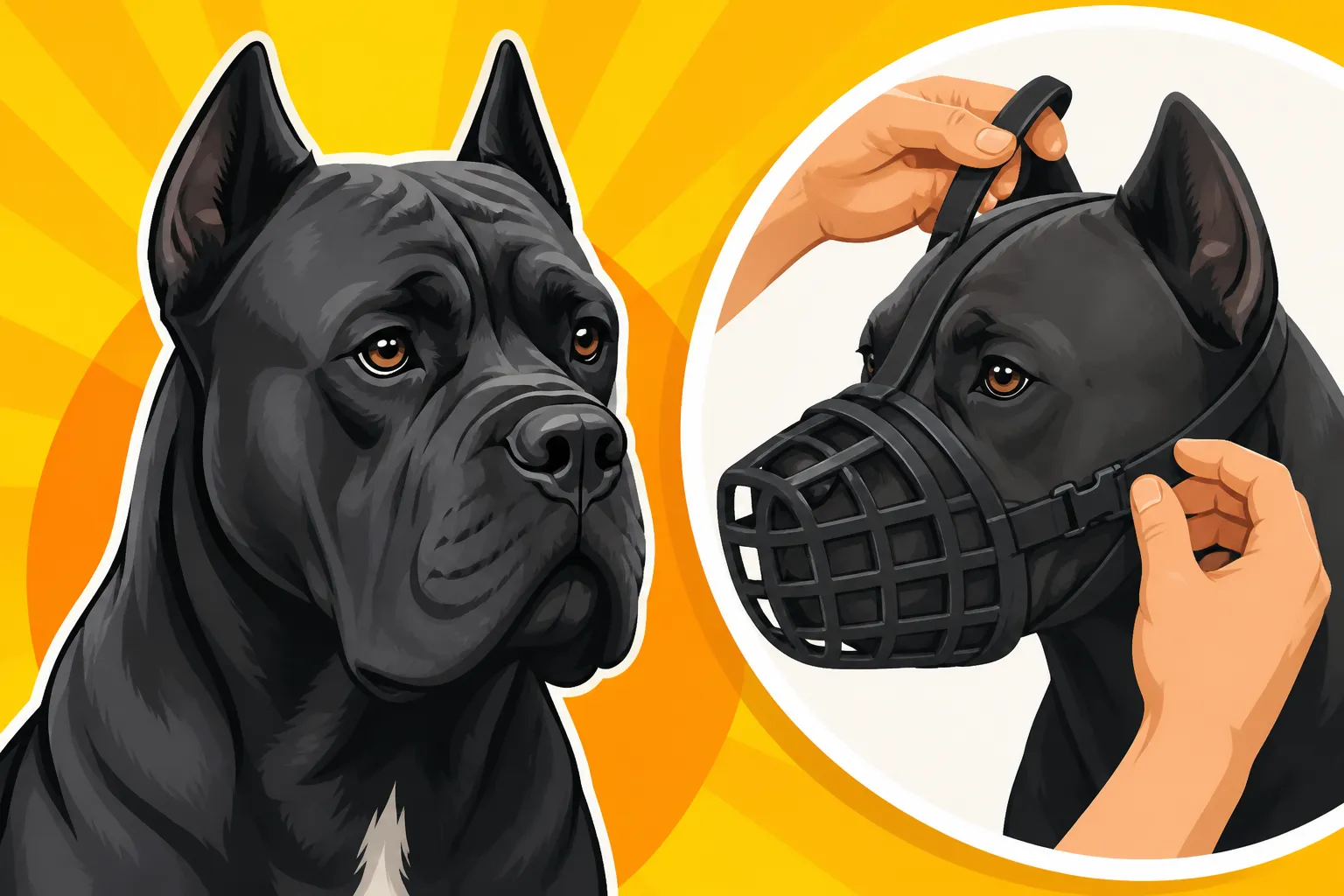
Unlike fabric or sleeve-style muzzles that hold a dog's mouth tightly closed, a basket muzzle, as its name suggests, creates a cage-like barrier around the snout. This might sound intimidating, but it's precisely this design that offers incredible benefits for a Cane Corso. The open, airy structure allows your dog to pant freely, which is absolutely vital for a large, deep-chested breed to regulate their body temperature. Imagine restricting their ability to cool themselves on a warm day – it's a recipe for overheating and distress, particularly if they are already stressed in a new environment like a vet's office.
Beyond panting, a properly fitted basket muzzle permits your Cane Corso to drink water and even take small, soft treats. This is monumental for positive reinforcement training. You can teach your dog to love their muzzle by continually rewarding them while wearing it. They learn that the muzzle means good things, not discomfort or punishment. Being able to offer treats also helps them stay calm and engaged during potentially stressful events, making the experience far more manageable for everyone involved. For a breed known for its serious demeanor, maintaining comfort and a positive association is paramount.
When a Cane Corso Needs a Muzzle
It's natural to hope your Cane Corso will never need a muzzle, but responsible ownership means being prepared for all possibilities. There are several scenarios where a muzzle isn't just a good idea, but a necessity for the safety of your dog and others. One of the most common reasons is during veterinary visits, especially if your Corso is nervous or in pain. Even the most tolerant dog can snap when hurt or feeling vulnerable, and a muzzle ensures that vet staff can perform necessary examinations or treatments without risk. This is particularly relevant when considering things like How Often a Healthy Cane Corso Sees the Vet or for unexpected emergencies.
Muzzles are also invaluable for grooming, especially nail trims, which can be a real battle for some dogs, especially a Cane Corso that fights nail trims. If your Cane Corso has a high prey drive or shows reactivity towards other dogs or small animals, a muzzle provides a vital safety net during walks or outings. It prevents accidental bites while you work on training and desensitization. If you're traveling on public transport or visiting places with strict rules, a muzzle might even be legally required. Thinking proactively and muzzle training your Cane Corso early means it's a familiar tool, not a frightening novelty, when these situations arise. Remember, the goal isn't to silence their guarding instincts, but to manage them safely in a complex world.
The Art of Measurement: Getting the Perfect Muzzle Fit
Choosing the right basket muzzle for your Cane Corso isn't a one-size-fits-all situation. Their unique skull and snout shape, combined with their sheer size, demands precise measurements. An ill-fitting muzzle can be more dangerous than no muzzle at all, causing chafing, obstructing breathing, or being easily removed.
Essential Tools and Accurate Measuring Techniques
To begin, you'll need a flexible tape measure – the kind tailors use works perfectly – and ideally, a helper to hold your Cane Corso steady and distracted with treats. The two most critical measurements are snout length and snout circumference.
- Snout Length: Measure from the tip of your Cane Corso's nose straight back to the "stop," which is the point where their snout meets their forehead, between their eyes. Hold the tape measure horizontally. This measurement tells you how long the muzzle needs to be so it doesn't rub their eyes or dangle too far past their nose, which can impede their vision or become a lever for them to pull it off.
- Snout Circumference: This is where many people go wrong. You need to measure around the widest part of your Cane Corso's snout, which is typically right under their eyes. After you get this initial measurement, add at least 1-2 inches (and for a giant breed like a Cane Corso, sometimes even more) to account for panting. This extra space is absolutely non-negotiable for their comfort and ability to regulate body temperature. Without it, the muzzle becomes a hazard.
Don't forget to also consider the bridge of the nose and the length of the straps. While most basket muzzles offer adjustable straps, having a general idea of your dog's head size will help you choose the right model. When ordering online, perhaps from a large retailer like Amazon, always consult the specific brand's sizing chart and read reviews from other large dog owners.
Common Fitting Mistakes and How to Avoid Them
It's easy to make mistakes, especially when you're dealing with a large, sometimes opinionated, dog. Here are some pitfalls to watch out for:
- Too Tight: A muzzle that's too snug around the circumference will restrict panting and can quickly lead to overheating, especially in stressful situations or warmer weather. It will also dig into their skin, causing chafing and sores, which will make your Cane Corso absolutely loathe the muzzle. The muzzle should sit comfortably, allowing for open-mouth breathing without gapping excessively.
- Too Loose: On the flip side, a muzzle that's too loose, particularly in the straps, is an escape artist's dream. A clever Cane Corso can quickly learn to paw it off, rendering it useless. If the length is too great, it can slide up into their eyes or create too much leverage for removal. Check for security: once buckled, you should be able to fit two fingers flat under the straps, and the muzzle itself shouldn't twist or slide easily.
- Rubbing Points: Pay close attention to areas like the bridge of the nose, under the eyes, and behind the ears where straps might rub. A Cane Corso's coat is short, offering less padding. Look for muzzles with soft padding or consider adding your own sheepskin or fleece liners to prevent irritation. You want your dog to feel as comfortable as possible, to help build a positive association with the muzzle.
- Ignoring Jaw Movement: A good basket muzzle should allow a dog to open their mouth wide enough to pant and drink, but not wide enough to bite. Test this gently with treats. If they can easily mouth your hand, it might be too large. If they can't even open their mouth to lick a treat, it's definitely too small.
Choosing the right size can feel daunting, but it’s a critical step. Don't rush it, and be prepared to try a couple of different sizes or brands if necessary to find the perfect match for your Cane Corso’s unique facial structure.
Here's a quick comparison of common basket muzzle materials:
| Material Type | Pros | Cons | Ideal for Cane Corso? |
|---|---|---|---|
| Plastic | Lightweight, affordable, easy to clean, various sizes | Can be less durable for strong chewers, may crack in extreme cold | Good for general use, vet visits, initial training |
| Wire | Highly durable, excellent ventilation | Heavier, can be intimidating, may rust if not stainless steel | Excellent for strong dogs, long wear, high security |
| Biothane | Flexible, waterproof, easy to clean, soft | Can be expensive, less rigid than wire, ventilation varies | Good for comfort, less severe biting, all-weather use |
Muzzle Training: A Gentle Introduction for Your Cane Corso
Introducing a muzzle to your Cane Corso should always be a positive, gradual process. This isn't something you slap on them in an emergency and expect them to tolerate. Think of it as teaching them any other command; it requires patience, high-value rewards, and a consistent approach. The goal is for your Cane Corso to not just tolerate the muzzle, but to genuinely associate it with good things.
The Art of Gradual Desensitization
The key to successful muzzle training is to take it slow, broken down into tiny, manageable steps. Rushing will only create aversion, and with a powerful breed like the Cane Corso, aversion can lead to significant behavioral challenges.
- Introduction (Scent & Sight): Start by simply letting your Cane Corso see and sniff the muzzle. Don't push it on them. Immediately reward them with a high-value treat just for looking at it. Do this several times over a few days. The muzzle should appear, treats happen, then the muzzle disappears.
- Treat Magnet: Once they're comfortable with its presence, put a dollop of peanut butter or cream cheese inside the muzzle, or thread small treats through the front. Hold it up and let them stick their nose in voluntarily to get the treat. Do not force their head in. The moment their nose touches the muzzle, praise and reward. Repeat, repeat, repeat.
- Short Duration: Gradually increase the time their nose is in the muzzle, still without buckling the straps. Let them lick the treat out for a few seconds. If they pull away, that's fine, just shorten the duration next time. Always end on a positive note.
- Buckling the Straps: Once they are happily putting their nose in and keeping it there for several seconds, you can gently bring the straps around and buckle them. Keep it on for just a second or two initially, then immediately unbuckle and offer a jackpot of treats. This is a big step, so make it extra rewarding! If you're looking for structured guidance on positive reinforcement techniques, online programs like those offered by BAXTER & Bella can be incredibly helpful for navigating these steps with precision.
- Increasing Wear Time: Slowly, incrementally, increase the time the muzzle stays on. Practice in different locations, starting in quiet, low-distraction environments, then gradually moving to slightly more stimulating ones, such as a different room in the house or the backyard. Always keep the treats flowing, making it a positive experience. You might even consider doing some short, fun training sessions while they wear it, reinforcing The Reward a Cane Corso Actually Values.
Remember, positive reinforcement is your best friend here. Associate the muzzle with yummy treats, praise, and gentle interaction. Never use the muzzle as a punishment. For more in-depth training advice, resources like Why Every Cane Corso Should Be Muzzle Trained Early can provide additional context and techniques.
Observing and Adapting: What to Look for During Wear
Even with the best training, your Cane Corso might still have moments of discomfort or an attempt to remove the muzzle. Your job is to be an attentive observer and advocate for their comfort.
- Panting and Breathing: Is your Cane Corso able to pant easily? Their tongue should be able to come out a reasonable amount to facilitate cooling. Listen for any restricted breathing noises. If they seem to be struggling, the muzzle might be too tight or too small. This is especially critical considering How Much Heat and Cold a Cane Corso Takes.
- Rubbing or Redness: After a short wear session, remove the muzzle and carefully inspect their snout, bridge of the nose, and behind the ears for any redness, chafing, or irritation. If you see any, you need to adjust the fit, add padding, or consider a different muzzle design. Just like humans with new shoes, hot spots can develop quickly.
- Attempts to Remove: While some initial pawing or rubbing is normal during the adjustment phase, persistent attempts to remove the muzzle might indicate discomfort, a poor fit, or that you've rushed the training process. Go back a few steps in your desensitization, or re-evaluate your measurements. A Cane Corso is a powerful dog; if they really want a muzzle off, they can often manage it if it's not secure.
- Body Language: Pay close attention to your Cane Corso's overall Reading a Cane Corso's Body Language at a Distance. Are they showing signs of stress like yawning, lip-licking, whale eye, or tense body posture? These signals tell you they are uncomfortable, and you need to slow down or adjust something. The goal is a relaxed, indifferent posture, perhaps even a happy wag of the tail when the muzzle comes out.
Muzzle training is an ongoing process, not a one-time event. Continue to practice with the muzzle, even if only for short durations, to maintain a positive association. It's a testament to responsible ownership, allowing you and your Cane Corso to navigate the world safely and with confidence.
Disclaimer
This article is for general informational purposes only and does not constitute professional advice. Laws, prices and regulations vary by location and change over time. Consult a qualified professional for guidance on your specific situation.