Why Every Cane Corso Should Be Muzzle Trained Early
It’s a tough pill to swallow for many Cane Corso owners, myself included, when you hear the word "muzzle." There's an immediate fear that it labels our magnificent dogs as aggressive or dangerous. But the truth is, responsible Cane Corso ownership demands we look beyond the stigma and understand that early muzzle training is one of the kindest, most proactive things we can do for our powerful companions. This guide will walk you through why this simple tool is a vital part of their care and how to introduce it positively.
Dispelling the Myths About Muzzles and Cane Corsos
The moment you mention muzzle training, you can almost hear the collective gasp or judgment from others. It’s an unfortunate reality that muzzles are often seen as a last resort, reserved only for dogs with a bite history or known aggression issues. But for a breed like the Cane Corso, understanding the true purpose of a muzzle and embracing it early on is a testament to responsible ownership, not a confession of a problem.
Muzzles Aren't Just for Aggressive Dogs
Let's get this straight: a muzzle is a piece of safety equipment, much like a leash or a seatbelt. It's a tool designed to prevent bites in situations where a dog might feel threatened, stressed, or uncomfortable. To think of it solely as a punishment or a scarlet letter for an "aggressive" dog is to miss its invaluable role in preventative care and training. Imagine strapping a helmet on your child before they ride a bike – you're not anticipating a crash, but you're prepared for one. The same logic applies here.
For a Cane Corso, a breed that commands respect and sometimes fear due to its imposing size and protective nature, being comfortable with a muzzle can open up so many doors. It allows them to safely navigate situations that might otherwise be too risky, protecting them from harm and protecting others from potential accidental nips or lunges that come from fear, not malice. We want our dogs to be comfortable and safe in all environments, and sometimes, that means equipping them with the right gear for the moment.
The Cane Corso's Natural Guardian Instincts
Our Cane Corsos are magnificent animals, bred for centuries to be guardians. It's in their very DNA to protect their families and property. This isn't a flaw; it's a defining trait that many of us admire. However, this powerful guardian instinct, coupled with their sheer strength and size, means that any defensive reaction can have significant consequences. A little growl from a Chihuahua is different from a Cane Corso’s deeply resonant warning.
Their protective nature, while wonderful in a home setting, can sometimes be misunderstood or misdirected in unfamiliar situations or when they are feeling vulnerable. A vet visit, a crowded public space, or even an unexpected guest could trigger their instinct to guard, even if there's no real threat. Early and positive muzzle training ensures that even in moments of high stress or perceived threat, their natural instincts don't inadvertently lead to an unfortunate incident. We owe it to them and to society to manage their power with foresight and care. Understanding What a Cane Corso's Guardian Instinct Actually Is helps us appreciate the importance of these safety measures.
Essential Scenarios Where a Muzzle Becomes a Lifesaver
There are countless everyday situations where a muzzle can turn a potentially dangerous or highly stressful event into a manageable one. Thinking proactively about these scenarios allows us to introduce the muzzle as a positive, reassuring tool rather than a frightening one.
Vet Visits and Emergency Situations
Let's face it, very few dogs love going to the vet. For a Cane Corso, the unfamiliar smells, strange hands, the pain of an injection or examination, and the general anxiety of being poked and prodded can be incredibly overwhelming. Even the most docile, loving Cane Corso can nip or bite when they are in pain, terrified, or feeling cornered. It's a natural, instinctual reaction to protect themselves.
Imagine your Cane Corso suddenly becomes ill or gets injured. They're in immense pain, disoriented, and scared. The vet needs to examine them, administer medication, or even perform an emergency procedure. In such a high-stakes, high-stress situation, a muzzle isn't about blaming your dog; it's about safeguarding the veterinary staff who are trying to help, and crucially, allowing them to provide the best possible care without fear of injury. Having your Cane Corso already comfortable with a muzzle means one less stressor in an already dire situation, making it easier for everyone involved. For example, if your dog needs emergency care like for When a Seizing Cane Corso Needs the Emergency Vet, a muzzle might be critical for the vet to perform their work.
Public Outings and Unexpected Encounters
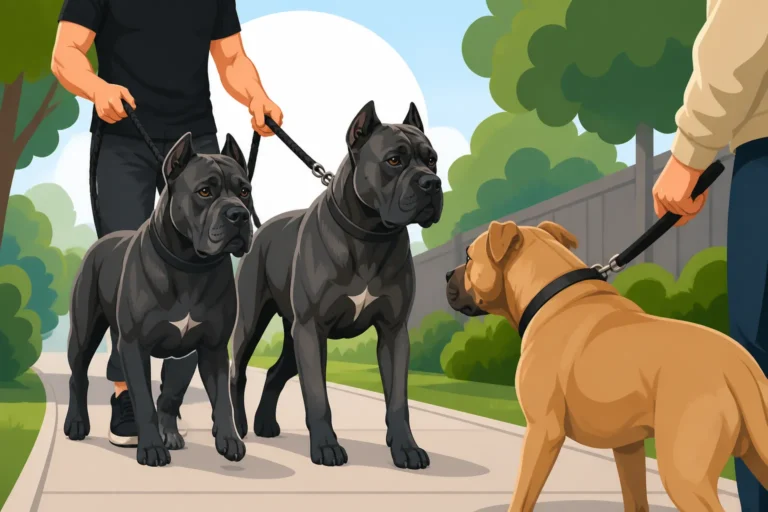
Taking a Cane Corso out in public, whether it's for a walk in the park, a trip to a pet-friendly store, or even just passing a stranger on the street, comes with a certain level of social responsibility. Despite their typically calm demeanor with their family, their sheer size can intimidate some people, and unfortunately, breed-specific legislation exists in some areas, placing unfair restrictions on breeds like ours.
A Cane Corso who is comfortable wearing a muzzle in public immediately conveys a message of responsible ownership. It can de-escalate potential misunderstandings, reassure nervous passersby, and comply with any local ordinances that might require muzzling in certain public spaces for specific breeds. More importantly, it provides a safety net if an unexpected off-leash dog charges, a child runs up unexpectedly, or any other unpredictable event occurs. It’s not about anticipating bad behavior from your dog, but about preparing for the unpredictable nature of the world outside your home. When we talk about Why the Best Cane Corso Looks Boring in Public, being safely muzzled helps maintain that calm, predictable image.
Grooming, Nail Trims, and Sensitive Procedures
Grooming is an essential part of a Cane Corso's care, from regular brushing to nail trims and ear cleaning. While some dogs tolerate these activities with grace, others find them incredibly stressful or even painful. Trimming those thick, often black nails can be tricky, and if you accidentally quick your Cane Corso, their natural reaction could be to pull away sharply or even snap. Given their strength, these reactions can be dangerous for both the dog and the person doing the grooming.
Training your Cane Corso to accept a muzzle for these routine, yet often sensitive, procedures ensures that these necessary tasks can be completed safely and calmly. It removes the fear of a bite from the equation, allowing you or your groomer to focus on the task at hand. This is particularly important for tasks like Nails, Teeth and Feet on a Hundred Pound Cane Corso or cleaning their ears, which can be sensitive areas. By making muzzle wearing a normal part of their grooming routine from a young age, you turn what could be a wrestle into a manageable session, reinforcing positive associations rather than creating a struggle.
Starting Muzzle Training Early and Effectively
The key to successful muzzle training for your Cane Corso lies in starting early, making it a positive experience, and building up duration gradually. This isn't something you want to rush or force. Remember, the goal is for your dog to view the muzzle as a normal, non-threatening piece of equipment, not a punishment.
Choosing the Right Muzzle for Your Cane Corso
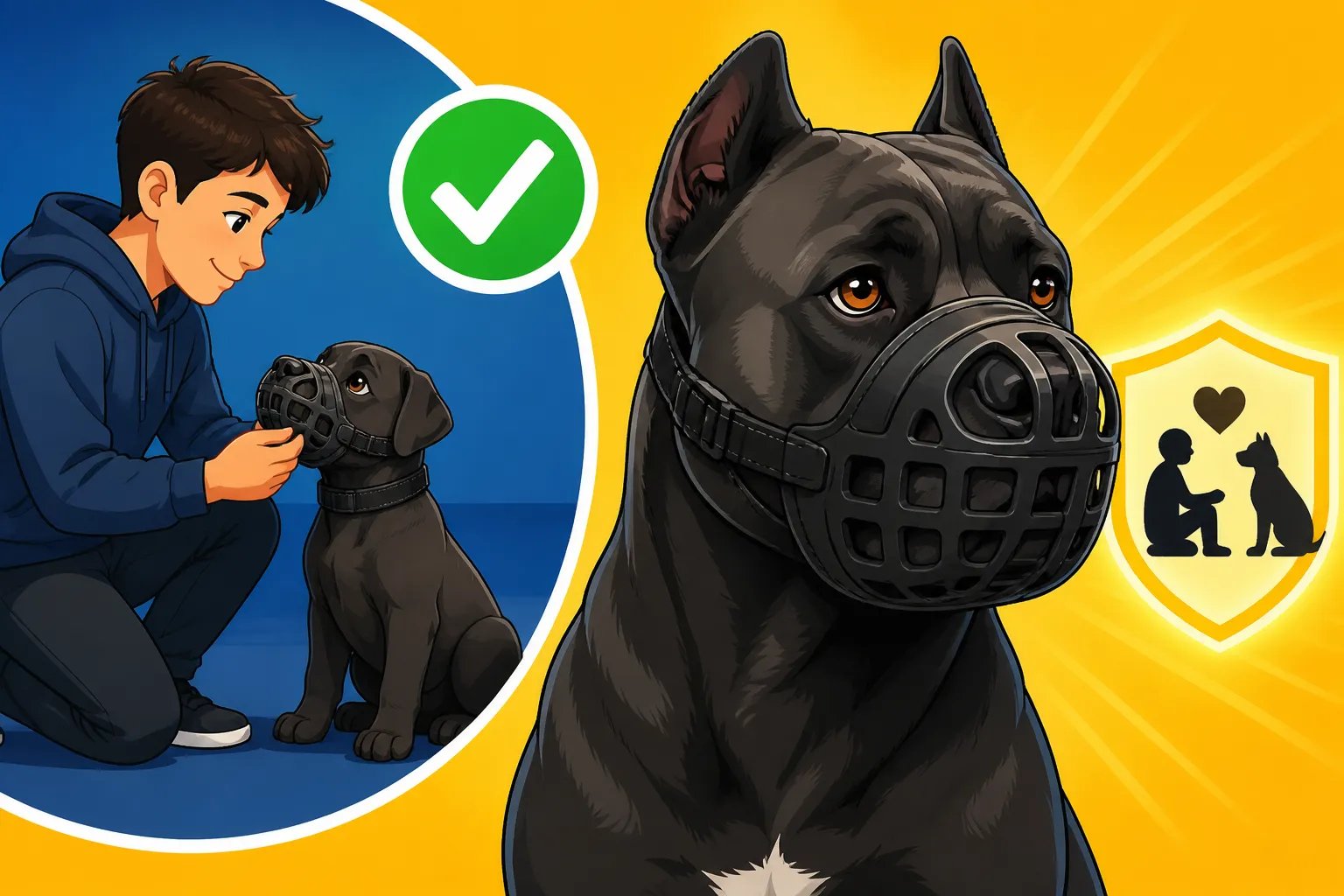
The type of muzzle you choose is critical. For long-term wear and comfort, especially in situations where your dog might be panting or needing to take treats, a basket muzzle is absolutely essential. Avoid fabric muzzles that hold your dog's mouth shut, as these prevent panting, drinking, and can be dangerous if worn for more than very brief periods. A good basket muzzle allows your Cane Corso to pant, drink, and even accept small training treats.
When selecting a muzzle, you'll need to measure your Cane Corso carefully. Key measurements include the length from the tip of their nose to just below their eyes, and the circumference of their muzzle when their mouth is slightly open (to allow for panting). Brands widely available on platforms like Amazon offer various sizes and styles of basket muzzles, often made from sturdy plastic, wire, or rubber-coated wire. It should fit snugly enough that they can't paw it off, but loose enough around the snout that it doesn't rub or restrict their ability to open their mouth comfortably.
The Step-by-Step Desensitization Process
Positive reinforcement is your best friend here. This isn't about forcing the muzzle on; it's about building positive associations. Think of it as a game or a treat dispenser.
Here's a simplified step-by-step approach:
- Introduce it Positively: Let your Cane Corso sniff the muzzle. Reward them with a high-value treat immediately. Repeat several times.
- Treats Through the Muzzle: Hold the muzzle, and put a tiny dollop of peanut butter or a soft treat inside it, allowing your dog to push their nose in to lick it out. This teaches them to voluntarily put their snout into the muzzle. Repeat frequently.
- Short Duration, No Straps: Once they are happily putting their nose in, start holding the muzzle on their face for a few seconds without fastening the straps, while they are still licking treats. Take it off before they lose interest.
- Fasten Briefly: Once comfortable, gently fasten the straps for a second or two, then immediately remove it and give a jackpot of treats. Build up the duration very slowly – seconds at a time.
- Increase Time and Activity: Gradually increase the time they wear it. Start with just a minute, then two, then five. During this time, keep them engaged with treats, a puzzle toy, or a short walk. The more fun stuff happens while the muzzle is on, the better.
- Practice in Different Scenarios: Once they're comfortable wearing it for several minutes, practice in different locations or during different activities. Put it on before a short walk, or during a training session.
Remember, patience is key. If your Cane Corso shows any discomfort or tries to remove the muzzle, go back a step. Never punish them for trying to take it off. This should always be a choice they make for rewards. Utilizing resources from positive reinforcement training platforms like BAXTER & Bella can provide structured guidance and video demonstrations for desensitization techniques. For a Cane Corso, The Reward a Cane Corso Actually Values can be anything from high-value treats to a favorite toy or praise, so find what motivates them most.
Integrating Muzzle Training into Daily Life
The ultimate goal is for the muzzle to be a normal part of your Cane Corso's routine, just like their leash or collar. This means integrating it beyond just the initial desensitization exercises. Put it on for a few minutes while you're making coffee, or for a short sniff walk in the yard.
Consider incorporating it into their early socialization experiences. When introducing your Cane Corso puppy to new sights, sounds, and people, a muzzle can be a useful tool for preventing accidental nips from an overexcited or overwhelmed puppy, allowing them to gain confidence without risk. This is particularly relevant given The Socialization Window a Cane Corso Puppy Gets. By making it a regular, positive experience, your Cane Corso will associate the muzzle with good things and a sense of routine, rather than something scary or restrictive. This proactive approach ensures that when you really need the muzzle, it won't be another source of stress for your dog.
Long-Term Benefits of Early Muzzle Training
Thinking ahead and embracing muzzle training offers profound advantages, not just for immediate safety, but for the overall well-being and reputation of your Cane Corso. It’s an investment in their future and your peace of mind.
Enhanced Safety and Peace of Mind
The most immediate and obvious benefit of early muzzle training is the enhanced safety it provides. For a powerful breed, an accidental bite can have devastating consequences for your dog, yourself, and the individual involved. By proactively training your Cane Corso to be comfortable with a muzzle, you effectively create a critical safety barrier for unforeseen circumstances. This allows you to navigate potentially stressful environments, such as a busy park, a crowded veterinary waiting room, or even an encounter with an unfamiliar dog, with a significantly reduced risk of incident.
This layer of safety extends beyond just preventing bites; it also offers immense peace of mind for you, the owner. You know that no matter how stressed, startled, or uncomfortable your Cane Corso might become, there's a reliable backup plan in place. This confidence can actually make you a calmer handler, which in turn helps your dog feel more secure in challenging situations. It truly allows you both to live a fuller, more engaged life without constant worry.
Challenging Public Perception
Unfortunately, larger, more powerful breeds often face unfair stereotypes and negative public perception. A Cane Corso, with its imposing presence, can sometimes be viewed with apprehension by those unfamiliar with the breed. While we know our dogs are loving and loyal, the general public might not see past their size and strength.
A Cane Corso who is calmly and comfortably wearing a properly fitted basket muzzle in public can actually help challenge these negative perceptions. It shows responsible ownership, thoughtful planning, and a commitment to safety. Instead of confirming fears, it demonstrates control and consideration. This isn't about hiding your dog; it's about openly showing that you are a conscientious owner who prioritizes safety for everyone. It can slowly but surely contribute to a more positive image for the breed as a whole, showing that Cane Corsos are well-managed and well-loved members of society.
Preparing for the Unexpected
Life with dogs, especially large, active ones like Cane Corsos, is full of surprises. No matter how well-trained or well-socialized your dog is, there will be moments that test their limits and yours. A sudden illness, an unexpected injury requiring emergency vet care, a natural disaster, or even simply moving to a new area with different regulations are all possibilities that can arise without warning.
Having a Cane Corso who is already comfortable with a muzzle means one less variable to worry about in these high-stress situations. You won't be struggling to introduce a new, potentially frightening device during an already chaotic time. If your dog needs to be transported, temporarily housed, or examined by strangers under duress, their familiarity with a muzzle will make the process smoother and safer for everyone involved. This foresight is a cornerstone of responsible dog ownership, allowing you to react calmly and effectively when the unexpected inevitably happens. It's about being prepared for any event, from a minor mishap to a serious emergency like if your Cane Corso has Bloat and What a Cane Corso's Deep Chest Costs and needs immediate veterinary attention.
| Training Step | Goal | Duration / Frequency | Rewards Used | Potential Challenges & Tips |
|---|---|---|---|---|
| 1. Introduction | Positive association with muzzle's presence | Few seconds, 5-10 times daily | High-value treats, praise | Dog ignores muzzle: make treats irresistible. Dog wary: place muzzle further away. |
| 2. Nose In | Voluntarily putting nose into muzzle | 10-20 repetitions daily | Licking treats inside muzzle, praise | Dog resists: use a tastier, stickier treat (peanut butter). Don't force. |
| 3. Hold & Treat | Nose in muzzle, held for short periods (no straps) | 5-10 seconds, 5 times daily | Continuous treats while nose is in | Dog pulls out: reduce time, increase treat value. Go at their pace. |
| 4. Straps Done | Muzzle buckled for 1-2 seconds, then removed | 2-3 repetitions daily | Jackpot of treats immediately after removal | Dog panics: too fast, go back to previous step. Ensure comfortable fit. |
| 5. Short Duration | Muzzle worn for increasing time (minutes) | 1-5 minutes, 2-3 times daily | Treats, toys, short walks while muzzled | Dog tries to paw off: distract with activity/treats. Don't remove if they're fighting it. |
| 6. Vary Activity | Muzzle worn during different activities and locations | 5-15 minutes, 1-2 times daily | Integrate into routine (e.g., walk, play) | Dog distracted: start in low-distraction environment. Maintain positive atmosphere. |
This article is for general informational purposes only and does not constitute professional advice. Laws, prices and regulations vary by location and change over time. Consult a qualified professional for guidance on your specific situation.