What to Do When a Cane Corso Lunges at a Dog
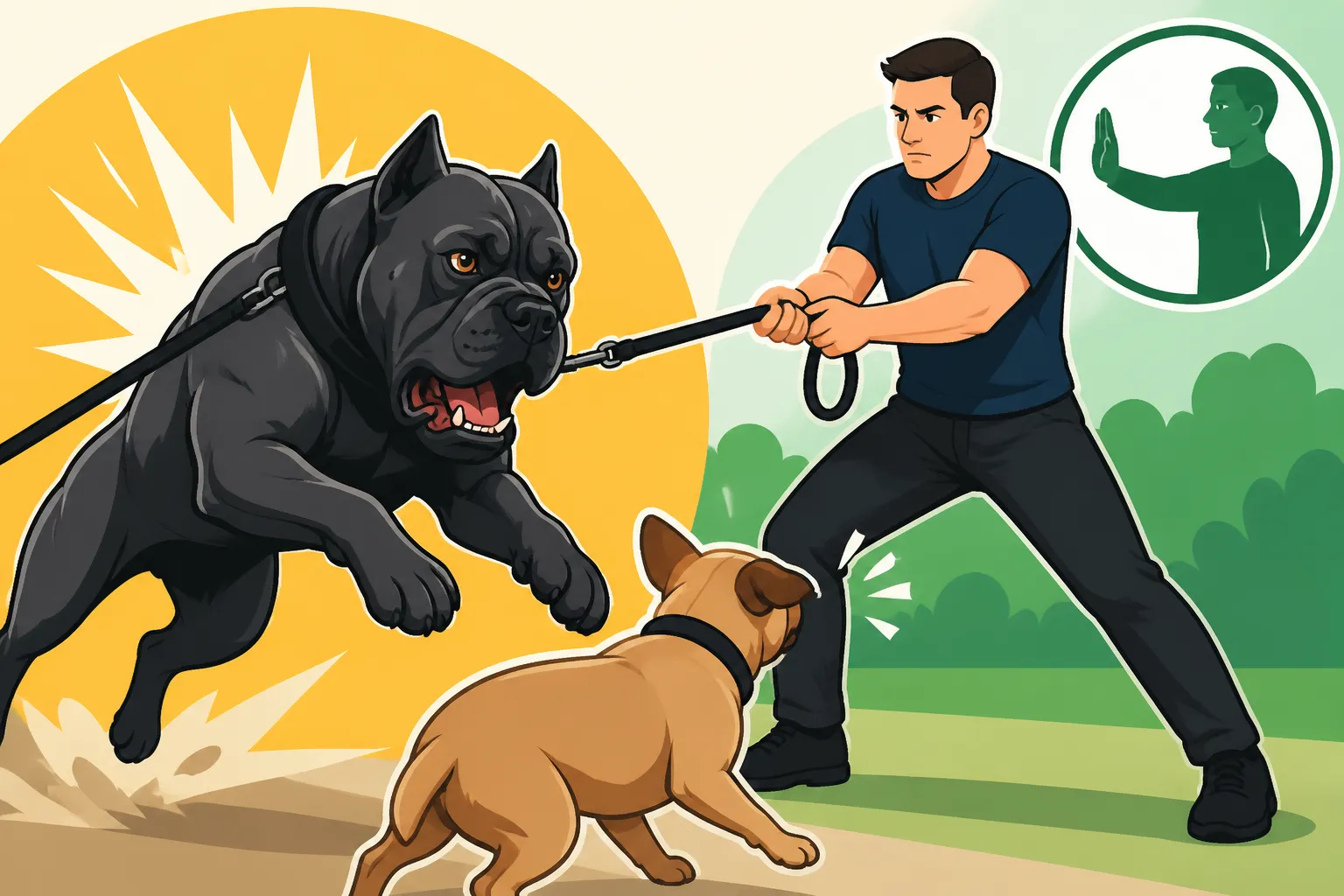
Seeing your magnificent Cane Corso erupt into a lunging, barking, growling mess when another dog appears is one of the most disheartening and frankly, terrifying experiences a guardian of this powerful breed can face. It's not just embarrassing; it feels like a failure, and it leaves you dreading every walk, constantly scanning the horizon for potential triggers. You worry about your dog's safety, the safety of other dogs, and even your own ability to control such a strong animal. This comprehensive guide will walk you through understanding why your Cane Corso might be lunging, immediate steps you can take to manage these situations, and long-term training strategies to help your loyal companion navigate the world with more composure.
Understanding Why Your Cane Corso Lunges
The first step in addressing your Cane Corso's lunging behavior is to truly understand the 'why' behind it. It’s rarely about pure aggression, although it can certainly look and sound aggressive. More often, it stems from a complex mix of fear, frustration, over-excitement, or even a misguided sense of duty.
The Instinctual Guardian vs. Reactivity
It’s easy for us, as Cane Corso owners, to feel like our dog's protective instincts are to blame when they react strongly to other dogs. After all, they were bred for protection, to guard property and livestock, and to be formidable guardians. This deep-seated instinct can indeed play a role, but it's crucial to differentiate between a controlled, appropriate guarding response and true reactivity.
A Cane Corso's natural guardian tendency means they are often discerning about who they allow into their space. They might be reserved, watchful, and slow to accept strangers or strange dogs. This is a characteristic of the breed and something we value. However, when this natural wariness escalates into an uncontrollable lunge, bark, and growl, it often crosses into the territory of reactivity. Reactivity is an over-the-top emotional response to a trigger, not necessarily an intent to harm. It's like a person with social anxiety having a panic attack when faced with a crowd – it’s overwhelming, not necessarily malicious. Your Cane Corso might be experiencing fear, feeling trapped, frustrated at not being able to greet, or even just utterly overwhelmed by the presence of another dog. They might perceive the approaching dog as a threat to you, their territory, or even themselves, and their "warning" system goes into overdrive. This can be especially true if you have a dog that typically gets along fine off-leash in a controlled setting, but struggles immensely on a leash. How a Cane Corso Behaves Toward Other Dogs
Common Triggers and Early Warning Signs
Identifying what sets off your Cane Corso is paramount. It’s not always "any dog." Sometimes it’s specific types of dogs, certain distances, or particular environments. Being a detective about these triggers will help you avoid them initially and later work on them systematically.
Common triggers often include other dogs that are:
- Too close: Often, a certain proximity is the threshold where your Cane Corso goes from noticing to reacting.
- High energy: Dogs that are pulling, barking, or running towards them can be particularly triggering.
- Specific breeds/types: Some Cane Corsos react more strongly to certain breeds (e.g., small, yappy dogs; large, boisterous dogs; or even dogs that resemble prey animals).
- Unfamiliar: Novelty can be a huge trigger. A new dog popping out from behind a bush is far more startling than one they see regularly at a distance.
- Over-excitement: Sometimes, it’s not fear but sheer over-excitement and frustration at not being able to interact freely.
Beyond identifying the triggers, learning to read your Cane Corso's subtle body language before the lunge is your superpower. Most dogs don't go from calm to crazy in an instant. There are often tell-tale signs:
- Stiffening: Their body might become rigid, their tail might go high or become stiffly wagging.
- Hard stare: They lock onto the other dog, often with a fixed, unblinking gaze.
- Ear position: Ears might be forward, alert, or sometimes flattened back if fear is involved.
- Subtle shifts: A slight shift in weight, a momentary freeze, or even a tiny whine or growl under their breath.
- Mouth tension: A tightly closed mouth or lip licking can indicate stress.
Catching these early warning signs allows you to intervene before your Cane Corso reaches their emotional breaking point. This is where you can make a choice to manage the situation rather than being caught off guard. Paying close attention to these cues helps you understand your dog better and react preemptively, which is key to successful management. Reading a Cane Corso's Body Language at a Distance
Immediate Management Strategies for On-Leash Lunging
When your Cane Corso lunges, it’s not only startling but can be dangerous given their size and strength. The goal of immediate management is safety and prevention, allowing you to walk your dog without constant fear of an outburst.
The Power of Proactive Avoidance
Before you can train your Cane Corso to react differently, you need to prevent the reactivity from happening in the first place. Every time your dog practices lunging and barking, the behavior becomes more ingrained. Proactive avoidance means strategically managing your environment to keep your dog under their reactivity threshold.
Think of it like this: if you know your dog loses it when another dog is within 20 feet, then your goal is to never let another dog get within 20 feet. This might sound restrictive, but it's a temporary strategy that gives both you and your Cane Corso a break from the stress of constant reactivity.
- Scan the environment constantly: Be vigilant. As soon as you spot another dog, before your Cane Corso does, assess the situation. Is there enough space? Is the other dog calm?
- Create distance: If you see a trigger approaching, turn and walk the other way, step behind a parked car, or duck into a driveway. Your goal is to increase the distance between your dog and the trigger. This might mean making a wide arc around another dog or Crossing the Street to Avoid a Reactive Cane Corso Moment.
- Change walking routes and times: If your usual walking path is bustling with other dogs, find quieter streets, parks, or even industrial areas during off-peak hours. Early mornings or late evenings might offer more peaceful walks. The more successful, calm walks your Cane Corso has, the better.
- Avoid dog parks and crowded areas: While these might seem like good places for socialization, for a reactive Cane Corso, they are often overwhelming and detrimental, reinforcing the lunging behavior. Until your dog has made significant progress, avoid these high-stress environments entirely.
Essential Gear for Safety and Control
Managing a lunging Cane Corso requires the right equipment. Your average flat collar and leash might not cut it, especially when dealing with a powerful dog determined to pull. The right tools can make a huge difference in your ability to keep both your dog and others safe, and to maintain your own composure.
- A sturdy, well-fitting harness: Look for harnesses that offer control from the front, rather than just the back. Front-clip harnesses redirect your dog's pulling power back towards you, making it much harder for them to lunge forward with full force. Brands available on platforms like Amazon offer various front-clip options designed for large, strong breeds. Ensure it fits snugly but comfortably, preventing escape or chafing.
- Head halters: For some Cane Corsos, a head halter provides even greater control, much like a halter on a horse. It allows you to gently steer your dog's head, which often influences their body. This isn't a muzzle, though it can resemble one; it's a training tool. Introduce it gradually and positively with treats, as some dogs initially resist it.
- A strong, comfortable leash: A six-foot leash made of durable material like Biothane or thick nylon is ideal. Avoid retractable leashes entirely, as they offer no control over a lunging dog and can be dangerous. Your hands need to be comfortable holding the leash, too, so padded handles are a bonus. Which Collar and Lead Hold a Cane Corso
- Basket muzzle: This is perhaps the most overlooked yet vital piece of equipment for a reactive dog. A basket muzzle allows your Cane Corso to pant, drink, and take treats, but prevents bites. It provides an immense sense of relief and safety, not just for others, but for you. If you know your dog is prone to lunging, introducing a muzzle makes your training safer and reduces your anxiety, allowing you to focus on the training itself rather than the fear of what might happen. It’s not a punishment; it's a safety tool, and teaching your dog to love their muzzle with positive reinforcement is a wonderful investment. Why Every Cane Corso Should Be Muzzle Trained Early
Here’s a quick comparison of common leash control tools:
| Tool Type | Pros | Cons | Best For |
|---|---|---|---|
| Flat Collar | Simple, everyday use, allows identification. | Little control for strong pullers/lungers, risk of neck injury. | Well-trained, non-reactive dogs. |
| Front-Clip Harness | Redirects pulling, less neck strain, good control. | Can sometimes cause chafing, some dogs still pull effectively. | Moderate pullers, dogs learning leash manners, mild reactivity management. |
| Head Halter | Excellent steering control, effective for strong dogs. | Requires careful introduction, some dogs dislike it, can be seen negatively. | Strong pullers, highly reactive dogs, needs precise handler technique. |
| Basket Muzzle | Prevents bites, allows panting/drinking, reduces owner anxiety. | Requires positive conditioning, can draw public judgment. | Any dog with bite risk, critical for reactive dogs during training. |
Training Interventions to Change Behavior
Once you've got immediate management under control and feel safer on walks, it's time to work on changing your Cane Corso's emotional response to other dogs. This isn't about punishing the lunging; it's about helping your dog feel differently when they see other dogs.
Desensitization and Counter-Conditioning
These are the cornerstones of behavior modification for reactive dogs. They sound complex, but the principles are simple:
- Desensitization: Gradually exposing your Cane Corso to the trigger (other dogs) at a distance or intensity where they don't react, slowly decreasing that distance or increasing intensity over time.
- Counter-Conditioning: Changing your dog's emotional response to the trigger from negative (fear, frustration) to positive (happiness, expectation of reward).
In practice, this looks like a structured "look at that" or "engage-disengage" game:
- Find the threshold: This is the distance at which your Cane Corso notices another dog but doesn't react negatively (no stiffening, no staring, no lunging). This might be 50 feet, 100 feet, or even further.
- Mark and reward: As soon as your Cane Corso looks at another dog (even a quick glance), mark that moment with a clicker or a verbal marker like "Yes!" and immediately give them a super high-value treat (cooked chicken, cheese, hot dogs). The goal is to create the association: "Other dog appears = yummy treats happen!"
- Repeat and retreat: Do this for a few repetitions. If your dog starts to stare or get tense, you’re too close. Increase the distance immediately and try again. End the session before your dog goes over threshold.
- Gradual progression: Over days, weeks, and months, you'll slowly (and we mean slowly) decrease the distance to the other dog as your Cane Corso consistently remains calm and looks back to you for a treat.
This process requires immense patience and consistency. It’s about building new, positive associations in your dog's brain. Resources from reputable online training platforms, such as those from BAXTER & Bella, often provide structured programs for these types of exercises, which can be incredibly helpful for guided practice.
Building Foundation Obedience and Impulse Control
While desensitization directly addresses the reactivity, a strong foundation of obedience and impulse control helps your Cane Corso make better choices in high-stress situations. These skills give your dog alternatives to lunging and provide you with tools to redirect their attention.
- Reliable "Watch Me" or "Focus" cue: This is crucial. Teach your Cane Corso to make eye contact with you on command, regardless of distractions. Start in a quiet environment and gradually add distractions. When a dog is focused on you, they cannot be focused on the trigger.
- Strong "Leave It": This command is invaluable. Teach your Cane Corso to ignore enticing objects or, in this case, other dogs, when you say "leave it." This gives you a tool to interrupt their focus on a trigger and redirect them.
- Solid Recall: Even if your dog is always on-leash, a strong recall helps you regain their attention and move away from potential triggers. Practice this in various environments.
- Place Command: Teaching your Cane Corso to go to a designated "place" (like a mat or cot) and stay there until released builds incredible impulse control. This can be useful when guests bring their dogs over or when you need your dog to settle. The Place Command That Saves a Cane Corso Household
- "Wait" at doors: Simple exercises like waiting at doors before rushing out helps build impulse control in everyday situations, which carries over to more stressful scenarios.
- Engagement games: Play engaging games with your Cane Corso away from triggers to build your bond and keep their focus on you. Tug, fetch, or scent work can be great ways to burn energy and mental focus. These activities can also significantly improve The Length of a Cane Corso's Attention Span.
Consistency in these foundation behaviors will give your Cane Corso the mental discipline to handle stressful situations more calmly and give you the confidence to guide them effectively.
Seeking Professional Guidance and Long-Term Success
Dealing with a reactive Cane Corso is a journey, not a sprint. It takes dedication, understanding, and often, the help of a professional. Don't feel ashamed to ask for help; it's a sign of a responsible and caring owner.
When to Call in a Professional Trainer or Behaviorist
Many owners try to tackle reactivity on their own, and while basic management and training can make a difference, there are clear signs it’s time to call in the cavalry.
- Lack of progress: If you've been consistently working on the problem for several weeks or months and aren't seeing improvement, or if the behavior is worsening, it's time for expert intervention.
- Safety concerns: If you feel your Cane Corso's lunging is becoming truly aggressive, or if you're unable to physically control them, professional help is non-negotiable. Your safety and the safety of others (canine and human) are paramount.
- Feeling overwhelmed or frustrated: Reactivity is emotionally exhausting for owners. If you're constantly stressed, dreading walks, or losing patience, a professional can provide guidance, support, and a fresh perspective.
- Complex triggers or fear: If your Cane Corso's reactivity seems to stem from deep-seated fear, anxiety, or has multiple, unpredictable triggers, a certified professional dog trainer (CPDT-KA), a certified separation anxiety trainer (CSAT), or even a veterinary behaviorist might be needed. Veterinary behaviorists are actual veterinarians with specialized training in animal behavior, who can diagnose underlying medical conditions that might contribute to reactivity and prescribe medication if appropriate.
When looking for a professional, prioritize those who use positive reinforcement and force-free methods. Avoid anyone who suggests punishing your dog for lunging, using dominance theory, or who promises a quick fix. Ask about their certifications, experience with large, strong breeds like Cane Corsos, and their approach to reactivity. A good professional will involve you in the process, teach you how to train your dog, and set realistic expectations. What to Look For in a Cane Corso Trainer
Managing Expectations and Sustaining Progress
It's vital to have a realistic outlook when dealing with reactivity. For many reactive dogs, the goal isn't a "cure" where they suddenly love all other dogs. The goal is management and coping – teaching your Cane Corso to remain calm, focused on you, and able to pass other dogs without an incident.
- Patience is a virtue: Changing deeply ingrained emotional responses takes time, often months or even years. Celebrate small victories – a pass at a further distance, a shorter reaction, or a quicker recovery. Every step forward, no matter how tiny, is progress.
- Consistency is king: Everyone in the household needs to be on the same page with training protocols and management strategies. Inconsistency can confuse your Cane Corso and undo progress.
- Embrace management: Even with successful training, some reactive Cane Corsos may always need careful management. This might mean continuing to walk at off-peak hours, avoiding dog parks forever, or always using a leash and head halter in certain environments. This isn't a failure; it's responsible ownership.
- Ongoing socialization (the right way): This doesn't mean forcing interactions. For an adult reactive Cane Corso, ongoing "neutral" exposure to other dogs at a safe distance is key. This could involve going to dog-friendly places and simply observing, treating your dog for calm behavior without any expectation of interaction. It’s about building their comfort and confidence in the presence of other dogs, rather than creating forced friendships. Understanding the importance of proper exposure, even beyond puppyhood, is critical for many breeds including the Cane Corso. While early Socializing a Cane Corso Puppy Before Its Shots Finish is about exposure before fear sets in, for an adult reactive dog, it's about re-exposure in a positive, controlled way.
Having a reactive Cane Corso can be challenging, but it's also an opportunity to deepen your bond, understand your dog on a profound level, and empower them to navigate the world with greater ease. With patience, the right tools, and professional guidance, you can transform those dreaded walks into enjoyable outings for both of you.
Disclaimer
This article is for general informational purposes only and does not constitute professional advice. Laws, prices and regulations vary by location and change over time. Consult a qualified professional for guidance on your specific situation.