Giving a Cane Corso Free Run of the House
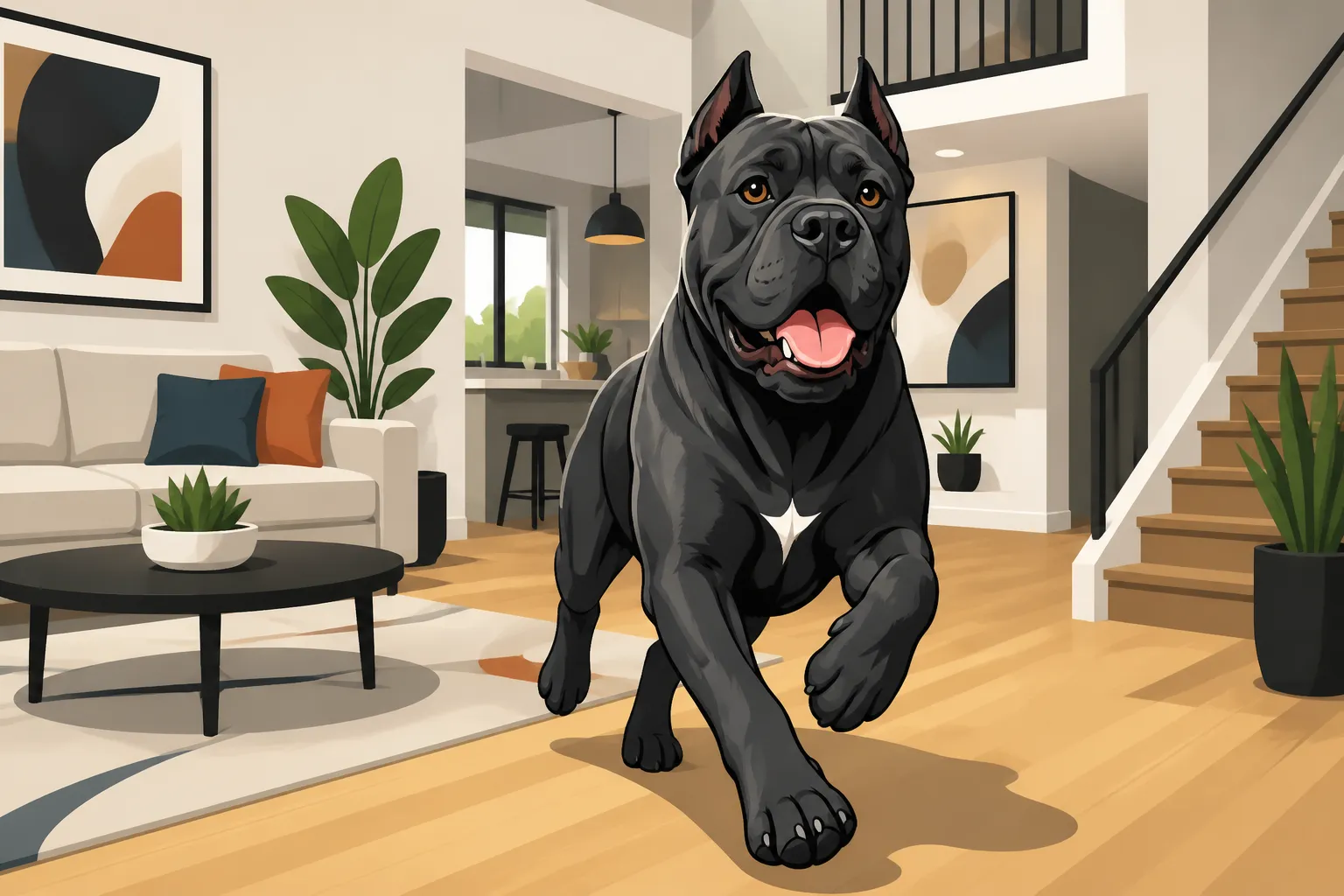
It's a dream for many Cane Corso owners: finally giving your majestic companion free run of the house, no more crates, no more gates, just shared space and seamless coexistence. But the reality can often be a nightmare of chewed furniture, "accidents" on the rug, or surprising counter-surfing incidents, leaving you wondering if your powerful dog will ever truly be trustworthy. This comprehensive guide will walk you through the careful, deliberate steps needed to safely and successfully transition your Cane Corso to having full house privileges, minimizing stress for both of you.
The Big Question: Is Your Cane Corso Truly Ready for Unsupervised Freedom?
Before you even think about leaving your Cane Corso alone in an entire room, let alone the whole house, it’s crucial to take an honest, sometimes brutal, inventory of their current behavior and maturity. This isn't about whether you love them or trust them emotionally; it's about setting them up for success and protecting your home and, most importantly, your dog from potential dangers. Many owners rush this stage, eager to give their big dog more "freedom," only to find themselves cleaning up messes or replacing expensive items.
A Cane Corso, due to its size, intelligence, and often strong prey or guarding drives, isn't a breed you can just assume will be fine. Their adolescence can last well into their second or even third year, meaning that a seemingly well-behaved one-year-old might still be prone to puppy-like mischief or develop new behavioral quirks. Think about it: a determined Cane Corso can do a lot of damage in a short amount of time. The question isn't just can they be left alone, but should they be, and what have you done to prepare them for that responsibility?
Understanding the Risks of Premature Free Roam
Handing over the keys to the kingdom too soon can lead to a host of problems that are frustrating for you and potentially dangerous for your Cane Corso. It's not a punishment to keep them confined; it's responsible management until they prove they can handle the privilege.
- Destructive Chewing and Ingestion of Dangerous Items: A bored or anxious Cane Corso can chew through drywall, furniture, or electrical cords. They might swallow objects that lead to costly emergency vet visits or worse. Even if they don't eat it, they can destroy irreplaceable family heirlooms or expensive electronics. Remember, The Chewing Stage a Cane Corso Goes Through can last longer than you might expect, especially for such a powerful breed.
- House Training Regressions: Even perfectly house-trained dogs can have "accidents" when given too much freedom too soon. They might decide a secluded corner of the living room is a perfectly acceptable spot, especially if they haven't been out recently or if something new in the environment causes stress. This can quickly undo months of diligent house training.
- Counter Surfing and Food Theft: Your Cane Corso is tall, strong, and highly motivated by food. An unsupervised kitchen can become a buffet, leading to stolen meals, dangerous ingestions (like chocolate or onions), or just generally messy situations you don't want to come home to.
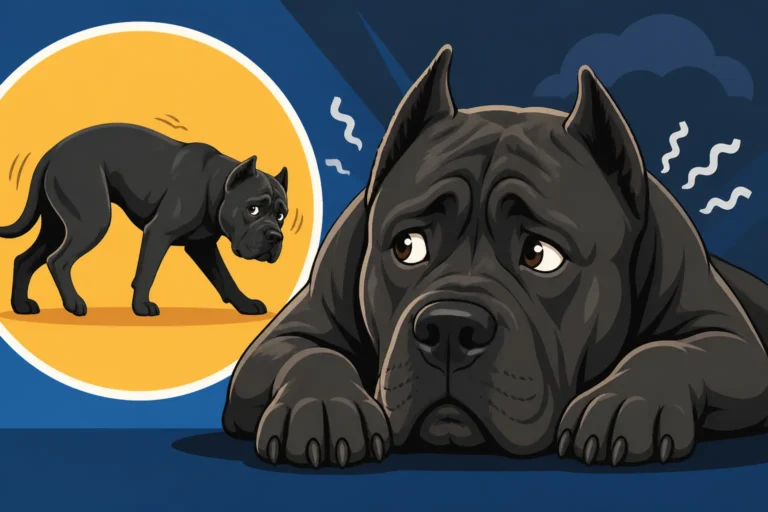
- Anxiety and Fear-Based Behaviors: Some Cane Corsos, if left unsupervised and feeling vulnerable, might develop separation anxiety. This can manifest as barking, destructive behavior focused on exits, or self-mutilation. They might also react strongly to outside noises or visitors if they perceive themselves as needing to guard the entire house. How Many Hours a Cane Corso Can Be Left Alone is a critical question to consider, as extended periods alone can exacerbate these issues.
The Maturity Factor in Cane Corsos
It’s easy to look at your physically mature Cane Corso and assume they’re mentally mature too. But for large breeds like the Cane Corso, mental maturity lags significantly behind physical growth. While they might reach their full height by 12-18 months, their brains are still very much in development. This means their impulse control, problem-solving skills, and ability to handle novel situations without owner intervention are still evolving.
Many Cane Corsos don't truly settle into their adult temperament until they are two or even three years old. During this extended adolescence, they can be testing boundaries, prone to making poor choices, and simply not ready for the responsibility of free roam. Understanding this extended developmental timeline is key to setting realistic expectations and preventing frustrating setbacks. Don't rush it; patience now pays off in a well-adjusted adult dog later.
Laying the Groundwork: Essential Training and Environmental Control
You wouldn't hand a teenager the keys to a sports car without driver's ed, right? The same principle applies here. Giving your Cane Corso free rein requires a robust foundation of training and a carefully managed home environment. This isn't just about teaching commands; it's about building trust, predictable behavior, and setting your dog up for consistent success.
Mastering Foundational Obedience and Impulse Control
Before any discussion of free roam, your Cane Corso needs to be a stellar student of basic obedience, especially when it comes to impulse control. These aren't just parlor tricks; they are life skills that translate directly to responsible behavior when left alone.
- Reliable Recall: While they might not be bolting out the front door, a solid "come" is essential if you need to redirect them from something they shouldn't be investigating.
- "Leave It" and "Drop It": These are non-negotiable. Your Cane Corso needs to understand that not everything on the floor or counter is theirs, and they must relinquish items when asked. Practice this with a wide range of items, from tempting food to household objects.
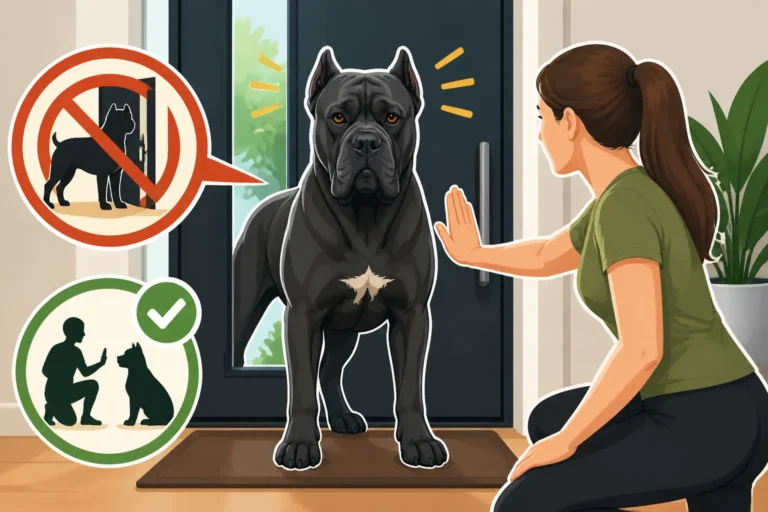
- "Stay" and "Place" Commands: Imagine needing to answer the door or grab something from another room. A reliable "stay" or "place" command means your Cane Corso will remain calmly where you direct them, rather than following you and potentially getting into trouble. The Place Command That Saves a Cane Corso Household isn't just for visitors; it's for everyday management. You can get excellent training tools and beds for the "Place" command from retailers like Amazon, ensuring they have a comfortable and consistent spot.
- Leash Manners: Even if your goal is indoor freedom, good leash manners outside translate to a calmer, more focused dog overall. A dog that drags you around the block isn't likely to respect boundaries indoors.
Consistency is key here. Every family member should use the same cues and expectations. Teaching Every Family Member the Same Cane Corso Cues ensures there are no loopholes for your intelligent dog to exploit. Consider online resources like BAXTER & Bella which offer comprehensive training programs that can help unify your family's approach and provide ongoing support.
The Indispensable Role of Crate Training
Even if your ultimate goal is a crate-free home, solid crate training is an invaluable tool for any Cane Corso owner. It serves multiple purposes that directly support the journey to free roam.
- Safe Haven: A crate should be your dog's personal den, a place where they feel safe and secure, not a punishment. This is particularly important for a guarding breed like the Cane Corso, as it gives them a secure space when they might feel overwhelmed or unsure.
- House Training Aid: When left alone, a well-crate-trained dog is less likely to have accidents in their den, reinforcing bladder and bowel control. This directly translates to better habits when given more freedom. For tips on sizing and making the crate comfortable for your large breed, look into Crate Training a Cane Corso That Outgrows Every Crate.
- Management Tool: The crate provides a secure place for your Cane Corso when you can't actively supervise them, such as when you're busy, have guests, or need to run errands. This prevents bad habits from forming.
- Post-Surgery Recovery: Should your Cane Corso ever need surgery, like hip or elbow procedures, crate rest will likely be a requirement. A dog accustomed to their crate will handle this much better.
Environmental Control: Dog-Proofing Your Home
Before you even think about leaving your Cane Corso unsupervised for more than a minute, you need to rigorously dog-proof your home. Their size means they can reach counters, open low cabinets, and quickly turn a seemingly harmless object into a choking hazard.
- Remove Temptations: Put away shoes, remote controls, magazines, and anything else that might be tempting to chew. If it's within reach, assume it's fair game.
- Secure Cabinets and Trash Cans: Use childproof latches on lower cabinets, especially those containing food, cleaning supplies, or medications. Invest in heavy, lidded trash cans that your Cane Corso can't tip over or open.
- Protect Electrical Cords: Unplug unused cords or use cord covers to prevent chewing.
- Clear Counters: Absolutely nothing should be left on counters, particularly food. A Cane Corso's reach is impressive, and their determination is even more so. This ties back to The Mealtime Habits That Turn a Cane Corso's Stomach where ingesting forbidden human foods can be dangerous and lead to serious health issues like bloat.
- Consider Baby Gates: While the goal is free roam, baby gates can still be useful for initially confining your dog to specific, dog-proofed rooms before expanding access. They are a good transitional tool.
| Readiness Factor | Not Yet Ready for Free Roam | Ready for Free Roam |
|---|---|---|
| House Training | Occasional indoor accidents, especially when stressed | 100% reliable, can hold bladder for appropriate periods |
| Chewing Habits | Chews inappropriate items, destroys toys quickly | Only chews designated toys, leaves household items alone |
| Impulse Control | Struggles with "Leave It" or "Stay," counter surfs | Responds consistently to "Leave It," "Stay," "Place" |
| Alone Time Behavior | Barks excessively, pacing, destructive in crate/confined | Settles quickly, sleeps, plays with toys calmly |
| Response to Visitors | Overly excitable, jumps, or intensely guards | Calmly accepts guests, follows "Place" commands |
| Energy Levels | Often bored, restless, destructive after exercise | Well-exercised, content to relax indoors |
| Overall Maturity | Still in puppy/adolescent stage (under 2 years) | Approaching or past mental maturity (2-3+ years) |
The Gradual Path to Full House Freedom
Giving a Cane Corso free run of the house isn't a single event; it's a carefully managed, step-by-step process. Think of it as earning privileges, much like a child. Each step should be successful before moving to the next, building confidence and predictability for both you and your dog. Rushing this process almost guarantees setbacks and can lead to frustration.
Step 1: Supervised Freedom in a Single Room
Start by giving your Cane Corso freedom in just one dog-proofed room, but only while you are actively supervising them. This means you are in the room with them, not just in the next room watching TV. The goal here is to observe their behavior closely and intervene immediately if they show interest in something inappropriate.
- Observe and Redirect: Watch for any sniffing, mouthing, or lingering around off-limits items. Use your "leave it" command or redirect them to an appropriate chew toy. Praise and reward heavily for good choices.
- Short Durations: Begin with very short periods, say 15-30 minutes, gradually increasing as they demonstrate consistent good behavior.
- Consistent Practice: Do this several times a day, every day. Consistency is the magic ingredient in dog training, especially with a Cane Corso.
This initial phase helps your Cane Corso understand the boundaries of the home environment under your direct guidance. It's a crucial learning period.
Step 2: Unsupervised Freedom in a Single Room (Short Bursts)
Once your Cane Corso is consistently well-behaved during supervised time in one room, you can begin to introduce very short periods of unsupervised freedom in that same room.
- Install a Pet Camera: This is your best friend during this phase. A pet camera allows you to monitor their behavior remotely. You can observe if they chew, bark, or have accidents the moment you leave the room. Many affordable options are available on Amazon.
- Start with Seconds, Build to Minutes: Leave the room for literally 10-15 seconds, then return. If all is well, praise them. Gradually increase this time to 30 seconds, then a minute, then five minutes, and so on. Never push beyond what your dog can handle successfully.
- Set Them Up for Success: Ensure they've been exercised, had a potty break, and have appropriate chew toys available before you leave. A bored Cane Corso is a Cane Corso looking for trouble. Remember, What Happens to an Under Exercised Cane Corso can be a major factor in destructive behavior.
- Don't Make a Fuss: When leaving or returning, keep it low-key. A big emotional departure or reunion can heighten separation anxiety.
If you observe any undesirable behavior on the camera, revert to supervised freedom and go back to basics. This is an "errorless learning" approach, where you prevent mistakes rather than waiting for them to happen.
Step 3: Expanding to Multiple Rooms and Longer Durations
Once your Cane Corso is reliably calm and well-behaved during unsupervised time in a single room for significant periods (e.g., an hour or more), you can gradually expand their territory.
- One Room at a Time: Instead of opening up the entire house, add one new, dog-proofed room at a time. Start with supervised time in the new room, then short, unsupervised bursts, following the same methodology as before.
- Monitor Closely: Continue using your pet camera or listen carefully if you're in another part of the house. Pay attention to body language and sounds.
- Connect the Dots: Once they are trustworthy in two adjoining rooms, you can gradually allow access between them. Eventually, you can link all the dog-proofed rooms.
- Gradually Increase Absence: Once your Cane Corso is trustworthy in multiple rooms, you can start extending the time you are out of the house. Again, always start small and build up. Go out for 15 minutes, then 30, then an hour, always checking the camera for signs of stress or mischief.
This process can take weeks, even months, and that's perfectly normal for a Cane Corso. Patience is a virtue here.
Maintaining Freedom and Troubleshooting Common Setbacks
Achieving full house freedom for your Cane Corso is a huge accomplishment, but it's not a "set it and forget it" situation. Dogs are living beings, and their behavior can change due to new stressors, life changes, or simply a lapse in consistency. You'll need to remain vigilant and ready to troubleshoot any issues that arise.
Understanding Why Regressions Happen
It's disheartening when your previously trustworthy Cane Corso suddenly has an accident or chews something they shouldn't. Before you get frustrated, try to understand the why behind the regression.
- Changes in Routine: A new work schedule, a family vacation, or even a different wake-up time can throw a dog off. Cane Corsos thrive on routine, and disruptions can lead to stress. The Structure a Cane Corso Needs Every Single Day is essential for their well-being.
- Under-Exercised or Under-Stimulated: A Cane Corso with pent-up energy, whether physical or mental, is more likely to create their own "fun" by engaging in destructive behaviors. Make sure they are getting adequate exercise, both physical and mental. Daily walks (consider Ninety Minutes a Day and a Cane Corso's Mind), training sessions, and puzzle toys are crucial.
- New Stressors: A new pet, a baby, construction next door, or even just a particularly loud thunderstorm can increase anxiety, leading to house training issues or destructive chewing.
- Health Issues: Always rule out a medical cause for sudden behavioral changes. A urinary tract infection can cause accidents, and dental pain might lead to excessive chewing. Regular vet check-ups, even for a healthy Cane Corso, are important. How Often a Healthy Cane Corso Sees the Vet can help catch issues early.
- Adolescent Brain: Even if you think your Cane Corso is past adolescence, sometimes they have "blips" where they revisit old behaviors. Their brain is still developing, and consistency is paramount.
Strategies for Maintaining Good Behavior
Once your Cane Corso has earned house privileges, you'll want to employ strategies to ensure they keep them. Proactive management is always easier than reactive damage control.
- Continue Enrichment: Always leave out appropriate chew toys and puzzle feeders when you're away. Rotate them to keep things interesting. Retailers like Amazon offer a vast selection of durable toys for strong chewers. A tired mind is just as important as a tired body.
- Daily Exercise: Don't skimp on their daily walks and playtime. A Cane Corso needs a job, even if that job is just being a well-behaved family member. This energy outlet is vital to prevent boredom and destructive tendencies.
- Regular Training Reinforcement: Even adult dogs benefit from short, fun training sessions to keep their skills sharp. Practice those "leave it" and "place" commands. This ongoing engagement strengthens your bond and their responsiveness.
- Consistent Expectations: Every member of the household must enforce the same rules consistently. If one person lets them counter-surf "just this once," it undermines all your hard work. Teaching Every Family Member the Same Cane Corso Cues is not just for puppies; it's a lifelong commitment.
- Monitor for Early Warning Signs: Pay attention to subtle cues. Is your Cane Corso pacing more? Are they intensely staring at a certain object? Are they sleeping more or less than usual? Early intervention can prevent small issues from becoming big problems. If you notice signs of stress, like excessive licking or panting, it might be time to reduce their unsupervised freedom temporarily.
- "De-Risk" Your Home Periodically: Even if you’ve dog-proofed, always be on the lookout for new temptations. A guest might leave a bag on the floor, or a child might drop a small toy. A quick scan of the room before you leave can save a lot of headaches.
When to Re-evaluate or Seek Professional Help
If you're finding consistent regressions despite your best efforts, it's okay to take a step back. Sometimes, going back to using a crate or confining your Cane Corso to a single room when you're gone is the safest and least stressful option for everyone. It's not a failure; it's smart management.
However, if you're noticing severe separation anxiety (excessive barking, destructive behavior focused on exits, self-harm, house soiling), aggression, or other complex behavioral issues when your Cane Corso is left alone, it's time to seek professional help. A certified professional dog trainer or veterinary behaviorist can help diagnose the underlying cause and develop a tailored plan. Organizations like BAXTER & Bella provide online resources and support that can be a great starting point, but for severe cases, in-person, individualized guidance is often best. Don't struggle alone; there are resources available to help you and your Cane Corso thrive.
Disclaimer
This article is for general informational purposes only and does not constitute professional advice. Laws, prices and regulations vary by location and change over time. Consult a qualified professional for guidance on your specific situation.