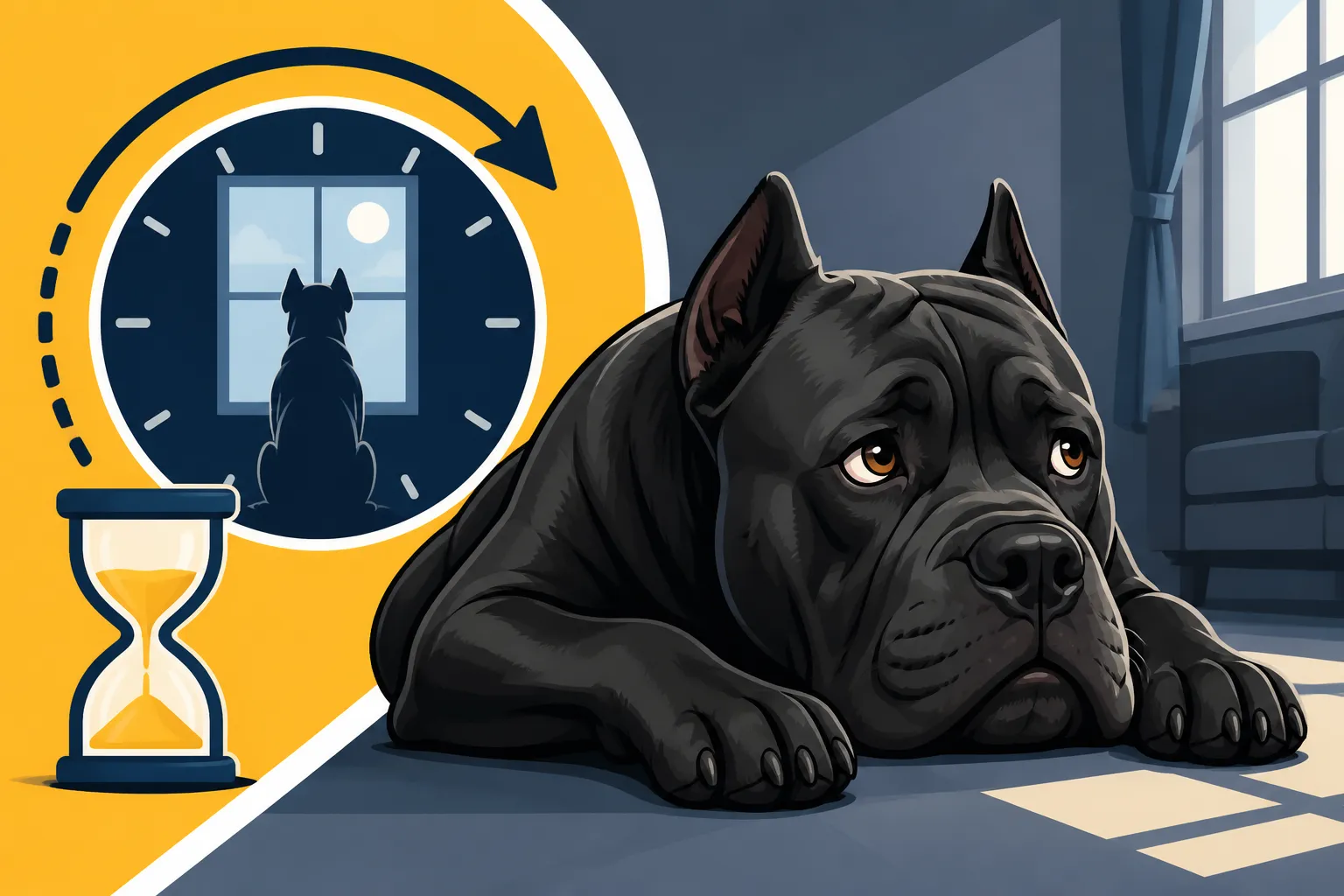
How Many Hours a Cane Corso Can Be Left Alone
One of the most common worries for any Cane Corso owner, or prospective owner, is figuring out just how long these magnificent dogs can comfortably and safely be left by themselves. It’s a huge concern, and rightly so, because leaving a powerful, intelligent breed like a Cane Corso alone for too long isn't just about potty accidents – it's about their mental health, their behavior, and their overall well-being. This guide aims to break down the reality of a Cane Corso's solo time, offering realistic expectations and practical tips to ensure your dog thrives, even when you can't be by their side every moment.
Understanding Your Cane Corso's Needs for Alone Time
It’s easy to think of a dog as a dog, but a Cane Corso isn't your average lapdog. These are working dogs, bred for centuries to be guardians and companions, deeply attuned to their families. Their capacity for alone time changes dramatically as they grow, and it’s crucial to understand these stages to avoid common pitfalls.
The Puppy Stage: How Long is Too Long?
Let’s be honest, bringing home a Cane Corso puppy is a whirlwind. They're adorable, clumsy, and utterly dependent on you. During these early weeks and months, their bladders are tiny, their minds are sponges, and their need for attention is practically insatiable. Asking a tiny Cane Corso pup to hold their bladder for more than a couple of hours is asking for a disaster – both for your floors and for their confidence in house training.
Think about it: a young puppy, say 8 to 12 weeks old, can typically only hold their bladder for about 1-2 hours, maybe a little more if they're sleeping soundly. If you stretch that to three or four hours, you're setting them up to fail, and then you're frustrated, and they're confused. Beyond the physical need to relieve themselves, these little guys are also learning about the world. Every hour they spend alone, especially without proper enrichment or comfort, is an hour they could be developing separation anxiety, chewing something they shouldn't, or simply feeling isolated. This is the critical window for socialization and building trust, and extended periods of solitude work against that. This early training is vital, and resources like How Long It Takes to House Train a Cane Corso can be a huge help.
The Adolescent Cane Corso: Energy and Independence
Ah, adolescence. If you thought a human teenager was challenging, wait until your Cane Corso hits their "rebellious" phase, usually kicking in around 6 months and lasting well past a year, sometimes up to two. During this time, they’ve got more physical control over their bladder, often able to last 4-6 hours, but their energy levels are through the roof, and their brains are still developing. They’re like furry, four-legged wrecking balls with an insatiable curiosity and a newfound sense of independence that often gets them into trouble.
A bored or under-exercised adolescent Cane Corso left alone for too long is a recipe for destruction. They might not be having accidents as often, but they'll find other ways to entertain themselves: chewing furniture, digging at carpets, or systematically disemboweling every pillow in the house. This isn’t maliciousness; it’s often a desperate attempt to burn off energy and satisfy their powerful chewing instincts. Their bodies are growing rapidly, but their impulse control isn't quite there yet. This is why addressing The Chewing Stage a Cane Corso Goes Through early on is so important. Ignoring their needs at this stage can lead to deeply ingrained habits that are much harder to break later.
The Adult Cane Corso: Finding the Right Balance
Once your Cane Corso matures, typically between 18 months and 2 years, they generally settle into a more predictable routine. An adult Cane Corso with a solid foundation of training, proper socialization, and sufficient exercise can often manage 6-8 hours alone. However, and this is a big however, "managing" isn't always the same as "thriving." While they might be physically capable of holding their bladder for that long, an intelligent and family-oriented breed like the Cane Corso truly thrives on companionship and purpose.
Leaving them for a full 8-hour workday, five days a week, without any breaks, human interaction, or significant mental and physical stimulation before and after, can take its toll. They are not just decorative pieces; they are sentient beings who need engagement. If an adult Cane Corso is consistently left alone for long stretches, you might start to see subtle signs of stress: excessive barking, destructive chewing that wasn't there before, or a general dullness in their personality. Remember, The Structure a Cane Corso Needs Every Single Day goes beyond just training sessions; it includes consistent interaction. For some, even 6 hours is pushing it, especially if they are particularly sensitive or prone to separation anxiety. It's a delicate balance, and it's less about the absolute number of hours and more about the quality of care they receive when you are home.
Factors Influencing Alone Time Tolerance
The "magic number" for how long a Cane Corso can be left alone isn't universal. It depends heavily on several interconnected factors that you, as their owner, have a significant influence over.
Training and Socialization: Building Independence
A well-trained and properly socialized Cane Corso is far better equipped to handle alone time than one who hasn't had those critical experiences. This starts with positive crate training from a young age. A crate, when introduced correctly, becomes a safe, den-like space where your dog feels secure, not punished. If your Cane Corso learns to love their crate – seeing it as a quiet retreat with a cozy bed and a special chew toy – they'll be much more content when you leave. For a large breed, finding the right crate can be a challenge, and articles like Crate Training a Cane Corso That Outgrows Every Crate offer great insights.
Beyond the crate, broad socialization helps your Cane Corso develop confidence. A dog that has been exposed to various sights, sounds, people, and experiences in a positive way is generally more resilient and less prone to anxiety when their routine changes or when they find themselves alone. If their world is small and revolves solely around you, any time without you can feel like a massive threat. Early puppy classes and consistent positive exposure, as discussed in What a Cane Corso's First Six Week Class Costs, lay the groundwork for a secure adult dog. Building independence also involves teaching them to be calm when you're preparing to leave and making your departures and arrivals low-key affairs, rather than big dramatic events that heighten their anticipation or anxiety.
Exercise and Mental Stimulation: A Tired Dog is a Good Dog
This cannot be stressed enough: a tired Cane Corso is a happy Cane Corso, and a happy Cane Corso is less likely to be destructive or anxious when left alone. These dogs are powerful, intelligent, and have significant energy reserves. Simply letting them out in the yard isn't enough; they need purposeful exercise and mental engagement.
Before you even think about leaving your Cane Corso alone for several hours, make sure they've had a substantial physical and mental workout. This could mean a long, brisk walk, a good session of fetch, or even some focused training time. For example, Ninety Minutes a Day and a Cane Corso's Mind highlights the kind of dedication needed for this breed. Mental stimulation is just as important as physical exercise. Puzzle toys, KONGs stuffed with treats (and frozen to last longer!), or even a sniff-and-find game can tire their brains out and keep them occupied long after you've walked out the door. If they are mentally and physically satisfied, they are much more likely to settle down for a nap instead of pacing, barking, or tearing up your couch. Neglecting this aspect is often the root cause of The Damage a Bored Cane Corso Does Indoors.
Temperament and Individual Differences
Just like people, every Cane Corso has a unique personality and temperament. While the breed as a whole is known for being devoted and guardian-oriented, individual dogs will vary in their sensitivity and independence. Some Cane Corsos are naturally more laid-back and can adapt easily to longer periods of solitude, provided their needs are met before and after. Others are more highly strung, more prone to separation anxiety, or simply have a stronger innate need for constant companionship.
Observe your dog closely. Are they prone to excessive barking when you leave? Do they shadow you constantly when you're home? Do they show signs of stress like panting, drooling, or destructive behavior when left alone? These could be indicators that your particular Cane Corso has a lower tolerance for alone time. It's also worth considering their background. A rescue Cane Corso, for instance, might come with past traumas or insecurities that make alone time particularly challenging. In such cases, addressing Separation Anxiety in a Cane Corso Left in a Crate might require a more intensive and patient approach. Understanding and respecting your individual dog’s unique needs is paramount to their well-being.
Strategies for Managing Your Cane Corso's Alone Time
Knowing how long your Cane Corso can be left alone is one thing, but setting them up for success during those periods is another. It's all about proactive management and creating an environment that supports their mental and physical needs.
Creating a Safe and Enriching Environment
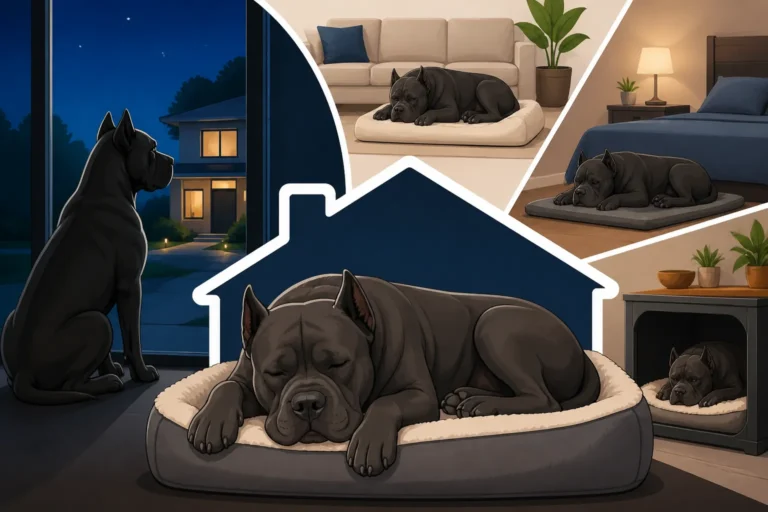
When you can't be there, the environment you leave your Cane Corso in becomes their world. This space needs to be both safe and stimulating. The crate, as mentioned, is often the best solution, offering a secure den that prevents destructive behaviors and keeps them out of harm's way. Ensure the crate is appropriately sized – large enough for them to stand up, turn around, and lie down comfortably, but not so large that they can potty in one corner and sleep in another.
Beyond the crate, think about enrichment. High-value, long-lasting chew toys, like those from reputable brands found on platforms such as Amazon, can be a godsend. Look for toys specifically designed for strong chewers. Puzzle feeders are another excellent tool, turning mealtime into a mental game. Freeze a KONG stuffed with wet food or peanut butter to extend the engagement. You might also consider leaving on a radio or TV tuned to a calm channel. Some dogs find the background noise comforting and lessens the feeling of isolation. Rotate toys regularly so they don't get bored with the same items.
Gradual Desensitization and Routine Building
Teaching your Cane Corso to be alone is a process, not a one-time event. It requires gradual desensitization, especially for puppies or dogs prone to anxiety. Start with very short periods: leave the room for a few minutes, then come back. Slowly increase the duration. Practice "fake" departures – grab your keys, put on your shoes, but don't actually leave. This helps desensitize them to your departure cues.
Establishing a consistent routine is equally important. Dogs thrive on predictability. Try to feed, walk, and play with your Cane Corso at roughly the same times each day, especially before and after periods of alone time. This routine helps them understand what to expect and builds confidence. For example, a morning routine might include a vigorous walk, breakfast, a quick potty break, and then a special long-lasting chew as you leave. When you return, another walk and playtime reinforces the connection and releases pent-up energy. If you're struggling to implement these strategies, sometimes professional help can make all the difference, as explored in Group Classes Versus Private Work for a Cane Corso.
Utilizing Technology and Professional Help
In our modern world, there are more tools than ever to help manage your Cane Corso’s alone time. Pet cameras, often available through retailers like Amazon, allow you to monitor your dog from afar. Many models offer two-way audio, so you can speak to your dog or even dispense treats remotely. This can be incredibly reassuring, allowing you to identify if your dog is stressed or simply napping.
For those who simply can't avoid long workdays, professional help might be necessary. A trusted dog walker can come mid-day to provide a potty break, a quick walk, and some much-needed human interaction. Doggy daycare is another option, though it’s crucial to research facilities carefully, especially given the Cane Corso's temperament. Not all daycares are equipped to handle large, powerful guardian breeds. Check out Whether Daycares Accept a Cane Corso at All before committing. For dogs with significant separation anxiety or destructive tendencies, consulting with a certified professional dog trainer or a veterinary behaviorist is highly recommended. Online training programs, such as those offered by BAXTER & Bella, can also provide structured guidance and support for owners looking to build their dog's independence and manage alone time more effectively. They can offer personalized strategies to address specific behavioral challenges, ensuring your Cane Corso remains a well-adjusted and happy member of your family.
Final Thoughts on Alone Time
Ultimately, there's no single perfect answer to "how many hours a Cane Corso can be left alone." It’s a dynamic equation influenced by age, training, exercise, individual temperament, and the quality of their environment. While an adult Cane Corso might tolerate 6-8 hours alone, especially if they're well-exercised and have a safe, stimulating space, it's generally best to aim for less. Breaking up long stretches with a dog walker, arranging for a trusted friend to visit, or utilizing doggy daycare (if appropriate for your specific dog) can make a world of difference in their overall happiness and behavior.
These magnificent dogs thrive on companionship and purpose. They are not dogs meant to be left in isolation for the majority of their waking hours. Prioritizing their needs for exercise, mental stimulation, and human interaction will not only prevent behavioral issues but will also foster a deeper, more fulfilling bond between you and your loyal Cane Corso.
Disclaimer
This article is for general informational purposes only and does not constitute professional advice. Laws, prices and regulations vary by location and change over time. Consult a qualified professional for guidance on your specific situation.