Leash Manners Before a Cane Corso Hits Ninety Pounds
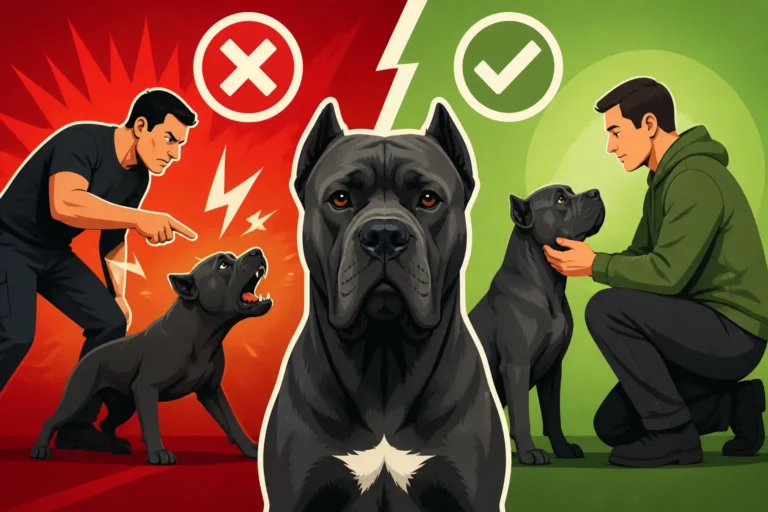
Bringing home a Cane Corso puppy is an exhilarating experience, filled with dreams of a loyal, protective companion. However, many new owners quickly find that those dreams can turn into a wrestling match on walks once their adorable pup starts packing on serious muscle. Before you know it, that cute little land shark is 60, 70, or even 80 pounds, and suddenly, you're the one being walked down the street. This guide is all about tackling leash manners head-on, giving you the practical strategies to ensure your Cane Corso walks politely by your side, long before they become an unmanageable powerhouse.
The Critical Window: Why Early Leash Training Matters So Much
It’s easy to look at a squishy Cane Corso puppy and think, "Oh, they're so little, we have plenty of time for training." But that couldn't be further from the truth. The foundation you lay in those first few months, before your pup hits the three-digit mark on the scale, is absolutely crucial. These are the formative weeks where behaviors are established, good or bad, and trying to undo deeply ingrained habits in a ninety-pound power breed is a much, much tougher battle than preventing them in the first place.
The Unexpected Strength of a Cane Corso Puppy
Even a young Cane Corso puppy, weighing just 20 or 30 pounds, possesses a surprising amount of strength and determination. When they decide they want to investigate something, whether it's an interesting smell, a flapping leaf, or another dog across the street, they will pull. And they'll pull with an intensity that belies their size. This early pulling, if ignored or inadvertently rewarded, teaches them that pulling gets them where they want to go. It sets a dangerous precedent. Imagine that 20-pound puller at 90 pounds – it’s a terrifying prospect for your shoulders and your sanity.
Many owners underestimate this early strength, thinking a lightweight collar and leash are sufficient. But even at a young age, if your pup consistently strains against the leash, they're building muscle memory for pulling. They're learning that resistance is part of the walking experience. It's not about being mean or harsh; it's about understanding that every interaction on the leash is a training opportunity, and allowing them to drag you around, even gently, is a missed chance to teach better behavior.
The sheer mass and power these dogs develop mean that what's a minor inconvenience for a smaller breed can become a significant safety issue with a Cane Corso. A sudden lunge for a squirrel could easily pull an adult off their feet, leading to injuries for both handler and dog. Starting early with consistent, clear expectations is the only way to build a future where you can confidently walk your majestic companion.
Building a Positive Foundation, Not Just Correction
Leash training isn't just about stopping undesirable behaviors; it's primarily about teaching and reinforcing desired ones. Our goal isn't to make the walk a constant struggle of corrections, but a pleasant experience where your Cane Corso chooses to walk nicely. This means using positive reinforcement – rewarding your dog generously when they are doing what you want, like walking with a loose leash, checking in with you, or ignoring a distraction. High-value treats, praise, and even favorite toys can be incredibly motivating for a Cane Corso.
Think of it as building a robust communication system. You're teaching your Cane Corso that walking politely by your side leads to good things, while pulling leads to nothing. This positive foundation fosters a better relationship between you and your dog, based on trust and mutual understanding, rather than fear or intimidation. A dog that is happy to work with you on a walk will be far more consistent and reliable than one who is simply trying to avoid punishment.
Early positive experiences with the leash also help to shape your Cane Corso's overall attitude towards walks. If walks are always a fun, rewarding activity, they'll be excited to go out and more receptive to training. If walks are stressful or full of conflict, they might start to dread the leash, making training even harder down the line. Focus on celebrating every small step of progress, and your Cane Corso will blossom into a confident, well-mannered walking partner.
The Small Habits That Become Big Problems
It's those little things, the seemingly innocent behaviors, that can quickly escalate into major issues with a growing Cane Corso. A puppy that's allowed to sniff every blade of grass, or occasionally tugs to meet a friendly passerby, is learning that these actions are acceptable. As they grow, their ability to execute these "small habits" grows exponentially. What was a minor tug at 30 pounds becomes a jarring yank at 80 pounds. What was a quick sniff becomes an immovable force anchored to a scent.
Consider the habit of rushing out the door. If your Cane Corso puppy learns that barging through the doorway is part of the pre-walk excitement, they'll carry that momentum, and that lack of impulse control, onto the leash. By the time they're a massive adult, that charge through the door becomes a full-body slam, and their excitement on the leash translates into constant pulling. This is why Teaching a Cane Corso to Wait at Every Door is just as important as the walk itself.
The key is to address these minor infractions early and consistently. Don't wait for them to become ingrained problems. If your puppy starts to pull, stop walking. If they lunge for something, immediately redirect their attention and reward them for looking at you instead. Every time you allow a behavior to happen, you reinforce it. The younger and smaller your Cane Corso is, the easier it is to interrupt and redirect these behaviors before they become stubborn, powerful habits.
Essential Tools for Leash Training a Growing Cane Corso
Having the right tools can make all the difference in successful leash training, especially with a strong breed like the Cane Corso. It’s not about finding a magic bullet, but rather selecting equipment that helps you communicate effectively and safely manage your dog's power while you teach them proper manners. Just remember, no tool replaces consistent training and patience.
Choosing the Right Collar and Leash for Control
When your Cane Corso is a puppy, a standard flat buckle collar and a sturdy 6-foot leash are usually a good starting point for basic introductions. However, as they quickly gain size and strength, you'll likely need something more robust that provides better control without causing discomfort. A wide, well-fitting flat collar is essential to prevent injury to their neck, but for actual training and walks, many owners opt for something that offers a bit more leverage.
For many Cane Corso owners, a martingale collar becomes a go-to. This type of collar provides gentle but effective control without choking. When your dog pulls, the loop tightens just enough to prevent them from slipping out or to create a snug fit, but then loosens again when they stop pulling, avoiding constant pressure. Brands like those found on Amazon offer a wide range of durable martingale collars suitable for large breeds. Ensure it's thick and strong, with heavy-duty hardware that won't break under pressure. The leash itself should be made of durable nylon or leather, with a secure clasp that won't give way if your strong Cane Corso suddenly lunges. A thicker leash is also easier on your hands than a thin one when managing a powerful puller.
Harnesses: Pros and Cons for a Cane Corso
Harnesses are often seen as a humane option, and they certainly have their place. For a Cane Corso, the type of harness you choose matters immensely. A standard back-clip harness, while comfortable, can actually encourage pulling because it allows your dog to use their full body weight and strength to pull forward, much like a sled dog harness. For a Cane Corso, this is usually counterproductive for leash manners.
Front-clip harnesses, on the other hand, can be a valuable training tool. When your Cane Corso pulls, the leash attachment point on their chest redirects their momentum to the side, turning them towards you rather than allowing them to power forward. This interrupts the pulling behavior and makes it much harder for them to drag you. They're a great option for management while you continue to work on foundational leash skills. However, ensure the harness fits correctly to avoid chafing, especially under the armpits, and still teaches them to walk politely, rather than just managing the pulling. No harness can replace actual training, but a good front-clip harness can make walks significantly more manageable during the training process.
When and How to Introduce Specialized Equipment
Some owners may consider or be advised to use more specialized equipment, such as prong collars or head halters. These tools are designed for more direct control and can be highly effective when used correctly with proper guidance from a professional trainer. They are not meant to be a substitute for training, but rather a way to communicate corrections more clearly and reduce pulling while you teach.
If you decide to use a prong collar, it is absolutely vital to seek guidance from a qualified, experienced trainer who understands their proper application for a powerful breed like the Cane Corso. Improper use can cause physical harm, fear, and damage to your relationship with your dog. A prong collar should fit high and snug on the neck, just behind the ears, and corrections should be quick, gentle snaps, not sustained pulling. Similarly, head halters (like a Halti or Gentle Leader) offer excellent control by redirecting the dog's head, and thus their body, but they require careful introduction to ensure your Cane Corso accepts them comfortably. Always pair any new piece of equipment with positive reinforcement and never use force. Remember, the goal is always to eventually transition to a simpler collar and leash as your Cane Corso's leash manners improve. For a deeper dive into such tools, you might find Whether a Prong Collar Is Needed on a Cane Corso useful.
Foundational Leash Skills: What to Teach Your Young Cane Corso
Before your Cane Corso reaches their full imposing size, establishing clear, consistent foundational leash skills is paramount. This isn't just about walking politely; it's about building communication, trust, and impulse control. These skills will serve as the bedrock for all future training and ensure that walks remain enjoyable for both of you.
The "Loose Leash" Concept and Why It's Paramount
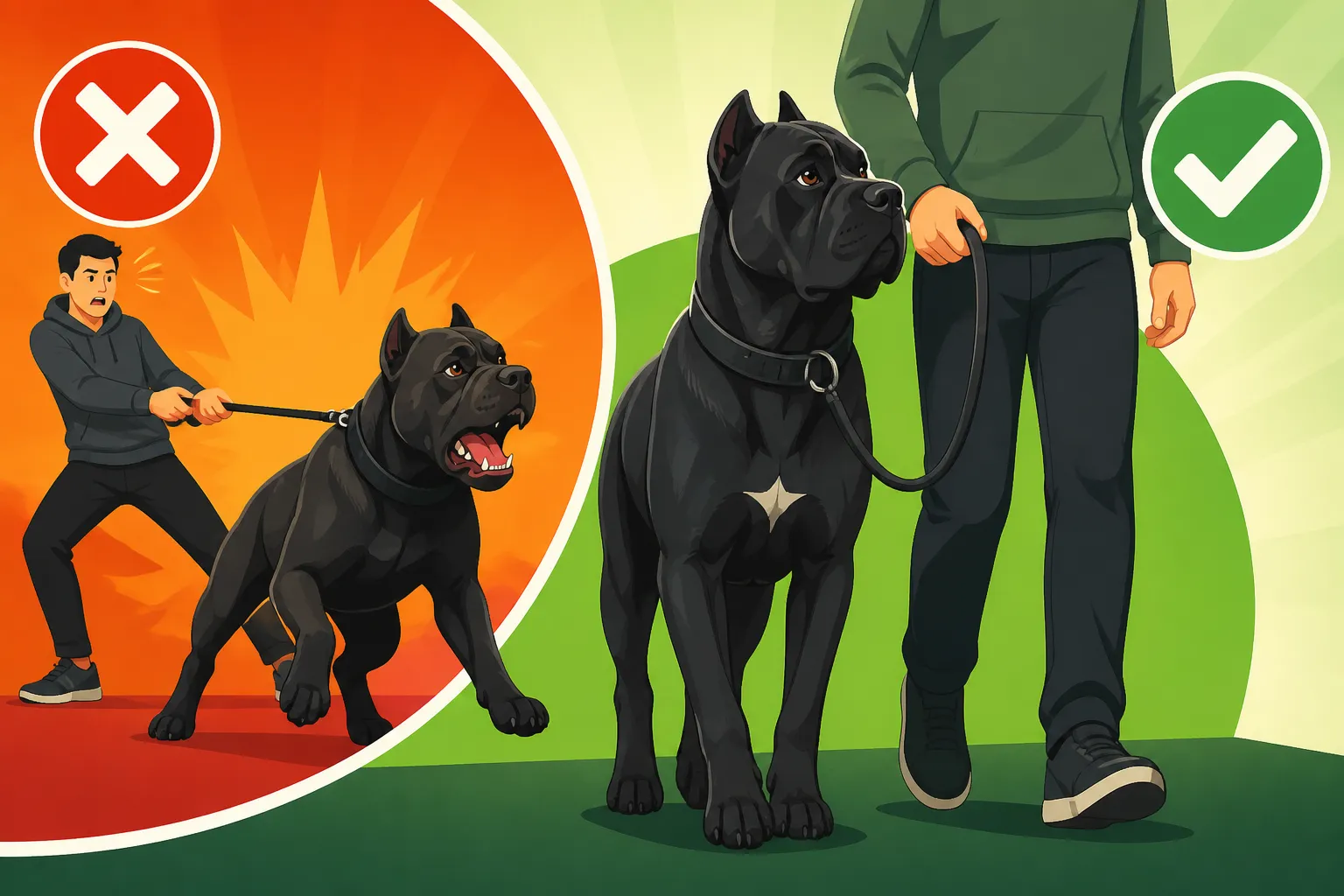
The ultimate goal of leash training is for your Cane Corso to walk with a "loose leash." This means the leash hangs in a gentle U-shape, not taut and straining. A loose leash signifies that your dog is walking calmly, paying attention to you, and not pulling ahead. It's not about forcing your dog into a rigid heel position for the entire walk, but rather about them understanding that pulling doesn't get them anywhere.
To teach the loose leash concept, start in a low-distraction environment, like your backyard or a quiet room. With your Cane Corso on a 6-foot leash and wearing their chosen collar or harness, take a step. If the leash remains loose, immediately mark the behavior with a verbal cue like "Yes!" or a clicker, and reward with a high-value treat. Take another step. If they pull, simply stop moving. Become a "tree." Your Cane Corso will likely turn to see why you've stopped. The moment the leash goes slack, even for a second, mark and reward, then start walking again. Repeat this pattern tirelessly. Your Cane Corso will quickly learn that pulling stops forward motion, while a loose leash allows them to keep moving and earn delicious rewards. This is the essence of Loose Leash Walking a Cane Corso Puppy.
Consistency is key here. Every single time you put the leash on, whether for a potty break or a full walk, practice this. If you sometimes allow pulling, you confuse your dog and undermine the training. Remember, you're teaching your Cane Corso to choose to walk nicely because it's rewarding, not because they're being constantly corrected.
Teaching "Heel" as a Partnership
While loose leash walking is about avoiding pulling, the "heel" command is a more structured behavior where your Cane Corso walks precisely by your side, usually with their shoulder aligned with your leg. This is an invaluable skill for navigating crowded areas, passing other dogs, or when you need your Cane Corso's undivided attention. Teaching heel should feel like a partnership, not a drill sergeant routine.
Start again in a quiet area. Hold a high-value treat by your side, near your hip, and lure your Cane Corso into the heel position. As they walk with you for a few steps in that position, praise them enthusiastically and give them the treat. Practice short durations first, even just a few steps, then gradually increase the distance. Use your verbal cue "Heel" as they assume the position. If they wander, gently guide them back into place with the treat lure.
The goal is for your Cane Corso to see "heel" as a highly rewarding and focused exercise. This isn't just about position; it's about engagement. Your dog should be looking up at you, ready for instructions. Consider signing up for a reputable online training program like BAXTER & Bella, which often provides structured modules for teaching commands like heel. They can offer excellent guidance for integrating these skills into your daily routine. Practice in short, frequent sessions to keep it fun and engaging, reinforcing that working closely with you is a positive experience.
Navigating Distractions with Grace
Let's be realistic: the real world is full of distractions – squirrels, other dogs, children, strange smells, loud noises. A Cane Corso with strong guarding instincts will naturally be highly aware of their surroundings, which can quickly translate into pulling, barking, or lunging if not managed. Teaching your Cane Corso to navigate these distractions gracefully is a critical part of leash manners, especially before they're large enough to overpower you.
The strategy involves gradual exposure and positive reinforcement. Start with minor, distant distractions. If you see another dog across the park, keep your Cane Corso's attention on you by using high-value treats. As soon as they notice the distraction but choose to look at you, reward heavily. This teaches them that focusing on you, even with exciting things around, is highly rewarding. If they start to fixate or pull, increase the distance from the distraction until they can maintain focus.
Impulse control is central to this. Exercises like "Look at That" (where you reward your dog for looking at a distraction and then looking back at you) or "Leave It" can be incredibly powerful. Practice in various environments, slowly increasing the intensity of distractions. Remember, a Cane Corso needs Neutral Socialization for a Cane Corso at Twelve Weeks and beyond, where they learn to exist calmly around distractions, not necessarily to greet every person or dog. This structured approach helps them develop the mental fortitude to remain calm and attentive on walks, no matter what the world throws at them.
Addressing Common Leash Challenges as Your Cane Corso Grows
Even with the best early training, Cane Corsos, with their immense strength and natural instincts, often present unique challenges on the leash as they grow. It's not uncommon for owners to feel overwhelmed by their dog's power or reactivity. Understanding these common challenges and having strategies to address them can help you maintain control and continue building positive leash manners.
The Power Puller: When Your Cane Corso Becomes a Sled Dog
One of the most common and frustrating issues for Cane Corso owners is the dog that pulls like a freight train. What was once manageable with a puppy becomes a full-body workout – or worse, a dangerous situation – when your dog hits 70, 80, or 90 pounds. This isn't just about strength; it's about learned behavior and a lack of understanding that pulling is ineffective.
If your Cane Corso has already developed a strong pulling habit, the "be a tree" method needs to be your absolute baseline. The moment the leash tightens, stop. Stand still. Don't move an inch until the leash goes slack. This might mean stopping every few feet, especially at first. It will feel tedious, even ridiculous, but it is the most direct way to teach your dog that pulling literally gets them nowhere. Combine this with rewarding generously every time they offer a loose leash, even for a single step. For sustained pulling, a front-clip harness can provide immediate relief by redirecting their momentum, making the "be a tree" method more effective as it's harder for them to pull forward.
It's crucial that everyone who walks your Cane Corso adheres to this rule. Inconsistency will confuse your dog and prolong the pulling behavior. If your dog pulls on their walks, it's also a good idea to assess their overall exercise needs. A bored or under-exercised Cane Corso is much more likely to pull out of sheer energy or frustration. Make sure they're getting Ninety Minutes a Day and a Cane Corso's Mind through various activities, not just leash walks.
Reactivity on Leash: Lunging and Barking
A reactive Cane Corso can be incredibly challenging and embarrassing to walk. This often manifests as barking, lunging, growling, or intense staring at other dogs, people, or even vehicles. While a Cane Corso has strong guarding instincts, reactivity on a walk is usually a sign of fear, frustration, or over-arousal, not necessarily effective guarding. It's a huge source of stress for both dog and owner.
Addressing reactivity requires a multi-pronged approach, focusing on counter-conditioning and desensitization. The goal is to change your Cane Corso's emotional response to triggers. Start by identifying your dog's "threshold" – the distance at which they can observe a trigger (e.g., another dog) without reacting. Stay below this threshold. When a trigger appears at a safe distance, immediately give your Cane Corso high-value treats, essentially saying, "Great things happen when that thing is around!" The moment the trigger is gone, the treats stop. This helps create a positive association. Reading a Cane Corso's Body Language at a Distance can help you identify when they are approaching their threshold.
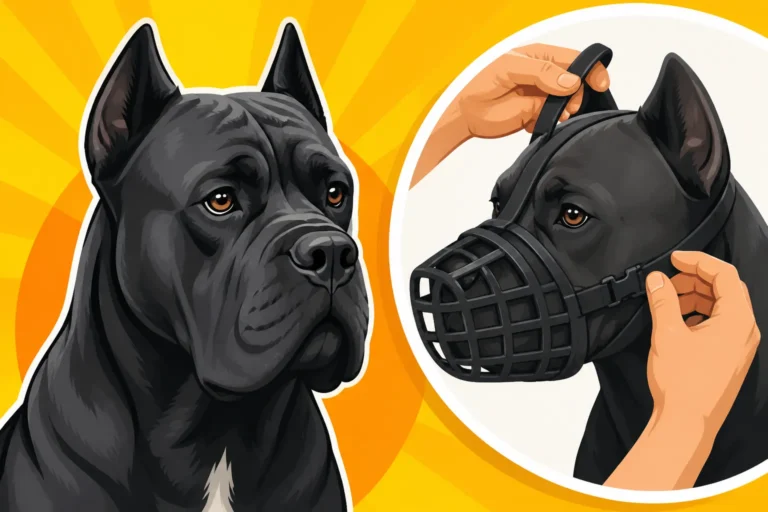
Management is also critical. If you know you'll encounter triggers, be proactive. Cross the street, create distance, or use a visual barrier. Why Every Cane Corso Should Be Muzzle Trained Early is also excellent advice, not because your dog is aggressive, but as a safety measure and a way to reduce anxiety for you and others during training. Consistency and patience are key; reactivity training is often a long journey, but a rewarding one. Don't be afraid to seek professional help from a certified behaviorist or positive reinforcement trainer.
Managing Sniffing and Investigative Pulling
Cane Corsos have incredible noses, and the world is a symphony of scents for them. While allowing sniffing can be enriching for your dog, unchecked investigative pulling can undermine your leash manners training. It's a fine line between allowing enrichment and enabling constant pulling.
The solution lies in teaching a clear "walk" command versus a "sniff" or "free" command. When you're working on loose-leash walking or heel, enforce those commands strictly. If your Cane Corso starts pulling to sniff, use your "be a tree" method or gently redirect them with a treat and a verbal cue to continue walking. Only when they are walking politely do you give a release cue, like "Go sniff!" and allow them to explore a designated area on a looser leash (but still not pulling). This teaches them that sniffing is a privilege earned through good behavior, not an entitlement to drag you wherever their nose takes them.
You can also incorporate dedicated "sniff walks" or Scent Work and Sniff Walks for a Cane Corso into your routine. These walks are specifically for olfactory enrichment, where you allow your Cane Corso to explore scents at their own pace in a safe, controlled environment. This fulfills their natural drive to sniff without compromising your structured leash training. By clearly defining when sniffing is allowed and when polite walking is required, you teach your Cane Corso boundaries and maintain control while still providing vital mental stimulation.
Consistency and Patience: The Keys to Long-Term Success
Raising and training a Cane Corso is a marathon, not a sprint. This is especially true when it comes to leash manners. These intelligent, powerful dogs thrive on clear boundaries and consistent expectations. Without them, your efforts will feel like trying to catch water with a sieve. Consistency across all aspects of their life, combined with a healthy dose of patience from you, will be the bedrock of your success.
Establishing a Daily Routine for Leash Practice
Dogs, especially intelligent breeds like the Cane Corso, really benefit from routine. A predictable schedule helps them understand what's expected of them and reduces anxiety. Incorporate short, structured leash practice sessions into your daily routine. These don't have to be long, arduous walks; even five to ten minutes of focused work in your yard before a potty break can reinforce good habits.
Think about consistency in the way you walk as well. If some family members allow pulling, while others enforce loose leash walking, your Cane Corso will be confused. Every person who handles the leash must use the same commands, the same techniques (like stopping when there's tension), and the same rewards. For complex issues, consider professional guidance. A good trainer can not only teach you techniques but also help you develop a The Structure a Cane Corso Needs Every Single Day that supports all your training goals. Establishing clear boundaries, such as Teaching a Cane Corso to Hold a Place Cot when guests arrive or for mealtime, can also build general impulse control that translates to better leash manners.
Consistency also applies to the environment. Gradually introduce your Cane Corso to new places and new distractions, but always ensuring that you're reinforcing the desired behaviors. If your Cane Corso learns that good things happen when they walk politely, regardless of the setting, their reliable behavior will become ingrained.
The Importance of Family-Wide Consistency
This point cannot be stressed enough: everyone in the household must be on the same page regarding leash manners. If one person allows your Cane Corso to drag them down the street, even occasionally, it undermines all the hard work others are putting in. Dogs are masters of "what works," and if pulling sometimes gets them what they want (forward motion, to a desired sniff spot, to greet a person), they will continue to try it.
Hold family meetings to discuss commands, techniques, and expectations. Practice together. It might feel silly at first, but ensuring everyone uses the same cues and understands the "rules" of the walk is critical. If your Cane Corso walks better for one person than another, it's a sign that training isn't consistent across the board. The person struggling should observe the successful walker and replicate their methods. Tools can also help equalize control; for example, a front-clip harness can make it easier for a less experienced or physically strong family member to manage a pulling Cane Corso.
In an ideal world, all family members would participate in Group Classes Versus Private Work for a Cane Corso. This ensures consistency in instruction and allows everyone to practice under the guidance of a professional. Remember, your Cane Corso needs clear, unambiguous communication from all their handlers to truly understand and adopt polite leash manners.
Troubleshooting Plateaus and Setbacks
Just like with any training, you will encounter plateaus and setbacks. There will be days when your Cane Corso, despite all your efforts, seems to forget everything and pulls like a maniac. This is normal. It doesn't mean you're failing, or that your dog is untrainable. It means you need to re-evaluate and often go back to basics.
When you hit a plateau, it's usually an indicator that you've asked too much too soon, or that a distraction is proving too challenging. Go back to a quieter environment with fewer distractions. Shorten your training sessions. Re-introduce high-value rewards (and make sure you know The Reward a Cane Corso Actually Values). Sometimes, taking a short break from formal training and just focusing on fun, interactive play can refresh both you and your dog. Then, return to leash work with renewed focus, breaking down the steps even smaller.
Setbacks, like a sudden increase in pulling or reactivity, can also be triggered by external factors – a new neighbor with an unleashed dog, a change in your routine, or even just a bad day for your Cane Corso. Don't get discouraged. Reassess the situation, identify potential triggers, and adjust your approach. Remember to celebrate small victories, even if it's just two steps of loose-leash walking on a challenging day. Patience, persistence, and a willingness to adapt your training strategy will see you through these tough patches and ensure your Cane Corso continues to progress.
Beyond Basic Walks: Advancing Leash Skills for a Powerful Breed
Once your Cane Corso has mastered the basics of loose-leash walking in familiar, low-distraction environments, it's time to elevate their skills. A truly well-mannered Cane Corso can navigate diverse, busy environments with confidence and control, making them a joy to take anywhere. This advanced training ensures their reliability and solidifies their role as a calm, respected companion.
Public Access and Urban Environments
Taking a powerful breed like a Cane Corso into bustling public spaces or crowded urban environments demands a higher level of obedience and self-control. This isn't just about showing off; it's about responsible ownership and ensuring safety for everyone. Before venturing into these challenging settings, your Cane Corso should have rock-solid loose-leash walking skills and a reliable "heel" command in moderately distracting areas.
Start by choosing less crowded times or locations, gradually increasing the exposure to people, noises, and movement. For example, begin with a quiet park early in the morning, then move to a slightly busier outdoor market, and eventually to a downtown street during off-peak hours. Always carry your highest-value treats to reward calm behavior and attention. If your Cane Corso becomes overwhelmed or starts to pull, immediately create distance or find a quieter spot to recalibrate. Practicing your "look at me" command extensively will be crucial for maintaining engagement amidst chaos.
Remember that Where to Take a Cane Corso Puppy Every Week for socialization also applies to continued public access training. Expose them to different surfaces, sounds, and types of people, always making it a positive experience. The goal is for your Cane Corso to be calmly observant, not reactive or overly stimulated. With consistent, controlled exposure and ample positive reinforcement, your Cane Corso can become a stellar ambassador for the breed in any setting.
Walking Multiple Cane Corsos or Other Dogs
Managing one powerful Cane Corso on a leash is an accomplishment; walking two or more, or even a Cane Corso alongside a smaller dog, requires exceptional skill and prior training. The dynamics shift dramatically, and any weakness in individual leash manners will be amplified.
Before attempting to walk multiple dogs together, each dog must have impeccable individual leash manners. Trying to train two pulling dogs simultaneously is a recipe for disaster. Once each dog walks politely on their own, introduce them on a "parallel walk" with two handlers, keeping a small distance between them. Gradually decrease the distance as they maintain polite walking. Use separate leashes at first, even if you plan to use a coupler later, as it gives you independent control.
When walking a Cane Corso with a smaller dog, be acutely aware of the size and strength difference. The smaller dog might be able to handle more distractions or have a different walking pace. Ensure the Cane Corso respects the smaller dog's space and doesn't drag them along. Leash couplers can be helpful once both dogs are walking well, as they allow you to manage two dogs with one hand, but ensure they are sturdy enough for the combined power. Always be prepared for unexpected situations and have a plan to separate or manage each dog independently if needed. This advanced skill requires significant practice and confidence from the handler.
Incorporating Leash Skills into Other Activities
Leash manners shouldn't just be confined to formal walks. Integrating these skills into other activities reinforces your Cane Corso's understanding and makes the training more robust. This could include vet visits, trips to pet-friendly stores, or even just moving around your own property.
For example, when you take your Cane Corso to the vet, practice a polite "heel" in the waiting room, rewarding them for calm behavior despite the exciting smells and other animals. When visiting a friend's house, have them enter calmly on a loose leash, perhaps Teaching a Cane Corso to Ignore the Doorbell before they even step foot inside. Even simple tasks like moving from the living room to the backyard can be opportunities to practice a short "heel" or a controlled "place" command.
Consider engaging in dog sports that utilize and build upon leash skills. Rally obedience or Canine Good Citizen (CGC) classes are excellent for reinforcing polite leash handling and impulse control in a structured environment. Even activities like hiking or urban exploring become more enjoyable when your Cane Corso is a reliable, attentive companion on the leash. The more situations in which your Cane Corso successfully applies their leash manners, the more deeply ingrained and reliable those behaviors will become, ensuring you have a truly well-mannered companion for life.
| Challenge | Common Signs | Strategy | Key Takeaway |
|---|---|---|---|
| Power Pulling | Leash constantly taut, dog drags you forward | Stop walking immediately when leash tightens; reward slack leash. | Pulling stops all forward motion. |
| Leash Reactivity | Barking, lunging, growling at triggers | Counter-condition by rewarding below threshold; increase distance. | Change emotional response, not just suppress behavior. |
| Excessive Sniffing | Dog anchors nose to ground, ignores cues | Define "walk" vs. "sniff" commands; reward focus during "walk." | Sniffing is a privilege, not a right. |
| Lack of Focus | Ignores handler, fixates on environment | Use high-value treats to maintain engagement; practice "look at me." | Your attention is more rewarding than distractions. |
| Door Dashing | Rushes through doorways, pulls upon exit | Teach "wait" command before exiting; reward calm entry/exit. | Impulse control starts before the walk. |
Disclaimer
This article is for general informational purposes only and does not constitute professional advice. Laws, prices and regulations vary by location and change over time. Consult a qualified professional for guidance on your specific situation.